Broccolini: Complete Macros & Nutrition Guide
Complete macro and nutrition guide for Broccolini. Learn calories, protein, carbs, fat per serving plus meal ideas and tracking tips.
Table of Contents
- Quick Answer
- Detailed Nutrition Facts
- Health Benefits
- Primary Benefits
- Who Should Eat This Food
- When to Eat It
- How to Track Macros
- Portion Measurement Tips
- Using Macro Tracking Apps
- Common Serving Sizes
- Meal Ideas & Preparation
- Breakfast, Lunch, Dinner Ideas
- Meal Prep Tips
- Cooking Methods That Preserve Nutrients
- For Weight Loss
- Why It's Good for Weight Loss
- Portion Recommendations
- Pairing Suggestions
- For Muscle Gain
- Protein Content Benefits
- Pre/Post Workout Timing
- Bulking Meal Ideas
- Comparisons
- vs. Similar Foods
- Best Alternatives
- When to Choose Each
- FAQs
- Q1: Is broccolini a "superfood"?
- Q2: Is broccolini good for keto or low-carb diets?
- Q3: Can you eat broccolini raw?
- Q4: How should I store fresh broccolini?
- Q5: Does cooking broccolini destroy its nutrients?
- Q6: Is broccolini good for gut health?
- Q7: Can broccolini cause bloating?
Broccolini Macros: Complete Nutrition Guide
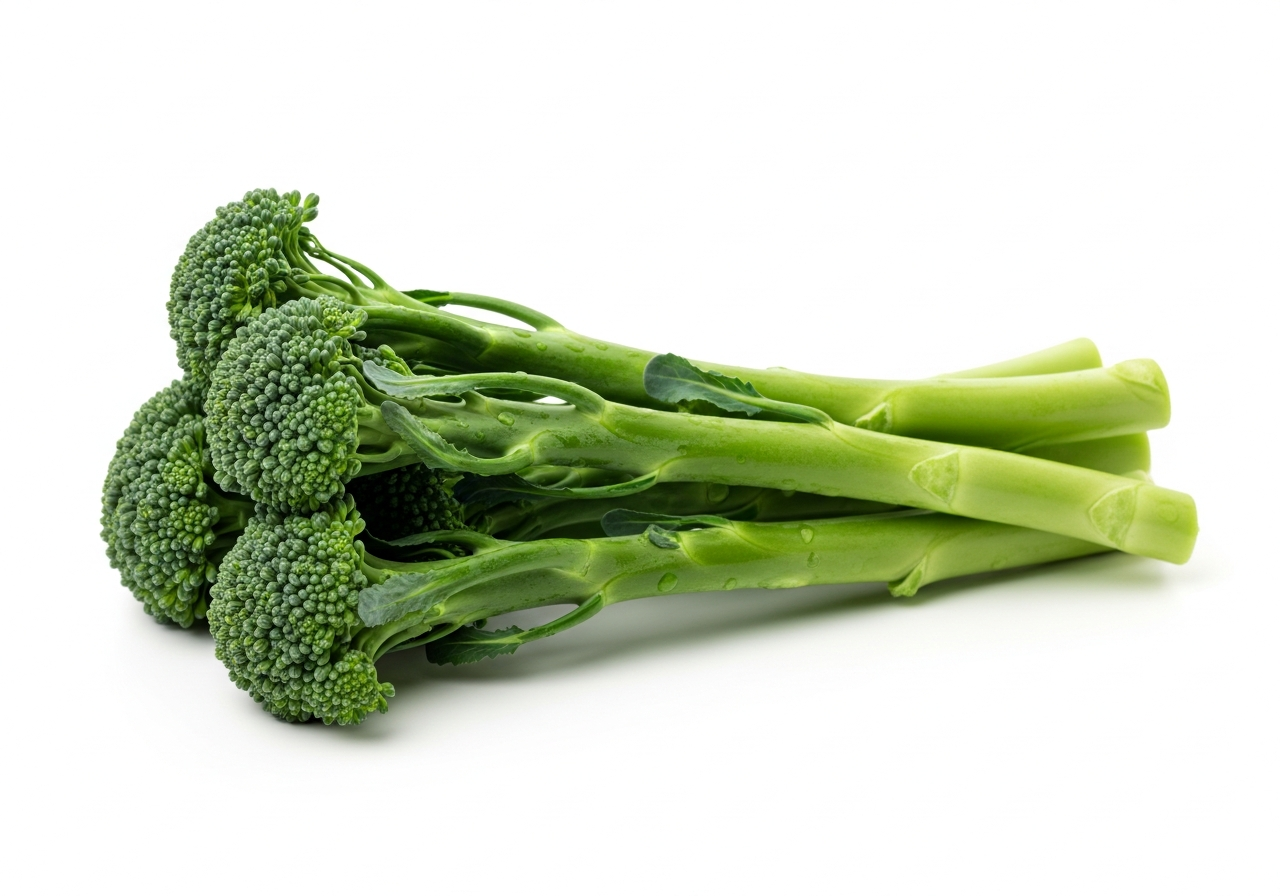
Broccolini, often hailed as the more refined cousin to traditional broccoli, has steadily gained popularity on plates worldwide. As experts in nutrition and culinary arts at JustMacrosFit, we are here to provide a comprehensive guide to understanding broccolini's macros and abundant nutritional benefits. This versatile cruciferous vegetable offers a delicate, slightly sweet flavor and tender stalks, making it an excellent addition to any healthy eating plan.
Quick Answer
For every 100 grams of raw broccolini, you can expect approximately 35 calories, with a macro breakdown of about 6 grams of carbohydrates, 3.5 grams of protein, and negligible fat. Its key nutritional highlight is its exceptional content of vitamins C, A, and K, alongside a significant amount of dietary fiber.
Detailed Nutrition Facts
Broccolini, a hybrid of traditional broccoli and Chinese kale (gai lan), is a nutrient-dense food that provides a wealth of essential vitamins and minerals while remaining remarkably low in calories. Understanding its complete nutritional profile is crucial for effective macro tracking and optimizing your diet.
A 100-gram serving of raw broccolini typically contains:
- Calories: Approximately 35-41 calories.
- Carbohydrates: Around 6-7.2 grams.
- Dietary Fiber: A significant 3.7-5 grams.
- Sugars: About 1.5-2 grams.
- Protein: Roughly 2.8-3.5 grams.
- Total Fat: Very low, typically 0-0.4 grams.
Hero Nutrients per 100g (raw):
* Vitamin C: Provides a substantial amount, often exceeding 100% of the Daily Value (DV).
* Vitamin A: Delivers a considerable percentage of the DV, important for vision and skin health.
* Vitamin K: A very good source, crucial for bone health.
* Folate: A good source, particularly beneficial for women of childbearing age.
* Iron: Contributes a notable percentage of the DV.
* Potassium: Offers a healthy dose, supporting blood pressure regulation.
* Calcium: Provides a decent amount, essential for bone density.
* Magnesium: Present in beneficial amounts, supporting muscle and nerve function.
A typical serving size of broccolini is around 85-100 grams, which effectively delivers these key nutrients without overloading on calories or carbohydrates. When comparing broccolini to similar foods, such as traditional broccoli, we find that while both are incredibly nutritious, broccolini tends to have a milder, sweeter flavor and a more delicate texture, making it appealing even to those who find regular broccoli's taste too strong. Broccolini also has strikingly more vitamin A compared to the average piece of broccoli, and a slightly higher content of phosphorus, manganese, and calcium.
Health Benefits
The impressive nutrition facts of broccolini translate into a multitude of health benefits, making it a cornerstone of a healthy and balanced diet.
Primary Benefits
- Antioxidant and Anti-inflammatory Powerhouse: Broccolini is a member of the Brassicaceae family, known for its high concentration of antioxidant and anti-inflammatory compounds like carotenoids, vitamins C and E, flavonoids, indoles, and sulforaphane. These antioxidants combat oxidative stress in the body, which can lead to chronic diseases. Sulforaphane, in particular, helps neutralize toxins and reduce inflammation.
- May Offer Anticancer Potential: Like its cruciferous relatives, broccolini contains sulfur-rich compounds such as sulforaphane and glucosinolates, which have been linked to potential cancer-fighting properties. These compounds help protect cells from damage and may inhibit the growth of cancer cells.
- Boosts Heart Health: The high fiber content, antioxidants, and potassium in broccolini contribute significantly to cardiovascular health. Fiber helps maintain healthy cholesterol levels, while potassium helps regulate blood pressure.
- Supports Bone Health: Broccolini is a good source of vitamin K, calcium, phosphorus, and magnesium, all vital for strong bones and reducing the risk of osteoporosis.
- Aids Digestion and Weight Management: Being rich in dietary fiber, broccolini promotes digestive health, helps prevent constipation, and keeps you feeling full for longer periods. Its low-calorie and high-fiber profile make it an excellent choice for weight loss.
- Immune System Support: The high vitamin C content in broccolini strengthens the immune system and promotes better absorption of iron from plant-based sources. Vitamin A and D also contribute to maintaining immune function.
- Blood Sugar Control: The fiber content in broccolini also helps keep blood sugar levels stable.
Who Should Eat This Food
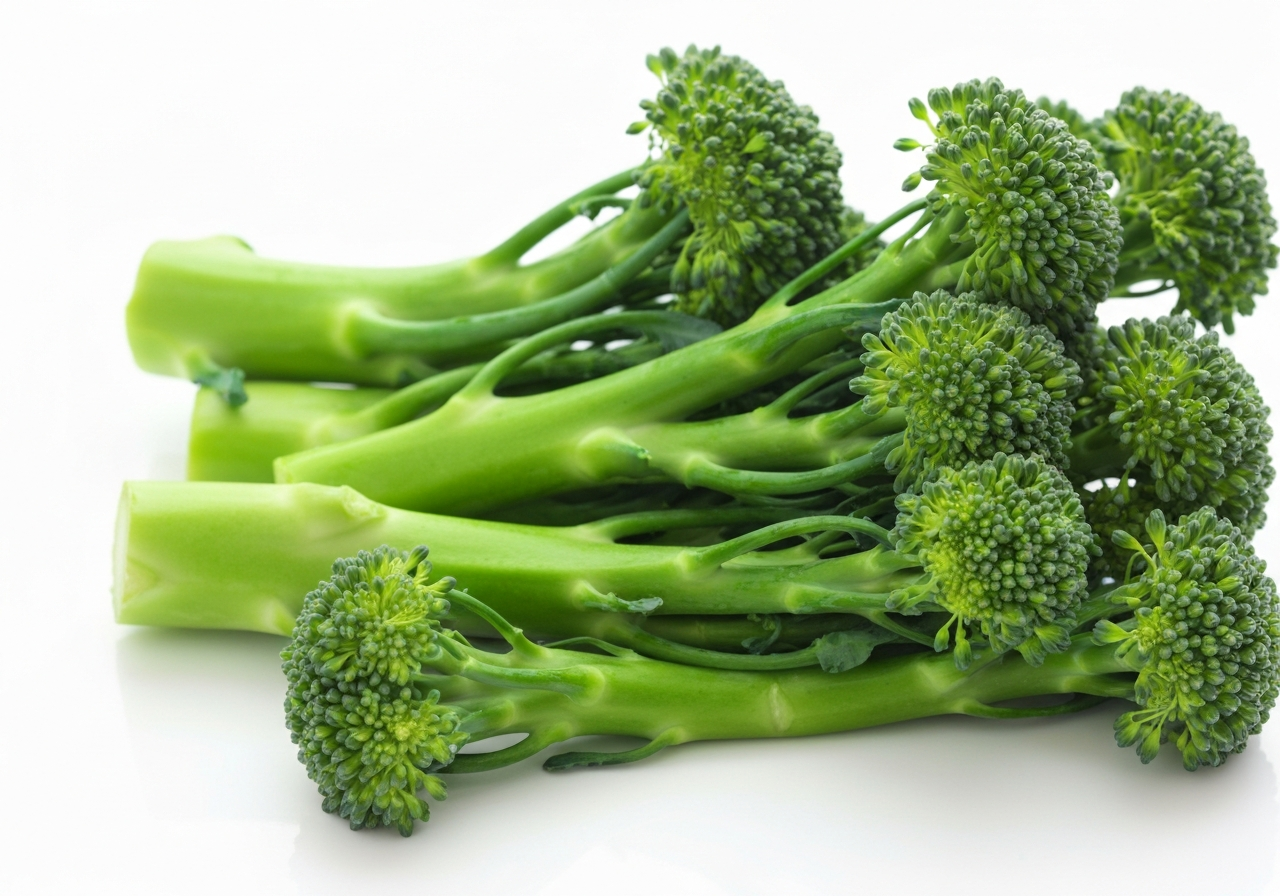
Broccolini is an excellent choice for almost everyone looking to enhance their diet with nutrient-dense vegetables. It's particularly beneficial for individuals focusing on weight management, those seeking to improve heart health, and anyone aiming to boost their antioxidant intake. Its milder taste can also make it a great option for picky eaters or those who find traditional broccoli too bitter.
When to Eat It
Broccolini can be enjoyed at any meal. It works wonderfully as a side dish for lunch or dinner, added to stir-fries, or even incorporated into lighter breakfast options. Its quick cooking time makes it ideal for fast weeknight meals.
How to Track Macros
For those committed to precision in their nutrition, effectively tracking broccolini macros is straightforward with a few key tips.
Portion Measurement Tips
Accuracy in macro tracking begins with accurate portion measurement. We recommend using a digital food scale to weigh your broccolini. A standard serving size is typically 85-100 grams (about 3.5 ounces) of raw broccolini. This ensures you capture the exact calorie and macro values. If a scale isn't available, a visual estimation of about 1 cup of cooked broccolini can serve as a rough guide.
Using Macro Tracking Apps
Apps like JustMacrosFit are invaluable tools for tracking your intake. Simply search for "broccolini, raw" or "broccolini, cooked" within the app's database. Enter the measured weight, and the app will automatically calculate the calories, carbohydrates, protein, and fat, helping you seamlessly integrate broccolini into your daily macro goals. Some apps may even differentiate between raw and roasted broccolini, so pay attention to the preparation method for the most accurate tracking.
Common Serving Sizes
- Small Serving (approx. 85g): Around 30-35 calories, 5-6g carbs, 3g protein, negligible fat.
- Standard Serving (approx. 100g): Around 35-41 calories, 6-7g carbs, 3.5g protein, negligible fat.
- Larger Serving (approx. 1 cup cooked, ~150g): Approximately 50-60 calories, 9-10g carbs, 5g protein, minimal fat.
Meal Ideas & Preparation
As a veteran nutrition coach and chef, I find broccolini to be one of the most versatile and delicious vegetables to work with. Its tender stems and mild, sweet flavor make it incredibly adaptable to various cuisines and cooking methods.
Breakfast, Lunch, Dinner Ideas
- Breakfast: Lightly sautéed broccolini can be a fantastic addition to an egg scramble or omelet, providing fiber and micronutrients to start your day. We also love adding finely chopped, blanched broccolini to a breakfast hash with sweet potatoes.
- Lunch: Toss roasted or steamed broccolini into a vibrant salad with grilled chicken or chickpeas, a light vinaigrette, and some quinoa for a balanced macro meal. It also pairs wonderfully in a whole-wheat pasta salad.
- Dinner: Broccolini shines as a side dish for almost any protein. Try it roasted alongside salmon, sautéed with garlic and chili flakes with a lean steak, or stir-fried into an Asian-inspired dish with tofu or shrimp.
Meal Prep Tips
Broccolini is excellent for meal prepping. You can blanch it slightly and then store it in an airtight container in the refrigerator for 3-4 days, ready to be quickly added to meals throughout the week. For longer storage, blanch and then freeze it. Roasted broccolini also reheats well, making it a convenient component for packed lunches.
Cooking Methods That Preserve Nutrients
How you cook your broccolini can impact its nutrient retention, especially for heat-sensitive vitamins and beneficial compounds like sulforaphane.
- Steaming: This is a gentle method that preserves most of the vitamins, minerals, and natural flavors. Steam broccolini for 4-6 minutes until bright green and tender-crisp.
- Sautéing/Stir-frying: Quick sautéing over medium-high heat with a little olive oil can create a slight char while maintaining some crunch and nutrients. For optimal sulforaphane retention, chopping the broccolini and letting it sit for 90 minutes before a quick stir-fry (about 4 minutes) has been shown to be effective.
- Roasting: Roasting at higher temperatures (around 400°F/200°C) for 10-12 minutes can bring out broccolini's natural sweetness and a smoky flavor.
We advise against boiling for extended periods, as it can lead to significant nutrient loss. If blanching, do so briefly (1-2 minutes) and then immediately cool in ice water to stop the cooking process.
For Weight Loss
When it comes to weight loss, broccolini is undeniably a champion vegetable.
Why It's Good for Weight Loss
Broccolini is a low-calorie, high-fiber powerhouse, making it an ideal food for anyone on a weight loss journey. Its high fiber content contributes to satiety, helping you feel fuller for longer and reducing the urge to snack excessively. This makes it easier to maintain a caloric deficit, which is essential for shedding pounds. Furthermore, it's a non-starchy vegetable, meaning you can enjoy a generous serving without consuming excessive carbohydrates.
Portion Recommendations
We recommend aiming for at least 1-2 cups of cooked broccolini per meal, especially as part of a low-calorie, nutrient-dense diet. This portion provides substantial fiber and micronutrients for very few calories, helping you stay full and nourished.
Pairing Suggestions
Pair broccolini with lean proteins such as grilled chicken breast, baked fish, or tofu to create satisfying, low-calorie meals. Add a healthy fat like a drizzle of olive oil or a sprinkle of nuts for improved nutrient absorption and prolonged satiety. Its mild flavor makes it adaptable to many weight-loss friendly recipes.
For Muscle Gain
While typically not considered a primary protein source, broccolini still plays a valuable role in a muscle-building diet.
Protein Content Benefits
With approximately 3.5 grams of protein per 100 grams, broccolini offers a decent plant-based protein contribution for a vegetable. While not as protein-dense as meats or legumes, it provides amino acids necessary for muscle repair and growth. Importantly, it delivers this protein with very few calories, allowing you to increase your protein intake without consuming excessive calories, which is crucial for building lean muscle.
Pre/Post Workout Timing
Broccolini's rich nutrient profile, including vitamin C and magnesium, can aid in muscle recovery and overall bodily function, making it beneficial to consume regularly. We suggest including broccolini as part of your main meals, whether pre- or post-workout, to ensure a steady supply of vitamins, minerals, and fiber. Its relatively low carbohydrate content means it won't cause a significant insulin spike, which can be desirable for some pre-workout strategies.
Bulking Meal Ideas
When bulking, you need to ensure a caloric surplus with adequate protein and carbohydrates. Incorporate large servings of roasted broccolini into dishes like:
- Hearty Stir-fries: Combine broccolini with ample lean protein (chicken, beef, tempeh), brown rice or quinoa, and a flavorful sauce.
- Pasta Dishes: Mix sautéed broccolini into whole-wheat pasta with a protein-rich sauce, lean ground meat, or lentils.
- Sheet Pan Meals: Roast broccolini with chicken thighs, sweet potatoes, and a good amount of olive oil for an easy, calorie-dense, and nutrient-rich meal.
Comparisons
Understanding how broccolini stacks up against similar vegetables can help you make informed choices for your diet.
vs. Similar Foods
- Broccolini vs. Broccoli: Both are cruciferous powerhouses. Broccolini has a milder, sweeter taste and more delicate, edible stems than broccoli, which has a bolder, sometimes bitter flavor and thicker stalks. Nutritionally, they are very similar, but broccolini often has significantly more vitamin A, while broccoli can contain close to twice as much vitamin C and slightly more iron and potassium. Broccoli also tends to have slightly more fiber and protein per 100g in some comparisons.
- Broccolini vs. Chinese Kale (Gai Lan): Broccolini is a hybrid of broccoli and Chinese kale. Chinese kale has dark green, crinkly leaves and long stems, often with a slightly bitter taste. Broccolini inherits some of the tenderness and slight bitterness from gai lan, balanced by the sweetness of broccoli.
Best Alternatives
If broccolini isn't available or you're looking for variety, here are some excellent nutritional alternatives:
- Broccoli: The most obvious substitute, offering similar health benefits with a slightly different texture and taste profile.
- Cauliflower: A great alternative, especially if you prefer a milder flavor. Nutritionally comparable to broccoli, it offers vitamin C, fiber, and antioxidants.
- Asparagus: While not a cruciferous vegetable, its long, tender stalks offer a similar texture to broccolini and can be used in many of the same preparations.
- Brussels Sprouts: Another cruciferous vegetable, excellent roasted or shaved raw in salads, providing similar vitamins and antioxidants.
- Kale/Spinach: If you're focusing on leafy greens for nutrient density, kale and spinach are superb choices, packed with vitamins, minerals, and antioxidants.
When to Choose Each
- Choose Broccolini: When you desire a milder, sweeter flavor, tender texture, faster cooking time, or when you want to use the entire stem. It's excellent for elegant side dishes, quick sautés, or for those who find traditional broccoli too strong.
- Choose Broccoli: When budget is a primary concern, maximizing protein and fiber is a priority, or when a more robust flavor and sturdy texture are preferred for dishes like casseroles or blended soups.
- Choose Alternatives: For variety, specific flavor profiles (e.g., cauliflower's mildness, kale's earthiness), or when balancing your nutritional intake with different micronutrient profiles.
FAQs
Q1: Is broccolini a "superfood"?
A1: While the term "superfood" isn't scientific, broccolini's exceptional nutrient density, rich antioxidant profile, and potential health benefits certainly place it in the category of highly beneficial foods.
Q2: Is broccolini good for keto or low-carb diets?
A2: Yes, broccolini is suitable for keto and low-carb diets in moderation. With approximately 6-7 grams of total carbs and 3.7-5 grams of fiber per 100g, it provides only about 3-3.5 grams of net carbs, making it easy to fit into daily carb limits.
Q3: Can you eat broccolini raw?
A3: Broccolini can be eaten raw, but its texture is generally softer and more appealing when cooked. The stems, leaves, and florets are all edible.
Q4: How should I store fresh broccolini?
A4: Store fresh broccolini in a perforated plastic bag in the crisper drawer of your refrigerator. It is best consumed within 3-5 days of purchase.
Q5: Does cooking broccolini destroy its nutrients?
A5: While some heat-sensitive nutrients, like certain vitamins, can be reduced with cooking, methods like steaming, quick sautéing, or stir-frying can preserve most of broccolini's nutritional value. Boiling for long periods is generally not recommended as it can leach out more nutrients.
Q6: Is broccolini good for gut health?
A6: Absolutely. Broccolini's high fiber content promotes healthy digestion, supports gut regularity, and feeds beneficial gut bacteria, all contributing to overall gut health.
Q7: Can broccolini cause bloating?
A7: Like other cruciferous vegetables, broccolini contains raffinose, a complex sugar that can lead to gas or bloating for some individuals, especially when consumed in large quantities. If you are sensitive, start with smaller portions and cook it thoroughly.
Track Broccolini easily with JustMacrosFit - your free macro tracking app.