Broccoli Rabe: Complete Macros & Nutrition Guide
Complete macro and nutrition guide for Broccoli Rabe. Learn calories, protein, carbs, fat per serving plus meal ideas and tracking tips.
Table of Contents
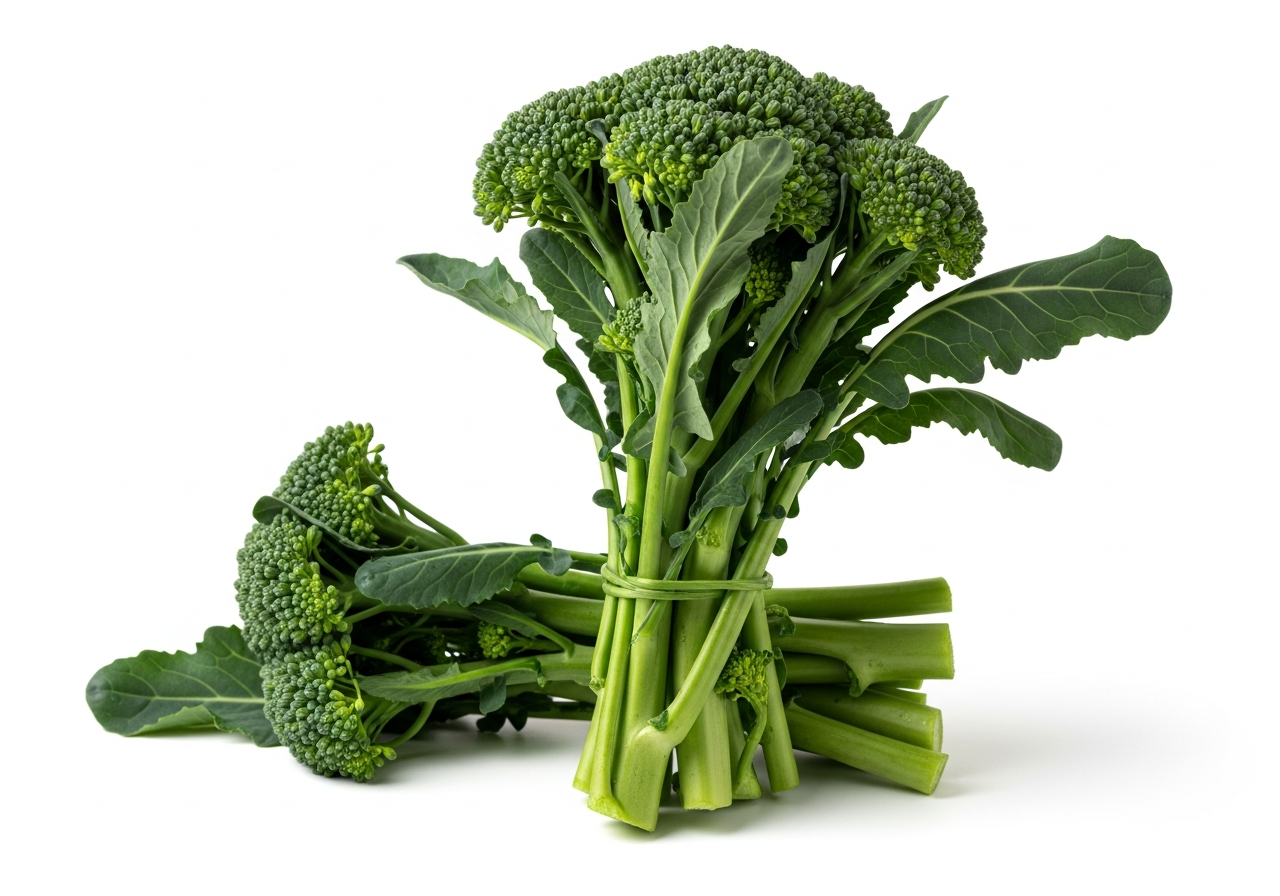
Broccoli Rabe Macros: Complete Nutrition Guide
As nutrition coaches and culinary experts here at JustMacrosFit, we're constantly on the lookout for nutrient-dense powerhouses that can elevate your diet without derailing your macro goals. Broccoli rabe, or rapini as it's often called, is one such vegetable that deserves a prime spot on your plate. With its distinctive, slightly bitter flavor and impressive nutritional profile, this cruciferous green offers a wealth of benefits for anyone focused on health, fitness, and mindful eating.
Quick Answer
Per 100 grams, raw broccoli rabe typically provides around 22-25 calories, with approximately 3 grams of protein, 3 grams of carbohydrates (including about 3 grams of fiber), and less than 1 gram of fat. It stands out as an exceptional source of vitamins K, C, and A, alongside vital minerals.
Detailed Nutrition Facts
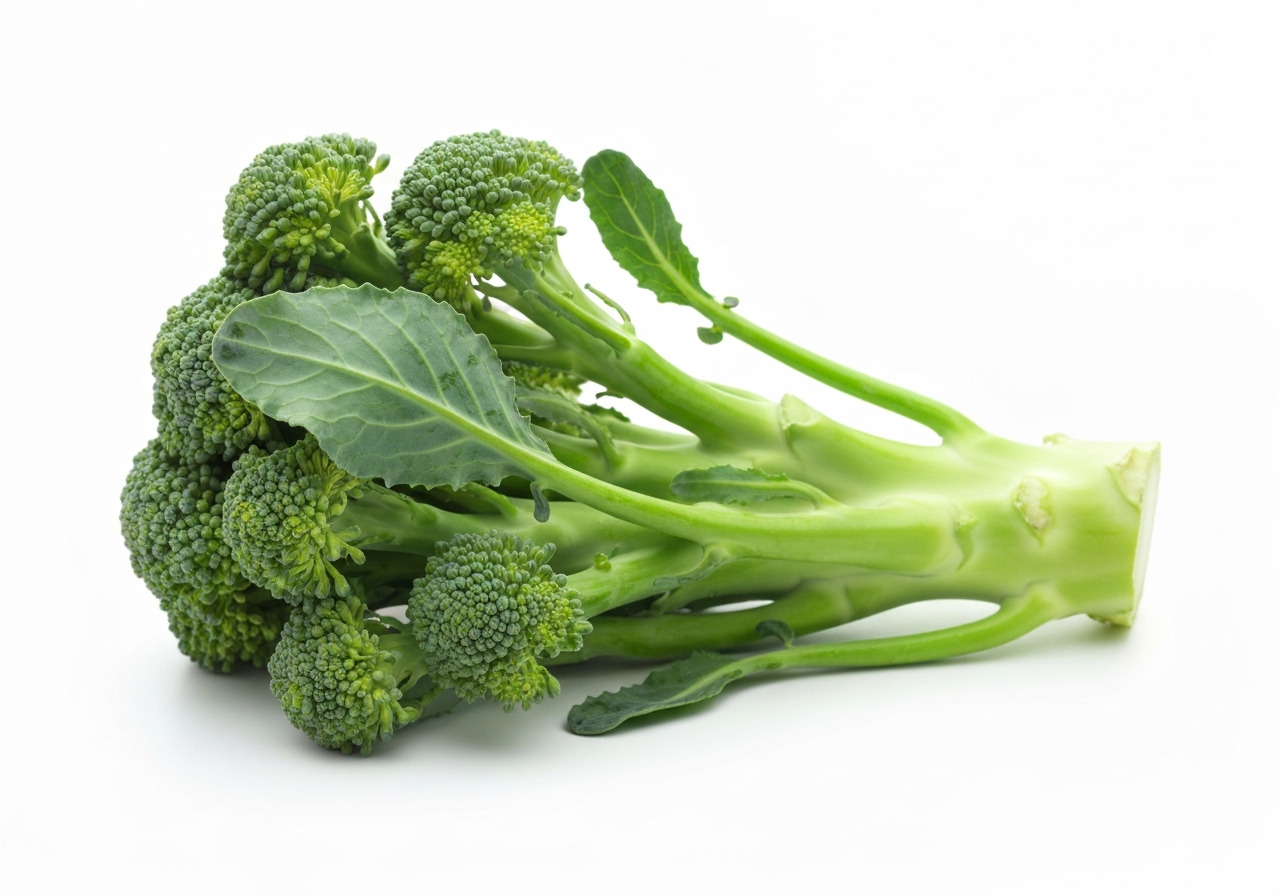
Broccoli rabe is more than just a culinary delight; it's a nutritional goldmine. Its macro breakdown makes it an ideal food for various dietary approaches, from low-carb to high-fiber.
A 100-gram serving of raw broccoli rabe offers:
* Calories: Approximately 22-25 kcal. Cooked, this can increase slightly, with a cup (about 170g boiled) containing around 42 calories, or 100g cooked having about 33 calories.
* Protein: Around 3-3.2 grams.
* Carbohydrates: Roughly 2.85-3 grams.
* Fiber: An impressive 2.7-3 grams, contributing significantly to its health benefits.
* Sugars: Very low, typically less than 1 gram (around 0.38-0.4g).
* Fat: A minimal 0.49-0.5 grams, with virtually no saturated fat.
Beyond the macros, broccoli rabe is brimming with essential micronutrients:
* Vitamins:
* > Vitamin K: A true standout, providing over 187% of the Daily Value (DV) per 100g raw, crucial for bone health and blood clotting. Cooked, it can reach over 213% of the DV.
* Vitamin A: Offers around 15-25% of the DV per 100g, vital for vision and immune function.
* Vitamin C: Supplies approximately 22% of the DV per 100g raw, acting as a powerful antioxidant and immune booster. Cooked, it can still provide significant amounts.
* Folate (Vitamin B9): Delivers about 21-30% of the DV, essential for cell growth and particularly important during pregnancy.
* Other B vitamins like thiamine, riboflavin, niacin, and B6 are also present in moderate amounts.
* Minerals:
* Calcium: Provides around 11% of the DV per 100g raw, supporting bone health.
* Iron: Contributes about 12-27% of the DV, important for oxygen transport.
* Potassium: Offers around 4-10% of the DV, vital for blood pressure regulation.
* Magnesium: Supplies about 5-19% of the DV, involved in energy production and muscle function.
* Zinc, manganese, and selenium are also present.
A common serving size for cooked broccoli rabe is 1 cup (approximately 170 grams), which would roughly double the nutrient content compared to the 100g raw values, adjusted for any cooking-related nutrient loss or concentration due to water reduction.
When we compare it to similar foods, broccoli rabe shines. While spinach might have higher iron and magnesium in some contexts, broccoli rabe often surpasses it in calcium and Vitamin K content. It also boasts a higher protein content than regular broccoli in similar quantities. Its unique composition, especially its glucosinolates, sets it apart.
Health Benefits
Broccoli rabe is more than just a culinary ingredient; it's a functional food that brings a spectrum of health benefits to your plate. Its dense nutritional profile translates into tangible advantages for overall well-being.
- Immune System Support: Loaded with Vitamin C and Vitamin A, broccoli rabe acts as a formidable ally for your immune system. These vitamins are powerful antioxidants that help neutralize free radicals, reduce inflammation, and protect against cellular damage, thereby enhancing your body's defense mechanisms against illness.
- Bone Health & Strength: With its exceptionally high Vitamin K content, along with calcium and magnesium, broccoli rabe is a champion for strong bones. Vitamin K is crucial for bone mineralization and has been linked to increased bone mineral density and reduced fracture rates. This makes it particularly beneficial for maintaining skeletal integrity as we age.
- Digestive Health & Weight Management: The significant dietary fiber content in broccoli rabe promotes healthy digestion, aids in regularity, and supports a thriving gut microbiome. This fiber also contributes to satiety, helping you feel fuller for longer, which can be instrumental in managing appetite and supporting weight loss efforts. Its low-calorie and high-water content further enhance its role in weight management.
- Cancer Prevention: As a member of the cruciferous vegetable family, broccoli rabe is rich in glucosinolates, sulfur-containing compounds responsible for its characteristic bitter taste. During digestion, these compounds break down into biologically active substances like isothiocyanates and indoles, which are widely recognized for their potential anticancer properties and ability to prevent the development of cancer-causing cells.
- Cardiovascular Health: The soluble fiber in broccoli rabe helps to trap dietary fat and cholesterol, removing it from the body and supporting improved cardiovascular health by reducing inflammatory processes. Its potassium content also plays a role in regulating blood pressure.
- Maternal Health & Fetal Development: Broccoli rabe is a rich source of folate (Vitamin B9), a critical nutrient for healthy new cell production. Adequate folate intake is particularly important for pregnant women to help prevent birth defects such as anencephaly and spina bifida.
Who should eat this food? Everyone looking to enrich their diet with nutrient-dense, low-calorie vegetables can benefit from broccoli rabe. It's particularly advantageous for individuals focused on weight management, bone health, immune support, and those seeking to incorporate more cancer-fighting foods into their diet.
When to eat it? Broccoli rabe is incredibly versatile. It can be enjoyed at any meal. As a side dish, it complements proteins and grains. Added to breakfast scrambles, lunch salads, or dinner entrees, it seamlessly integrates its nutritional punch throughout your day. Its high fiber content makes it a great addition to meals to promote satiety.
How to Track Macros
Accurately tracking your macros is key to achieving your fitness and health goals. While leafy greens like broccoli rabe are generally low in calories and fat, precise measurement ensures you're hitting your targets consistently.
-
Portion Measurement Tips:
- Use a Food Scale: For the most accurate macro tracking, a digital food scale is your best friend. Weigh raw broccoli rabe before cooking. For cooked broccoli rabe, weigh it after preparation. Common measurements for raw broccoli rabe are typically by the bunch or by weight (grams/ounces). Cooked, it often shrinks significantly, so measuring by volume (cups) can be less precise than by weight.
- Volume Measurement (Cooked): While weighing is preferred, if measuring by volume, be aware that a "cup" of cooked broccoli rabe can vary depending on how tightly it's packed. A general guideline is that 1 cup of boiled broccoli rabe is approximately 170 grams.
- Be Mindful of Cooking Additions: The calories and macros of broccoli rabe itself are low, but the oils, sauces, and other ingredients used during cooking can significantly alter the final nutritional profile. Always account for these additions when tracking. For instance, one tablespoon of olive oil adds around 120 calories and 14 grams of fat, which can triple the calorie total of a bunch of broccoli rabe.
-
Using Macro Tracking Apps:
- Dedicated macro tracking apps, like JustMacrosFit, simplify the process immensely. You can search for "broccoli rabe raw" or "broccoli rabe cooked" and input the weight or estimated volume.
- Many apps allow you to log custom recipes. If you prepare a large batch of sautéed broccoli rabe, enter all ingredients (broccoli rabe, oil, garlic, etc.) into a recipe builder. The app will then calculate the macros per serving, making future tracking effortless.
- Pay attention to whether the app's database specifies "raw" or "cooked" to ensure accuracy. If you're using a generic "broccoli rabe" entry, cross-reference with a reliable source like the USDA to confirm the state (raw vs. cooked) and typical serving size.
-
Common Serving Sizes:
- A typical serving of raw broccoli rabe might be 100 grams (about 22-25 calories).
- A common serving of cooked broccoli rabe is often considered 1 cup, which can range from 85g to 170g, with calories varying from approximately 21 to 42 kcal depending on preparation. For a full cooked bunch (roughly 15 oz or 425g), calories could range from 75 to 144, depending on the cooking method and added fats.
Meal Ideas & Preparation
As veteran nutrition coaches and chefs, we know that variety and deliciousness are just as important as nutritional value. Broccoli rabe, with its slightly bitter, earthy, and nutty flavor, is a remarkably versatile ingredient that can elevate any meal. The key is often in the preparation, which can mellow its bitterness and bring out its best qualities.
- Breakfast Ideas:
- Broccoli Rabe Scramble/Frittata: Sauté chopped broccoli rabe with garlic and add it to your morning eggs for a nutrient-packed start. It pairs exceptionally well with eggs.
- Savory Oatmeal Bowl: Stir finely chopped, sautéed broccoli rabe into savory oatmeal, topped with a poached egg and a sprinkle of Parmesan.
- Lunch Ideas:
- Warm Broccoli Rabe & White Bean Salad: Toss blanched or sautéed broccoli rabe with cannellini beans, cherry tomatoes, a lemon-garlic vinaigrette, and a lean protein like grilled chicken or tuna.
- Broccoli Rabe & Provolone Sandwich: A classic Italian staple, perfect on a crusty roll with melted provolone cheese.
- Add to Soups or Stews: Stir in chopped broccoli rabe during the last few minutes of cooking for an added nutritional boost and texture.
- Dinner Ideas:
- Orecchiette with Broccoli Rabe and Sausage: This is a quintessential Italian dish where the bitterness of the rabe beautifully balances the richness of the sausage and pasta.
- Roasted Broccoli Rabe with Lemon and Chili: A simple yet elegant side dish. Toss with olive oil, minced garlic, red pepper flakes, and roast until tender-crisp. Finish with a squeeze of fresh lemon juice.
- Broccoli Rabe Pesto: Blend blanched broccoli rabe with pine nuts, garlic, Parmesan, and olive oil for a vibrant pesto to toss with pasta or spread on crostini.
- Pizza Topping: A fantastic addition to homemade pizzas, offering a unique flavor profile.
- Meal Prep Tips:
- Blanching for Convenience: Quickly blanching broccoli rabe in boiling salted water for 20 seconds to 2 minutes, then shocking it in ice water, can reduce its bitterness and tenderize it, making it ready for quick sautéing or adding to dishes later in the week. Drain and squeeze out excess water, then store in an airtight container in the fridge for 3-5 days.
- Pre-chop: Wash and chop broccoli rabe ahead of time to streamline meal preparation. Store unwashed in a plastic bag in the refrigerator to keep fresh for 3-5 days.
- Cooking Methods that Preserve Nutrients:
- While boiling can lead to some loss of water-soluble vitamins like Vitamin C, blanching quickly or steaming are excellent methods to preserve nutrients while mellowing bitterness.
- Sautéing: This is one of the most common and effective methods. Using minimal olive oil can even improve the absorption of fat-soluble vitamins (A, E, K).
- Roasting: High-heat roasting can create a delicious, slightly crispy texture while retaining many nutrients.
- Microwaving: Placing chopped broccoli rabe with a quarter cup of water in a microwave-safe dish and cooking for 3-5 minutes can also be an efficient way to cook it.
For Weight Loss
For those of us on a weight loss journey, broccoli rabe is truly a star player. Its nutritional composition aligns perfectly with the principles of effective and sustainable fat loss.
- Why it's Good for Weight Loss:
- Low in Calories, High in Volume: A significant advantage of broccoli rabe is its remarkably low-calorie density. At just 22-25 calories per 100 grams, you can enjoy substantial portions, filling your plate and stomach without consuming excessive calories. This high water volume (around 93%) contributes to feelings of fullness.
- Rich in Dietary Fiber: The high fiber content (about 3g per 100g) is crucial for weight management. Fiber adds bulk to meals, aids in digestion, and, most importantly, promotes satiety. Feeling full helps curb overeating and reduces cravings for less healthy, calorically dense foods.
- Nutrient Density: When restricting calories, it's vital to maximize nutrient intake. Broccoli rabe delivers an abundance of vitamins, minerals, and antioxidants for very few calories, ensuring your body receives essential micronutrients even in a deficit. This helps prevent nutrient deficiencies that can sometimes occur on restrictive diets.
- Portion Recommendations:
- Due to its low-calorie nature, you can be quite generous with broccoli rabe portions. We recommend aiming for at least 1-2 cups (cooked) per meal as a significant vegetable component. If you're looking to truly fill up, a cooked bunch (around 15 oz or 425g) can provide around 75-144 calories, depending on cooking fat, alongside substantial fiber and nutrients.
- Always factor in any added oils or fats, as these can quickly increase the calorie count. Opt for dry-heat cooking methods or minimal healthy fats for the best weight loss benefits.
- Pairing Suggestions:
- Pair broccoli rabe with lean protein sources like grilled chicken breast, fish, or tofu to create a satisfying and macro-friendly meal. The protein and fiber combination will enhance satiety.
- Combine it with complex carbohydrates like quinoa, brown rice, or whole wheat pasta (in moderation for calorie control) for balanced energy.
- Add it to omelets or frittatas to boost vegetable intake at breakfast or brunch without adding many calories.
For Muscle Gain
While broccoli rabe might not be the first food that comes to mind for muscle gain, it plays a vital supporting role in a bulking diet, contributing essential micronutrients and a surprising amount of plant-based protein for a leafy green.
- Protein Content Benefits:
- Broccoli rabe offers approximately 3-3.8 grams of protein per 100 grams, which is quite notable for a green vegetable. A typical 8-ounce (about 226g) serving of cooked broccoli rabe can provide around 9 grams of protein, meaning a significant percentage of its calories come from protein. This makes it an excellent addition to boost your overall daily protein intake, especially for those relying heavily on plant-based sources.
- The protein in broccoli rabe, combined with its amino acid profile, contributes to muscle repair and growth, especially when consumed as part of a varied diet with other protein sources.
- Pre/Post Workout Timing:
- Pre-workout: Given its fiber content, consuming large amounts of broccoli rabe immediately before an intense workout might not be ideal for everyone, as fiber can slow digestion. However, a moderate portion as part of a balanced meal a few hours before training can provide sustained energy through its complex carbohydrates and micronutrients.
- Post-workout: After a workout, the focus is on replenishing glycogen stores and repairing muscle tissue. Broccoli rabe's protein and rich array of vitamins and minerals, particularly Vitamin C (for collagen synthesis and reducing oxidative stress) and potassium (for electrolyte balance), make it a valuable component of a recovery meal.
- Bulking Meal Ideas:
- Pasta Dishes with Added Protein: Integrate sautéed broccoli rabe into pasta dishes alongside chicken, lean ground beef, or Italian sausage. The bitterness of the rabe cuts through the richness, and the added volume helps create a more filling meal without excessive fat.
- Power Bowls: Create robust power bowls with a base of quinoa or brown rice, a generous serving of sautéed or roasted broccoli rabe, a substantial protein source (e.g., steak, salmon, tempeh), and a healthy fat dressing.
- Stuffed Chicken or Pork: Chop and mix cooked broccoli rabe with ricotta cheese, herbs, and breadcrumbs, then use it as a flavorful stuffing for chicken breasts or pork tenderloin.
- Frittatas and Omelets: For a protein-rich breakfast or dinner, a frittata packed with eggs, cheese, and a generous amount of broccoli rabe can support muscle-building goals.
Comparisons
Understanding how broccoli rabe stacks up against other popular greens can help you make informed dietary choices for your specific needs and preferences.
- vs. Similar Foods (Broccoli and Spinach):
- Broccoli Rabe vs. Broccoli: While they share a name, they are distinct. Broccoli rabe is more closely related to turnips and mustard greens than conventional broccoli. Nutritionally, broccoli rabe typically offers more protein per calorie and significantly more Vitamin K. Broccoli, however, can sometimes be higher in Vitamin C and certain B vitamins. Flavor-wise, broccoli rabe has a more pronounced bitter and pungent taste compared to the milder, slightly sweeter broccoli.
- Broccoli Rabe vs. Spinach: Both are incredibly nutrient-dense leafy greens. Broccoli rabe tends to be higher in Vitamin K and calcium. Spinach, on the other hand, often contains more iron, magnesium, and folate. Both are low in calories and excellent sources of Vitamin A. The choice between them often comes down to specific micronutrient targets and taste preference.
- Best Alternatives:
- If broccoli rabe isn't available or if you prefer a milder flavor, Broccolini is a good alternative, offering a similar appearance but a sweeter, less bitter taste.
- Kale or Collard Greens can substitute for the robust, slightly bitter flavor and cruciferous benefits, though their textures differ.
- Mustard Greens or Turnip Greens are also related and share some of the bitter, peppery notes and nutrient profiles.
- When to Choose Each:
- Choose Broccoli Rabe when: You're looking for a low-calorie, high-fiber, and high-Vitamin K option with a unique, assertive, slightly bitter flavor to balance richer dishes. It's excellent for Italian-inspired meals or when you want a strong green presence.
- Choose Broccoli when: You prefer a milder, slightly sweeter cruciferous vegetable, particularly for its Vitamin C and diverse nutrient profile.
- Choose Spinach when: You prioritize iron and magnesium intake, prefer a very quick-cooking green, or want a milder flavor that integrates easily into salads and smoothies.
We advocate for incorporating a variety of greens into your diet to ensure a broad spectrum of nutrients. Don't limit yourself to just one!
FAQs
Here are some common questions we hear about broccoli rabe, focusing on its macros, cooking, and storage.
1. Is broccoli rabe good for a low-carb or keto diet?
Absolutely. Broccoli rabe is very low in net carbohydrates (total carbs minus fiber), making it an excellent choice for low-carb and ketogenic diets. A 100g serving has only about 0.2-0.3 grams of net carbs.
2. How do I reduce the bitterness of broccoli rabe?
Blanching is the most common and effective method to mellow broccoli rabe's natural bitterness. Quickly boiling it for 20 seconds to 2 minutes, then shocking it in ice water, can significantly reduce the bitter notes. Sautéing with garlic and olive oil, and adding a squeeze of lemon juice at the end, also helps balance the flavor.
3. Can I eat broccoli rabe raw?
While technically edible raw, broccoli rabe has a more pronounced bitter taste when uncooked, which many find unpalatable. It is typically enjoyed cooked, often sautéed or blanched, to improve its texture and flavor.
4. What is a standard serving size for broccoli rabe?
A standard serving size for cooked broccoli rabe is often considered 1 cup, which can range from 85g to 170g depending on preparation, providing approximately 21-42 calories. For raw, 100 grams (about 22-25 calories) is a common reference.
5. How should I store fresh broccoli rabe?
To maximize freshness, store unwashed broccoli rabe in a plastic bag in the refrigerator's crisper drawer. It will typically keep well for 3 to 5 days. Wash it thoroughly just before you are ready to use it.
6. Does cooking affect the nutritional value of broccoli rabe?
Cooking methods can slightly impact nutrient content. While prolonged boiling can lead to some loss of water-soluble vitamins like Vitamin C, steaming, quick blanching, sautéing, and roasting generally preserve most nutrients well. In fact, sautéing with a little healthy fat can enhance the absorption of fat-soluble vitamins like A and K.
7. Is broccoli rabe a good source of protein for vegetarians/vegans?
Yes, for a leafy green, broccoli rabe is a surprisingly good source of plant-based protein, offering around 3-3.8 grams per 100g. While not a complete protein on its own, it contributes significantly to the daily protein intake for vegetarians and vegans, especially when combined with other protein-rich plant foods.
Track Broccoli Rabe easily with JustMacrosFit - your free macro tracking app.