Salmon Croquettes: Complete Macros & Nutrition Guide
Complete macro and nutrition guide for Salmon Croquettes. Learn calories, protein, carbs, fat per serving plus meal ideas and tracking tips.
Table of Contents
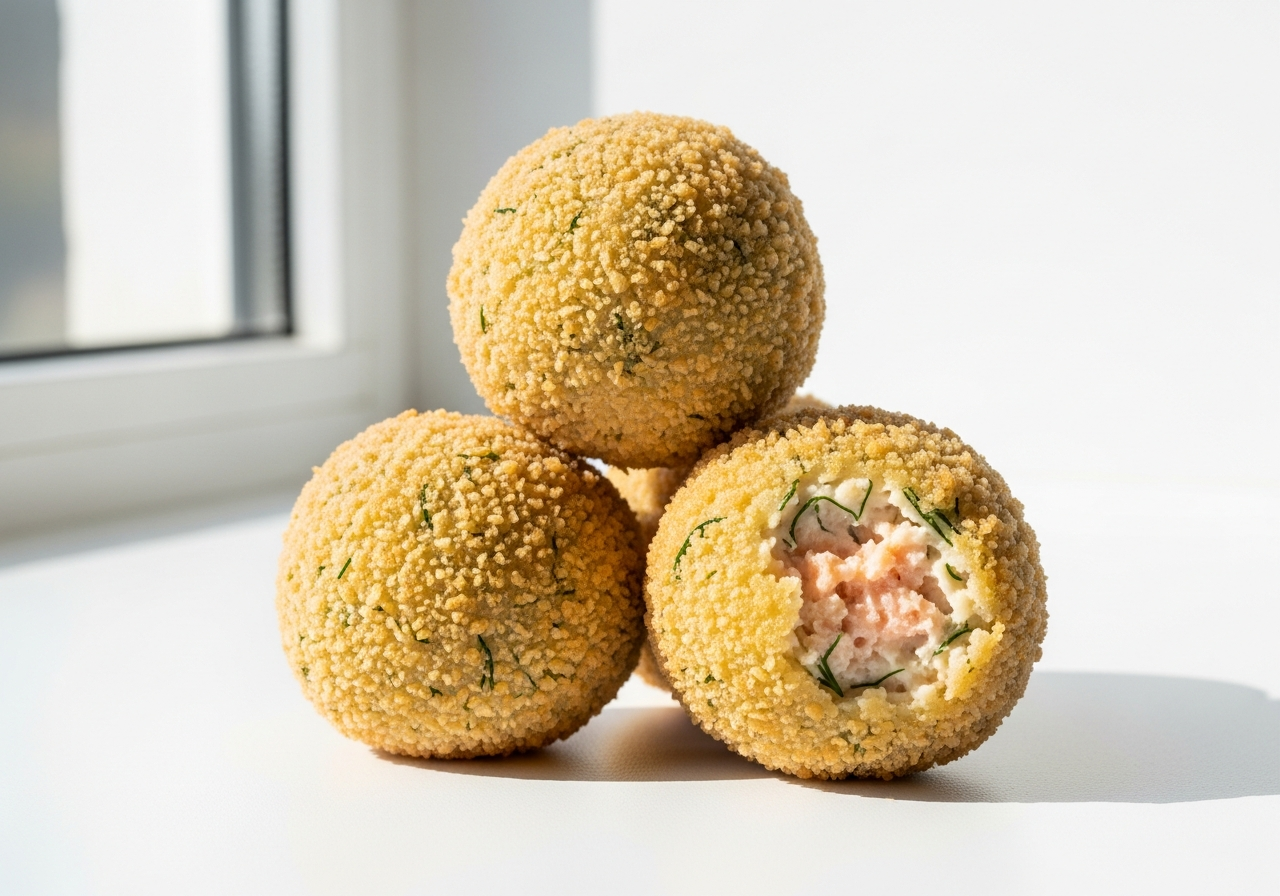
Salmon Croquettes Macros: Complete Nutrition Guide
As culinary experts and nutrition coaches at JustMacrosFit, we understand that every bite counts when you're focused on your health and fitness goals. Salmon croquettes, a beloved comfort food, often spark questions about their nutritional value. Are they a macro-friendly choice? We're here to break down everything you need to know about salmon croquettes, from their precise macro profiles to how they fit into diverse dietary plans.
Quick Answer
Salmon croquettes offer a balanced macro profile, generally providing a good source of protein and healthy fats. A typical 100-gram serving can contain approximately 180-250 calories, with protein ranging from 12-20 grams, fat from 10-16 grams, and carbohydrates from 8-12 grams, depending heavily on preparation methods and added ingredients. They are also notably rich in essential omega-3 fatty acids and Vitamin D.
Detailed Nutrition Facts
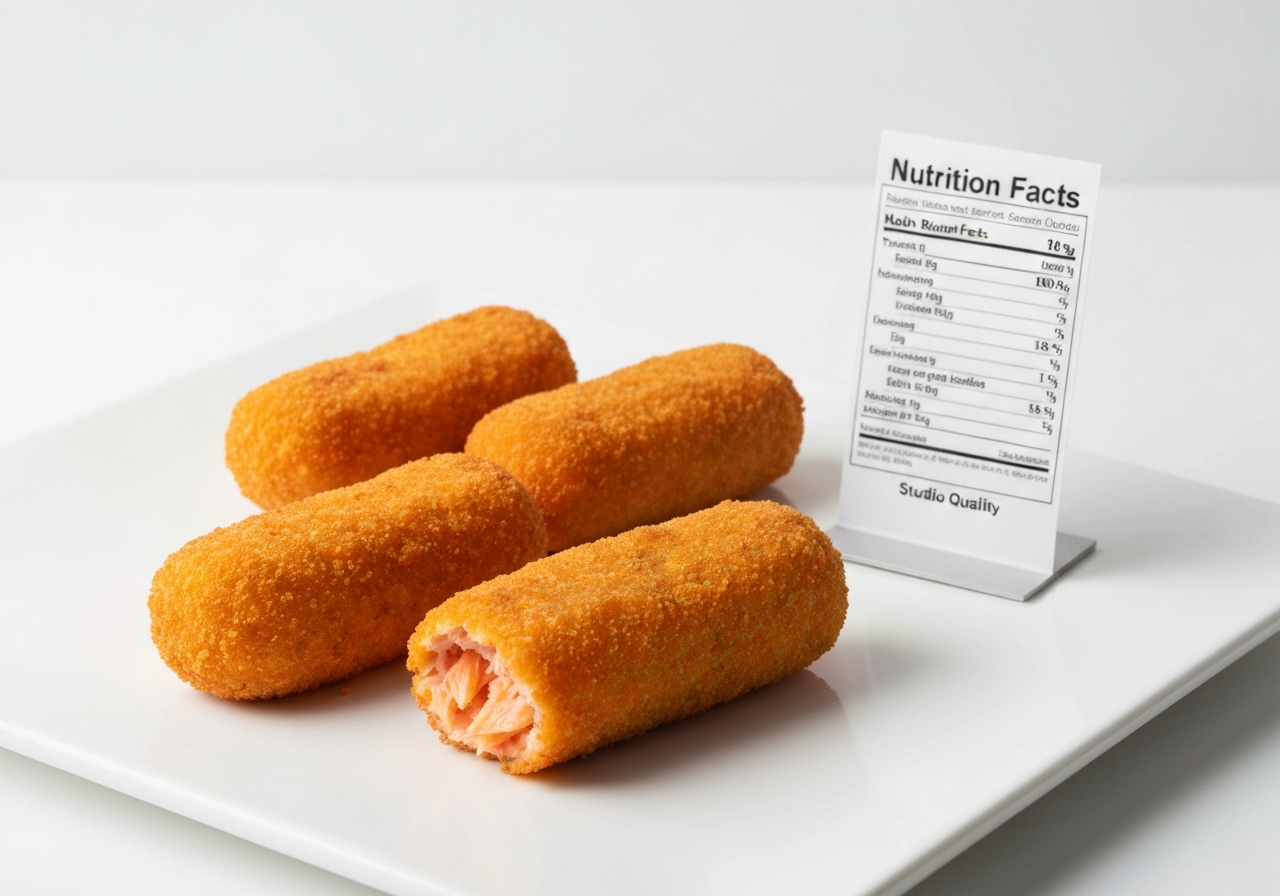
When we delve into the comprehensive nutrition of salmon croquettes, it's crucial to acknowledge that recipes vary widely. Our analysis provides a general overview, noting that factors like the type of salmon (fresh vs. canned), binders (breadcrumbs, flour, mashed potatoes), and cooking fat significantly influence the final nutritional output.
For a common serving size of about 2 medium-sized salmon croquettes, equating to roughly 80-100 grams, you can expect the following estimated macronutrient breakdown:
- Calories: 180-250 kcal
- Protein: 12-20 grams
- Total Fat: 10-16 grams
- Saturated Fat: 2-4 grams
- Polyunsaturated Fat (including Omega-3s): 2-5 grams
- Monounsaturated Fat: 2-4 grams
- Total Carbohydrates: 8-12 grams
- Dietary Fiber: 1-2 grams
- Sugars: 1-2 grams
Beyond the macros, salmon croquettes are a treasure trove of essential micronutrients, primarily owing to their salmon base.
Hero Nutrients:
* Omega-3 Fatty Acids (EPA & DHA): Salmon is an excellent source of these heart-healthy fats, vital for brain function, reducing inflammation, and cardiovascular health. A serving can provide between 500mg to over 1000mg, depending on the salmon type and portion.
* Vitamin D: Often referred to as the "sunshine vitamin," Vitamin D is crucial for bone health and immune system function. Salmon is one of the few natural food sources.
* Vitamin B12: Essential for nerve function and red blood cell production, salmon croquettes provide a significant portion of your daily requirement.
* Selenium: This mineral acts as an antioxidant, supporting thyroid function and protecting cells from damage.
* Potassium: Important for blood pressure regulation and fluid balance.
* Calcium: If canned salmon with bones is used, the croquettes can be a good source of calcium, contributing to bone strength.
Serving size is a key consideration. A typical serving might be 2 medium patties, but recipes can yield smaller appetizer-sized croquettes or larger main-course patties. We always recommend understanding the specific ingredients and portion sizes of your chosen recipe or meal.
When compared to a plain salmon fillet, croquettes typically have slightly higher carbohydrate and calorie counts due to the added binders and often the oil used for frying. However, they retain most of the beneficial nutrients of salmon itself.
Health Benefits
The nutritional powerhouse that is salmon forms the foundation of these croquettes, imparting a wealth of health benefits that extend far beyond simple macro counting.
- Heart Health: The most prominent benefit comes from the high concentration of omega-3 fatty acids, specifically EPA and DHA. These essential fats are known to reduce inflammation, lower triglyceride levels, maintain healthy blood pressure, and improve overall cardiovascular health, significantly lowering the risk of heart attacks and strokes.
- Muscle Building and Repair: Salmon is an excellent source of high-quality, complete protein, providing all essential amino acids necessary for muscle synthesis, repair, and growth. This makes salmon croquettes a fantastic option for athletes and individuals looking to maintain or increase muscle mass.
- Brain Function: The omega-3s, particularly DHA, are crucial for brain health and cognitive function, supporting memory and learning. Regular consumption of salmon can contribute to improved mood and a lower risk of cognitive decline.
- Bone Health: With significant amounts of Vitamin D and, if made with canned salmon including bones, calcium, salmon croquettes support strong bones and help prevent conditions like osteoporosis. Vitamin D is vital for calcium absorption.
- Immune System Support: The combination of Vitamin D, selenium, and B vitamins found in salmon croquettes plays a crucial role in bolstering the immune system, helping your body defend against illness.
Who should eat this food: Salmon croquettes are a versatile and beneficial meal for almost anyone. They are particularly advantageous for individuals focused on:
* Improving heart health.
* Increasing protein intake for muscle development or satiety.
* Supporting brain health and cognitive function.
* Pregnant individuals, as omega-3s are critical for fetal nervous system development.
When to eat it: Salmon croquettes can be enjoyed at any meal. They make a hearty breakfast, a satisfying lunch, or a light yet nutrient-dense dinner. Their adaptability allows them to fit seamlessly into various meal timings.
How to Track Macros
Accurately tracking the macros in salmon croquettes is essential for achieving your dietary goals. Given the variability in recipes, precise measurement and understanding your specific ingredients are key.
Portion Measurement Tips:
1. Use a Kitchen Scale: The most accurate way to track is to weigh your croquettes. Measure the total weight of your cooked batch and divide it by the number of patties to get an average weight per serving. If you have specific nutrition facts for your recipe, divide the total macros by the number of servings or the total weight.
2. Standardize Patty Size: If you're consistently making your own, try to form uniform patties. We find that using a scoop or a measured amount of mixture (e.g., ¼ cup or 3 tablespoons) per patty helps maintain consistency.
3. Account for Cooking Method: Remember that frying will add more fat (and thus calories) than baking or air frying. If you fry, factor in the oil absorbed by the croquettes.
Using Macro Tracking Apps:
Macro tracking apps, like our very own JustMacrosFit, are invaluable tools. When logging salmon croquettes:
* Search for "Salmon Croquettes": Many apps will have generic entries. Use these as a starting point, but always customize if your recipe deviates significantly.
* Input Your Recipe: The best method is to input your exact recipe ingredients and their quantities into the app's recipe builder. The app will then calculate the total macros, which you can divide by your designated number of servings.
* Be Specific with Ingredients: Note whether you used fresh or canned salmon, the type and amount of binder (e.g., Panko breadcrumbs, almond flour), the type and amount of oil, and any additional ingredients like mayonnaise or mashed potatoes, as these all impact the macro count.
Common Serving Sizes:
* Small (appetizer): ~1 croquette (50-70g): ~90-140 calories, 6-10g protein, 5-9g fat, 4-7g carbs.
* Medium (main course): ~2 croquettes (100-170g): ~180-340 calories, 12-25g protein, 10-20g fat, 8-15g carbs.
Meal Ideas & Preparation
Salmon croquettes are incredibly versatile, making them a fantastic addition to any meal of the day. Their ease of preparation also makes them a top pick for healthy meal prepping.
Breakfast Ideas:
* Serve a single croquette alongside scrambled eggs and a side of spinach or avocado for a protein-packed start to your day.
* Enjoy with a small portion of whole-grain grits or a slice of gluten-free toast.
* For a lighter option, pair with fresh fruit and a dollop of Greek yogurt.
Lunch Ideas:
* Create a vibrant salmon croquette salad: place croquettes on a bed of mixed greens with cherry tomatoes, cucumber, and a light lemon-herb vinaigrette.
* Make a macro-friendly "croquette sandwich" using lettuce wraps or a whole-wheat bun with a smear of avocado aioli.
* Pack them cold with a side of roasted vegetables for a convenient office lunch.
Dinner Ideas:
* Serve as the main protein with a generous portion of steamed asparagus and quinoa or brown rice.
* Pair with a baked sweet potato and a fresh garden salad.
* For a comforting meal, enjoy with mashed cauliflower or a small serving of mashed potatoes, and a side of sautéed green beans.
Meal Prep Tips:
* Prepare the Mixture Ahead: You can mix all the ingredients for your salmon croquettes and refrigerate the mixture for up to 24 hours (or even longer, up to 3 days for cooked croquettes) before forming and cooking. This saves valuable time on busy weeknights.
* Cook in Batches: Cook a larger batch of croquettes at the beginning of the week. Store cooked croquettes in an airtight container in the refrigerator for 3-4 days.
* Freezing: Both uncooked and cooked croquettes freeze well. Freeze uncooked patties on a parchment-lined baking sheet, then transfer to a freezer-safe bag for up to 2-3 months. Cooked croquettes can be frozen similarly. Thaw overnight in the fridge before reheating.
Cooking Methods that Preserve Nutrients:
While traditionally pan-fried, we often recommend healthier cooking methods to maximize nutrient retention and minimize added fats.
* Baking: Baking is an excellent alternative to frying. Preheat your oven to 375-400°F (190-205°C) and bake for 15-20 minutes, flipping halfway, until golden brown and cooked through. This method reduces the need for excessive oil.
* Air Frying: For that crispy texture with minimal oil, air frying is a fantastic option. Cook at 375°F (190°C) for 10-15 minutes, flipping halfway.
* Pan-Frying with Minimal Oil: If you prefer pan-frying, use a non-stick skillet with a small amount of heart-healthy oil (like olive or avocado oil) and cook over medium-high heat until golden brown, about 2-3 minutes per side.
* Fresh vs. Canned Salmon: Both fresh and canned salmon offer excellent nutrition. Canned salmon is convenient, often more affordable, and provides similar protein and omega-3 benefits. If using canned salmon with bones, it also boosts calcium intake.
For Weight Loss
Salmon croquettes can be a powerful ally in your weight loss journey, provided they are prepared and portioned mindfully.
Why it's good for weight loss:
* High Protein Content: The significant protein content in salmon croquettes is crucial for weight loss. Protein promotes satiety, helping you feel fuller for longer and reducing overall calorie intake. It also helps preserve lean muscle mass during calorie restriction, which is vital for a healthy metabolism.
* Healthy Fats (Omega-3s): While fat is calorie-dense, the omega-3s in salmon are healthy fats that support metabolic function and can help regulate appetite. They also contribute to overall health, which indirectly supports sustainable weight loss.
* Nutrient Density: Being rich in vitamins and minerals means you're nourishing your body with essential nutrients, preventing deficiencies that can sometimes hinder weight loss efforts or lead to cravings.
Portion Recommendations:
For weight loss, we recommend a serving size of 1-2 medium croquettes, depending on your individual calorie goals and the rest of your meal. Prioritize baking or air frying over deep-frying to keep the calorie and fat content in check.
Pairing Suggestions:
To create a balanced, calorie-conscious meal:
* Abundant Non-Starchy Vegetables: Pair your croquettes with a large serving of steamed or roasted non-starchy vegetables like broccoli, green beans, spinach, or a vibrant mixed salad. These add volume and fiber with minimal calories.
* Light Whole Grains: If including carbohydrates, opt for small portions of whole grains such as quinoa, farro, or a modest serving of brown rice.
* Low-Calorie Sauces: Choose light, yogurt-based dips or a squeeze of fresh lemon juice instead of creamy, high-fat sauces.
For Muscle Gain
For those aiming for muscle gain, salmon croquettes offer an excellent protein source to fuel your goals.
Protein Content Benefits:
* Salmon croquettes are packed with high-quality protein, which is paramount for muscle protein synthesis, the process by which your body repairs and builds new muscle tissue. The amino acid profile of salmon is complete, meaning it provides all the essential amino acids your body cannot produce on its own.
Pre/Post Workout Timing:
* Post-Workout: Consuming salmon croquettes as part of a post-workout meal can provide the necessary protein to kickstart muscle recovery and growth. Pair them with a source of complex carbohydrates (like sweet potato or brown rice) to replenish glycogen stores.
* Anytime Fuel: Due to their balanced macros, salmon croquettes are also suitable for meals throughout the day to ensure a consistent intake of protein to support muscle gain.
Bulking Meal Ideas:
When bulking, you're aiming for a calorie surplus, so you can increase portion sizes and pair croquettes with more calorie-dense, nutrient-rich foods:
* High-Carb Sides: Serve 2-3 large croquettes with a generous portion of mashed sweet potatoes, a large baked potato, or a substantial serving of pasta.
* Added Healthy Fats: Drizzle extra olive oil over your vegetables or include a side of avocado to boost healthy fat and calorie intake.
* Hearty Salads: Build a large salad with croquettes, adding nuts, seeds, and a full-fat dressing for extra calories and micronutrients.
Comparisons
Understanding how salmon croquettes stack up against similar foods can help you make informed choices that align with your macro and nutritional goals.
vs. Similar Foods:
* Salmon Fillet: A plain baked or grilled salmon fillet typically has fewer calories and carbohydrates than croquettes, as it lacks binders like breadcrumbs and often uses less oil in preparation. It's almost pure protein and healthy fats. Croquettes offer a different texture and flavor profile, often making them more palatable for those who are not keen on plain fish.
* Tuna Patties/Croquettes: Tuna patties share a similar concept with salmon croquettes. While both are good protein sources, salmon generally boasts a higher content of beneficial omega-3 fatty acids. Tuna can be a good, more budget-friendly alternative, but check for mercury levels if consuming frequently.
* Crab Cakes: Crab cakes are another popular seafood patty. Their macro profile can be quite similar to salmon croquettes, depending on the amount of crab meat versus fillers and how they are cooked. Salmon often has a more favorable omega-3 profile.
Best Alternatives:
* For Keto/Low-Carb: To make salmon croquettes keto-friendly, replace traditional breadcrumbs with low-carb alternatives like almond flour, crushed pork rinds, or coconut flour. You can also increase the healthy fats by adding avocado or an extra egg yolk to the mixture.
* For Higher Protein/Lower Fat: Choose leaner canned salmon (e.g., pink salmon), use egg whites instead of whole eggs, and bake or air fry the croquettes. You can also minimize or omit added mayonnaise.
* For Gluten-Free: Easily substitute regular breadcrumbs with gluten-free breadcrumbs, almond flour, or crushed gluten-free crackers.
When to Choose Each:
* Choose Salmon Croquettes: When you're looking for a delicious, versatile meal that offers a balanced blend of protein, healthy fats, and some carbohydrates, especially when seeking comfort food with a nutritional punch. They are also excellent for meal prepping and catering to varied palates.
* Choose Salmon Fillet: When your primary goal is the leanest protein and highest concentration of omega-3s with minimal added ingredients and carbohydrates. Ideal for strict macro tracking or very low-carb diets.
* Choose Tuna Patties: As a more economical or readily available alternative, ensuring you still get a good protein boost, though with potentially less omega-3s than salmon.
FAQs
Q1: Are salmon croquettes healthy?
A: Yes, salmon croquettes can be a very healthy meal, especially when prepared with minimal added fats (e.g., baked or air-fried) and made with nutrient-rich ingredients. They provide high-quality protein, essential omega-3 fatty acids, and numerous vitamins and minerals.
Q2: What is the typical calorie count for one salmon croquette?
A: The calorie count varies significantly based on size and preparation. A single medium salmon croquette can range from approximately 90 to 200 calories.
Q3: Can I eat salmon croquettes on a keto diet?
A: Salmon croquettes can be made keto-friendly by substituting traditional breadcrumbs with low-carb alternatives like almond flour or crushed pork rinds and by being mindful of other high-carb binders.
Q4: Is canned salmon as nutritious as fresh salmon for croquettes?
A: Yes, canned salmon is almost identical to fresh salmon nutritionally, providing similar protein and omega-3 benefits. In fact, canned salmon with bones can offer a significant boost in calcium.
Q5: How can I make salmon croquettes less caloric or lower in fat?
A: To reduce calories and fat, bake or air fry your croquettes instead of deep-frying. Use leaner binders like a minimal amount of whole-wheat breadcrumbs or almond flour, and reduce or omit high-fat additions like mayonnaise.
Q6: How long do salmon croquettes last in the refrigerator?
A: Cooked salmon croquettes can be stored in an airtight container in the refrigerator for 3-4 days. Uncooked croquette mixture can be refrigerated for up to 24 hours.
Q7: Can I freeze salmon croquettes?
A: Yes, both uncooked and cooked salmon croquettes can be frozen. Freeze them individually on a baking sheet before transferring to a freezer-safe bag. They can be stored for up to 2-3 months.
Track Salmon Croquettes easily with JustMacrosFit - your free macro tracking app.