Rice Pilaf: Complete Macros & Nutrition Guide
Complete macro and nutrition guide for Rice Pilaf. Learn calories, protein, carbs, fat per serving plus meal ideas and tracking tips.
Table of Contents
Rice Pilaf Macros: Complete Nutrition Guide
Quick Answer
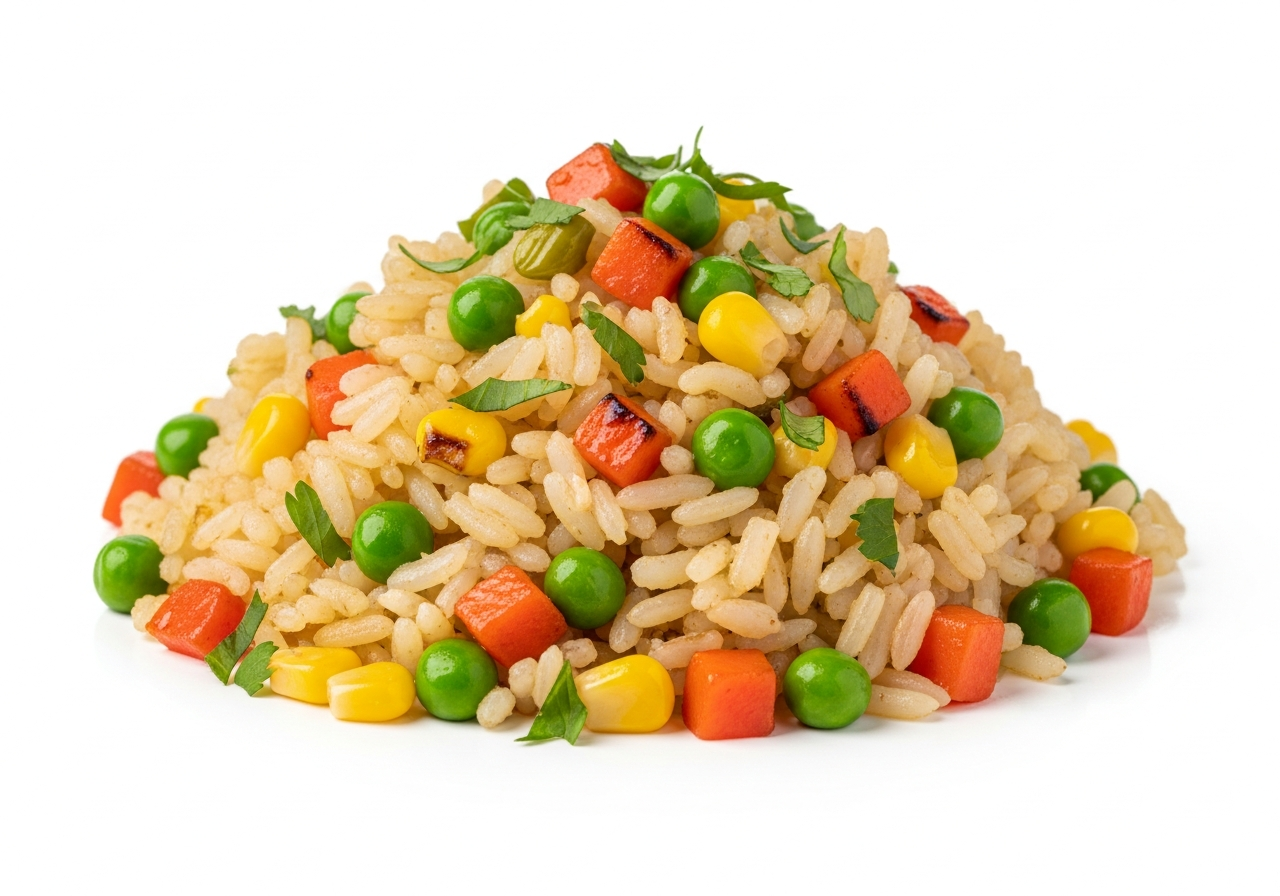
Rice pilaf, a versatile and flavorful grain dish, primarily offers a significant source of carbohydrates, providing sustained energy. A standard 100g serving of cooked rice pilaf typically contains around 137 to 170 calories, with approximately 3-4 grams of protein, 3-6 grams of fat, and 24-25 grams of carbohydrates. Its nutritional profile can vary widely based on the specific ingredients and cooking methods employed.
Detailed Nutrition Facts
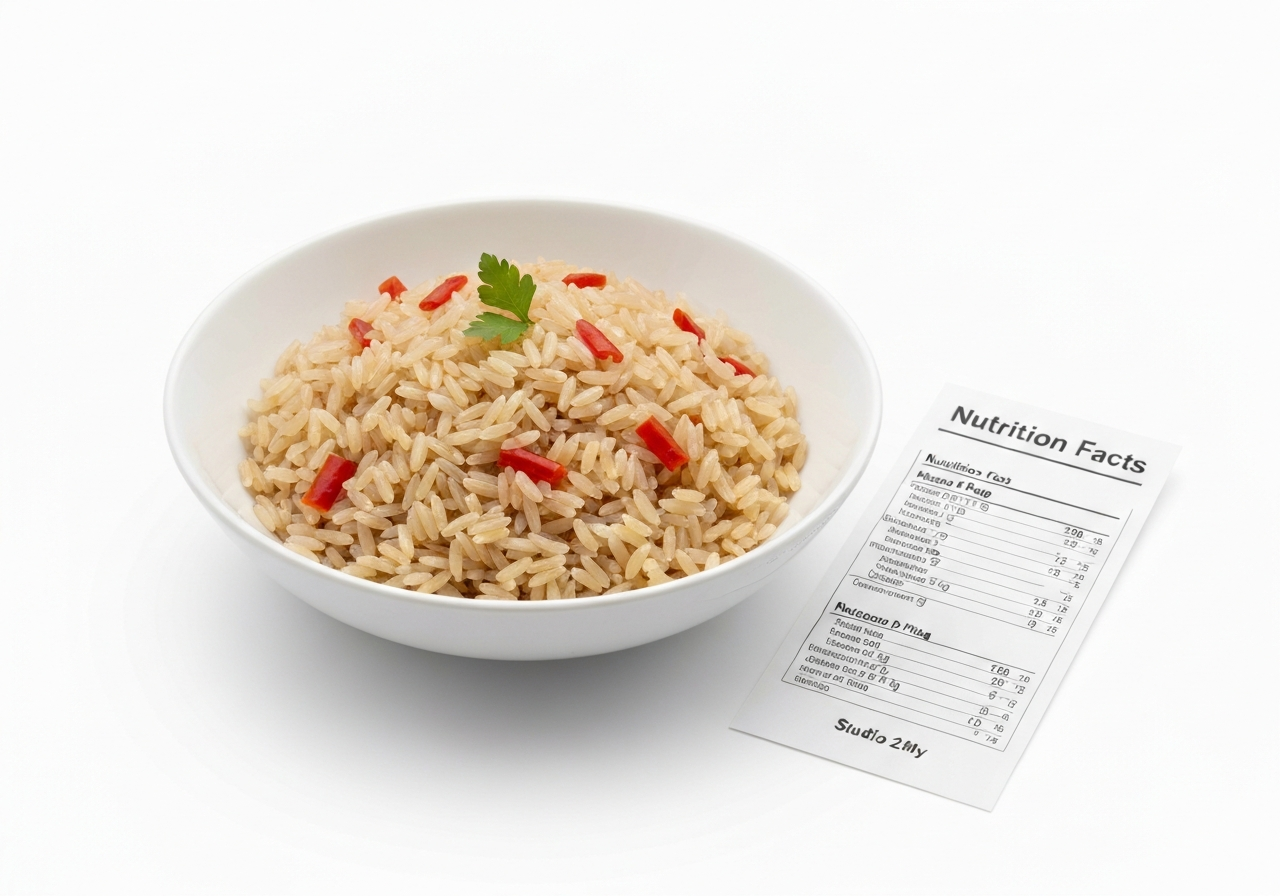
When we delve into the comprehensive nutritional landscape of rice pilaf, we find it to be a dynamic dish whose macronutrient and micronutrient composition is heavily influenced by its preparation. A typical 100-gram serving of cooked rice pilaf serves as an excellent energy provider.
Macronutrient Breakdown (per 100g, approximate average):
* Calories: 137 - 170 kcal
* Carbohydrates: 24 - 25 grams (primarily complex carbohydrates)
* Protein: 3 - 4 grams
* Fat: 3 - 6 grams (can vary significantly with added oils/butter)
* Dietary Fiber: Less than 1 gram (if made with white rice; significantly higher if brown rice is used)
* Sugars: Around 1-2 grams
The carbohydrate content in rice pilaf is its most prominent feature, making it an efficient fuel source for the body. The protein content is moderate, though it can be enhanced by incorporating legumes, nuts, or lean meats into the recipe. The fat content is highly variable, depending on the amount of oil or butter used for sautéing the rice and aromatics.
Beyond the macros, rice pilaf, especially when prepared with enriched white rice or brown rice, also contributes valuable micronutrients to our diet. Enriched white rice often includes added B vitamins and iron to compensate for nutrients lost during processing. Brown rice, being a whole grain, naturally retains a richer array of these essential vitamins and minerals.
Key Micronutrients (can vary with ingredients):
* B Vitamins: Thiamin, Niacin, Vitamin B6, Folate (especially in enriched or brown rice versions)
* Minerals: Iron, Magnesium, Selenium, Phosphorus, Potassium, Manganese
Serving size is another critical consideration. While a 100g portion provides a baseline, a common serving size for a side dish is typically around 1 cup (approximately 200-250 grams cooked). This means the calorie and macro counts would be proportionally higher. For instance, a 1-cup serving could range from 200-280 calories, with carbohydrates jumping to 40-50 grams or more, depending on the recipe's richness.
When comparing rice pilaf to similar foods, plain white rice offers a very similar carbohydrate profile but generally lower fat and calories due to the absence of added oils, butter, and other ingredients. Brown rice, on the other hand, boasts a higher fiber content and more naturally occurring micronutrients than its white counterpart.
Health Benefits
Rice pilaf, particularly when mindfully prepared, offers several health benefits that underscore its role as a valuable component of a balanced diet.
One of the primary advantages of rice pilaf is its provision of sustained energy. Rich in complex carbohydrates, rice serves as an efficient fuel source for our bodies, releasing glucose gradually to maintain energy levels and prevent sharp blood sugar spikes, especially when made with whole grains like brown rice. This makes it an ideal food for active individuals, athletes, or anyone needing consistent energy throughout their day.
Rice pilaf made with whole grains provides sustained energy and can be a good source of magnesium, which supports muscle function and bone health.
For those looking to support their digestive health, choosing a pilaf made with brown rice can significantly increase dietary fiber intake. Fiber is crucial for promoting regular bowel movements and contributing to overall gut health. While traditional white rice pilaf has less fiber, it's still easily digestible for many, making it a gentle option when recovering from digestive upset.
Rice pilaf also contributes essential micronutrients. Enriched white rice, commonly used in pilaf, is fortified with B vitamins (Thiamin, Niacin, Vitamin B6) and iron, which are vital for metabolism, nerve function, and red blood cell formation. Magnesium, another mineral found in rice, plays a critical role in muscle and nerve function, blood glucose control, and bone health.
Who should eat this food:
* Athletes and active individuals: As an excellent source of readily available energy to fuel workouts and aid recovery.
* Individuals needing sustained energy: The complex carbohydrates help maintain stable blood sugar levels.
* Those looking for a versatile side: Rice pilaf can complement a wide array of lean proteins and vegetables, making it adaptable to various dietary preferences and health goals.
When to eat it:
* Pre-workout: A few hours before exercise, it can provide the necessary carbohydrate stores for optimal performance.
* Post-workout: To replenish glycogen stores and kickstart muscle recovery.
* As a balanced meal component: As part of lunch or dinner, paired with lean protein and a generous serving of vegetables, it forms a complete and satisfying meal.
How to Track Macros
Accurately tracking the macros in rice pilaf is fundamental for those committed to precise nutritional goals, especially given its variable ingredient list. Our team at JustMacrosFit always advocates for a meticulous approach.
Portion measurement tips:
1. Use a Digital Food Scale: This is by far the most accurate method. Measure your cooked rice pilaf in grams. Since nutritional data is often provided per 100g, this allows for precise calculation of your intake.
2. Measure All Ingredients: When making homemade pilaf, track every ingredient you add: rice (dry weight), oil/butter, broth, vegetables, and any additional protein. Calculate the total macros for the entire batch, then divide by the number of servings or the total weight to get per-serving macros.
3. Standard Measuring Cups: While less precise than a scale, measuring cups can be used for cooked pilaf. Remember that 1 cup of cooked rice pilaf typically weighs around 200-250 grams. Be mindful that variations in how tightly the pilaf is packed can affect the actual weight.
4. Understand Variability: Store-bought or restaurant rice pilaf can have vastly different macro profiles due to varying amounts of butter, oil, and other rich ingredients. When possible, ask for nutritional information or estimate conservatively.
Using macro tracking apps:
Apps like JustMacrosFit are invaluable tools for macro tracking. You can either:
* Search for "Rice Pilaf": Many apps have extensive databases, but be sure to select an entry that closely matches your preparation (e.g., "Homemade Rice Pilaf," "Restaurant Rice Pilaf").
* Create Custom Entries: For homemade pilaf, input all your ingredients and their quantities. The app will then calculate the total macros, allowing you to easily log your portion.
* Adjust Serving Sizes: Once you've found or created an entry, adjust the serving size (e.g., 100g, 1 cup, 0.5 cups) to reflect your actual intake.
Common serving sizes:
A typical side serving of cooked rice pilaf is about 1 cup, or approximately 200-250 grams. For a main dish, or when pairing with a lighter protein, you might opt for a larger portion, but always remember that increasing the quantity will proportionally increase your calorie and macro intake.
Meal Ideas & Preparation
As veteran nutrition coaches and chefs, we know that rice pilaf isn't just a side dish; it's a foundation for countless delicious and macro-friendly meals. Its versatility truly shines across all mealtimes.
Breakfast, lunch, dinner ideas:
* Breakfast: While not traditional, a savory breakfast bowl with leftover rice pilaf can be a game-changer. Sauté some spinach and mushrooms, top the pilaf with a fried or poached egg, and a sprinkle of chili flakes. The carbs from the pilaf offer sustained morning energy.
* Lunch: Transform pilaf into a vibrant and filling lunch. We love it as the base for a Mediterranean-inspired bowl, topped with grilled chicken or chickpeas, chopped cucumbers, tomatoes, feta (optional), and a lemon-tahini dressing. Alternatively, a simple pilaf with lean ground turkey and steamed broccoli makes for a quick and balanced midday meal.
* Dinner: The classic role of rice pilaf is as a superb accompaniment to a variety of dinner entrées. Serve it alongside baked salmon, roasted chicken, or a hearty lentil stew. For a vegetarian option, mix it with black beans, corn, and bell peppers for a satisfying main dish.
Meal prep tips:
Rice pilaf is an excellent candidate for meal prepping.
1. Batch Cook: Prepare a large batch of pilaf at the beginning of the week. Cooked rice pilaf can be stored in an airtight container in the refrigerator for 3-4 days.
2. Portion and Store: Divide the pilaf into individual serving containers, making it easy to grab for lunches or quick dinners.
3. Vary Pairings: To avoid meal fatigue, plan to pair your prepped pilaf with different proteins and vegetables throughout the week. One day, it's chicken; the next, it's fish or tofu.
4. Add Freshness: When reheating, incorporate fresh herbs, a squeeze of lemon juice, or a handful of fresh greens to brighten the flavors and add extra nutrients.
Cooking methods that preserve nutrients:
The way we cook our pilaf can impact its nutritional value.
* Gentle Simmering: Cooking rice by simmering it in a measured amount of liquid until all the liquid is absorbed is ideal. This method, often used in pilaf, helps to retain water-soluble vitamins that might otherwise leach out if the rice were boiled in excess water and then drained.
* Use Broth: Instead of just water, using vegetable or low-sodium chicken broth adds flavor and some minerals without significantly increasing the fat content, especially if you're trying to manage calories.
* Avoid Overcooking: Overcooking can degrade some heat-sensitive vitamins. Aim for tender but not mushy grains.
* Consider Brown Rice: If you're looking to boost fiber and micronutrient content, opt for brown rice pilaf. While it takes longer to cook, it offers a more robust nutritional profile, including more magnesium and fiber.
For Weight Loss
For individuals on a weight loss journey, rice pilaf can certainly be a valuable component of your eating plan, provided we approach it strategically. Our focus, as always, is on balance, portion control, and nutrient density.
Why it's good for weight loss:
* Satiety: When made with whole-grain brown rice, pilaf contributes dietary fiber, which aids in satiety by promoting a feeling of fullness. This can help reduce overall calorie intake by curbing overeating and snacking between meals.
* Sustained Energy: The complex carbohydrates in rice pilaf provide a steady release of energy. This can help prevent energy crashes that often lead to cravings for quick sugars, supporting more consistent energy levels throughout the day.
* Versatile Base: Rice pilaf acts as an excellent base for a high-volume, low-calorie meal when paired with ample non-starchy vegetables and lean protein.
Portion recommendations:
Portion control is paramount when incorporating rice pilaf into a weight loss diet. While a typical serving size is 1 cup, for weight loss, we often recommend starting with a smaller portion, such as ½ to ¾ cup (approximately 100-150 grams) of cooked pilaf per meal, especially if it's a side dish. This helps manage the carbohydrate and calorie load. Regularly weighing your portion will ensure accuracy.
Pairing suggestions:
To maximize the weight loss benefits and create a truly balanced meal, we advise pairing rice pilaf with:
* Lean Protein Sources: Think grilled chicken breast, baked fish, shrimp, firm tofu, or lentils. Protein is crucial for satiety and muscle preservation during weight loss.
* Abundant Non-Starchy Vegetables: Load up your plate with steamed broccoli, roasted asparagus, a large green salad, or sautéed bell peppers. These vegetables add significant volume, fiber, and micronutrients with minimal calories, helping you feel full and satisfied.
* Healthy Fats (in moderation): A small amount of healthy fat from olive oil or avocado can enhance flavor and nutrient absorption, but be mindful of portion sizes, as fats are calorie-dense.
By treating rice pilaf as a component of a larger, balanced meal rather than the sole focus, we can effectively leverage its benefits for weight management.
For Muscle Gain
When our goal shifts to muscle gain, rice pilaf steps into the spotlight as an invaluable ally. As nutrition coaches, we recognize its power as a dense and easily digestible carbohydrate source essential for fueling intense workouts and promoting muscle recovery.
Protein content benefits:
While rice pilaf itself isn't a high-protein food (averaging 3-4 grams per 100g), its primary benefit for muscle gain lies in its carbohydrate content. Carbohydrates are the body's preferred energy source, crucial for:
* Fueling Workouts: Adequate carbohydrate intake ensures that glycogen stores in your muscles and liver are topped up, providing the energy needed for high-intensity training sessions.
* Protein Sparing: When enough carbohydrates are consumed, the body prioritizes using them for energy, "sparing" protein for its primary role in muscle repair and growth.
* Insulin Response: Carbohydrates trigger an insulin response, which helps shuttle amino acids (from protein) and glucose into muscle cells, facilitating repair and growth.
To maximize protein intake for muscle gain, rice pilaf should always be paired with substantial, high-quality protein sources.
Pre/post-workout timing:
* Pre-Workout: Consuming rice pilaf 2-3 hours before a workout provides a slow and steady release of glucose, ensuring sustained energy throughout your training session. This helps prevent fatigue and maintains performance.
* Post-Workout: Within 30-60 minutes after a workout, a serving of rice pilaf helps rapidly replenish depleted muscle glycogen stores. Pairing it with a quick-digesting protein (like whey protein or lean chicken) in this window is ideal for optimizing recovery and initiating muscle protein synthesis.
Bulking meal ideas:
For those in a bulking phase, rice pilaf can be a caloric powerhouse. We recommend:
* Loaded Chicken & Pilaf: A generous portion of rice pilaf mixed with diced grilled chicken or turkey, sautéed bell peppers, onions, and a drizzle of olive oil.
* Beef & Broccoli Pilaf Bowl: Hearty portions of lean ground beef or sliced steak served over pilaf, with steamed broccoli and a light soy-ginger sauce.
* Legume-Enhanced Pilaf: Stir in black beans, lentils, or chickpeas directly into the pilaf for an extra boost of plant-based protein and fiber, increasing both the calorie and nutrient density.
* Nutty Pilaf: Incorporate a small amount of toasted slivered almonds or pine nuts into your pilaf for healthy fats and an additional caloric punch.
By strategically using rice pilaf, we can effectively meet the increased energy demands of muscle growth, ensuring our bodies have the fuel needed to build and repair muscle tissue.
Comparisons
Understanding how rice pilaf stacks up against similar grain dishes helps us make informed dietary choices tailored to our health and macro goals. As dietitians, we appreciate the nuances of each option.
Vs. similar foods:
* Vs. Plain White Rice: White rice is primarily a carbohydrate source. Rice pilaf, by its very nature, involves sautéing the rice in oil or butter before adding seasoned broth, which increases its fat content and overall calories compared to plain steamed white rice. Pilaf also typically includes aromatics like onions and garlic, and sometimes vermicelli, adding layers of flavor and slight variations to the macros.
* Vs. Brown Rice: Brown rice is a whole grain, meaning it retains its bran and germ layers, which are rich in fiber, vitamins (especially B vitamins), and minerals like magnesium and selenium. White rice pilaf will generally have less fiber and some micronutrients compared to brown rice. A brown rice pilaf, however, would combine the health benefits of whole grains with the added flavor profile of pilaf.
* Vs. Quinoa: Quinoa stands out as a "complete protein," containing all nine essential amino acids, which is rare for a plant-based food. It's significantly higher in protein and fiber than both white and brown rice. Quinoa also boasts a lower glycemic index and a richer micronutrient profile, including higher amounts of iron, magnesium, and potassium.
* Vs. Couscous: Couscous, often made from semolina (durum wheat), is also primarily a carbohydrate source. Its texture is lighter and finer than rice. Nutritionally, it's quite similar to white rice in terms of macros, generally being lower in fiber than whole-grain options.
Best alternatives:
* For Higher Protein & Fiber: Quinoa is an excellent alternative if you're looking for a boost in protein and fiber, along with a more comprehensive micronutrient profile.
* For Whole Grain Benefits: Brown rice is a fantastic choice when prioritizing whole grains, increased fiber, and a broader range of naturally occurring vitamins and minerals.
* For Lower Carbs (but not low-carb): While no rice-based option is truly "low-carb," wild rice, which is actually a seed of an aquatic grass, offers more protein and fiber than white rice.
When to choose each:
* Choose Rice Pilaf when: You desire a flavorful, versatile side dish that complements a wide array of cuisines. Its enhanced flavor from broth and aromatics can make meals more enjoyable. It's a great choice for sustained energy.
* Choose Quinoa when: Your primary goal is to maximize protein, fiber, and micronutrient intake, or if you require a gluten-free complete protein source.
* Choose Brown Rice when: You want the benefits of a whole grain, including higher fiber and more vitamins/minerals, without straying too far from the familiar taste and texture of rice.
Ultimately, the "best" choice depends on your individual dietary needs, taste preferences, and specific health or fitness objectives.
FAQs
As your dedicated nutrition coach, we often encounter common questions about rice pilaf. Let's address some of the most frequent inquiries to help you integrate this versatile dish into your macro-aware lifestyle.
1. Is rice pilaf healthy?
Yes, rice pilaf can be a healthy part of a balanced diet, particularly when prepared mindfully. Its healthfulness largely depends on the ingredients and cooking methods. Opting for brown rice, minimizing added fats like butter or excessive oil, and loading it with vegetables and lean protein will enhance its nutritional value.
2. How many calories are in rice pilaf?
The calorie content of rice pilaf varies significantly based on the recipe. A general estimate for a plain cooked rice pilaf is around 137 to 170 calories per 100 grams. A typical 1-cup serving (200-250g) could range from 200 to 280 calories or more, depending on added fats and other ingredients.
3. Is rice pilaf gluten-free?
Rice itself is naturally gluten-free. However, many rice pilaf recipes or mixes may contain ingredients that are not gluten-free, such as orzo or vermicelli pasta (made from wheat) or certain broths and seasonings. Always check ingredient labels carefully if you have gluten sensitivities or celiac disease.
4. Can I eat rice pilaf if I'm on a low-carb diet?
Rice pilaf is primarily a carbohydrate-dense food, making it generally unsuitable for strict low-carb or ketogenic diets. A 100g serving can contain 24-25 grams of carbohydrates. If you're managing carbohydrate intake, very small portions might fit, but alternatives like cauliflower rice pilaf are often preferred.
5. How should I store cooked rice pilaf?
Cooked rice pilaf should be stored in an airtight container in the refrigerator within two hours of cooking. It can be safely kept for up to 3-4 days. When reheating, ensure it reaches an internal temperature of 165°F (74°C) to ensure food safety.
6. What makes rice pilaf different from plain rice?
Rice pilaf is distinguished by its cooking method, where the raw rice grains are typically sautéed in oil or butter with aromatics (like onions or garlic) before being simmered in a seasoned broth. This process imbues the rice with a richer flavor and often a distinct, separate grain texture compared to simply boiling rice in water.
7. Can rice pilaf be part of a vegetarian or vegan diet?
Absolutely! Rice pilaf is highly adaptable for vegetarian and vegan diets. Simply use vegetable broth instead of chicken broth, and ensure any added fats are plant-based (e.g., olive oil instead of butter). It pairs wonderfully with lentils, chickpeas, roasted vegetables, and plant-based proteins.
Track Rice Pilaf easily with JustMacrosFit - your free macro tracking app.