Rice Noodles: Complete Macros & Nutrition Guide
Complete macro and nutrition guide for Rice Noodles. Learn calories, protein, carbs, fat per serving plus meal ideas and tracking tips.
Table of Contents
- Quick Answer
- Detailed Nutrition Facts
- Health Benefits
- How to Track Macros
- Meal Ideas & Preparation
- For Weight Loss
- For Muscle Gain
- Comparisons
- Vs. Pasta (Wheat-based)
- Vs. Egg Noodles
- Vs. Glass Noodles (Mung Bean Starch)
- Best Alternatives & When to Choose Each
- FAQs
- 1. Are rice noodles gluten-free?
- 2. What are the main macros in rice noodles?
- 3. Are rice noodles good for weight loss?
- 4. How do rice noodles compare to pasta for protein content?
- 5. How do I prevent rice noodles from clumping together?
- 6. Do rice noodles have a high glycemic index?
- 7. Can I meal prep with rice noodles?
Rice Noodles Macros: Complete Nutrition Guide
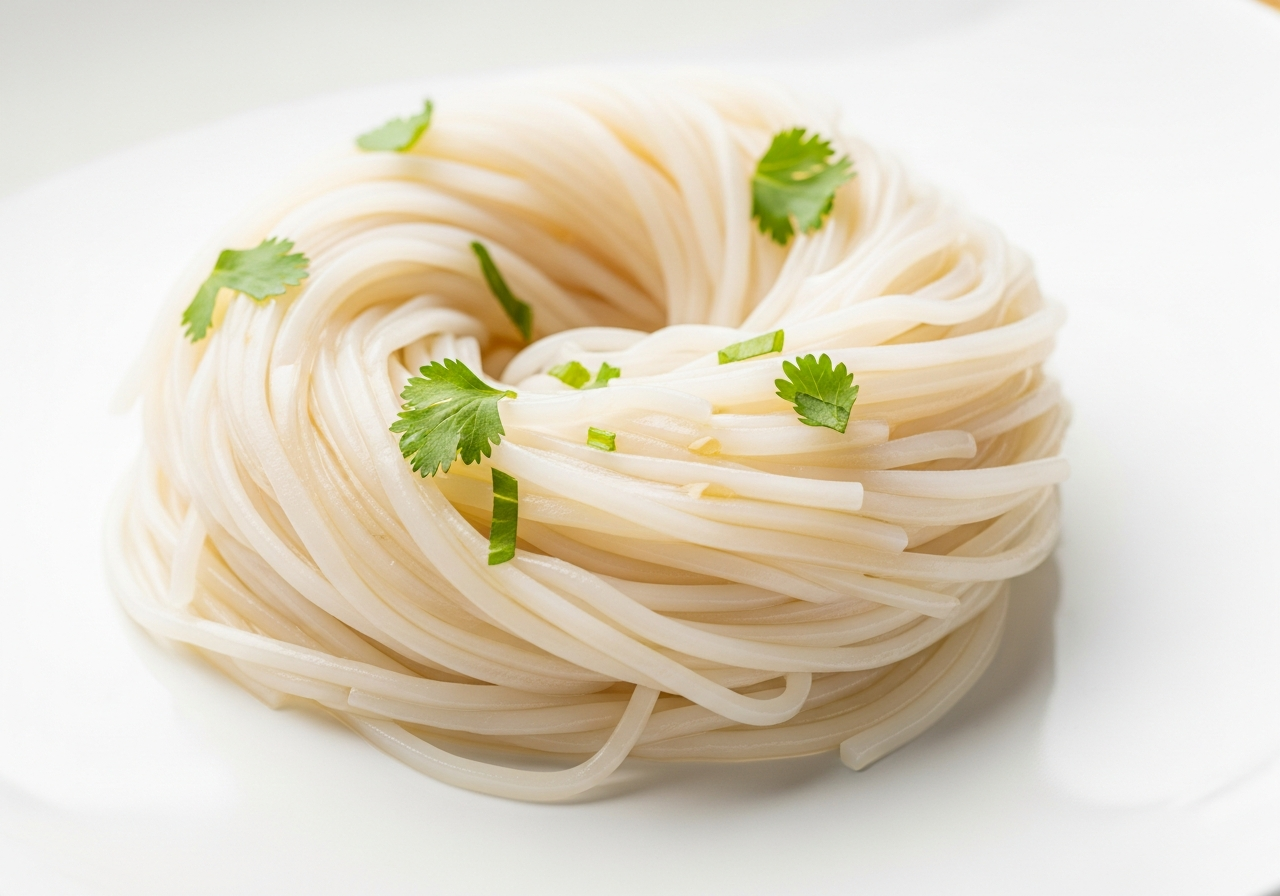
As nutrition experts and seasoned chefs at JustMacrosFit, we understand that navigating the world of carbohydrates, especially noodles, can be a complex journey. Rice noodles, a beloved staple in many global cuisines, often come with questions about their macro breakdown and overall nutritional impact. Let's unravel the facts.
Quick Answer
Rice noodles are primarily a carbohydrate source, offering a quick and easily digestible energy boost. A 100-gram serving of cooked rice noodles typically provides approximately 108 calories, with around 24 grams of carbohydrates, 1.8 grams of protein, and a mere 0.2 grams of fat. They are naturally gluten-free and a good source of essential minerals like selenium and manganese.
Detailed Nutrition Facts
When we delve deeper into the nutritional profile of rice noodles, we see a clear picture of their role in a balanced diet. Our focus at JustMacrosFit is always on providing comprehensive information, enabling you to make informed dietary choices.
A standard 100-gram serving of cooked rice noodles offers the following macronutrient breakdown:
- Calories: Approximately 108 kcal
- Carbohydrates: Roughly 24 grams, primarily from refined rice flour.
- Protein: About 1.8 grams, making them a relatively low-protein option.
- Fat: A minimal 0.2 grams, signifying their virtually fat-free nature.
Hero Nutrients: Cooked rice noodles are notably low in sodium, containing approximately 19 mg per 100 grams. They also offer important trace minerals. A cup (176g) of cooked rice noodles can provide about 14% of the Daily Value for selenium, 9% for manganese, 7% for copper, 3% for phosphorus, and smaller amounts of iron and zinc. While they contain some B vitamins like thiamine and niacin, enriched pasta typically has a better profile of these vitamins.
In terms of serving size, it's practical to consider that one cup (approximately 176 grams) of cooked rice noodles generally contains about 190 calories. For dried varieties, roughly 2 ounces (57 grams) will yield about one cup of cooked noodles.
Compared to similar foods, rice noodles stand out for their gluten-free status. While they offer comparable carbohydrate and calorie counts to enriched wheat pasta, they typically contain significantly less protein, iron, and B vitamins. However, their low fat and low sodium content are notable advantages.
Health Benefits
Rice noodles, when incorporated thoughtfully into your diet, offer several health advantages, making them a valuable component for various nutritional goals.
One of their most significant benefits is their gluten-free composition. Since they are made from rice flour and water, they are a safe and delicious alternative for individuals with celiac disease or non-celiac gluten sensitivity, preventing digestive discomfort and other adverse reactions.
We often highlight the relatively low sodium content of cooked rice noodles, which is crucial for those monitoring their blood pressure and cardiovascular health. At around 19 mg per 100 grams, they are a healthier base compared to many processed foods, though we always advise being mindful of high-sodium sauces used in preparation.
Rice noodles are also a good source of certain micronutrients that play vital roles in bodily functions.
Hero Nutrients: Rice noodles are a valuable source of selenium, an antioxidant that supports immune function and thyroid health. They also provide manganese, which is important for regulating blood sugar and reducing inflammation, and phosphorus, crucial for energy storage and bone health. Additionally, they contain copper, an essential mineral for red blood cell formation and immune system function.
Their composition, primarily simple carbohydrates, makes them easily digestible, providing a quick source of energy. This can be particularly beneficial before or after physical activity, or for individuals with sensitive digestive systems.
How to Track Macros
Accurate macro tracking is fundamental to achieving your health and fitness goals. For rice noodles, precise measurement is key to understanding their impact on your daily intake.
We recommend weighing your dried rice noodles before cooking, as this provides the most accurate measurement. Packaging will typically list nutrition facts per 50g or 100g of dry product. A common serving size is around 57 grams of dried rice noodles, which generally yields about one cup (176 grams) once cooked. This method eliminates variables introduced by water absorption during cooking, which can differ depending on the type and brand of noodle.
Once cooked, if you prefer to measure by volume, a single cup of cooked rice noodles is a practical benchmark. However, be aware that the density can vary slightly with different noodle shapes (e.g., thin vermicelli versus wide flat noodles).
Using macro tracking apps, such as JustMacrosFit, simplifies this process significantly. You can search for "rice noodles, cooked" and input your measured portion size. Our app provides a detailed breakdown of calories, carbohydrates, protein, and fat, helping you seamlessly integrate rice noodles into your daily macro targets. Remember to account for any oils or sauces used in preparation, as these can significantly alter the final macro count of your meal.
Meal Ideas & Preparation
As veteran nutrition coaches and chefs, we know that versatility is key to sustainable healthy eating. Rice noodles are incredibly versatile, forming the base for countless delicious and nutritious dishes across various cuisines.
For breakfast, consider a light rice noodle soup with a clear broth, soft-boiled egg, and plenty of fresh herbs. It's a comforting and energizing start to the day without being overly heavy.
Lunch often calls for quick and vibrant options. A cold rice noodle salad tossed with colorful raw vegetables, grilled chicken or tofu, and a zesty peanut-lime dressing is perfect for meal prep and offers a balanced macro profile. Stir-fries are also an excellent choice; combine rice noodles with lean protein like shrimp or chicken, and a medley of high-fiber vegetables like broccoli, bell peppers, and snap peas.
For dinner, hearty rice noodle bowls featuring rich broths, succulent meats, or plant-based proteins are incredibly satisfying. Think Pad Thai, though we advise a homemade version to control added sugars and sodium, or a Vietnamese Pho.
Chef's Tip: The key to perfectly cooked rice noodles that don't clump or turn mushy is proper preparation. We almost always recommend soaking dried rice noodles in hot or lukewarm water rather than boiling them directly. The soaking time varies by noodle thickness and brand, but typically ranges from 6-15 minutes for thin vermicelli to 12-15 minutes for thicker flat noodles in hot water, or longer in cold water. They should be tender but still slightly firm and pliable. After soaking, drain and rinse them immediately under cold water to stop the cooking process and remove excess starch, which prevents sticking.
For fresh rice noodles, they cook even faster, often just a brief dip in boiling water for 15-20 seconds. When stir-frying, add the soaked and drained noodles at the very end to prevent overcooking and breaking.
For Weight Loss
For those on a weight loss journey, rice noodles can be a valuable carbohydrate source, provided they are incorporated thoughtfully into your meal plan.
The primary reasons rice noodles can be good for weight loss include their low-fat content and moderate calorie density. They provide satiety due to their carbohydrate content, helping you feel full and energized without a heavy fat load. However, their lower fiber content compared to whole-grain alternatives means we must be strategic in our pairings.
Portion control is paramount when including rice noodles in a weight loss diet. A 1-cup serving (approximately 176 grams cooked) provides around 190 calories and 42 grams of carbohydrates. We recommend being mindful of your serving size and using a food scale to ensure accuracy. Eating a half cup (around 88g cooked) can significantly reduce the glycemic load of a meal, which is beneficial for blood sugar management.
Pairing suggestions are where rice noodles truly shine for weight loss. We advise combining them with:
* High-fiber vegetables: Load up on non-starchy vegetables like bok choy, carrots, bell peppers, zucchini, and mushrooms. This significantly boosts fiber content, enhancing satiety and aiding digestion.
* Lean protein sources: Incorporate ample lean protein such as chicken breast, shrimp, firm tofu, edamame, or paneer to increase fullness and support muscle maintenance.
* Healthy fats: Use minimal amounts of healthy fats from sources like a drizzle of sesame oil, avocado, or a small sprinkle of nuts, ensuring they contribute flavor without excess calories.
This combination creates a balanced meal that supports calorie goals, keeps you satisfied, and provides essential micronutrients.
For Muscle Gain
When the goal is muscle gain, adequate carbohydrate intake is just as crucial as protein, and rice noodles can certainly play a role in a bulking diet.
While rice noodles are not a significant source of protein themselves, they are an excellent source of readily available carbohydrates. Carbohydrates are essential for replenishing muscle glycogen stores, which are depleted during intense workouts, and for providing the energy needed for both training and recovery. They also spare protein from being used for energy, allowing it to focus on muscle repair and growth.
For pre-workout timing, a moderate serving of rice noodles 1-2 hours before training can provide sustained energy without feeling too heavy, especially when combined with a lean protein source. Their easy digestibility ensures quick absorption.
Post-workout, rapidly digestible carbohydrates like rice noodles are ideal for quickly replenishing glycogen and initiating the recovery process. Pair them immediately with a high-quality protein source to maximize muscle protein synthesis.
Bulking meal ideas utilizing rice noodles include:
* Hearty Stir-fries: Combine a generous portion of rice noodles with ample lean beef, chicken, or tempeh, and a variety of vegetables. Add a savory sauce (controlled for sodium and sugar) and perhaps a sprinkle of crushed peanuts for extra calories and healthy fats.
* Noodle Soups with Extra Protein: Enhance traditional noodle soups like pho or ramen by doubling up on protein servings, such as extra slices of lean meat or additional firm tofu, and including a good serving of rice noodles.
* Peanut Noodle Bowls: Toss rice noodles with a rich peanut sauce (made with natural peanut butter), grilled chicken or beef, and a colorful mix of steamed or lightly stir-fried vegetables.
By strategically timing your rice noodle intake and ensuring they are part of protein-rich, calorie-dense meals, you can effectively leverage them to support your muscle gain objectives.
Comparisons
Understanding how rice noodles stack up against other popular noodle varieties is essential for making the best dietary choices for your individual needs.
Vs. Pasta (Wheat-based)
- Calories & Carbs: Generally, cooked rice noodles and regular wheat pasta have similar calorie and carbohydrate counts per serving.
- Protein: This is where enriched pasta significantly outperforms rice noodles. Pasta can have up to 7-9 grams of protein per cup, compared to rice noodles' 1.6-3.2 grams.
- Micronutrients: Enriched pasta often contains higher levels of iron, folic acid, thiamine, riboflavin, and niacin, as these nutrients are added back after processing. Rice noodles are less nutrient-dense in this regard.
- Gluten: The most crucial difference is that rice noodles are naturally gluten-free, while traditional pasta, made from wheat, contains gluten.
- Glycemic Index (GI): Both are generally considered medium to high GI foods, though brown rice noodles and whole wheat pasta have lower GIs due to higher fiber content.
Vs. Egg Noodles
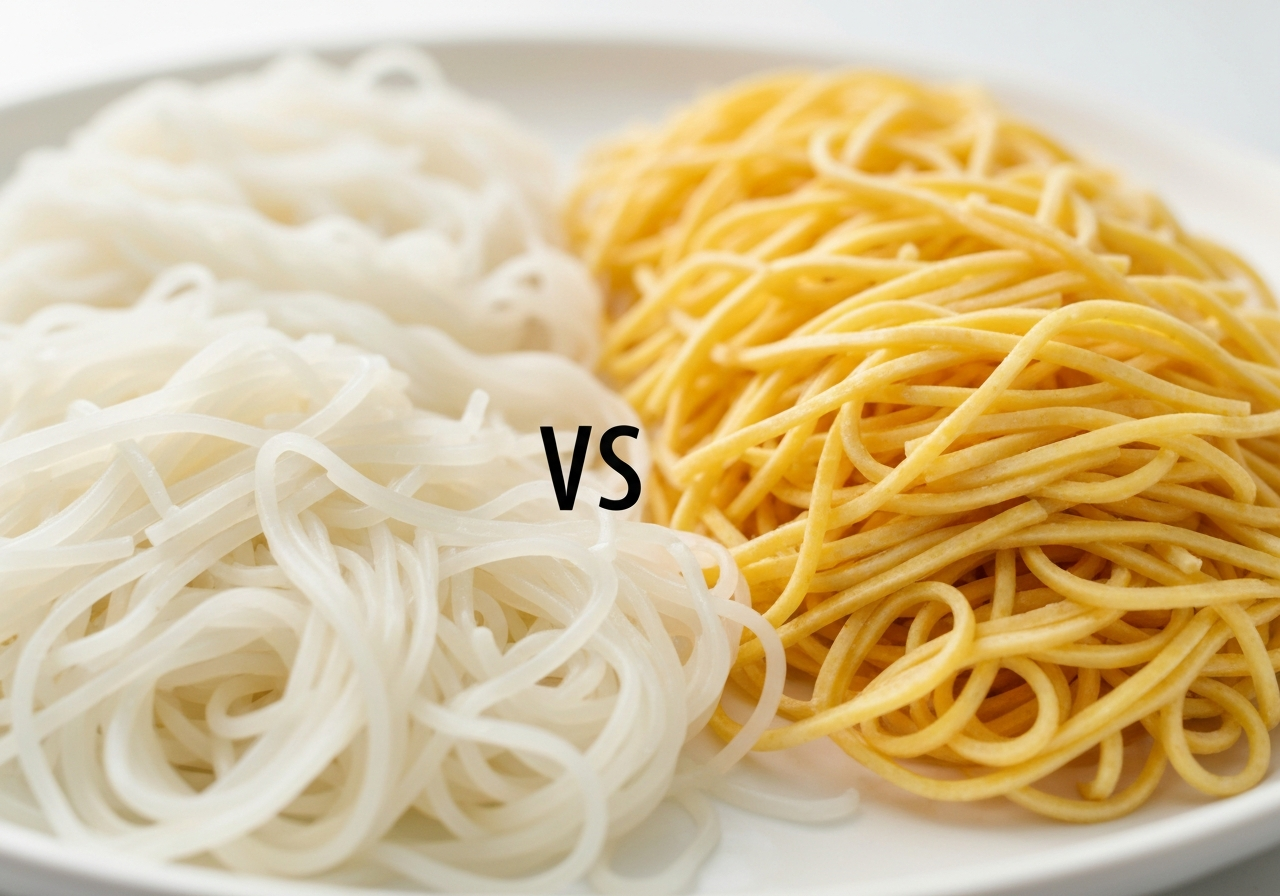
- Calories & Macros: Egg noodles tend to be slightly higher in calories, protein, and fat due to the inclusion of eggs and wheat flour.
- Micronutrients: Egg noodles typically have a richer profile of minerals (copper, zinc, phosphorus, iron, selenium) and B vitamins compared to rice noodles.
- Gluten: Egg noodles are made with wheat flour and thus contain gluten, unlike rice noodles.
- Texture & Taste: Egg noodles are firmer and chewier with a slightly eggy flavor, while rice noodles are smoother, more tender, and have a neutral taste.
Vs. Glass Noodles (Mung Bean Starch)
- Ingredients & Appearance: Glass noodles (also called cellophane or bean thread noodles) are usually made from mung bean starch, sometimes potato or tapioca starch, and become translucent when cooked. Rice noodles are made from rice flour and remain opaque.
- Calories & Carbs: Glass noodles are often slightly lower in calories and carbohydrates than rice noodles.
- Fiber & Nutrients: Rice noodles typically offer slightly more fiber and micronutrients than glass noodles.
- Protein & Fat: Both are generally low in protein and virtually fat-free.
- Glycemic Index: Glass noodles, especially those made from mung bean starch, tend to have a lower glycemic index due to a higher amylose content, which digests more slowly.
Best Alternatives & When to Choose Each
- For Gluten-Free: Rice noodles are an excellent choice. Gluten-free pasta (e.g., made from corn, brown rice, or legumes) is another option.
- For Higher Protein: Opt for enriched wheat pasta or explore legume-based pastas (e.g., lentil, chickpea).
- For Higher Fiber & Lower GI: Choose brown rice noodles, whole wheat pasta, or alternatives like quinoa noodles.
- For Very Low Calories/Carbs: Shirataki noodles (made from konjac root) or vegetable noodles (zucchini noodles, spaghetti squash) are ideal.
- For Versatility & Mild Flavor: Rice noodles are hard to beat due to their neutral taste and ability to absorb flavors in diverse Asian dishes.
Ultimately, the best choice depends on your specific dietary needs, macro goals, and culinary preferences. We encourage experimentation to find what works best for your plate and your body.
FAQs
1. Are rice noodles gluten-free?
Yes, rice noodles are naturally gluten-free as they are made from rice flour and water, making them a safe option for individuals with celiac disease or gluten sensitivity.
2. What are the main macros in rice noodles?
Rice noodles are primarily a source of carbohydrates, with a moderate calorie count, very low fat, and minimal protein. A typical 100g serving of cooked rice noodles provides about 24g carbs, 1.8g protein, and 0.2g fat.
3. Are rice noodles good for weight loss?
Yes, they can be. Rice noodles are low in fat and moderate in calories. For weight loss, we recommend pairing them with plenty of high-fiber vegetables and lean protein sources, and practicing portion control.
4. How do rice noodles compare to pasta for protein content?
Traditional wheat-based pasta, especially enriched varieties, typically contains significantly more protein than rice noodles. Pasta can offer 7-9 grams of protein per cup, while rice noodles provide around 1.6-3.2 grams per cup.
5. How do I prevent rice noodles from clumping together?
To prevent clumping, soak dried rice noodles in hot water (not boiling) until pliable, then drain and immediately rinse them thoroughly under cold running water to remove excess starch and stop the cooking process. Avoid overcooking.
6. Do rice noodles have a high glycemic index?
Rice noodles generally have a medium to high glycemic index (GI), typically ranging from 61 to 65 for boiled, dried varieties. However, the GI can vary depending on the type of rice flour used and how they are cooked. Brown rice noodles, for instance, have a lower GI due to their higher fiber content.
7. Can I meal prep with rice noodles?
Absolutely! Rice noodles are excellent for meal prepping. They can be prepared in advance and added to various dishes like stir-fries, cold salads, or soups. Just ensure they are properly cooked and rinsed to maintain their texture.
Track Rice Noodles easily with JustMacrosFit - your free macro tracking app.