Dry Soba Noodles: Complete Macros & Nutrition Guide
Complete macro and nutrition guide for Dry Soba Noodles. Learn calories, protein, carbs, fat per serving plus meal ideas and tracking tips.
Table of Contents
- Quick Answer
- Detailed Nutrition Facts
- Health Benefits
- How to Track Macros
- Meal Ideas & Preparation
- Breakfast Ideas
- Lunch Ideas
- Dinner Ideas
- Meal Prep Tips
- Cooking Methods that Preserve Nutrients
- For Weight Loss
- For Muscle Gain
- Comparisons
- vs. Similar Foods
- Best Alternatives
- When to Choose Each
- FAQs
- Q1: Are dry soba noodles gluten-free?
- Q2: How many calories are in cooked soba noodles?
- Q3: Do soba noodles help with weight loss?
- Q4: How long do dry soba noodles last?
- Q5: What is the best way to cook soba noodles?
- Q6: Do soba noodles have more protein than regular pasta?
- Q7: What are the main micronutrients in soba noodles?
Dry Soba Noodles Macros: Complete Nutrition Guide
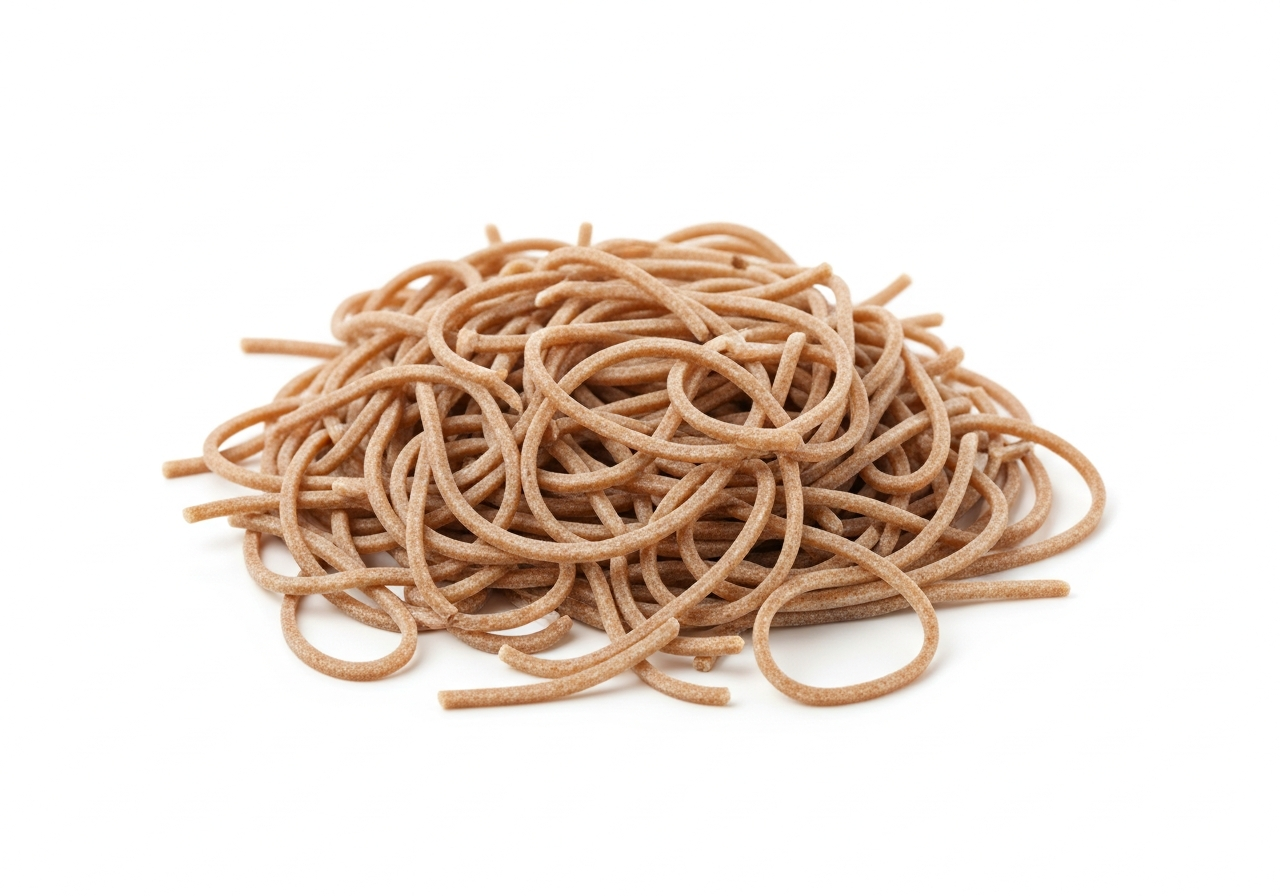
When it comes to versatile, healthy carbohydrate sources, dry soba noodles often fly under the radar. Made primarily from buckwheat flour, these Japanese noodles offer a compelling nutritional profile that supports various dietary goals, from weight management to muscle building. We, the JustMacros Team, are here to provide a comprehensive breakdown of dry soba noodles' macros and nutrition, helping you seamlessly integrate them into your healthy eating plan.
Quick Answer
Dry soba noodles offer a robust macronutrient profile, typically providing around 336 calories, 75 grams of carbohydrates, 14 grams of protein, and less than 1 gram of fat per 100g serving (uncooked). Once cooked, 100g of soba noodles contains approximately 99 calories, 21.4 grams of carbohydrates, 5.1 grams of protein, and 0.1 grams of fat. Their key nutritional highlight is their significant protein content, especially for a noodle, alongside a valuable array of micronutrients and a low glycemic index, particularly when made from 100% buckwheat.
Detailed Nutrition Facts
Understanding the full nutritional landscape of dry soba noodles is crucial for precise macro tracking. While the dry form is calorie-dense, cooking significantly changes its profile due to water absorption.
For 100 grams of dry soba noodles, you can expect:
* Calories: Approximately 336-353 kcal
* Carbohydrates: Around 70.5-75 grams
* Protein: Approximately 14-14.7 grams
* Fat: Less than 1 gram, typically 0.7-0.9 grams
For 100 grams of cooked soba noodles, the nutritional values shift considerably:
* Calories: Around 99 kcal
* Carbohydrates: Approximately 21.4-24 grams
* Protein: Around 5.1-5.8 grams
* Fat: Roughly 0.1 grams
* Sodium: About 60-68 mg
Hero Nutrients (per 100g cooked):
* Protein: 5.1-5.8g, offering a significant plant-based protein boost.
* Manganese: 0.37-0.43 mg (around 16-19% Daily Value), essential for bone health and metabolism.
* Thiamin (Vitamin B1): 0.09-0.11 mg (around 8-9% Daily Value), crucial for energy metabolism.
Soba noodles also provide smaller amounts of other important micronutrients, including magnesium, phosphorus, potassium, iron, zinc, copper, and several B-complex vitamins like riboflavin (B2), niacin (B3), pantothenic acid (B5), and vitamin B6. The primary ingredient, buckwheat, is a pseudo-grain that offers a well-balanced amino acid profile, making it a source of complete protein.
Serving size considerations are important here. A typical serving size for cooked soba noodles is often around 1 cup (approximately 114g), which would provide about 113 calories, 24g of carbohydrates, and 5.8-6g of protein. Always check the specific product label, as formulations can vary, especially concerning the ratio of buckwheat to wheat flour.
Health Benefits
The health benefits of incorporating dry soba noodles into your diet are numerous, primarily stemming from their buckwheat base.
- Cardiovascular Health Support: Buckwheat is rich in rutin, a flavonoid antioxidant that strengthens blood vessels, reduces inflammation, and supports healthy blood pressure. It also contains magnesium and soluble fiber, which are vital for maintaining healthy circulation and lowering LDL ("bad") cholesterol. Eating buckwheat has been shown to improve heart health by reducing cholesterol and blood pressure.
- Blood Sugar Control: Despite being a carbohydrate, buckwheat has a low glycemic index (GI of approximately 45-56), meaning it digests slowly and causes a more gradual release of glucose into the bloodstream, preventing sharp blood sugar spikes. This makes soba a favorable choice for individuals managing blood sugar levels or those with diabetes.
- High-Quality Plant-Based Protein: Soba noodles are unique among noodles for their relatively high protein content (5-6 grams per cooked cup). Buckwheat provides all nine essential amino acids, making it a complete protein source, which is especially beneficial for vegetarians and vegans seeking to build and repair cells, and maintain muscle mass.
- Digestive Health: Soba noodles are a good source of fiber, particularly soluble fiber, which aids in digestive regularity and supports a healthy gut microbiome. Soluble fiber can also contribute to satiety and may help reduce visceral (belly) fat.
- Gluten-Free Option (with caution): Pure buckwheat soba noodles are naturally gluten-free, offering a valuable alternative for individuals with celiac disease or gluten sensitivity. However, it is crucial to check product labels, as many commercial brands blend buckwheat with wheat flour for improved texture and cost, which would render them not gluten-free.
Soba noodles are generally beneficial for most individuals seeking a healthy, whole-grain carbohydrate source. We recommend them for those looking to manage weight, support heart health, regulate blood sugar, or increase plant-based protein intake. Given their long shelf life in dry storage, there is no single "best" time to consume them; they can be enjoyed in various dishes year-round.
How to Track Macros
Accurate macro tracking is fundamental to achieving your fitness and health goals. When working with dry soba noodles, precision in measurement is key.
- Weigh Dry Portions: The most accurate way to track macros for soba noodles is to weigh your portion before cooking. Dry soba is calorie-concentrated (around 336-353 kcal/100g), while cooked soba absorbs water and drops to approximately 99 kcal/100g. Therefore, weighing the dry noodles ensures you account for the actual nutritional content of the buckwheat flour before it expands.
- Standard Serving Sizes: While personalizing your portion is best, a common dry serving size can range from 50g to 85g, yielding 170-280 calories before cooking. For cooked soba, a typical serving is about 1 cup (114g), providing around 113 calories.
- Utilize Macro Tracking Apps: Apps like JustMacrosFit are invaluable tools. After weighing your dry soba, simply input the weight into the app. The database will provide an accurate macro breakdown, including calories, carbohydrates, protein, and fats. This eliminates guesswork and helps you stay within your daily macro targets.
- Consider Blended Products: If your soba noodles contain a blend of buckwheat and wheat flour, the nutritional information might vary slightly from 100% buckwheat versions. Always refer to the specific nutrition label on your package when inputting data into your tracking app to ensure the highest accuracy.
Meal Ideas & Preparation
Soba noodles are incredibly versatile and can be enjoyed hot or cold, making them a fantastic base for a variety of meals. Their quick cooking time (typically 4-7 minutes) also makes them ideal for time-efficient, health-conscious routines.
Breakfast Ideas
While not traditional, a creative approach could involve:
* Savory Soba Breakfast Bowl: Leftover chilled soba tossed with a fried egg, sautéed spinach, a drizzle of tamari, and a sprinkle of sesame seeds.
Lunch Ideas
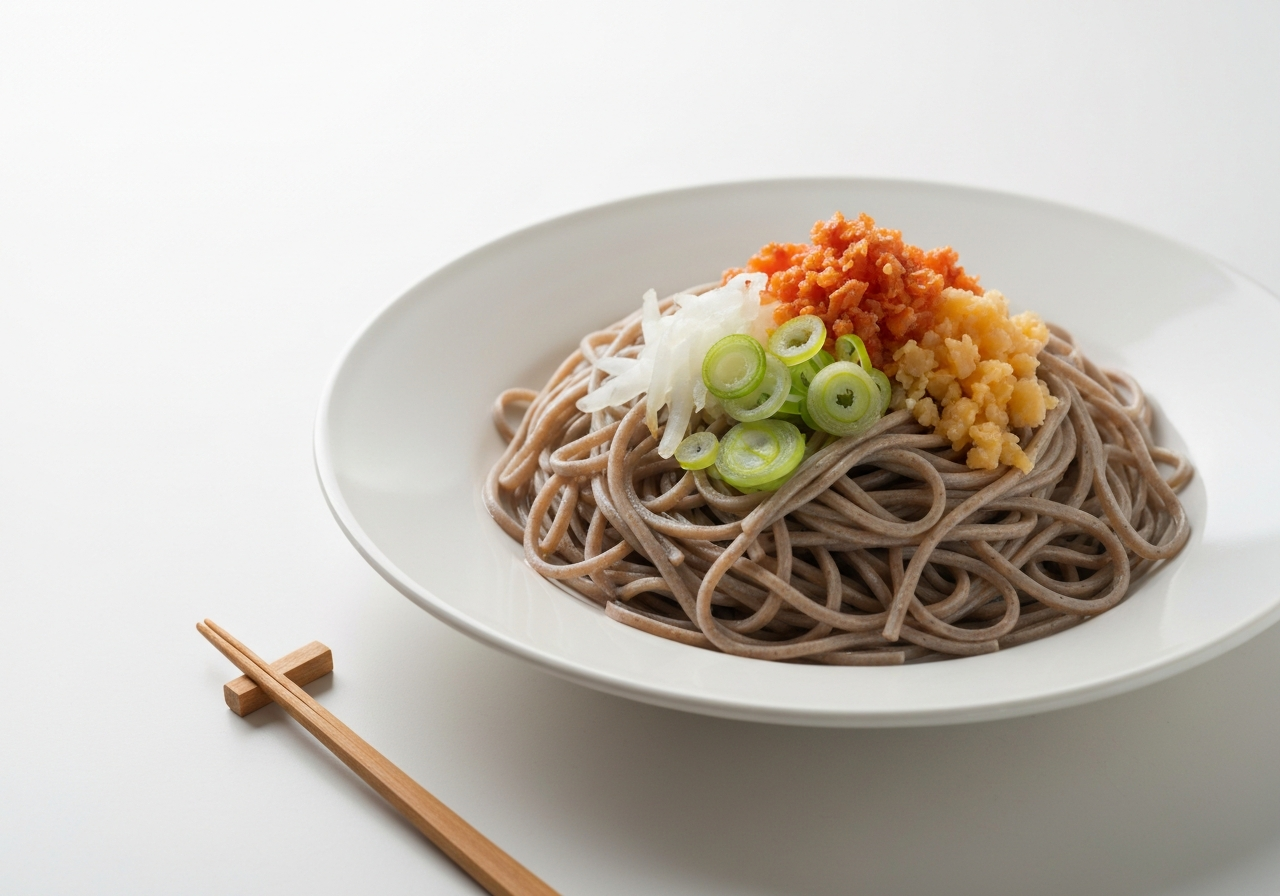
Soba shines in cold applications, perfect for meal prep.
* Chilled Soba Noodle Salad: Toss rinsed and chilled soba noodles with a sesame-ginger dressing, grated carrots, cucumber, edamame, and bell peppers. Add grilled chicken or tofu for extra protein.
* Soba Noodle Bowl with Roasted Veggies: Combine soba with roasted sweet potatoes, kale, avocado, and a tahini-lemon dressing.
Dinner Ideas
Warm soba dishes are comforting and nutrient-dense.
* Ginger-Miso Soba Soup: A light broth simmered with miso paste, ginger, garlic, mushrooms, and bok choy, with soba noodles added at the end. Top with tofu or lean protein.
* Soba Stir-Fry: Use soba noodles as the carbohydrate base for a quick stir-fry with lean protein (chicken, shrimp, or tempeh) and plenty of colorful vegetables.
Meal Prep Tips
- Cook Ahead: Prepare a batch of soba noodles at the beginning of the week. Cook, rinse well with cold water to remove excess starch and prevent clumping, then drain thoroughly. Store in an airtight container in the refrigerator for up to 3-4 days.
- Separate Components: Store noodles, protein, and dressing separately to maintain freshness and texture. Assemble just before eating.
Cooking Methods that Preserve Nutrients
The best way to cook soba noodles is straightforward:
1. Boil in Unsalted Water: Bring a pot of unsalted water to a rolling boil. Adding salt is optional but can increase sodium content.
2. Cook Al Dente: Add the dry soba noodles and cook according to package directions, typically 4-7 minutes, stirring occasionally to prevent sticking. Aim for an "al dente" texture, tender yet firm.
3. Rinse Thoroughly: After draining, immediately rinse the cooked soba noodles under cold water. This crucial step removes surface starch, preventing them from becoming sticky or gummy, and stops the cooking process.
4. Serve Promptly: For warm dishes, add the rinsed noodles to your hot broth or sauce just before serving. For cold dishes, ensure they are thoroughly chilled.
For Weight Loss
Soba noodles can be an excellent addition to a weight loss regimen due to their unique nutritional attributes.
- Satiety and Fullness: Compared to many other refined pastas, soba noodles are richer in both protein and fiber. This combination promotes greater satiety, helping you feel fuller for longer and potentially reducing overall calorie intake by curbing cravings. The lysine-rich plant protein and resistant starch in soba contribute to this feeling of fullness.
- Steady Energy Release: The complex carbohydrates in soba, coupled with its low glycemic index (GI), mean a slower and more sustained release of energy. This prevents rapid blood sugar spikes and subsequent energy crashes that can lead to increased hunger and overeating.
- Lean Protein Support: The protein content in soba helps preserve lean muscle mass during weight loss, which is vital for maintaining a healthy metabolism.
- Portion Recommendations: While soba noodles are beneficial, portion control remains essential for weight loss. We recommend a cooked serving of 1 to 1.5 cups (114-171g), which provides approximately 113-170 calories and 5.8-8.7g of protein. Always weigh your dry portion (e.g., 50g dry for roughly 100g cooked) to ensure accuracy in calorie and macro tracking.
- Pairing Suggestions: For optimal weight loss, pair soba noodles with lean protein sources like grilled fish, chicken breast, or tofu, and abundant non-starchy vegetables. Opt for light, low-sodium sauces and dressings to keep calorie and sodium levels in check.
For Muscle Gain
For those focused on muscle gain, soba noodles offer a valuable carbohydrate and protein source to fuel workouts and support recovery.
- Protein Content Benefits: Soba noodles provide a significant amount of plant-based protein, with 100g of cooked soba offering around 5.1-5.8 grams. When choosing 100% buckwheat soba, the protein is considered complete, containing all nine essential amino acids necessary for muscle protein synthesis and repair. This makes soba a superior choice compared to many other common pastas which offer less protein.
- Complex Carbohydrate Source: The complex carbohydrates in soba noodles provide sustained energy, crucial for powering intense training sessions and replenishing glycogen stores post-workout. Their low glycemic index helps maintain stable blood sugar, preventing energy dips during prolonged activity.
- Pre/Post Workout Timing:
- Pre-workout: Consuming soba noodles 1-2 hours before a workout can provide a steady release of energy without causing a sugar crash. Pair them with a lean protein source.
- Post-workout: Post-exercise, soba noodles, combined with a higher protein source, can help replenish glycogen quickly and deliver essential amino acids for muscle repair and growth.
- Bulking Meal Ideas:
- Power Soba Bowl: Combine cooked soba with grilled steak or chicken, steamed broccoli, and a generous portion of edamame, all tossed in a light peanut sauce.
- Hearty Soba Noodle Soup: A rich broth with soba, shredded chicken or beef, and a medley of root vegetables, providing ample calories and protein for muscle growth.
- Protein-Packed Stir-fry: Use soba as the base for a stir-fry featuring extra-firm tofu or lean ground meat, along with various high-protein vegetables like asparagus and snap peas.
Comparisons
Understanding how dry soba noodles stack up against other common noodles helps you make informed dietary choices.
vs. Similar Foods
- Soba vs. Udon: Udon noodles are thicker, chewier, and made primarily from wheat flour, making them higher in carbohydrates and typically lower in protein and fiber than 100% buckwheat soba. Soba noodles are often considered healthier due to their buckwheat content.
- Soba vs. Ramen: Most instant ramen noodles are highly processed, fried, and packed with sodium, artificial flavors, and very little nutritional value. Fresh or dried ramen noodles can be better but are still usually wheat-based, making soba a nutritionally superior choice, especially regarding protein and overall micronutrient density.
- Soba vs. Spaghetti (Wheat Pasta):
- 100% Buckwheat Soba: Similar in calories and protein to 100% whole-wheat spaghetti, but with a higher quality protein due to buckwheat's complete amino acid profile, particularly lysine. Soba typically has a lower glycemic index.
- Blended Soba (Buckwheat + Wheat): Will have a nutritional profile closer to regular wheat pasta. Standard pasta often contains about 43 grams of carbs per cup, compared to soba's 24 grams, and less protein.
Best Alternatives
If soba noodles are not available or if you're looking for variety, consider these alternatives:
* Whole-Wheat Spaghetti: Offers complex carbohydrates and a decent amount of fiber, similar to soba, though with slightly less protein quality.
* Quinoa Pasta: A gluten-free option that is also a complete protein source, offering a robust nutritional profile.
* Brown Rice Noodles: A good gluten-free choice, though typically lower in protein and fiber than soba.
When to Choose Each
- Choose Soba: Opt for 100% buckwheat soba when you need a gluten-free option, desire a lower glycemic index, or want to maximize plant-based protein and micronutrient intake, particularly manganese and thiamin. It's excellent for balanced blood sugar and satiety.
- Choose Whole-Wheat Spaghetti: A good choice for general complex carbohydrate intake and fiber, especially if gluten isn't a concern.
- Choose Udon/Ramen: Best for occasional indulgence, particularly if the unique texture or broth is the primary draw, but be mindful of sodium and overall nutritional content.
FAQs
Q1: Are dry soba noodles gluten-free?
A1: Authentic soba noodles made from 100% buckwheat flour are naturally gluten-free. However, many commercial brands blend buckwheat with wheat flour, so always check the ingredient label carefully to ensure it's 100% buckwheat if you have gluten sensitivities or celiac disease.
Q2: How many calories are in cooked soba noodles?
A2: A 100g serving of cooked soba noodles contains approximately 99 calories. A standard 1-cup (114g) serving usually has about 113 calories.
Q3: Do soba noodles help with weight loss?
A3: Yes, soba noodles can aid in weight loss due to their relatively high protein and fiber content, which promote fullness and satiety, potentially leading to reduced overall calorie intake. Their low glycemic index also helps regulate blood sugar and prevent cravings.
Q4: How long do dry soba noodles last?
A4: Like most dry pasta, dry soba noodles have a long shelf life and can typically last in your pantry for up to two years if stored properly in a cool, dry place. Look for changes in texture or smell to determine if they're past their prime.
Q5: What is the best way to cook soba noodles?
A5: To cook soba noodles, boil them in unsalted water for 4-7 minutes until al dente. After draining, it is crucial to rinse them thoroughly under cold water to remove excess starch and prevent them from sticking together or becoming gummy. They can then be served hot or cold.
Q6: Do soba noodles have more protein than regular pasta?
A6: Yes, soba noodles typically offer more protein than most other pasta types, providing around 5-6g of protein per cooked cup compared to 4-5g in white pasta, thanks to their buckwheat base.
Q7: What are the main micronutrients in soba noodles?
A7: Soba noodles are a good source of manganese and thiamin (Vitamin B1). They also contain smaller amounts of magnesium, phosphorus, potassium, iron, zinc, and other B vitamins.
Track Dry Soba Noodles easily with JustMacrosFit - your free macro tracking app.