Butter Chicken: Complete Macros & Nutrition Guide
Complete macro and nutrition guide for Butter Chicken. Learn calories, protein, carbs, fat per serving plus meal ideas and tracking tips.
Table of Contents
- Quick Answer
- Detailed Nutrition Facts
- Health Benefits
- Primary Benefits
- Who Should Eat This Food
- When to Eat It
- How to Track Macros
- Portion Measurement Tips
- Using Macro Tracking Apps
- Common Serving Sizes
- Meal Ideas & Preparation
- Breakfast, Lunch, Dinner Ideas
- Meal Prep Tips
- Cooking Methods That Preserve Nutrients
- For Weight Loss
- Why It's Good for Weight Loss (with modifications)
- Portion Recommendations
- Pairing Suggestions
- For Muscle Gain
- Protein Content Benefits
- Pre/Post Workout Timing
- Bulking Meal Ideas
- Comparisons
- vs. Similar Foods
- Best Alternatives
- When to Choose Each
- FAQs
- 1. Is Butter Chicken healthy?
- 2. How many calories are in Butter Chicken?
- 3. Is Butter Chicken good for weight loss?
- 4. Is Butter Chicken high in protein?
- 5. Can I make Butter Chicken dairy-free or lighter?
- 6. How long does homemade Butter Chicken last?
- 7. What's the main difference between Butter Chicken and Chicken Tikka Masala?
Butter Chicken Macros: Complete Nutrition Guide
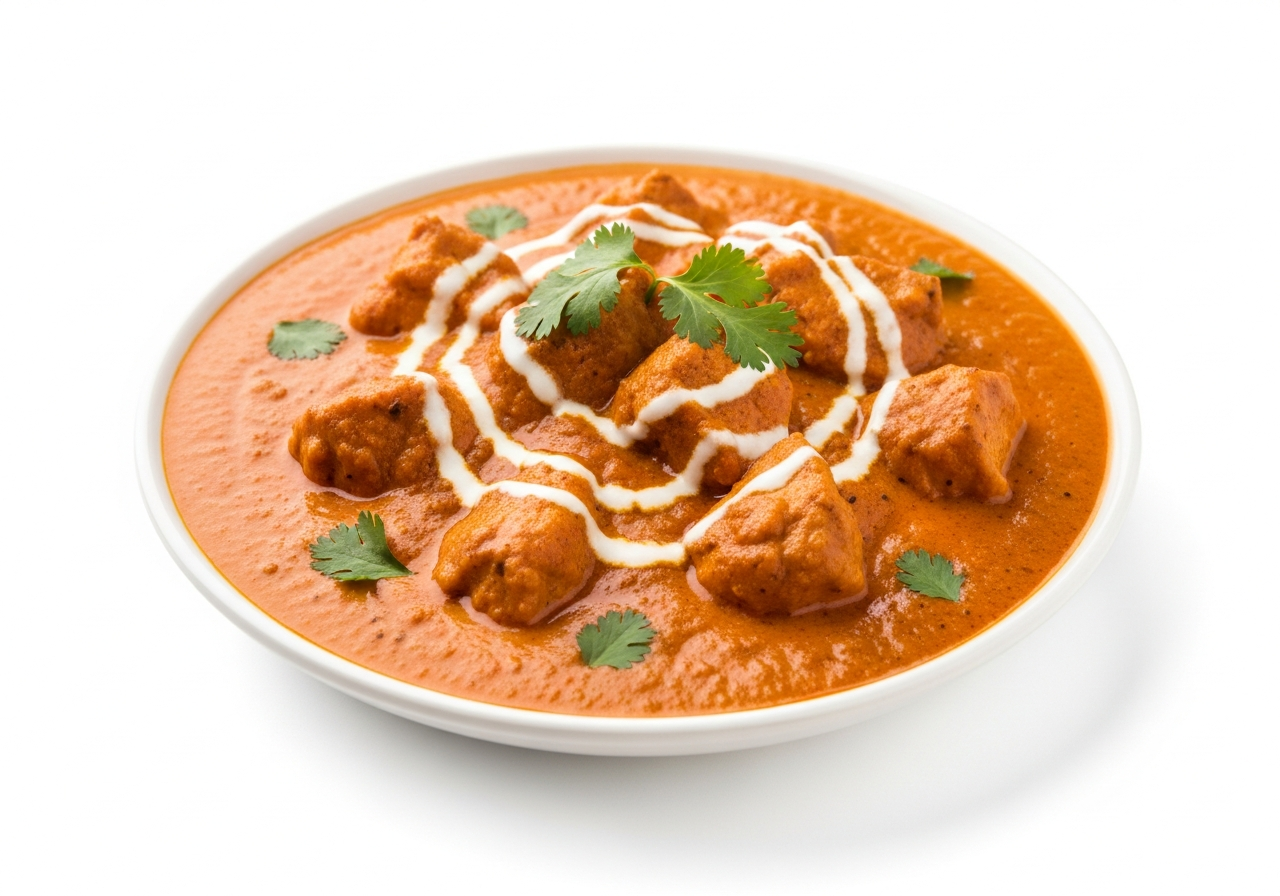
As nutrition writers and chefs for JustMacrosFit, we’re often asked about the nutritional profile of beloved dishes. Few generate as much interest, or as many questions, as Butter Chicken. This iconic Indian curry, known as Murgh Makhani, captivates palates worldwide with its rich, creamy, and subtly spiced tomato sauce enveloping tender pieces of chicken. But beyond its undeniable deliciousness, what does Butter Chicken offer in terms of macros and overall nutrition? Let's dive deep into understanding this culinary delight from a macro-tracking perspective.
Quick Answer
A typical 100g serving of Butter Chicken can range significantly in its macro breakdown due to variations in preparation. On average, it provides approximately 150-200 calories, with a notable contribution from protein and fats. We find that a 100g serving usually offers around 10-15 grams of protein, 8-12 grams of fat, and 5-10 grams of carbohydrates. It stands out as a protein-rich dish.
Detailed Nutrition Facts
The complete nutrition facts for Butter Chicken are highly dependent on the recipe and portion size, whether homemade or from a restaurant. A standard serving, often considered around 1 cup (200-250 grams), can pack a substantial nutritional punch.
Generally, a 250-gram serving might contain approximately 300-490 calories. This caloric density primarily stems from its generous use of cream and butter in the sauce.
Let's break down the macronutrients for a typical 250-gram serving:
- Calories: 300-490 calories
- Protein: 25-30 grams
- Fats: 20-35 grams (with saturated fat often around 10-14 grams)
- Carbohydrates: 10-15 grams (with some dietary fiber and sugars)
Hero Nutrients Spotlight: A 250g serving of Butter Chicken can easily provide 25-30 grams of high-quality protein, making it an excellent component for muscle repair and satiety.
When it comes to micronutrients, Butter Chicken, while rich, also offers several valuable vitamins and minerals. The chicken itself contributes significantly to B vitamins (like B6, which supports brain health and neurotransmitter production) and phosphorus (essential for strong bones and energy metabolism). The tomato-based sauce, a staple in this dish, is a good source of Vitamin C, Vitamin K, potassium, and powerful antioxidants like lycopene, which supports heart health. Additionally, spices like ginger, garlic, and turmeric bring in beneficial compounds that offer anti-inflammatory properties.
Serving size is a critical consideration. A single "serving" can vary from 100g to over 400g in some restaurant contexts. For instance, while some sources indicate 1 cup (200g) provides 300-450 calories, other larger servings can reach over 500 calories. This variability underscores the importance of mindful portioning when tracking your macros.
Compared to similar flavorful Indian dishes, Butter Chicken tends to be on the higher end regarding fat and calorie content due to the generous inclusion of butter and cream. For example, Chicken Tikka Masala, while sharing some similarities, often has a slightly tangier, tomato-heavy base and may contain less cream and butter, making it sometimes a lighter option in terms of fat and calories, often falling in the range of 350-400 calories per serving compared to Butter Chicken's 450-500.
Health Benefits
Beyond its rich flavor, Butter Chicken, when prepared thoughtfully, offers several health benefits rooted in its core ingredients.
Primary Benefits
- High-Quality Protein Source: The primary ingredient, chicken, is a complete protein, meaning it contains all essential amino acids necessary for muscle building, repair, and maintenance. This makes Butter Chicken an excellent choice for individuals looking to meet their daily protein requirements, supporting satiety and overall bodily functions.
- Rich in Micronutrients and Antioxidants: The tomato base provides vitamins C, K, and lycopene, a potent antioxidant known for its potential heart health benefits. The array of spices commonly used, such as turmeric, ginger, and garlic, contributes significant anti-inflammatory and antioxidant properties, supporting overall wellness and immunity. Curcumin in turmeric, for example, is well-regarded for its anti-inflammatory effects.
- Satiety and Energy: The combination of protein and healthy fats helps promote satiety, keeping you feeling fuller for longer and potentially reducing overall calorie intake later in the day. It’s an energy-dense meal that can provide sustained fuel.
Who Should Eat This Food
Butter Chicken is an excellent meal for individuals with higher energy demands, such as athletes, those engaged in rigorous physical activity, or anyone aiming for muscle gain. It is also suitable for those who appreciate a flavorful, satisfying, and protein-rich meal as part of a balanced diet. Individuals managing conditions like PCOS can also incorporate protein-rich meals, focusing on mindful preparation.
When to Eat It
We generally recommend enjoying Butter Chicken as a substantial lunch or dinner. Its rich and satisfying nature makes it a perfect centerpiece for a family meal. For post-workout recovery, its high protein content is beneficial, though some may prefer a leaner protein source depending on their immediate recovery goals.
How to Track Macros
Accurately tracking macros for dishes like Butter Chicken, especially those with complex sauces and varying preparation methods, can seem daunting. However, with a few expert tips, you can confidently integrate this delicious meal into your macro-tracking journey.
Portion Measurement Tips
Precision is key in macro tracking, and measuring your portions is the most reliable way to know exactly what you're consuming.
- Use a Food Scale: We cannot stress this enough. For accuracy, weigh your portion of Butter Chicken in grams. This eliminates guesswork, as visual estimations can often lead to significant discrepancies.
- Separate Components (if possible): If you're making it at home, measuring the chicken separately from the sauce can provide more granular data, especially if you plan to adjust the sauce's richness.
- Be Mindful of Added Fats: When serving, remember that any extra drizzle of cream or butter, or a large piece of naan, will quickly add to your calorie and fat count. Account for these additions.
Using Macro Tracking Apps
Modern macro tracking apps are invaluable tools, and JustMacrosFit is designed to make this process seamless.
- Search for "Butter Chicken": Our app's database, like many others, includes entries for Butter Chicken. However, due to recipe variability, always cross-reference or, better yet, create a custom entry if you make your own.
- Create Custom Recipes: For homemade Butter Chicken, input all your ingredients and their quantities into the "Create Recipe" feature of your macro tracking app. The app will then calculate the total macros, and you can divide this by the number of servings to get accurate per-serving data. This is particularly useful for Indian home-cooked meals where standard database entries might not perfectly match your specific preparation.
- Adjust for Restaurant Meals: When dining out, understand that restaurant versions are often richer. Look for entries labeled "restaurant style" or estimate on the higher end of the calorie and fat spectrum. Apps specifically designed for Indian cuisine, like NutriScan, can offer more accurate estimations for diverse dishes, including oil levels and cooking methods.
Common Serving Sizes
While we encourage weighing for accuracy, here are some common serving size references:
- Small Serving: Approximately 150g (around 225-300 calories)
- Standard Serving: Approximately 1 cup or 200-250g (around 300-490 calories)
- Large Serving: 300g or more (can exceed 600 calories)
Always remember that these are estimates, and the actual macro count can vary widely.
Meal Ideas & Preparation
As chefs, we know that enjoying your food is as important as its nutritional value. Butter Chicken is incredibly versatile, and with a few smart preparation techniques, you can enhance its macro profile and integrate it into various meal plans.
Breakfast, Lunch, Dinner Ideas
While traditionally a dinner staple, the high protein content of Butter Chicken makes it an excellent candidate for lunch, especially when meal prepped. It’s not a common breakfast item, but for those who enjoy savory, protein-heavy morning meals, a smaller portion could theoretically fit.
- Lunch: Pair a measured portion of Butter Chicken with a generous serving of mixed greens or a light cucumber salad. This adds volume and micronutrients without excessive calories.
- Dinner: Serve with a modest portion of steamed basmati rice or, for a lower-carb option, cauliflower rice. Whole wheat naan, in controlled amounts, also makes a satisfying accompaniment. Adding steamed or roasted vegetables like green beans or broccoli further balances the meal.
Meal Prep Tips
Butter Chicken is fantastic for meal prepping, as its flavors often deepen overnight.
- Cook in Batches: Prepare a larger batch of Butter Chicken at the beginning of the week.
- Portion Control: Once cooked and cooled, divide it into individual serving containers according to your desired macro targets.
- Storage: Store in airtight containers in the refrigerator for up to 3-5 days. For longer storage, it freezes well for up to 3 months. Reheat gently on the stovetop or in the microwave, adding a splash of water or a little extra cream to restore its creamy texture if needed.
Cooking Methods That Preserve Nutrients
Homemade Butter Chicken gives you complete control over ingredients and cooking methods, allowing for healthier modifications.
- Leaner Chicken Cuts: Opt for boneless, skinless chicken breast instead of thigh meat to reduce saturated fat.
- Reduce Fats: Use less butter and cream than traditional recipes call for. You can substitute some of the heavy cream with Greek yogurt (full-fat or low-fat) or evaporated milk for creaminess with fewer calories and increased protein. Some recipes even use pureed butternut squash to add creaminess and sweetness with fewer calories.
- Load Up on Vegetables: Incorporate finely diced vegetables like bell peppers or zucchini into the sauce to boost fiber and micronutrient content.
- Mind the Oil: Use a minimal amount of healthy cooking oil (like olive oil) for sautéing, or even consider oil-free cooking where possible.
- Avoid Added Sugars: Many restaurant or pre-made Butter Chicken sauces contain added sugars to balance the tanginess of tomatoes. Prepare your sauce from scratch to control sugar content.
For Weight Loss
We understand the perception that Butter Chicken might be a "cheat meal" when focusing on weight loss. However, with strategic modifications and mindful consumption, it can absolutely fit into a calorie-controlled diet.
Why It's Good for Weight Loss (with modifications)
The inherent strength of Butter Chicken for weight loss lies in its high protein content. Protein is crucial for satiety, helping you feel full and satisfied, which can prevent overeating throughout the day. It also has a higher thermic effect than fats or carbohydrates, meaning your body burns more calories digesting it.
By swapping out some high-fat ingredients for leaner alternatives, you can significantly reduce the overall calorie and fat count while retaining the rich flavors and benefiting from the protein. Low-calorie butter chicken recipes exist, some boasting as few as 278 calories per serving.
Portion Recommendations
Portion control is paramount when including Butter Chicken in a weight loss plan. Due to its traditional richness, even a small increase in serving size can dramatically impact your total calorie intake. We recommend:
- Measuring Strictly: Always weigh your portion (e.g., 150-200g of the modified, lighter version) to ensure accuracy.
- Focus on the Chicken: Prioritize the lean chicken pieces to maximize protein intake within your calorie budget.
- Dilute the Sauce: Consider having slightly more chicken and less sauce if you find the sauce too rich, or ensure your sauce is made with lighter ingredients.
Pairing Suggestions
To create a balanced and filling meal for weight loss, pair your modified Butter Chicken with foods that add volume and fiber without excess calories:
- Cauliflower Rice: An excellent low-carb, low-calorie alternative to traditional rice.
- Whole Grains: If you prefer grains, a small serving of brown rice or whole-wheat naan provides complex carbohydrates and fiber.
- Abundant Vegetables: Load your plate with non-starchy vegetables like steamed broccoli, spinach, bell peppers, or a large garden salad. These add essential vitamins, minerals, and fiber, enhancing satiety.
For Muscle Gain
For individuals focused on muscle gain, Butter Chicken can be a fantastic and enjoyable component of a bulking diet, provided you're mindful of the overall calorie and macronutrient balance.
Protein Content Benefits
Butter Chicken is an excellent source of high-quality animal protein, which is vital for muscle protein synthesis, repair, and growth. A single serving can provide 25-30 grams of protein, a significant contribution towards daily protein targets. The complete amino acid profile of chicken makes it highly effective for supporting anabolic processes in the body.
Pre/Post Workout Timing
While high-fat meals are generally not recommended immediately before or after an intense workout (as fat slows digestion), Butter Chicken can be a great option a few hours post-workout. This allows for adequate protein delivery for muscle recovery without hindering nutrient absorption. Its energy density also helps replenish glycogen stores, especially when paired with carbohydrates.
Bulking Meal Ideas
When bulking, the goal is often to consume a caloric surplus. Butter Chicken's traditional richness can be an advantage here.
- Generous Portions: Enjoy larger portions of Butter Chicken (e.g., 300g or more), ensuring ample protein and calories.
- Carbohydrate Load: Serve with a substantial portion of basmati rice or multiple pieces of naan to significantly boost carbohydrate intake, providing energy for workouts and aiding muscle glycogen replenishment.
- Add Healthy Fats: While the dish already contains fats, you can further enhance its caloric density with a side of avocado or a sprinkle of nuts (e.g., cashews in the sauce, if not already present) for additional healthy fats.
Comparisons
Understanding how Butter Chicken stacks up against other popular dishes can help you make informed choices that align with your dietary goals.
vs. Similar Foods
The most common comparison is with Chicken Tikka Masala. While both are creamy, tomato-based chicken curries, there are distinct differences:
- Butter Chicken: Tends to be richer, creamier, and milder in flavor, with a more pronounced buttery and sweet profile. It typically contains more heavy cream and butter, leading to higher fat and calorie counts. A serving might range from 450-500 calories.
- Chicken Tikka Masala: Often spicier, tangier, and relies more on a robust blend of spices and a tomato-heavy, sometimes yogurt-based, sauce. It generally contains less cream and butter, making it a slightly lighter option, usually around 350-400 calories per serving. Some sources even suggest Tikka Masala can have more sodium due to canned tomato puree.
Other comparisons:
- Korma: Similar to Butter Chicken in creaminess and mildness, Korma often uses ground nuts (like cashews or almonds) and coconut milk or cream, sometimes making it comparable in caloric density.
- Plain Grilled Chicken: Clearly the leanest option, offering high protein with minimal fat and carbohydrates. Butter Chicken provides a more complex flavor profile and additional micronutrients from the sauce and spices, but at a higher caloric cost.
Best Alternatives
If you're looking for a healthier, lower-calorie alternative to traditional Butter Chicken, especially from restaurants, consider:
- Homemade "Healthy" Butter Chicken: As discussed, modifying the recipe with leaner chicken, Greek yogurt instead of heavy cream, and reduced butter can dramatically cut down calories and fat.
- Lighter Chicken Curries: Opt for curries that are primarily tomato-based or use coconut milk in moderation, with less added cream or ghee.
- Chicken Stir-Fries: A quick, lean, and vegetable-rich alternative that prioritizes protein and micronutrients.
When to Choose Each
- Choose Butter Chicken (traditional): For an indulgent meal, when bulking for muscle gain, or when your macros allow for a higher-calorie, higher-fat meal. It's excellent for satisfying comfort food cravings.
- Choose Lighter Butter Chicken/Tikka Masala: When you're aiming for weight loss, maintaining your weight, or prefer a less calorically dense meal. These options still provide excellent protein and flavor without overshooting your macro targets. Tikka Masala is also a great choice if you prefer a spicier, tangier profile.
FAQs
Here are some of the most common questions we receive about Butter Chicken macros and nutrition:
1. Is Butter Chicken healthy?
Yes, Butter Chicken can be part of a healthy diet, especially when consumed in moderation and prepared with mindful modifications. It is a good source of protein and contains beneficial micronutrients from chicken, tomatoes, and spices. However, traditional restaurant versions can be very high in calories, saturated fat, and sometimes sugar.
2. How many calories are in Butter Chicken?
The calorie count varies significantly. A 100g serving can range from 129 to over 200 calories. A typical 1-cup (200-250g) serving can contain anywhere from 300 to 490 calories, depending on the recipe's fat and cream content.
3. Is Butter Chicken good for weight loss?
Yes, it can be, provided it's prepared healthily and portions are controlled. Its high protein content contributes to satiety, which can support weight management. Opt for leaner chicken, reduce butter and cream, and pair it with low-calorie, high-fiber sides like cauliflower rice and vegetables.
4. Is Butter Chicken high in protein?
Absolutely. Chicken is a lean, high-quality protein source. A typical serving of Butter Chicken (around 200-250g) usually provides 25-30 grams of protein, making it an excellent choice for meeting daily protein requirements and supporting muscle health.
5. Can I make Butter Chicken dairy-free or lighter?
Yes! To make it dairy-free, you can substitute traditional butter with vegan butter and cream with coconut milk or cashew cream. For a lighter version, replace heavy cream with Greek yogurt, evaporated milk, or even pureed butternut squash, and reduce the amount of butter.
6. How long does homemade Butter Chicken last?
When stored properly in an airtight container in the refrigerator, homemade Butter Chicken typically lasts for 3 to 5 days. It can also be frozen for up to 3 months, making it a great option for meal prepping.
7. What's the main difference between Butter Chicken and Chicken Tikka Masala?
The primary difference lies in their richness and flavor profile. Butter Chicken is generally creamier, milder, and sweeter, using more butter and cream, leading to higher fat and calorie content. Chicken Tikka Masala tends to be spicier, tangier, and often has a more tomato-forward, slightly less creamy sauce, making it typically a bit lighter.
Track Butter Chicken easily with JustMacrosFit - your free macro tracking app.