Spinach: Complete Macros & Nutrition Guide
Complete macro and nutrition guide for Spinach. Learn calories, protein, carbs, fat per serving plus meal ideas and tracking tips.
Table of Contents
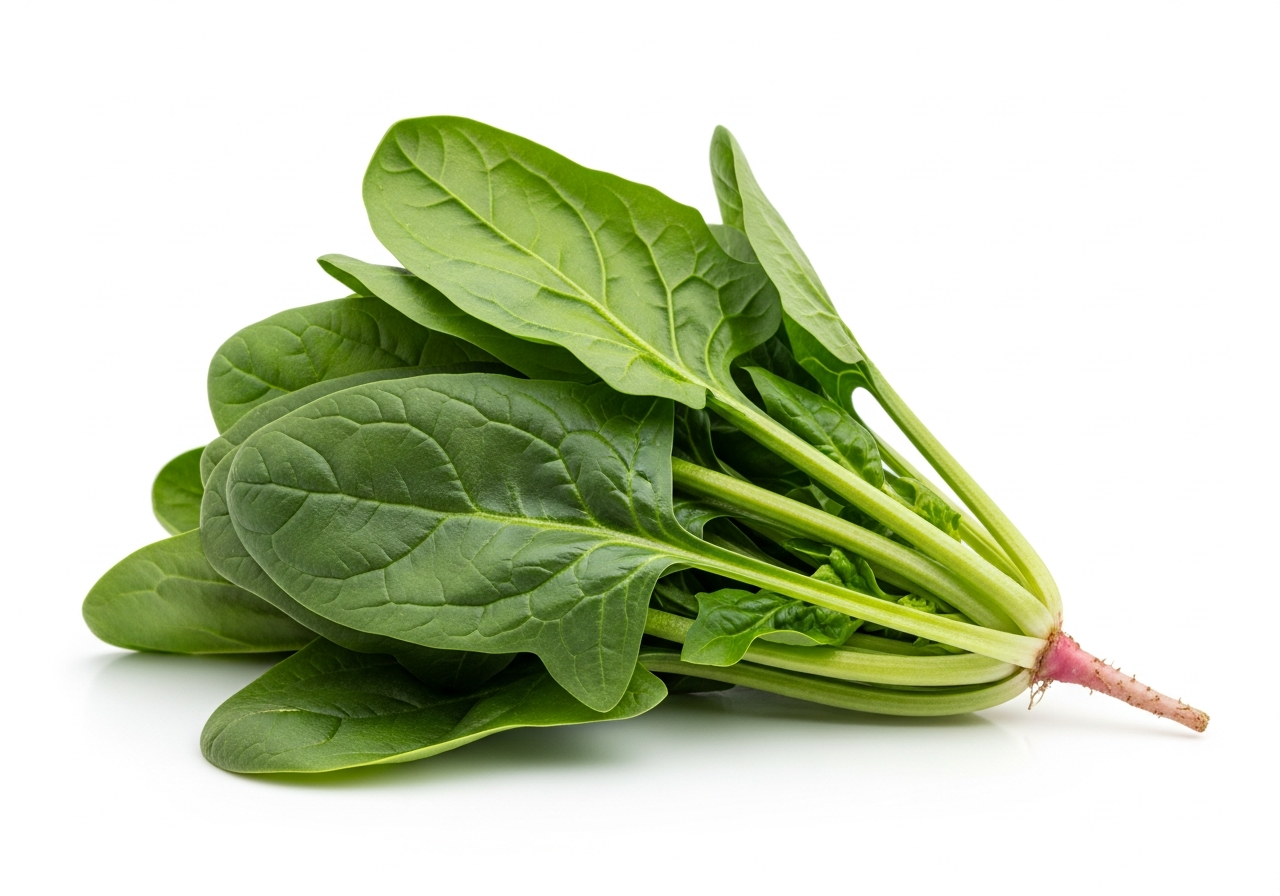
Spinach Macros: Complete Nutrition Guide
For anyone on a journey to optimize their health, manage weight, or build muscle, understanding the macros and nutrition facts of the foods we eat is paramount. As the JustMacrosFit team, we believe in empowering our community with comprehensive insights into foundational ingredients. Today, we're diving deep into spinach, a leafy green powerhouse often hailed as a superfood, to uncover its full nutrition facts and explain why it deserves a prime spot in your diet.
Quick Answer
Spinach is a remarkably low-calorie vegetable, offering an excellent source of micronutrients with minimal impact on your daily macros. Per 100g of raw spinach, you can expect approximately 23 calories, 3.6g of carbohydrates, 2.9g of protein, and a mere 0.4g of fat, making it an incredibly nutrient-dense food. Its standout feature is its exceptional vitamin K content, vital for bone health and blood clotting.
Detailed Nutrition Facts
When we delve into the nutrition facts of spinach, we discover a treasure trove of health-promoting compounds. Whether raw or cooked, spinach remains a champion for its impressive micronutrient profile, all while keeping its calorie and macro counts remarkably low.
A 100-gram serving of raw spinach contains roughly:
* Calories: 23
* Carbohydrates: 3.6g
* Fiber: 2.2g
* Sugars: 0.4g
* Protein: 2.9g
* Fat: 0.4g
This macro breakdown highlights spinach as a fantastic source of dietary fiber, contributing to satiety and digestive health without adding significant calories. The protein content, while not massive, is notable for a leafy green, making it a valuable addition to plant-based diets.
Beyond the macros, spinach shines brightly in its micronutrient offerings. It's packed with vitamins and minerals essential for countless bodily functions:
- Vitamin K: Crucial for blood clotting and bone health, providing well over 100% of the Daily Value (DV) in a single serving.
- Vitamin A (as beta-carotene): Important for vision, immune function, and skin health.
- Vitamin C: A potent antioxidant that supports immune health and collagen production.
- Folate (Vitamin B9): Essential for cell division and DNA synthesis, particularly important during pregnancy.
- Iron: Vital for oxygen transport in the blood, though the non-heme iron in spinach is best absorbed with Vitamin C.
- Magnesium: Involved in over 300 enzymatic reactions, supporting muscle and nerve function, blood glucose control, and blood pressure regulation.
- Manganese: Important for bone development, metabolism, and antioxidant defenses.
- Potassium: Crucial for maintaining fluid balance and healthy blood pressure.
When considering serving sizes, remember that raw spinach significantly reduces in volume when cooked. A cup of raw spinach is a very small amount by weight (around 30g), whereas a cup of cooked spinach is much denser (around 180g). This means a greater nutrient intake per volume when consumed cooked. Compared to similar foods like romaine lettuce, spinach offers a far superior micronutrient density and generally higher fiber and protein per serving. Even against other leafy greens like kale, spinach often holds its own, particularly in iron and Vitamin K content.
Health Benefits
Incorporating spinach into your diet brings a cascade of health benefits, making it an indispensable food for virtually everyone. The JustMacrosFit team consistently champions foods that provide a broad spectrum of advantages, and spinach is a prime example.
One of spinach's primary benefits lies in its powerful antioxidant and anti-inflammatory properties. These compounds help combat oxidative stress and reduce inflammation in the body, which are underlying factors in many chronic diseases. The high concentration of vitamin K contributes significantly to bone health, playing a critical role in bone mineralization and reducing the risk of osteoporosis. We often recommend it for individuals looking to support a strong skeletal system.
Hero Nutrients: Spinach is an exceptional source of Vitamin K, Vitamin A, and Folate, all vital for robust health.
Spinach is also a friend to your cardiovascular system. Its potassium content helps regulate blood pressure, while nitrates present in spinach have been shown to improve blood flow and reduce blood pressure. For those concerned with vision, the carotenoids lutein and zeaxanthin in spinach are crucial for eye health, protecting against age-related macular degeneration and cataracts.
Who should eat this food? Almost everyone!
* Athletes: Its iron and magnesium content supports energy production and muscle function, aiding in recovery.
* Individuals managing weight: Its low calorie and high fiber content promote satiety, making it an excellent choice for weight loss.
* Those with chronic conditions: The anti-inflammatory and antioxidant properties can be beneficial.
* Pregnant women: Its high folate content is crucial for fetal development.
When to eat it? Spinach is incredibly versatile and can be enjoyed at any meal. We encourage our members to add it to breakfast smoothies, lunch salads, or dinner stir-fries. There's no wrong time to boost your nutrient intake with this green powerhouse.
How to Track Macros
Accurately tracking your macros is key to achieving your fitness and health goals. With a nutrient-dense food like spinach, understanding portion measurement is crucial, especially given its volume reduction when cooked.
For precise macro tracking, we always recommend using a digital kitchen scale. This allows you to measure your food in grams, which is far more accurate than volumetric measurements (like cups) that can vary widely.
- Raw Spinach: A standard serving might be 30g (about 1 cup loosely packed) or 100g. If using cups, be mindful of how densely you pack it.
- Cooked Spinach: This is where weight measurement becomes even more critical. A cup of cooked spinach can weigh significantly more than raw. Aim for 90-180g (0.5 to 1 cup) depending on your meal and goals.
When using macro tracking apps, like JustMacrosFit, you can search for "Spinach, raw" or "Spinach, cooked" and enter the weight in grams for the most accurate data. Many apps also provide common serving sizes in cups, but for true precision, especially when you're meticulously hitting specific macro targets, a scale is your best friend. Remember, consistent tracking helps you understand your intake patterns and make informed adjustments.
Meal Ideas & Preparation
Spinach's mild flavor and tender texture make it a culinary chameleon, easily integrated into a wide array of dishes. As nutrition coaches and chefs, we love its versatility for creating delicious and macro-friendly meals.
Breakfast Ideas:
* Green Smoothie: Blend a handful of spinach with fruit (banana, berries), protein powder, and liquid (almond milk, water) for a nutrient-packed start.
* Spinach and Feta Scramble: Sauté spinach with garlic, then whisk into eggs with a sprinkle of feta cheese.
* Breakfast Wrap: Fill a whole-wheat tortilla with scrambled eggs, spinach, and a lean protein source.
Lunch Ideas:
* Vibrant Salad: Use spinach as the base for a hearty salad with grilled chicken or chickpeas, diverse vegetables, and a light vinaigrette.
* Spinach and Turkey Pinwheels: Spread hummus on a whole-wheat tortilla, layer with spinach and sliced turkey, then roll tightly and slice.
* Pasta Salad with Spinach: Toss cooked whole-wheat pasta with spinach, cherry tomatoes, olives, and a balsamic dressing.
Dinner Ideas:
* Garlic Sautéed Spinach: A classic, simple side dish. Sauté with olive oil and garlic until just wilted.
* Spinach and Ricotta Stuffed Shells: Mix cooked spinach with ricotta cheese, herbs, and stuff into pasta shells, baked with marinara sauce.
* Creamy Spinach Chicken: Add a generous amount of spinach to a chicken and cream sauce dish for added nutrients and color.
Meal Prep Tips:
* Wash and Store: Wash spinach thoroughly and store in the refrigerator with a paper towel to absorb excess moisture, extending its freshness.
* Blanching: For longer storage or to reduce volume, quickly blanch spinach in boiling water, then plunge into ice water. Squeeze out excess water and freeze in portions. This is great for future smoothies or cooked dishes.
Cooking Methods that Preserve Nutrients:
While cooking can sometimes reduce the content of certain heat-sensitive vitamins (like Vitamin C), it can also increase the bioavailability of others (like iron and carotenoids).
* Raw: Ideal for salads and smoothies to retain maximum Vitamin C and folate.
* Steaming: A gentle method that minimizes nutrient loss. Steam until just wilted.
* Sautéing: Quick sautéing in a healthy fat (like olive oil) can help absorb fat-soluble vitamins (A, K) and offers a delicious flavor.
* Wilted into hot dishes: Stir into soups, stews, or pasta sauces at the very end of cooking.
For Weight Loss
For individuals focusing on weight loss, spinach is an unparalleled ally. Our experience as nutrition coaches tells us that success in weight management often hinges on choosing foods that are both satisfying and low in calories, and spinach fits this description perfectly.
Key Data: A generous 100g serving of raw spinach contains only 23 calories, making it a powerful volume food for weight loss.
Spinach's incredibly low calorie density means you can consume a significant volume of it without significantly impacting your daily calorie budget. This "volume eating" strategy is highly effective because it helps you feel full and satisfied, reducing the likelihood of overeating higher-calorie foods. The high fiber content in spinach further contributes to satiety, slowing digestion and stabilizing blood sugar levels, which can curb cravings.
Portion Recommendations: We encourage our members to be generous with spinach. Aim for at least 1-2 cups of raw spinach per meal, or 0.5-1 cup cooked. Don't be shy about adding extra handfuls to your scrambles, soups, or even just wilting a large batch as a side dish.
Pairing Suggestions for Weight Loss:
* Lean Protein: Combine spinach with lean protein sources like grilled chicken breast, fish, tofu, or lentils. The protein and fiber combination is incredibly satiating.
* Healthy Fats: A small amount of healthy fats (avocado, nuts, seeds, olive oil) with spinach can enhance the absorption of fat-soluble vitamins and add to satisfaction.
* Whole Grains: Pair spinach with moderate portions of whole grains (quinoa, brown rice) for sustained energy and additional fiber.
For Muscle Gain
While spinach isn't going to build biceps on its own, it plays a critical supporting role in muscle gain programs. The JustMacrosFit team understands that muscle growth isn't just about protein; it's about a holistic nutritional approach that includes micronutrients for recovery, energy, and overall cellular health.
Spinach's protein content, while modest, contributes to your overall daily protein intake, especially when consumed in larger quantities as part of a varied diet. More importantly, spinach is rich in micronutrients that support muscle function and recovery:
- Magnesium: Essential for muscle contraction and relaxation, and helps prevent cramps. It's also involved in ATP (energy) production.
- Potassium: Crucial for fluid balance and nerve signals that control muscle movement.
- Iron: Vital for oxygen transport to working muscles, improving endurance and reducing fatigue.
- Nitrates: Studies suggest that the nitrates in spinach can enhance exercise performance by improving muscle efficiency and reducing the oxygen cost of exercise.
Pre/Post Workout Timing:
* Pre-workout: Adding spinach to a pre-workout smoothie or meal can provide nitrates and micronutrients to support energy and performance.
* Post-workout: Incorporate spinach into your post-workout meals to replenish electrolytes, aid in recovery with its anti-inflammatory compounds, and contribute to overall nutrient repletion.
Bulking Meal Ideas:
* High-Calorie Smoothies: Blend spinach into smoothies with higher-calorie additions like oats, nut butter, whole milk, and protein powder.
* Pasta with Meat Sauce and Spinach: Stir a generous amount of spinach into a rich, protein-heavy meat sauce for pasta.
* Chicken and Spinach Curry: Add spinach to curries or stews that also contain substantial sources of protein and carbohydrates.
* Spinach and Egg Frittata with Cheese: A delicious way to get protein, fat, and micronutrients.
Comparisons
In the world of leafy greens, spinach is often compared to its nutrient-dense cousins. Understanding these comparisons can help you make informed choices based on your taste preferences and specific nutrition facts goals.
Spinach vs. Kale: Both are nutritional powerhouses.
* Kale is generally higher in Vitamin C and calcium. It has a slightly tougher texture and a more robust, sometimes bitter, flavor.
* Spinach typically offers more Vitamin K, folate, and iron. Its milder taste and tender leaves make it more versatile for raw consumption.
* When to choose each: Choose kale when you want a stronger flavor, a chewier texture (great for massaged salads), or a boost in Vitamin C. Opt for spinach for a milder taste, quick cooking, or when prioritizing iron and folate.
Spinach vs. Romaine Lettuce:
* Romaine is very low in calories and offers a crisp texture, making it a popular base for salads. However, its micronutrient profile is generally less concentrated than spinach.
* Spinach vastly outperforms romaine in terms of iron, Vitamin K, and protein density per serving.
* When to choose each: Romaine is excellent for adding crunch and volume without many calories, while spinach offers a significantly higher nutrient boost. We often suggest a blend of both for variety in texture and nutrition.
Best Alternatives: If spinach isn't available or you're looking to diversify, other excellent leafy green alternatives include:
* Swiss Chard: Similar to spinach in flavor and texture when cooked, offering a good source of vitamins A, C, and K.
* Collard Greens: A heartier green, great for longer cooking times, and packed with Vitamin K.
* Arugula: Adds a peppery kick to salads and sandwiches, also high in Vitamin K.
* Beet Greens: Often overlooked, these are very similar to spinach and chard in nutrient profile.
When making your choice, consider the preparation method, desired flavor profile, and the specific micronutrients you might be targeting that day. All leafy greens are a win in our book!
FAQs
As expert nutrition writers and chefs at JustMacrosFit, we frequently encounter common questions about spinach. Here are some of the most pressing inquiries regarding its macros, cooking, and storage.
1. Is raw or cooked spinach better for you?
Both raw and cooked spinach offer unique benefits. Raw spinach retains more heat-sensitive vitamins like Vitamin C and folate. Cooking, however, can increase the bioavailability of iron, magnesium, and calcium, and make certain carotenoids (like beta-carotene) easier for your body to absorb. We recommend consuming a mix of both to get the full spectrum of benefits.
2. How many calories are in a cup of spinach?
A standard cup of raw spinach (about 30g) contains approximately 7 calories. When cooked, the volume shrinks significantly, so a cup of cooked spinach (closer to 180g) would contain around 41 calories.
3. Does spinach have a lot of protein?
For a leafy green, spinach has a relatively good amount of protein, with about 2.9g per 100g. While not a primary protein source, it contributes meaningfully to your daily protein intake, especially when consumed in larger quantities throughout the day.
4. Can I eat spinach every day?
Yes, incorporating spinach into your daily diet is highly beneficial. Its rich nutrient profile supports overall health without providing excessive calories or macros. However, individuals prone to kidney stones should be mindful of spinach's oxalate content and consult with a healthcare professional.
5. How should I store spinach to keep it fresh?
To keep spinach fresh, store it unwashed in the crisper drawer of your refrigerator. Place it in a plastic bag lined with paper towels to absorb excess moisture, which can cause it to spoil faster. Wash only right before use.
6. What is the oxalate content in spinach, and is it a concern?
Spinach is relatively high in oxalates, which can bind to minerals like calcium and iron, potentially reducing their absorption. For most healthy individuals, this is not a significant concern with a balanced diet. Cooking can reduce oxalate levels. If you have kidney issues or are prone to kidney stones, consult your doctor.
7. Does freezing spinach affect its nutritional value?
Freezing spinach generally preserves most of its nutritional value, including macros and many vitamins and minerals. It can be a convenient way to store spinach, especially if you buy it in bulk. Frozen spinach is excellent for smoothies, soups, and cooked dishes.
Track Spinach easily with JustMacrosFit - your free macro tracking app.