Shrimp: Recipes & Meal Ideas
Discover delicious shrimp recipes with full macros. 5 easy high-protein meal ideas, meal prep tips, and macro-friendly cooking methods.
Table of Contents
- Quick Nutritional Profile
- Quick 10-Minute Lemon-Garlic Shrimp
- 5 High-Protein Shrimp Recipes
- 1. Basic Grilled Shrimp Skewers with Herb Marinade (Basic Prep)
- 2. Zesty Shrimp & Avocado Bowl (15-Min Quick Meal)
- 3. Spicy Garlic Shrimp with Zucchini Noodles (Post-Workout Bowl)
- 4. Lemon-Herb Baked Shrimp with Asparagus (Cutting/Low-Cal)
- 5. Creamy Coconut Curry Shrimp (Cycle-Syncing Comfort Meal - Luteal Phase)
- Meal Prep & Storage Guide
- Cycle Syncing & Health Benefits
- Common Mistakes to Avoid
- Conclusion
Fuel Your Fire: The Ultimate Guide to High-Protein Shrimp Recipes for Fitness & Hormonal Harmony
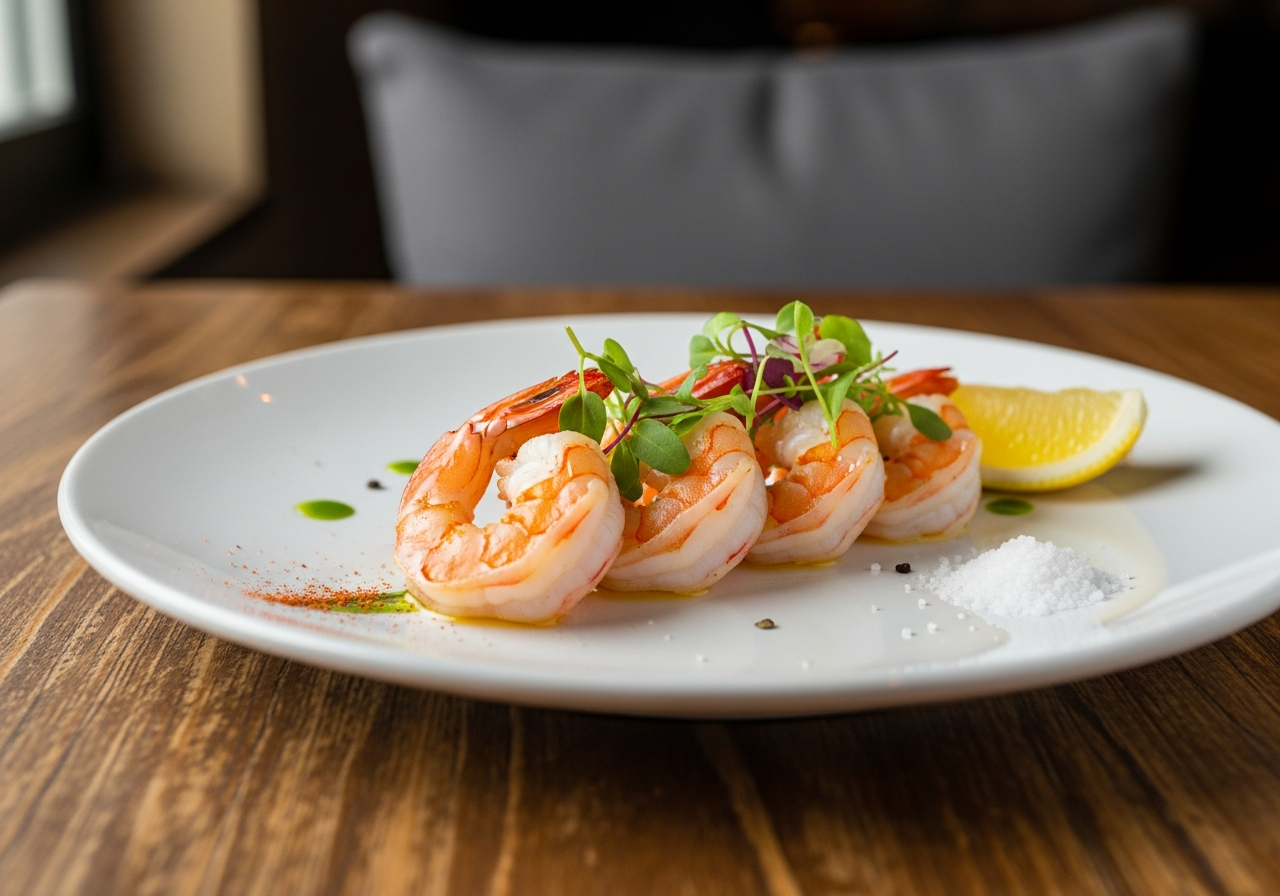
Are you a fitness enthusiast meticulously tracking your macros, or a woman aiming to synchronize your nutrition with your menstrual cycle? Look no further than shrimp – the often-underestimated powerhouse of protein and energy that deserves a prime spot in your meal prep rotation. These succulent crustaceans are not only quick to cook, making them perfect for busy schedules, but they also pack a formidable nutritional punch that supports muscle growth, sustained energy, and hormonal balance. With its low calorie count and high protein content, shrimp offers incredible versatility, transforming from a quick weeknight meal into a gourmet experience with ease.
Quick Nutritional Profile
Shrimp is an incredibly lean protein source, making it an ideal choice for those focused on managing their caloric intake while maximizing protein. Here's a snapshot of its macronutrient breakdown per 100g (Raw/Uncooked):
| Calories | Protein | Carbs | Fat | Fiber |
|---|---|---|---|---|
| 99 | 24g | 0.2g | 0.3g | 0g |
Nutrition per 100g Raw/Uncooked Shrimp:
99 cal | 24g Protein | 0.2g Carbs | 0.3g Fat | 0g Fiber
Quick 10-Minute Lemon-Garlic Shrimp
This super-fast recipe is perfect when you need a high-protein meal in a flash.
Macros per serving: 210 cal | 30g Protein | 5g Carbs | 8g Fat
Prep time: 5 mins | Cook time: 5 mins | Servings: 4
Ingredients:
- 450g (1 lb) large shrimp, peeled and deveined, tails on or off
- 1 tbsp (15 ml) olive oil
- 3 cloves garlic, minced
- 1/4 cup (60 ml) fresh lemon juice
- 1/4 tsp (1.25 ml) red pepper flakes (optional)
- 2 tbsp (30 ml) fresh parsley, chopped
- Salt and black pepper to taste
Instructions:
- Pat the shrimp dry thoroughly with paper towels. Season with salt and pepper.
- Heat olive oil in a large skillet or frying pan over medium-high heat. Add minced garlic and red pepper flakes (if using) and sauté for 30 seconds until fragrant.
- Add shrimp to the pan in a single layer. Cook for 1-2 minutes per side, until pink and opaque.
- Remove the skillet from heat. Stir in lemon juice and fresh parsley. Serve immediately.
Chef's Tip: For extra flavor, marinate the shrimp in lemon juice, garlic, and a pinch of salt for 10 minutes before cooking.
5 High-Protein Shrimp Recipes
1. Basic Grilled Shrimp Skewers with Herb Marinade (Basic Prep)
Perfect for a simple, lean protein addition to any meal, these skewers are fantastic for grilling or baking.
Macros per serving: 250 cal | 35g Protein | 6g Carbs | 9g Fat
Prep time: 15 mins | Cook time: 8 mins | Servings: 4
Ingredients:
- 680g (1.5 lb) large shrimp, peeled and deveined
- 2 tbsp (30 ml) olive oil
- 2 tbsp (30 ml) lemon juice
- 1 tbsp (15 ml) dried oregano
- 1 tbsp (15 ml) dried basil
- 1 tsp (5 ml) garlic powder
- 1/2 tsp (2.5 ml) red pepper flakes
- Salt and black pepper to taste
- Wooden or metal skewers (if using wooden, soak for 30 minutes)
Instructions:
- In a large bowl, whisk together olive oil, lemon juice, oregano, basil, garlic powder, red pepper flakes, salt, and pepper.
- Add shrimp to the marinade, tossing to coat evenly. Cover and refrigerate for at least 15 minutes, or up to 30 minutes.
- Preheat grill to medium-high heat or preheat oven to 200°C (400°F). Thread shrimp onto skewers, typically 4-5 shrimp per skewer.
- Grill for 2-4 minutes per side, or bake on a parchment-lined baking sheet for 6-8 minutes, until shrimp are pink and cooked through.
Chef's Tip: These skewers are excellent served over a bed of quinoa or with a side of roasted vegetables for a complete macro-friendly meal.
2. Zesty Shrimp & Avocado Bowl (15-Min Quick Meal)
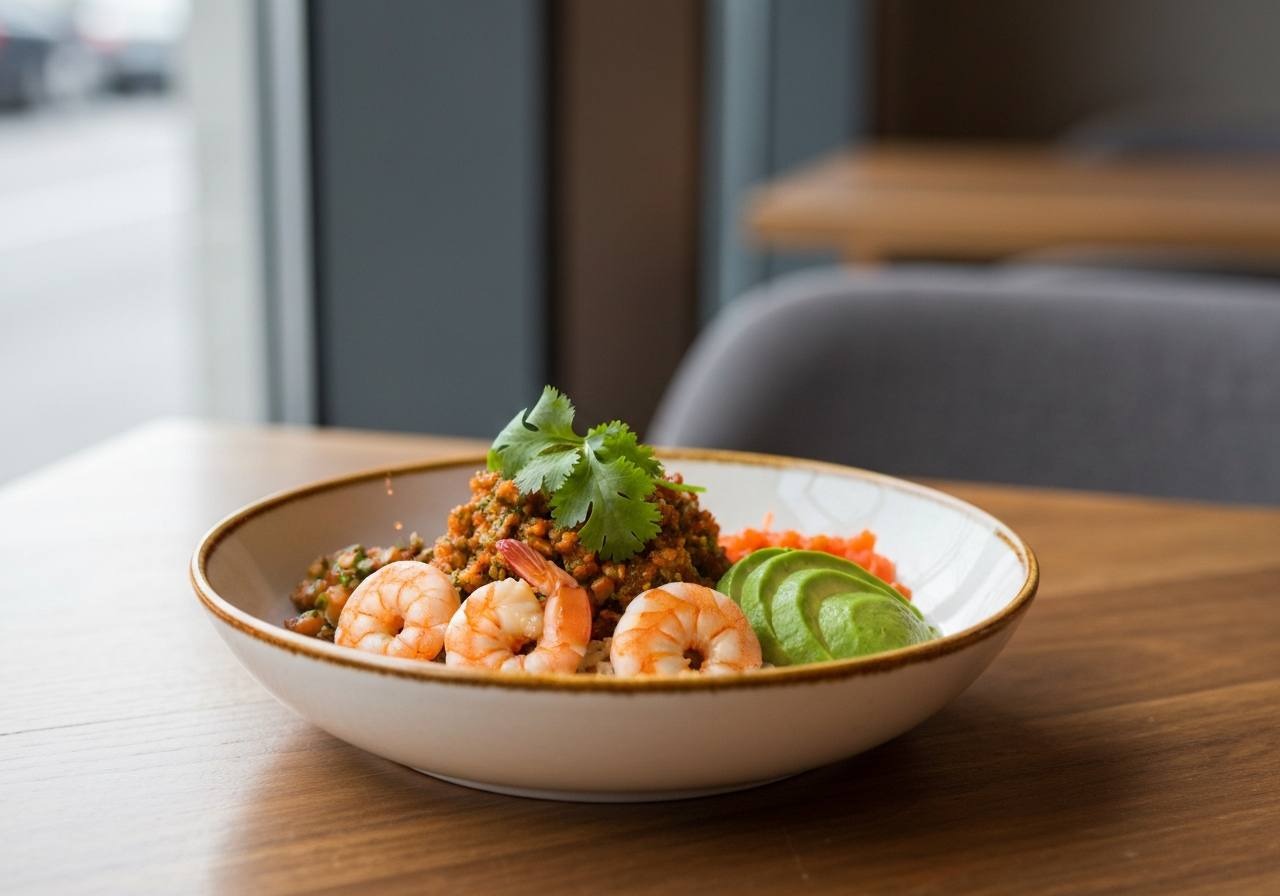
A vibrant and fresh meal that comes together quickly, perfect for a light yet satisfying lunch or dinner.
Macros per serving: 380 cal | 32g Protein | 20g Carbs | 20g Fat
Prep time: 10 mins | Cook time: 5 mins | Servings: 4
Ingredients:
- 450g (1 lb) medium shrimp, peeled and deveined
- 1 tbsp (15 ml) olive oil
- 1 tsp (5 ml) chili powder
- 1/2 tsp (2.5 ml) cumin
- 2 cups (360g) cooked brown rice or quinoa
- 2 medium avocados, diced
- 1 cup (150g) cherry tomatoes, halved
- 1/2 red onion, thinly sliced
- 1/4 cup (60 ml) fresh cilantro, chopped
- Dressing:
- 2 tbsp (30 ml) lime juice
- 1 tbsp (15 ml) olive oil
- Salt and pepper to taste
Instructions:
- Pat shrimp dry. Toss with 1 tbsp olive oil, chili powder, cumin, salt, and pepper.
- Heat a large skillet over medium-high heat. Cook shrimp for 1-2 minutes per side until pink and cooked through. Remove from heat.
- In a small bowl, whisk together lime juice, 1 tbsp olive oil, salt, and pepper for the dressing.
- Assemble bowls: divide cooked rice/quinoa among four bowls. Top with cooked shrimp, diced avocado, cherry tomatoes, and sliced red onion. Drizzle with dressing and sprinkle with fresh cilantro.
Chef's Tip: For an extra layer of flavor and crunch, add some grilled corn or black beans to your bowl.
3. Spicy Garlic Shrimp with Zucchini Noodles (Post-Workout Bowl)
A high-protein, low-carb option that's perfect for post-workout recovery, offering essential nutrients without heavy carbs.
Macros per serving: 310 cal | 38g Protein | 15g Carbs | 12g Fat
Prep time: 10 mins | Cook time: 10 mins | Servings: 4
Ingredients:
- 680g (1.5 lb) large shrimp, peeled and deveined
- 2 tbsp (30 ml) olive oil
- 6 cloves garlic, minced
- 1 tsp (5 ml) red pepper flakes (or more, to taste)
- 1/4 cup (60 ml) chicken or vegetable broth
- 2 tbsp (30 ml) fresh lemon juice
- 4 medium zucchini, spiralized into noodles (approx. 800g / 1.75 lb)
- 1/4 cup (60 ml) fresh parsley, chopped
- Salt and black pepper to taste
Instructions:
- Pat shrimp dry and season with salt and pepper.
- Heat olive oil in a large skillet over medium heat. Add minced garlic and red pepper flakes, and cook for 1 minute until fragrant.
- Add shrimp to the skillet and cook for 1-2 minutes per side until pink.
- Pour in broth and lemon juice, scraping up any browned bits from the bottom of the pan. Bring to a simmer.
- Add zucchini noodles to the skillet and toss gently with the shrimp and sauce for 1-2 minutes, just until warmed through and slightly softened (avoid overcooking to prevent sogginess).
- Stir in fresh parsley. Serve immediately.
Chef's Tip: If you don't have a spiralizer, you can use a vegetable peeler to create wide ribbons of zucchini instead.
4. Lemon-Herb Baked Shrimp with Asparagus (Cutting/Low-Cal)
A super low-calorie and nutrient-dense meal, ideal for cutting phases or when focusing on lean protein and greens.
Macros per serving: 220 cal | 32g Protein | 8g Carbs | 6g Fat
Prep time: 10 mins | Cook time: 15 mins | Servings: 4
Ingredients:
- 450g (1 lb) large shrimp, peeled and deveined
- 450g (1 lb) asparagus, trimmed
- 1 tbsp (15 ml) olive oil
- 2 cloves garlic, minced
- 1 tsp (5 ml) dried dill
- 1 tsp (5 ml) dried thyme
- 1/2 tsp (2.5 ml) onion powder
- Juice of 1 lemon
- Salt and black pepper to taste
Instructions:
- Preheat oven to 200°C (400°F). Line a large baking sheet with parchment paper.
- In a large bowl, combine shrimp and asparagus. Add olive oil, minced garlic, dill, thyme, onion powder, half of the lemon juice, salt, and pepper. Toss until everything is evenly coated.
- Spread the shrimp and asparagus in a single layer on the prepared baking sheet.
- Bake for 12-15 minutes, or until shrimp are pink and cooked through, and asparagus is tender-crisp.
- Drizzle with the remaining lemon juice before serving.
Chef's Tip: For added flavor, sprinkle with a pinch of red pepper flakes after baking for a subtle kick.
5. Creamy Coconut Curry Shrimp (Cycle-Syncing Comfort Meal - Luteal Phase)
This warming and nutrient-rich curry is perfect for the luteal phase, offering comforting flavors and beneficial fats, protein, and minerals.
Macros per serving: 420 cal | 35g Protein | 25g Carbs | 20g Fat
Prep time: 15 mins | Cook time: 20 mins | Servings: 4
Ingredients:
- 450g (1 lb) large shrimp, peeled and deveined
- 1 tbsp (15 ml) coconut oil
- 1 medium onion, chopped
- 2 cloves garlic, minced
- 1 tbsp (15 ml) fresh ginger, grated
- 1 tbsp (15 ml) curry powder
- 1/2 tsp (2.5 ml) turmeric powder
- 1/4 tsp (1.25 ml) cayenne pepper (optional)
- 400ml (13.5 fl oz) can full-fat coconut milk
- 1 cup (240 ml) vegetable broth
- 1 red bell pepper, thinly sliced
- 2 cups (300g) baby spinach
- 1/4 cup (60 ml) fresh cilantro, chopped
- Salt and black pepper to taste
- Cooked brown rice or cauliflower rice for serving
Instructions:
- Pat shrimp dry. Season with salt and pepper.
- Heat coconut oil in a large pot or deep skillet over medium heat. Add chopped onion and cook until softened, about 5 minutes.
- Add minced garlic and grated ginger, cook for 1 minute until fragrant. Stir in curry powder, turmeric, and cayenne pepper (if using), and cook for another minute.
- Pour in coconut milk and vegetable broth, stirring to combine. Bring to a gentle simmer. Add sliced red bell pepper and cook for 5-7 minutes until slightly softened.
- Add shrimp to the simmering curry and cook for 3-5 minutes, or until shrimp are pink and cooked through.
- Stir in baby spinach until wilted. Remove from heat and stir in fresh cilantro.
- Serve hot over cooked brown rice or cauliflower rice.
Chef's Tip: For an extra boost of magnesium and healthy fats, sprinkle with pumpkin seeds before serving, especially beneficial during the luteal phase.
Meal Prep & Storage Guide
Shrimp is fantastic for meal prep due to its quick cooking time, but proper storage and reheating are key to maintaining its texture and flavor.
- Storage: Cooked shrimp can be stored in an airtight container in the refrigerator for up to 3-4 days. It's best to cool it completely before refrigerating to prevent condensation.
- Freezing: If you're cooking a large batch, cooked shrimp freezes well. Arrange cooked and cooled shrimp in a single layer on a baking sheet to flash freeze, then transfer to a freezer-safe bag or container. This prevents clumping. It can be stored for up to 2-3 months. Thaw overnight in the refrigerator before reheating.
- Reheating: To avoid dry or rubbery shrimp, reheat gently.
- Stovetop: Sauté quickly in a pan with a touch of broth or water over medium-low heat until just warmed through.
- Microwave: Reheat on a low setting in short bursts (30 seconds at a time), stirring in between, until just warm. Avoid high heat and long microwave times.
- Oven: For larger portions, reheat in a preheated oven at 150°C (300°F) for 5-7 minutes, covered with foil, to retain moisture.
Cycle Syncing & Health Benefits
Shrimp is a nutritional powerhouse, offering a rich array of vitamins and minerals that can significantly support women's health, particularly when aligned with the menstrual cycle. Shrimp is an excellent source of lean protein, which is crucial throughout the entire cycle for muscle repair, satiety, and maintaining stable blood sugar levels.
- Menstrual Phase (Days 1-5): During menstruation, estrogen and progesterone levels are low, often leading to fatigue and increased nutrient needs. Shrimp is rich in iron, which is vital for replenishing iron stores lost during blood loss and combating fatigue. Pairing it with Vitamin C-rich foods (like bell peppers or citrus) enhances iron absorption. Shrimp also provides B vitamins, particularly Vitamin B12, which supports energy production and red blood cell formation, essential for vitality during this phase.
- Follicular Phase (Days 6-14): As estrogen levels begin to rise, energy levels generally increase. This phase is excellent for muscle growth and more intense workouts. The high-quality protein in shrimp supports muscle repair and growth, which is critical for maximizing workout benefits. Shrimp also contains selenium, a potent antioxidant that supports thyroid function and protects cells from oxidative stress, contributing to overall well-being as hormones fluctuate.
- Ovulation Phase (Days 12-14): Estrogen peaks during ovulation, boosting strength and endurance. Continued focus on lean protein like shrimp, along with fiber and healthy fats, helps maintain energy and supports the body's metabolic efficiency. Shrimp also provides copper, which plays a role in energy production and iron metabolism.
- Luteal Phase (Days 15-28+): Progesterone rises, which can bring on cravings, bloating, and potential energy dips. Shrimp, with its satisfying protein content, can help stabilize blood sugar and curb cravings. It's also a source of zinc, which helps the body produce estrogen and progesterone and influences estrogen receptors. The omega-3 fatty acids found in shrimp can help manage the body's natural inflammatory response, potentially reducing discomfort associated with this phase.
Beyond cycle syncing, shrimp is a significant source of other essential nutrients. It provides Vitamin D, important for bone health and mood, and Niacin (Vitamin B3), which aids digestion and helps convert food into energy. The astaxanthin in shrimp is a powerful antioxidant that may promote healthier skin and improved heart health.
Common Mistakes to Avoid
- Overcooking: This is the most common mistake. Shrimp cooks very quickly. Overcooked shrimp becomes rubbery and tough. Cook just until it turns pink and opaque, usually 1-3 minutes per side depending on size.
- Not Patting Dry: Excess moisture prevents shrimp from searing properly and achieving a nice crust. Always pat your shrimp thoroughly dry with paper towels before cooking or marinating.
- Overcrowding the Pan: Cooking too much shrimp in a single layer in a pan can lower the pan's temperature, leading to steaming instead of searing. Cook in batches if necessary.
- Skipping the Deveining: While not strictly necessary for health, deveining removes the digestive tract, which can sometimes contain grit and impact the shrimp's appearance and taste.
Conclusion
Shrimp is an incredibly versatile, protein-rich, and nutrient-dense ingredient that can effortlessly elevate your meals while supporting your fitness and hormonal health goals. From quick weeknight dinners to sophisticated meal prep, its lean profile and beneficial micronutrients make it an indispensable food for anyone focused on optimizing their nutrition.
Track these Shrimp recipes and your daily macros for free with the JustMacros app.