Rice Bar: Complete Macros & Nutrition Guide
Complete macro and nutrition guide for Rice Bar. Learn calories, protein, carbs, fat per serving plus meal ideas and tracking tips.
Table of Contents
- Quick Answer
- Detailed Nutrition Facts
- Complete Macro Breakdown
- Micronutrients
- Serving Size Considerations
- Comparison to Similar Foods
- Health Benefits
- Primary Benefits
- Who Should Eat This Food
- When to Eat It
- How to Track Macros
- Portion Measurement Tips
- Using Macro Tracking Apps
- Common Serving Sizes
- Meal Ideas & Preparation
- Breakfast, Lunch, Dinner Ideas
- Meal Prep Tips
- Cooking Methods That Preserve Nutrients
- For Weight Loss
- Why It's Good for Weight Loss
- Portion Recommendations
- Pairing Suggestions
- For Muscle Gain
- Protein Content Benefits
- Pre/Post Workout Timing
- Bulking Meal Ideas
- Comparisons
- Vs. Similar Foods
- Best Alternatives
- When to Choose Each
- FAQs
- Q1: Are rice bars healthy?
- Q2: How many calories are in a typical rice bar?
- Q3: Are rice bars good for pre-workout?
- Q4: Can rice bars help with weight loss?
- Q5: What's the best way to store rice bars?
- Q6: Do rice bars contain gluten?
- Q7: Can I make my own healthy rice bars?
Rice Bar Macros: Complete Nutrition Guide
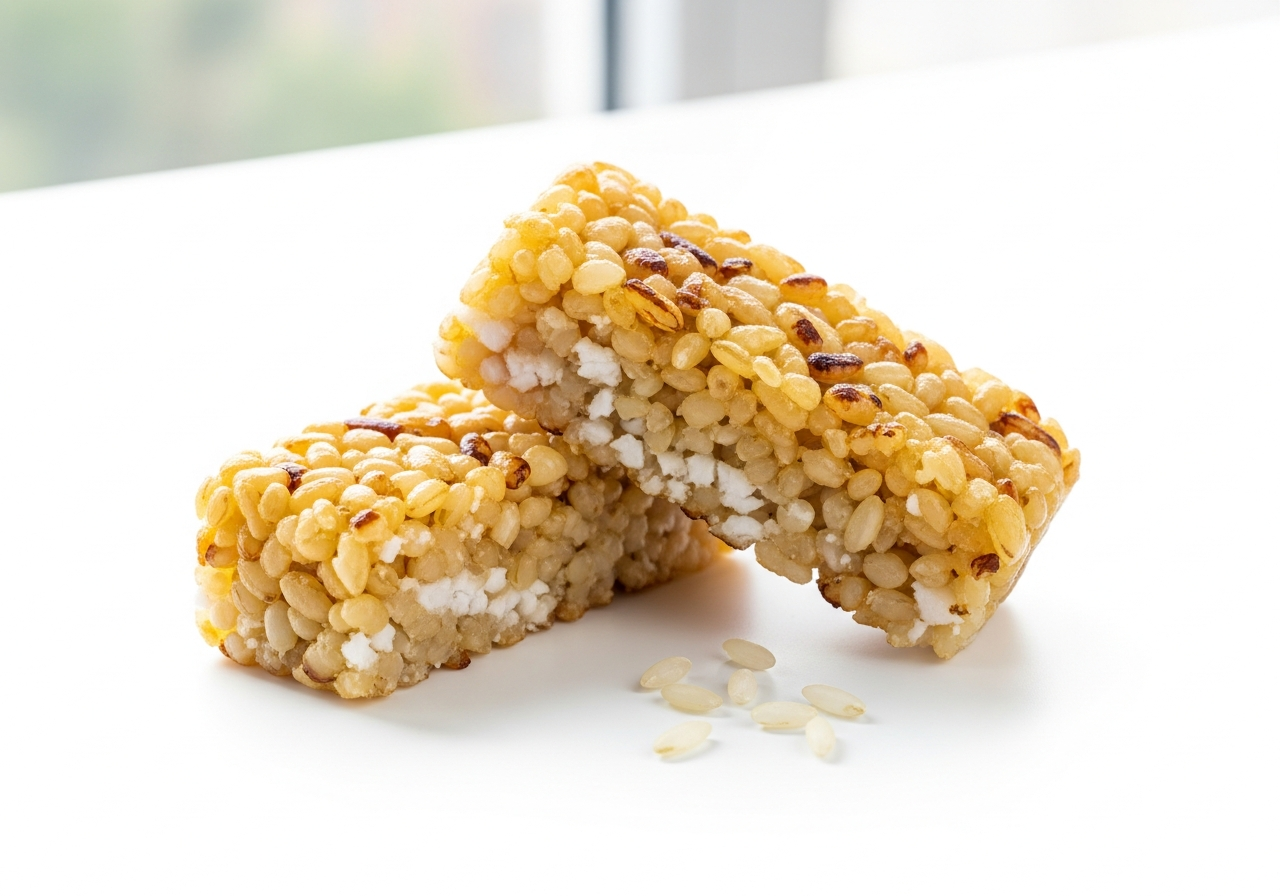
As a team dedicated to demystifying nutrition, we at JustMacrosFit understand the crucial role that snacks play in achieving our health and fitness goals. Among the myriad of choices, the humble rice bar often appears as a convenient, seemingly simple option. But what exactly are we fueling our bodies with when we reach for a rice bar? Let us dive deep into the macros, micronutrients, and overall nutritional impact of rice bars.
Quick Answer
A typical plain crisped rice bar, per 100 grams, generally provides around 400-450 calories, with approximately 70-85 grams of carbohydrates, 4-7 grams of protein, and 5-10 grams of fat. The primary nutritional highlight of a rice bar is its readily available carbohydrates, making it an excellent source of quick energy.
Detailed Nutrition Facts
The nutritional profile of a rice bar can vary significantly based on its ingredients, preparation, and whether it's a plain puffed rice bar, a crisped rice treat with added sugars and fats, or a fortified energy bar. We are presenting a general overview, often derived from common crisped rice bar varieties.
Complete Macro Breakdown
For a standard crisped rice bar (chocolate chip or similar) per 100 grams, we typically see the following macronutrient distribution:
- Calories: Approximately 404 to 458 calories. Some puffed rice snacks without significant additions might be lower, around 364 calories per 100g.
- Carbohydrates: This is where rice bars truly shine as an energy source. We often find between 70.8 grams (for chocolate chip variety) and 86 grams (for Kellogg's Rice Krispie Treats) of total carbohydrates per 100g. A significant portion of these are often sugars, particularly in sweetened varieties, with some bars containing 30-34 grams of sugar per 100g.
- Protein: Protein content tends to be lower in traditional rice bars. We typically see around 4.3 to 7 grams of protein per 100 grams. Some puffed rice snacks may offer around 7.5 grams of protein per 100g.
- Fats: Fat content can vary widely. Plain puffed rice might have minimal fat, but crisped rice bars with binders, chocolate, or nuts can contain 4.2 to 10.2 grams of total fat per 100g, with saturated fat ranging from 0.89 to 5.2 grams.
Hero Nutrients: Carbohydrates. Rice bars are fundamentally carbohydrate-dense, providing rapid fuel for our bodies. This makes them particularly effective for immediate energy needs.
Micronutrients
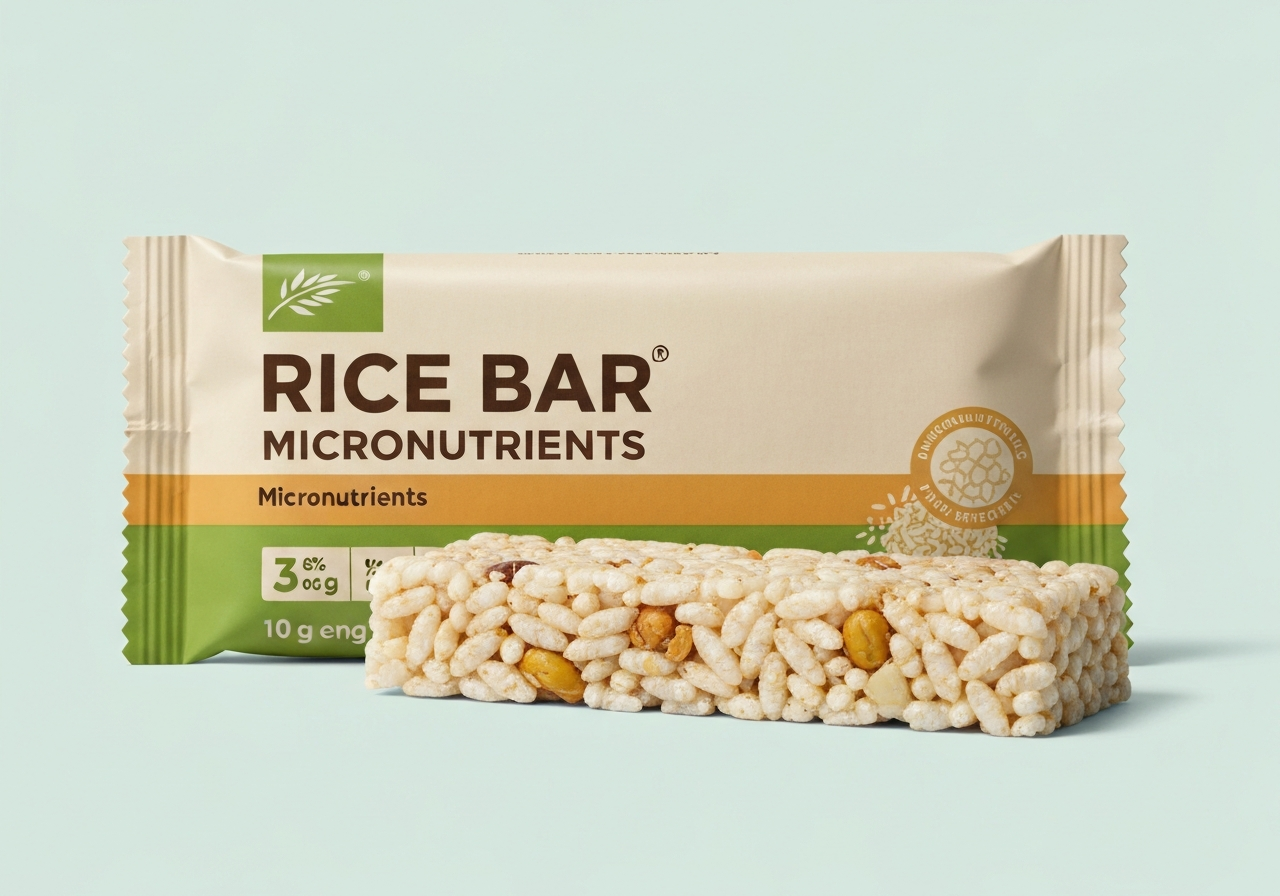
While primarily a source of carbohydrates, rice bars can also contribute to our micronutrient intake, especially if fortified or made with whole grains and additional ingredients like nuts or seeds.
- Vitamins: Many fortified rice cereals used in bars contain B vitamins. For instance, a crisped rice bar with chocolate chips can be rich in Folate (140µg, 35% DV per 100g), Vitamin B2 (0.6mg, 46% DV), B3 (7.1mg, 44% DV), and B6 (0.71mg, 54% DV). Kellogg's Rice Krispie Treats, for example, can provide a significant amount of Vitamin A, Vitamin B1, B2, B3, B6, B12, and Folate per 100g. Brown rice protein, if included, also contributes B vitamins.
- Minerals: Rice bars can offer various minerals. A 100g serving of a crisped rice bar with chocolate chips may provide iron (6.3mg, 79% DV), magnesium (48mg, 11% DV), phosphorus (134mg, 19% DV), potassium (168mg, 4.9% DV), and zinc (0.86mg, 7.8% DV). Rice itself is a source of magnesium, phosphorus, manganese, selenium, iron, and thiamine.
Serving Size Considerations
A common serving size for a rice bar is typically around 28-40 grams (1 to 1.4 oz). A single serving of a crisped rice bar might contain approximately 113-160 calories. It's crucial to check individual product labels, as serving sizes and nutritional content can vary drastically between brands and types (e.g., a small puffed rice bar vs. a larger, more indulgent treat).
Comparison to Similar Foods
When we compare rice bars to other popular snack options, their unique macro profile becomes clear:
- Vs. Granola Bars: Granola bars often contain more protein and fiber due to ingredients like oats, nuts, and seeds. A granola bar can have nearly double the protein and five times the fiber of white rice-based snacks.
- Vs. Oat Bars: Oat bars tend to be more nutrient-dense, providing sustained energy, more protein, and more fiber than plain white rice-based bars.
- Vs. Protein Bars: Protein bars are specifically formulated for high protein content (often 10-20g or more per bar), making them superior for muscle repair and satiety. Rice bars, especially basic puffed rice versions, typically have much lower protein.
Health Benefits
Rice bars, particularly those made with whole grains or fortified, offer several health benefits, primarily centered around energy and digestibility.
Primary Benefits
- Quick Energy Source: The high carbohydrate content, especially simple carbohydrates in many rice bars, provides rapid glucose to the bloodstream, offering an immediate energy boost. This is particularly beneficial before or during exercise.
- Glycogen Replenishment: For athletes and active individuals, rice bars can effectively replenish depleted glycogen stores in muscles after intense training, aiding in recovery.
- Digestibility: Rice, especially white rice, is generally easy to digest, which can be advantageous before or during a workout to avoid gastrointestinal discomfort.
- Gluten-Free Option: Many rice bars are naturally gluten-free, making them a suitable snack for individuals with celiac disease or gluten sensitivities. This is especially true for bars made solely from rice without gluten-containing additives.
Who Should Eat This Food
Rice bars are an excellent option for:
- Athletes and Active Individuals: Those requiring quick energy before or during endurance activities, or for rapid glycogen replenishment post-workout.
- Individuals Needing a Quick Energy Boost: When facing an energy slump, a rice bar can provide a fast pick-me-up.
- People with Gluten Sensitivities: As a naturally gluten-free grain, rice is a safe base for many individuals avoiding gluten.
When to Eat It
The timing of consuming a rice bar can significantly impact its benefits:
- Pre-Workout (30-90 minutes before): For a rapid energy supply to fuel exercise, especially for morning workouts when glycogen levels might be low.
- During Extended Workouts: During prolonged activities (e.g., cycling, long runs), rice bars can provide easily digestible carbohydrates to sustain energy levels.
- Post-Workout (within 30-60 minutes): To kick-start muscle glycogen recovery, particularly when paired with a protein source.
- Between Meals: To prevent energy dips and manage hunger, especially when healthier, more balanced options are unavailable.
How to Track Macros
Accurately tracking the macros in rice bars is essential for maintaining a balanced diet and achieving our nutritional goals.
Portion Measurement Tips
- Use a Food Scale: The most accurate way to track macros is to weigh your rice bar using a digital food scale. Many nutrition labels provide per 100g information, which can be easily scaled.
- Check Packaging: Always refer to the nutrition label on the specific rice bar product you are consuming. Serving sizes can vary, and manufacturers often list macros per bar or per a specific weight.
- Visual Cues (Last Resort): If a scale isn't available, rely on the stated serving size and visual estimates, but be aware that this is less precise. Understand that a "bar" can range in size and density.
Using Macro Tracking Apps
Apps like JustMacrosFit make macro tracking seamless. Simply input the food item, and if it's a recognized product, the app will often autofill the nutritional data based on its database. If not, manually input the values from the product's nutrition label. We encourage you to log your rice bar consumption diligently to ensure it aligns with your daily macro targets.
Common Serving Sizes
Common serving sizes for manufactured rice bars range from 22g to 40g per bar. For a 28g crisped rice bar (chocolate chip), expect around 113 calories, 20.9g carbs, 1.4g protein, and 3.4g fat. A 40g bar might contain 160 calories, 29g total carbohydrates, 1g protein, and 4g total fat.
Meal Ideas & Preparation
While convenient as grab-and-go snacks, rice bars can also inspire creative meal ideas or be integrated into meal preparation for controlled nutrition.
Breakfast, Lunch, Dinner Ideas
- Breakfast Boost: Pair a homemade or low-sugar rice bar with a protein source like Greek yogurt or a protein shake for a balanced breakfast that provides quick energy and satiety.
- Mid-Day Snack: A plain rice bar can serve as an effective mid-morning or mid-afternoon energy bridge between meals.
- Pre-Workout Fuel: As discussed, a rice bar 30-90 minutes before exercise provides readily available carbohydrates.
- Post-Workout Recovery: Combine a rice bar with a lean protein source (e.g., chicken, tofu, or a protein shake) to optimize muscle repair and glycogen replenishment.
Meal Prep Tips
Making your own rice bars allows for complete control over ingredients and macros.
- Choose Your Rice: Opt for puffed brown rice for added fiber and nutrients, or white puffed rice for quicker digestion.
- Binder Options: Use natural binders like nut butter, seed butter, or a mixture of honey/maple syrup with a touch of protein powder. Rice syrup is an excellent natural sweetener for sustained energy.
- Add-ins: Boost nutrition with ingredients like chopped nuts, seeds (hemp, flax, chia for healthy fats, fiber, and protein), dried fruit, or even protein powder (rice protein, pea protein).
- Flavorings: Incorporate natural flavors like vanilla extract, cinnamon, or a small amount of cocoa powder.
Cooking Methods That Preserve Nutrients
When preparing homemade rice bars, minimal cooking is often involved once the puffed rice is made. The key is to:
- Avoid Excessive Heat: High heat can degrade some heat-sensitive vitamins. If warming a binder, do so gently.
- Use Whole Grains: Opting for brown rice in your bars (or puffed brown rice) ensures a higher retention of fiber, B vitamins, and minerals compared to refined white rice.
- Store Properly: Keep homemade bars in an airtight container in a cool, dry place or refrigerate to maintain freshness and nutrient integrity.
For Weight Loss
Integrating rice bars into a weight loss strategy requires careful consideration of calories, portion sizes, and overall nutritional balance.
Why It's Good for Weight Loss
- Controlled Portions: Pre-portioned rice bars can help prevent overeating compared to bulk snacks.
- Energy for Activity: Providing quick energy, they can fuel workouts, helping us burn more calories.
- Satiety (with fiber): If made with brown rice or fortified with fiber-rich ingredients, rice bars can contribute to feelings of fullness, reducing overall calorie intake. Brown rice, a whole grain, is particularly beneficial for weight management due to its fiber content and ability to promote satiety and stabilize blood sugar.
- Metabolism Boost: Brown rice protein can slightly boost metabolism as the body uses energy to digest it.
Portion Recommendations
For weight loss, we recommend selecting rice bars with lower sugar content and mindful portioning. Aim for bars that are around 100-150 calories and consider them as a small, energy-boosting snack rather than a meal replacement. If consuming a larger bar, factor its full caloric and macro contribution into your daily targets.
Pairing Suggestions
To enhance satiety and nutritional balance for weight loss, pair your rice bar with:
- Protein: A handful of nuts, a small serving of cottage cheese, or a hard-boiled egg.
- Healthy Fats: A spoonful of nut butter (if not already in the bar) or a small portion of avocado.
- Fiber: Fresh fruit or a few vegetable sticks can add volume and fiber.
For Muscle Gain
For those focused on muscle gain, rice bars can be a strategic component of a high-calorie, high-carbohydrate diet, especially around workout times.
Protein Content Benefits
While traditional rice bars are not high in protein, varieties fortified with rice protein or other plant-based proteins (like pea protein) can be beneficial. Rice protein, a complete plant-based protein, can be as effective as whey for building and maintaining muscle mass, especially when combined with other plant proteins to achieve a full amino acid profile. Look for bars specifically designed as "protein bars" that use rice protein as a primary ingredient.
Pre/Post Workout Timing
- Pre-Workout: A rice bar 30-60 minutes before training provides readily available carbohydrates to fuel intense workouts and maintain glycogen stores.
- Post-Workout: Consuming a rice bar (especially one with added protein) within 30-60 minutes after exercise is crucial for replenishing muscle glycogen and supporting muscle repair and growth. The carbohydrates aid in transporting amino acids to muscle cells.
Bulking Meal Ideas
During a bulking phase, rice bars can contribute to the necessary calorie and carbohydrate surplus:
- Stacked Snack: Pair a rice bar with a high-protein shake and a banana for a substantial, easily digestible snack.
- Dessert Boost: Use a rice bar as a base for a higher-calorie dessert, topping it with nut butter, fruit, and a sprinkle of seeds.
- Homemade Energy Bombs: Create denser rice bars at home using puffed rice, nut butters, protein powder, and dried fruits for concentrated calories and macros.
Comparisons
Understanding how rice bars stack up against other snack options helps us make informed dietary choices.
Vs. Similar Foods
- Granola Bars: Granola bars often offer more fiber and protein due to oats and nuts, providing more sustained energy. However, some granola bars can be high in sugar, similar to rice treats.
- Oat Bars: Similar to granola bars, oat bars generally provide a more nutrient-dense profile with better fiber and protein, leading to greater satiety and sustained energy release.
- Protein Bars: Protein bars are specifically designed for higher protein content (often 10g+ per bar), making them superior for muscle building and repair.
- Rice Cakes: Rice cakes are essentially puffed rice in a different form, often larger and flatter. Plain rice cakes are very low in calories, fat, and protein, primarily offering carbohydrates. A rice bar typically consolidates more ingredients into a denser, more caloric format.
Best Alternatives
For those seeking alternatives with different macro profiles:
- For Higher Protein/Fiber: Opt for protein bars, oat-based bars, or homemade bars with nuts, seeds, and protein powder.
- For Lower Sugar: Choose plain rice cakes, fruit and nut bars with no added sugar, or fresh fruit.
- For Whole Grains: Brown rice-based bars, oat bars, or whole-grain crackers.
When to Choose Each
- Rice Bar: Ideal when we need a quick burst of energy, especially before or during a workout, or as a convenient, easily digestible, often gluten-free snack.
- Granola/Oat Bar: Preferable for sustained energy, greater satiety, and a higher intake of fiber and certain micronutrients.
- Protein Bar: Best for post-workout recovery, muscle building, or as a high-protein snack to curb hunger between meals.
FAQs
Q1: Are rice bars healthy?
The healthfulness of a rice bar depends heavily on its ingredients. While providing quick energy (mainly from carbohydrates), many commercial rice bars can be high in added sugars and fats. We recommend choosing bars made with whole grains (like brown rice), lower in added sugars, and potentially fortified with protein or fiber.
Q2: How many calories are in a typical rice bar?
A typical crisped rice bar usually contains between 113 and 160 calories per single serving (28-40 grams). However, larger or more indulgent varieties can exceed this.
Q3: Are rice bars good for pre-workout?
Yes, rice bars can be excellent pre-workout snacks due to their high carbohydrate content, which provides quick, easily digestible energy to fuel your exercise session.
Q4: Can rice bars help with weight loss?
When consumed in moderation and as part of a calorie-controlled diet, rice bars can fit into a weight loss plan. Choosing bars with less added sugar and pairing them with protein or fiber can enhance satiety and support your goals. Brown rice bars, in particular, can aid weight management.
Q5: What's the best way to store rice bars?
Store commercially packaged rice bars in a cool, dry place according to package instructions. Homemade rice bars should be kept in an airtight container, and often refrigerated, to maintain freshness and prevent spoilage.
Q6: Do rice bars contain gluten?
Many rice bars are naturally gluten-free as rice is a gluten-free grain. However, always check the label for cross-contamination warnings or other gluten-containing ingredients, especially in processed bars.
Q7: Can I make my own healthy rice bars?
Absolutely! Making your own rice bars allows you to control ingredients, reduce sugar, and add beneficial components like nuts, seeds, and protein powder for a more customized nutritional profile.
Track Rice Bar easily with JustMacrosFit, your free macro tracking app.