Peanut Butter Pie: Complete Macros & Nutrition Guide
Complete macro and nutrition guide for Peanut Butter Pie. Learn calories, protein, carbs, fat per serving plus meal ideas and tracking tips.
Table of Contents
- Quick Answer
- Detailed Nutrition Facts
- Micronutrients
- Serving Size Considerations
- Comparison to Similar Foods
- Health Benefits
- Primary Benefits
- Who Should Eat This Food
- When to Eat It
- How to Track Macros
- Portion Measurement Tips
- Using Macro Tracking Apps
- Common Serving Sizes
- Meal Ideas & Preparation
- Incorporating Peanut Butter Pie into Your Day
- Macro-Friendly Peanut Butter "Pie" Ideas
- Cooking Methods that Preserve Nutrients
- For Weight Loss
- Why It's Good for Weight Loss (When Mindful)
- Portion Recommendations
- Pairing Suggestions
- For Muscle Gain
- Protein Content Benefits
- Pre/Post Workout Timing
- Bulking Meal Ideas
- Comparisons
- Vs. Similar Foods
- Best Alternatives
- When to Choose Each
- FAQs
- 1. Is Peanut Butter Pie healthy?
- 2. How many calories are in a slice of Peanut Butter Pie?
- 3. Is Peanut Butter Pie high in protein?
- 4. Can I eat Peanut Butter Pie if I'm trying to lose weight?
- 5. How can I make Peanut Butter Pie more macro-friendly?
- 6. What are the main ingredients that impact the macros?
- 7. How should I store Peanut Butter Pie?
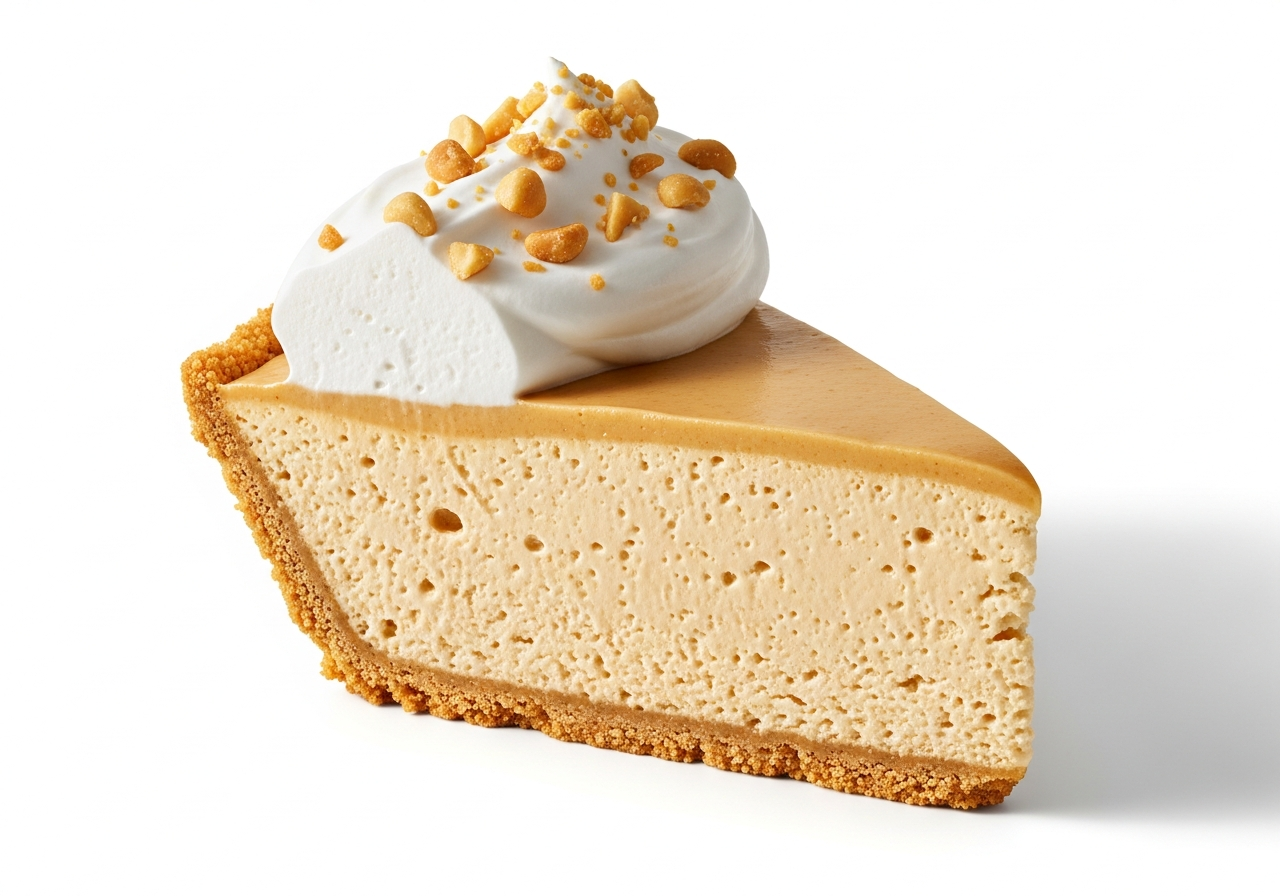
Peanut Butter Pie Macros: Complete Nutrition Guide
As nutrition coaches and chefs at JustMacrosFit, we understand that every bite counts when it comes to achieving your health and fitness goals. Whether you're meticulously tracking your macronutrients for muscle gain or carefully managing calories for weight loss, understanding the nutritional profile of your favorite foods is paramount. Today, we're diving deep into a beloved classic: Peanut Butter Pie. This indulgent dessert, often a nostalgic treat, holds a unique place in the macro landscape, offering both satisfying richness and notable nutritional contributions from its star ingredient, peanut butter.
Quick Answer
A 100g serving of traditional peanut butter pie typically contains around 420-450 calories, with approximately 30-35g of fat, 6-9g of protein, and 30-35g of carbohydrates. The key nutritional highlight lies in its moderate protein content, primarily from peanut butter, and a significant amount of healthy monounsaturated and polyunsaturated fats.
Detailed Nutrition Facts
Peanut Butter Pie is a rich dessert, and its exact nutritional profile can vary significantly based on the recipe and ingredients used. A homemade pie with a graham cracker crust, a creamy peanut butter filling (often including cream cheese and whipped topping), and possibly chocolate elements, will differ from a store-bought version or a "lighter" recipe. For a typical serving, which is often considered 1/8 of a 9-inch pie (ranging from 100g to 150g or more), the numbers can be quite substantial.
Let's look at the average macros for a standard 100g serving of traditional peanut butter pie:
- Calories: Approximately 421-430 calories.
- Total Fat: Around 30-34g. This includes a mix of saturated, monounsaturated, and polyunsaturated fats. Peanut butter itself is a good source of healthy monounsaturated fats.
- Protein: Approximately 6-8g. While not exceptionally high, this is a decent amount for a dessert, largely thanks to the peanut butter.
- Total Carbohydrates: Around 30-35g. This typically includes a significant portion of sugars from sweeteners and the crust.
- Dietary Fiber: Roughly 1-2g, mainly from the peanut butter and graham cracker crust.
Micronutrients
Beyond the macros, peanut butter pie also contributes some valuable micronutrients, primarily from the peanut butter component:
- Magnesium: Essential for bone health, nerve function, and energy production.
- Vitamin E: A powerful antioxidant that supports immune health and skin protection.
- B Vitamins (Thiamin, Niacin, Riboflavin, B6): Play crucial roles in energy metabolism.
- Potassium: Important for maintaining fluid balance and blood pressure regulation.
- Iron: Vital for oxygen transport in the blood.
Serving Size Considerations
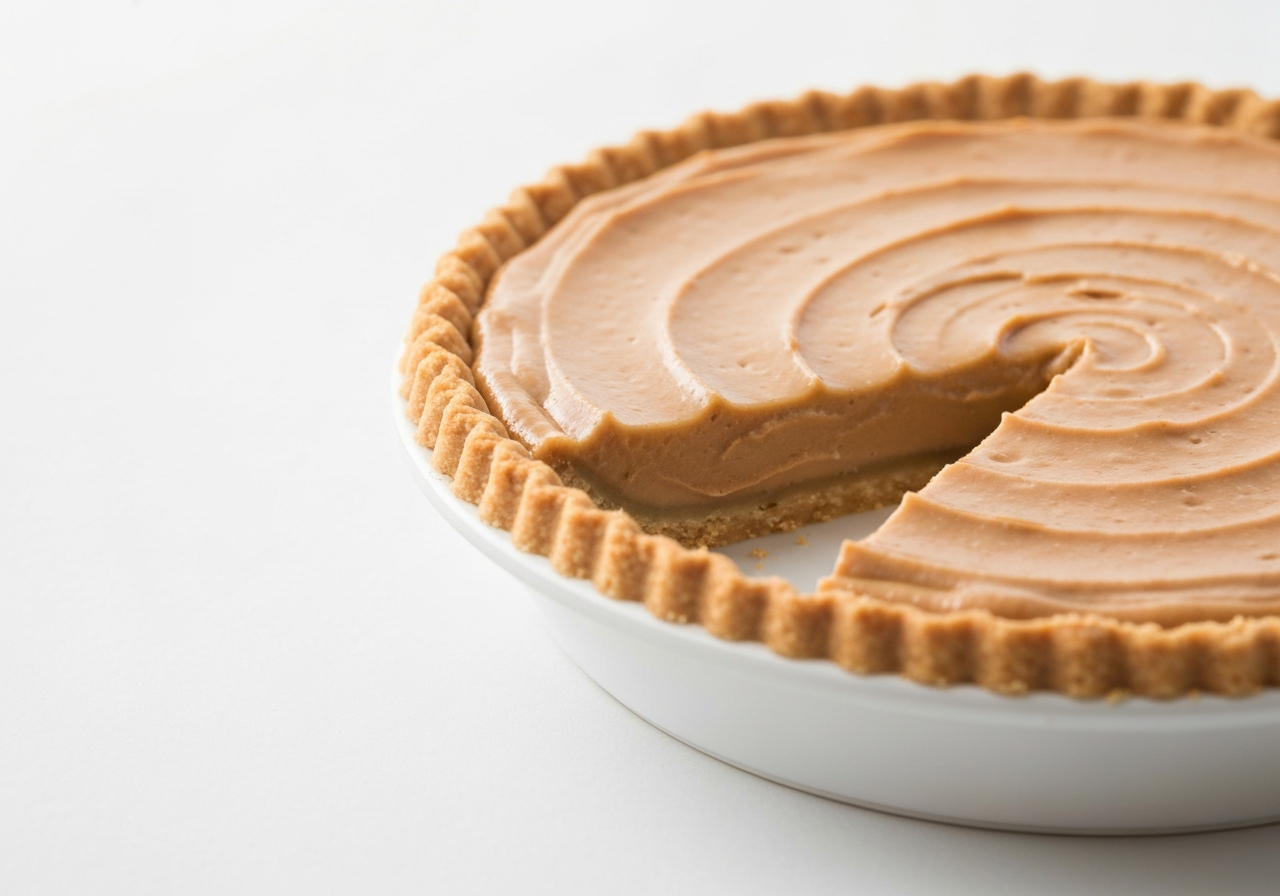
A standard serving size for peanut butter pie is typically 1/8 of a 9-inch pie, which can range from 300-500 calories depending on the recipe. Some commercial versions can be even higher. For instance, a single slice of some store-bought chocolate peanut butter pies can contain up to 660 calories and 51g of fat. It's crucial to be mindful of portion sizes to keep your intake within your daily macro and calorie targets.
Comparison to Similar Foods
When compared to other indulgent desserts, traditional peanut butter pie tends to be higher in protein and healthy fats due to the peanut butter, especially when contrasted with desserts like chocolate pie, which might have more sugar and carbohydrates. However, it's also generally calorie-dense, similar to cheesecakes or other rich cream-based pies. Lighter versions exist, often utilizing ingredients like silken tofu or Greek yogurt to boost protein and reduce fat and calories.
Health Benefits
While undoubtedly a dessert, Peanut Butter Pie, thanks to its primary ingredient, offers some surprising health benefits when consumed in moderation and as part of a balanced diet.
Primary Benefits
- Muscle Building and Repair: The peanut butter in the pie provides a useful plant-based source of protein, which is essential for muscle synthesis and repair, especially beneficial for active individuals.
- Healthy Fats for Satiety and Heart Health: Peanut butter is rich in monounsaturated fats (like oleic acid, also found in olive oil) and polyunsaturated fats. These "healthy fats" contribute to satiety, helping you feel fuller for longer, and have been linked to improved insulin sensitivity and reduced LDL cholesterol levels, supporting heart health.
- Energy Source: The combination of fats and carbohydrates provides a concentrated source of energy, which can be beneficial for those needing a quick caloric boost, such as athletes.
- Antioxidant Support: Peanuts contain beneficial plant compounds like p-coumaric acid and resveratrol, which act as antioxidants, helping to protect cells from oxidative damage.
- Micronutrient Contribution: As highlighted in the detailed nutrition section, magnesium, Vitamin E, and several B vitamins from peanut butter contribute to overall well-being, supporting bone health, immune function, and energy metabolism.
Hero Nutrients: Peanut butter pie delivers a notable dose of healthy monounsaturated fats, protein, magnesium, and Vitamin E, making it more nutritionally robust than many other desserts.
Who Should Eat This Food
Peanut Butter Pie can be enjoyed by most individuals as an occasional treat. It can be particularly appealing to:
- Individuals with higher caloric needs: Athletes or those in a bulking phase looking for calorie-dense, enjoyable foods.
- Those who appreciate a protein-boosted dessert: The protein content can help curb cravings and contribute to daily protein goals.
- Anyone seeking satisfying, flavorful treats: When integrated mindfully, it can fit into a balanced dietary approach without derailing progress.
When to Eat It
Due to its caloric density and sugar content, we generally recommend consuming peanut butter pie strategically:
- As an occasional dessert: It's best enjoyed as a planned treat rather than a daily staple.
- Post-workout (in moderation): The combination of carbohydrates (for glycogen replenishment) and protein (for muscle repair) can be beneficial, especially if it fits within your overall macro goals.
- As part of a balanced meal: Consider it a component of a larger meal, ensuring the rest of your plate is rich in lean protein, fiber, and vegetables to balance out the nutrient profile.
How to Track Macros
Accurately tracking the macros of Peanut Butter Pie is crucial for fitting it into your dietary plan, especially given its variable nutritional content.
Portion Measurement Tips
Because recipes vary wildly, precise measurement is your best friend.
- Weigh it: The most accurate method is to weigh your slice of pie in grams using a food scale. Most nutrition databases provide values per 100g, allowing for easy calculation.
- Standard Slices: If a recipe specifies serving sizes (e.g., 1/8 of a pie), try to cut your slice as evenly as possible. However, remember that edge pieces or thicker cuts will skew the actual macros.
- Homemade vs. Store-bought: For homemade pies, calculate the total macros for the entire pie by adding up the ingredients, then divide by the number of servings you cut. For store-bought pies, always refer to the nutrition label, as the macros can differ significantly from generic averages.
Using Macro Tracking Apps
Apps like JustMacrosFit are invaluable tools for tracking.
- Search for database entries: Our app, JustMacrosFit, offers a comprehensive database where you can search for "Peanut Butter Pie." Look for entries that closely match your specific type of pie (e.g., "Homemade Peanut Butter Pie," "No-Bake Peanut Butter Pie," "Peanut Butter Pie with Oreo Crust").
- Custom food entry: If you can't find an exact match, or if you've made a homemade version, you can create a custom food entry in JustMacrosFit. Input the total macros for the entire pie, and then the app can calculate the macros per serving based on your desired serving size. This is particularly useful for controlling ingredients.
- Scan barcodes: For packaged store-bought pies, use the barcode scanner feature in JustMacrosFit to quickly access accurate nutrition information.
Common Serving Sizes
Common serving sizes for peanut butter pie typically range from 1/8 to 1/12 of a whole pie. However, be aware that commercial slices, especially from restaurants, can be much larger and contain significantly more calories, fat, and sugar. Always verify the serving size on packaging or estimate carefully for homemade versions.
Meal Ideas & Preparation
While Peanut Butter Pie is primarily a dessert, we can explore creative ways to prepare and incorporate peanut butter flavor into more macro-friendly meals, or enjoy the pie thoughtfully.
Incorporating Peanut Butter Pie into Your Day
Let's be clear: Peanut Butter Pie is a treat, not a meal replacement. However, its rich flavor means a small portion can be incredibly satisfying.
- Balanced Treat: Enjoy a measured slice as a post-dinner dessert, making sure your main meal was well-balanced with lean protein and plenty of vegetables.
- Pre or Post-Workout Indulgence (for gainers): If you're in a calorie surplus for muscle gain, a small slice can serve as a tasty energy boost pre-workout or a carbohydrate and protein rich treat post-workout to support recovery.
- "Breakfast for Dessert" Fun: On a special occasion, a small portion could be enjoyed alongside a high-protein breakfast like Greek yogurt with berries, ensuring your overall morning meal remains balanced.
Macro-Friendly Peanut Butter "Pie" Ideas
For those who love the flavor but need to adhere to stricter macro targets, consider these alternatives:
- Peanut Butter Protein Bowl: Blend Greek yogurt with peanut butter powder (or a small amount of regular peanut butter), a scoop of vanilla protein powder, and a touch of sweetener. Top with a sprinkle of crushed graham cracker for a "crust" feel.
- Peanut Butter & Jelly Overnight Oats: Combine rolled oats, milk, chia seeds, a scoop of protein powder, and a tablespoon of peanut butter (or powder). Layer with a small amount of sugar-free jam for a dessert-like breakfast.
- Healthier Peanut Butter "Pie" Recipes: Many recipes exist for lighter versions, often using silken tofu, Greek yogurt, or sugar substitutes to significantly reduce calories and sugar while boosting protein. These can be excellent alternatives for regular consumption.
Cooking Methods that Preserve Nutrients
Most traditional peanut butter pies are no-bake or involve baking only the crust. This naturally preserves the nutrients in the peanut butter, such as heat-sensitive B vitamins and healthy fats. When making your own, opt for:
- Quality Peanut Butter: Choose natural peanut butter with minimal added sugar and oils to maximize healthy fats and micronutrients.
- Homemade Crusts: A homemade graham cracker crust allows you to control sugar and fat content better than many pre-made options.
- Mindful Fillings: Use ingredients like light cream cheese, Greek yogurt, or whipped topping with less sugar to lighten the filling without sacrificing flavor.
For Weight Loss
We know what you're thinking: "Peanut Butter Pie for weight loss? Are you serious?" And our answer is, surprisingly, yes, in a carefully managed context. No food is inherently "good" or "bad" for weight loss; it's about fitting foods into your overall calorie and macro budget.
Why It's Good for Weight Loss (When Mindful)
- Satiety from Healthy Fats and Protein: The healthy fats and protein from peanut butter can promote satiety, helping you feel fuller and potentially reduce overall caloric intake later if you enjoy a small, satisfying portion. Depriving yourself entirely of favorite foods can often lead to overeating or binging.
- Satisfying Cravings: Allowing for a small, controlled portion of a beloved treat like Peanut Butter Pie can help manage cravings, making your weight loss journey more sustainable and enjoyable.
- Metabolic Boost: Peanut butter provides energy and nutrients that support a healthy metabolism, and its high fat content (even the healthy kind) makes it a calorie-dense energy source.
Portion Recommendations
The key to enjoying peanut butter pie during weight loss is strict portion control.
- Smallest Practical Slice: Instead of a traditional 1/8 slice (which can be 300-500 calories), aim for a much smaller portion, perhaps a 1/16 or even a sliver, keeping it to 150-250 calories.
- Account for it: Log your portion in JustMacrosFit before you eat it to ensure it fits within your daily calorie and macro limits. Adjust other meals accordingly.
- Choose Healthier Versions: Opt for homemade recipes that use reduced-fat cream cheese, natural peanut butter, and less added sugar or sugar substitutes. Some recipes can bring a slice down to 170-175 calories with 5-8g protein.
Pairing Suggestions
To balance out a small serving of peanut butter pie:
- High-Fiber Meal: Enjoy your pie after a meal rich in fiber (e.g., a large salad, steamed vegetables) to promote fullness and slow sugar absorption.
- Lean Protein Focus: Pair it with a lean protein source (e.g., grilled chicken, fish, tofu) for your main meal to keep total protein intake high, aiding satiety and muscle preservation.
For Muscle Gain
For those focused on muscle gain, Peanut Butter Pie can be a welcome addition to a bulking diet, offering calorie density and beneficial macros to support growth.
Protein Content Benefits
- Anabolic Support: The protein from the peanut butter contributes amino acids essential for muscle protein synthesis, which is critical for repairing and building muscle tissue after intense workouts.
- Calorie Surplus: Muscle gain requires a caloric surplus. Peanut Butter Pie is calorie-dense, making it an easy and enjoyable way to add extra calories to your diet without feeling overly stuffed.
Pre/Post Workout Timing
- Pre-Workout (1-2 hours prior): A small slice could provide a sustained energy release from its fats and carbohydrates, fueling longer training sessions. Be mindful of individual digestive tolerance to fats before a workout.
- Post-Workout: The combination of carbohydrates (for glycogen replenishment) and protein (for muscle repair) makes it a viable option for a recovery snack, especially if you struggle to meet your calorie needs. The fats will slow digestion, providing a prolonged nutrient release.
Bulking Meal Ideas
Incorporate Peanut Butter Pie into your bulking phase:
- High-Calorie Dessert: Enjoy a standard slice after a large, nutrient-dense dinner to boost overall caloric intake.
- Part of a Larger Snack: Combine a slice with a protein shake or a glass of milk for a convenient way to add significant calories and protein.
- Creative Blends: Consider blending a small amount of peanut butter pie into a post-workout smoothie for a delicious and calorie-rich recovery drink.
Comparisons
Understanding how Peanut Butter Pie stacks up against other desserts and alternatives helps in making informed nutritional choices.
Vs. Similar Foods
- Peanut Butter Pie vs. Chocolate Pie: Peanut Butter Pie often boasts slightly higher protein and healthy fat content due to the peanut butter. Chocolate pie may lean more towards higher sugar and simple carbohydrates. Both are calorie-dense desserts.
- Peanut Butter Pie vs. Cheesecake: Both are rich, creamy, and high in calories. Cheesecake often contains more dairy protein and calcium, but also typically higher amounts of saturated fat and sugar depending on the recipe. Peanut Butter Pie offers the unique micronutrient profile of peanuts.
- Peanut Butter Pie vs. Peanut Butter Cookies/Fudge: While all are peanut butter-based treats, pies tend to be more complex with a crust and creamy filling, often leading to a higher calorie count per serving than a single cookie or piece of fudge.
Best Alternatives
If you're looking for the flavor profile of peanut butter pie with a different macro breakdown, consider these alternatives:
- Peanut Butter Protein Shakes/Smoothies: Excellent for high protein, customizable fat/carb content.
- Greek Yogurt with Peanut Butter Powder: A low-fat, high-protein option that delivers the peanut butter taste.
- Apple Slices with Natural Peanut Butter: A whole-food snack offering fiber, healthy fats, and some protein.
- "Healthier" Peanut Butter Pie Recipes: As mentioned, versions using silken tofu or Greek yogurt significantly reduce calories and boost protein.
- Peanut Butter Energy Balls: Often made with oats, protein powder, and natural peanut butter, these are portion-controlled and nutrient-dense.
When to Choose Each
- Choose Traditional Peanut Butter Pie: For special occasions, planned indulgences, or as part of a calorie-surplus diet (e.g., bulking for muscle gain), especially when you crave a truly decadent dessert.
- Choose Healthier Pie Alternatives: For more frequent enjoyment, when managing calories for weight loss, or when prioritizing higher protein and lower sugar content.
- Choose Other Peanut Butter Snacks: For daily snacks, quick protein boosts, or to incorporate peanut butter's benefits without the dessert context.
FAQs
Here are some common questions we receive about Peanut Butter Pie's macros and nutrition.
1. Is Peanut Butter Pie healthy?
Traditional peanut butter pie is calorie-dense, high in fat (including saturated fat), and contains significant sugar. While the peanut butter provides healthy fats, protein, and micronutrients like magnesium and Vitamin E, it's generally considered an indulgent dessert. Healthier versions exist that can significantly reduce its less desirable components.
2. How many calories are in a slice of Peanut Butter Pie?
A standard slice (1/8 of a 9-inch pie) can range from 300-500 calories, depending on the recipe and ingredients. Some commercial slices can be 600 calories or more.
3. Is Peanut Butter Pie high in protein?
Compared to many other desserts, peanut butter pie has a moderate protein content, typically 6-9g per 100g serving or 6-8g per slice. This comes primarily from the peanut butter and any dairy used in the filling.
4. Can I eat Peanut Butter Pie if I'm trying to lose weight?
Yes, but with strict portion control and mindful integration into your overall calorie deficit. A small, carefully measured slice, accounting for its macros, can satisfy cravings without derailing your progress. Opting for healthier, homemade versions is also highly recommended.
5. How can I make Peanut Butter Pie more macro-friendly?
Use natural peanut butter, reduced-fat cream cheese or Greek yogurt, and sugar substitutes. You can also make a lighter crust (e.g., an almond flour crust) or even a crustless version. Adding protein powder to the filling can further boost its protein content.
6. What are the main ingredients that impact the macros?
The main ingredients affecting macros are peanut butter (healthy fats, protein), sugar (carbohydrates), cream cheese/whipped topping (fats, some protein), and the pie crust (carbohydrates, fats).
7. How should I store Peanut Butter Pie?
Peanut Butter Pie should typically be stored in the refrigerator to maintain its freshness and prevent spoilage, especially if it contains dairy products. It can usually be kept for 2-3 days under refrigeration.
Track Peanut Butter Pie easily with JustMacrosFit - your free macro tracking app.