Peanut Butter Balls: Complete Macros & Nutrition Guide
Complete macro and nutrition guide for Peanut Butter Balls. Learn calories, protein, carbs, fat per serving plus meal ideas and tracking tips.
Table of Contents
- Quick Answer
- Detailed Nutrition Facts
- Health Benefits
- How to Track Macros
- Meal Ideas & Preparation
- Breakfast Ideas
- Lunch & Dinner Ideas (as an accompaniment)
- Meal Prep Tips
- Cooking Methods That Preserve Nutrients
- For Weight Loss
- For Muscle Gain
- Comparisons
- vs. Similar Foods
- Best Alternatives
- When to Choose Each
- FAQs
- Q1: Are peanut butter balls good for you?
- Q2: How many calories are in one peanut butter ball?
- Q3: Can peanut butter balls help with weight loss?
- Q4: Are peanut butter balls suitable for muscle gain?
- Q5: How should I store homemade peanut butter balls?
- Q6: Can I make peanut butter balls without protein powder?
- Q7: What are the best ingredients for a healthy peanut butter ball?
Peanut Butter Balls Macros: Complete Nutrition Guide
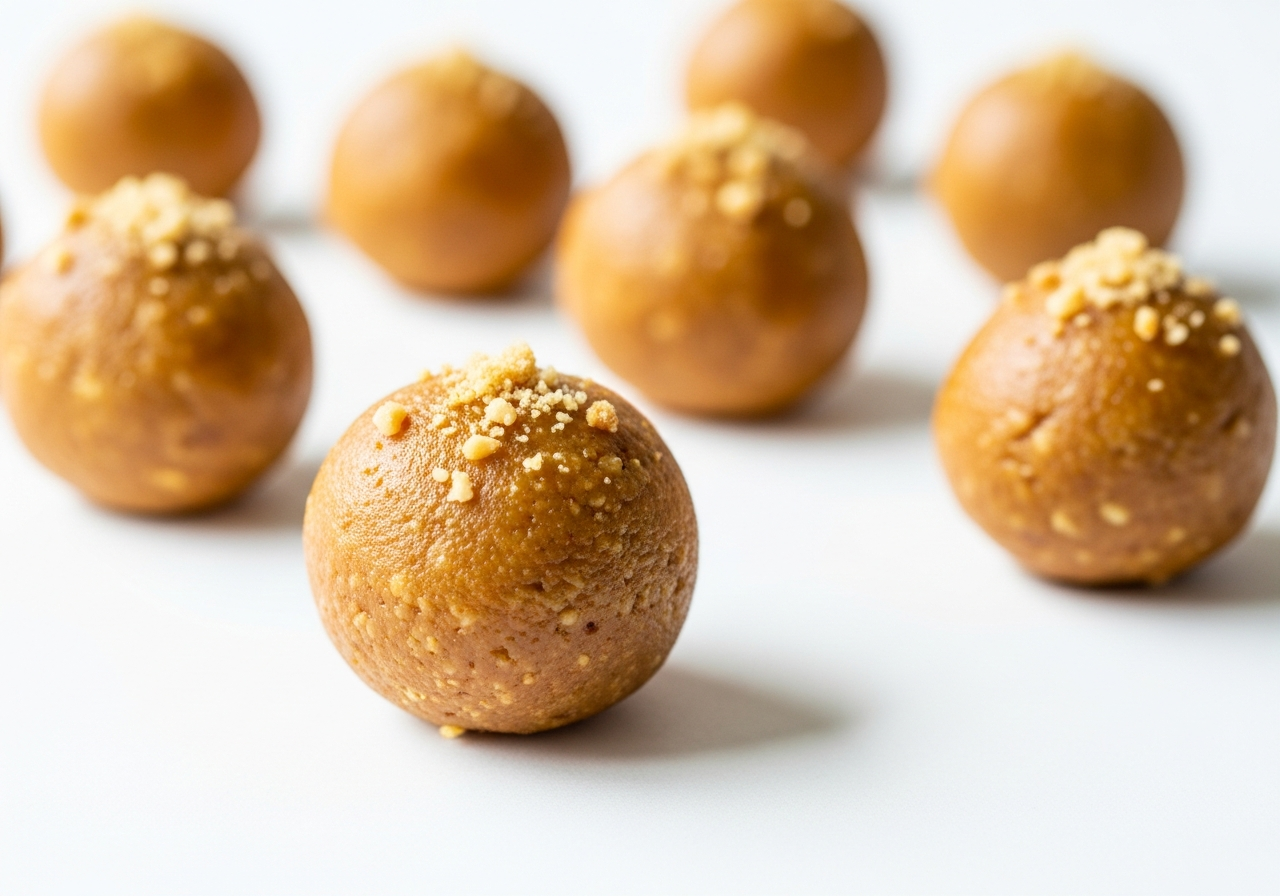
As culinary experts and nutrition coaches at JustMacrosFit, we understand that fueling our bodies with wholesome, balanced snacks is crucial for maintaining energy levels and achieving fitness goals. Peanut butter balls, often a staple in healthy eating plans, offer a convenient and delicious way to get a balanced intake of macronutrients. However, not all peanut butter balls are created equal, and understanding their precise macro and nutrition profile is key to integrating them effectively into your diet.
Quick Answer
A 100g serving of a typical homemade, no-bake peanut butter ball, often featuring oats, natural peanut butter, and a natural sweetener, generally provides approximately 400-450 calories, with a macronutrient breakdown of roughly 15-25g protein, 25-35g healthy fats, and 25-40g carbohydrates. These delightful bites are particularly celebrated for their sustained energy release and their rich content of beneficial fats and plant-based protein.
Detailed Nutrition Facts
When we delve into the detailed nutrition facts of peanut butter balls, we uncover a powerhouse of energy and essential nutrients. It is important to note that the exact nutritional profile can vary significantly based on the recipe. A simple three-ingredient recipe using peanut butter, oats, and honey or maple syrup will differ from one incorporating protein powder, flaxseed meal, or chocolate chips.
However, focusing on a common healthy, no-bake rendition, we see a consistent pattern of beneficial macros. Per 100g, we can anticipate the following average breakdown:
- Calories: Approximately 400-450 kcal. This energy density makes them excellent for sustained fuel.
- Protein: Roughly 15-25g. This significant protein content, often boosted by added protein powder or the natural protein in peanut butter and oats, supports muscle repair and satiety.
- Fats: Around 25-35g. The majority of these are healthy monounsaturated and polyunsaturated fats from natural peanut butter, which are vital for heart health and nutrient absorption. A typical serving (one ball) might contain around 8-11g of fat.
- Carbohydrates: Typically 25-40g. This usually includes dietary fiber from oats and natural sugars from sweeteners like honey or maple syrup. Some recipes may also contain added sugars, so we always advise checking your specific recipe. One ball often provides 8-12g of carbohydrates.
Hero Nutrients Highlight:
* Healthy Fats (Monounsaturated & Polyunsaturated): Crucial for heart health, hormone production, and nutrient absorption.
* Protein: Essential for muscle growth, repair, and keeping us feeling full.
* Dietary Fiber: Supports digestive health and helps regulate blood sugar levels.
Beyond the macros, peanut butter balls, especially those made with whole, natural ingredients, offer a spectrum of micronutrients. From the peanut butter itself, we gain a host of vitamins and minerals including Vitamin B3, Vitamin B6, Vitamin E, Biotin, Copper, Folate, Iron, Manganese, Magnesium, Potassium, Selenium, and Zinc. Oats contribute additional B vitamins and minerals, while ingredients like flaxseed meal can boost Omega-3 fatty acids and fiber content.
A common serving size is one to two balls. For instance, one protein ball can range from 100 to 187 calories, offering 4-10g of protein and 8-11g of fat, depending on the specific ingredients. Compared to processed snack bars, homemade peanut butter balls often boast a cleaner ingredient list and higher concentrations of beneficial nutrients, making them a superior choice for mindful eating.
Health Benefits
Peanut butter balls, when crafted with wholesome ingredients, are more than just a tasty treat, they are a functional food offering a wealth of health benefits that support various aspects of our well-being and fitness journeys.
One of the primary benefits lies in their ability to provide sustained energy. The combination of healthy fats, protein, and complex carbohydrates (especially when oats are included) ensures a slow and steady release of glucose into the bloodstream. This helps prevent energy crashes often associated with sugary snacks and keeps us feeling energized for longer periods. This makes them an ideal choice for pre-workout fuel or as a mid-afternoon pick-me-up.
For those focused on muscle building and recovery, the protein content in peanut butter balls is a significant advantage. Protein is the building block of muscle tissue, and a snack rich in quality protein helps repair and rebuild muscles after exercise. Many recipes further enhance this by incorporating protein powder, elevating their muscle-supporting capabilities.
These nutrient-dense snacks also contribute to satiety, which is a powerful tool for weight management. The combination of protein, fiber, and healthy fats helps us feel fuller for longer, reducing the likelihood of overeating or reaching for less nutritious options between meals. This feeling of fullness can be crucial in managing overall calorie intake.
Moreover, the healthy monounsaturated fats found in peanut butter contribute to heart health. Research suggests that consuming peanuts can lower LDL (bad) cholesterol levels and reduce the risk of cardiovascular disease when eaten in appropriate portions. These fats are also important for maintaining healthy cell function.
Who should eat this food?
Peanut butter balls are an excellent option for:
* Active individuals and athletes: For energy before workouts and recovery after.
* Busy professionals: As a quick, portable, and satisfying snack to combat mid-day slumps.
* Anyone seeking a healthy, balanced snack: Especially those looking to control cravings and maintain stable blood sugar.
* Individuals needing a calorie-dense snack: For those with higher energy needs or looking to gain weight healthily.
When to eat it?
* Pre-workout: About 30-60 minutes before exercise for sustained energy.
* Post-workout: Within 30 minutes to an hour after training to aid muscle recovery.
* Mid-morning or mid-afternoon snack: To bridge the gap between meals and prevent excessive hunger.
* Healthy dessert option: A satisfying alternative to processed sweets.
How to Track Macros
Accurately tracking the macros in your peanut butter balls is essential for anyone serious about their nutrition and fitness goals. Since homemade recipes can vary widely, a personalized approach to macro tracking is paramount.
The most precise way to determine the macronutrient content of your homemade peanut butter balls is to calculate the total macros of all ingredients used in your recipe and then divide by the number of servings.
- Measure All Ingredients: Before mixing, weigh every ingredient, such as peanut butter, oats, sweeteners, protein powder, and any additions like flaxseed or chocolate chips, using a digital kitchen scale. This provides the most accurate data. Measuring by volume (cups, tablespoons) can be less precise, especially for dense ingredients like peanut butter.
- Record Nutritional Information: Look up the nutrition facts for each ingredient, preferably per 100g or per tablespoon, and record its protein, fat, and carbohydrate content. Pay attention to fiber content as well, which impacts net carbs.
- Sum Total Macros: Add up the total grams of protein, fat, and carbohydrates from all ingredients to get the grand total for the entire batch.
- Determine Serving Size: After rolling your mixture into individual balls, count the total number of balls you've made. For consistency, try to make them as uniform in size as possible.
- Calculate Per Serving: Divide the total grams of each macronutrient by the total number of balls to get the macro breakdown per individual peanut butter ball.
Portion Measurement Tip:
For ultimate accuracy, after rolling your balls, weigh the entire batch and then divide by the number of balls to get an average weight per ball. This allows you to log specific grams in your tracking app, ensuring even more precise macro tracking.
Using a macro tracking app like JustMacrosFit makes this process seamless. You can input your custom recipe, and the app will calculate the nutrition facts per serving for you. This saves time and ensures accuracy, helping you stay accountable to your dietary targets. Common serving sizes for peanut butter balls are typically 1-2 balls, depending on their size and your individual macro goals. Always refer to your calculated per-ball macros to fit them perfectly into your daily targets.
Meal Ideas & Preparation
As a veteran nutrition coach and chef, I've seen how incorporating well-prepared snacks can elevate an entire meal plan. Peanut butter balls are incredibly versatile and can be far more than just a grab-and-go snack. Their rich flavor and balanced macros allow them to seamlessly integrate into various meals throughout your day.
Breakfast Ideas
- Boosted Oatmeal: Crumble one or two peanut butter balls into your morning oatmeal for an extra punch of protein, healthy fats, and flavor. This turns a simple carb-heavy breakfast into a more balanced meal that keeps you full longer.
- Yogurt Parfait Power-Up: Layer Greek yogurt with berries, a sprinkle of granola, and chopped peanut butter balls for a delicious, protein-packed breakfast parfait.
- Quick "On-the-Go" Breakfast: Pair a couple of peanut butter balls with a piece of fruit and a hard-boiled egg for a complete, portable breakfast when time is short.
Lunch & Dinner Ideas (as an accompaniment)
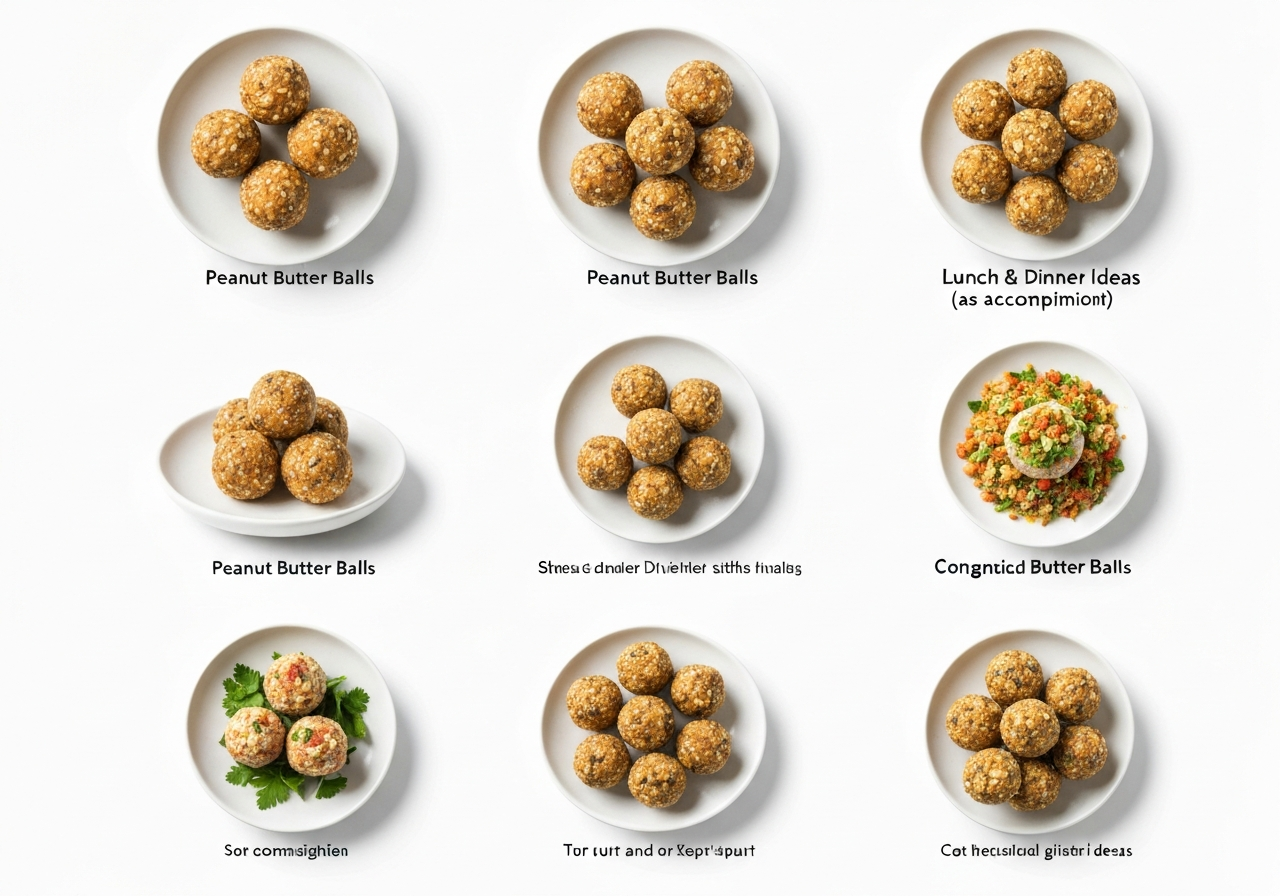
While not typically a main course, peanut butter balls can complement your lunch or dinner, especially if you have higher energy needs or are bulking.
* Post-Lunch Sweet Treat: Enjoy one peanut butter ball as a wholesome, satisfying dessert after a lean protein and veggie-rich lunch, helping to curb cravings for less healthy sweets.
* Energy with Salads/Bowls: For an athlete or someone with very high energy expenditure, a peanut butter ball could accompany a large salad or grain bowl, providing additional dense calories and nutrients without feeling heavy.
Meal Prep Tips
The "no-bake" nature of most healthy peanut butter ball recipes makes them a meal prep dream.
1. Batch Preparation: Dedicate a specific time each week to prepare a large batch. This ensures you always have a healthy snack on hand, preventing impulsive, less nutritious choices.
2. Portion and Store: Once rolled, store your peanut butter balls in an airtight container in the refrigerator for up to two weeks. For longer storage, they freeze exceptionally well for up to 2-3 months. Just pull them out a few minutes before you want to enjoy them.
3. Labeling: If you make different varieties (e.g., with or without protein powder, different flavors), label your containers to easily identify them.
Cooking Methods That Preserve Nutrients
The beauty of most healthy peanut butter balls is that they are no-bake. This means we avoid high-heat cooking methods that can sometimes degrade certain heat-sensitive vitamins (like some B vitamins or Vitamin C, if present in minor ingredients). By keeping them raw or minimally processed, we ensure that the natural nutrients from ingredients like oats, peanut butter, and flaxseed meal remain intact and bioavailable.
For Weight Loss
We understand that when we are pursuing weight loss, every calorie and macronutrient counts. Peanut butter balls, often perceived as a calorie-dense treat, can surprisingly be a valuable ally in a well-structured weight loss plan when consumed strategically.
The key lies in their incredible satiety factor. The harmonious blend of protein, healthy fats, and fiber works synergistically to keep us feeling full and satisfied for extended periods. This sustained fullness is paramount in weight loss, as it helps to reduce overall calorie intake by minimizing impulsive snacking and overeating at main meals. We find that when our clients incorporate a balanced snack like this, they report fewer cravings and better adherence to their dietary goals.
Weight Loss Focus:
* High Satiety: Protein, fat, and fiber combine to keep hunger at bay.
* Controlled Portions: Easy to pre-portion, preventing overconsumption.
* Nutrient Density: Provides essential nutrients, avoiding "empty calories."
Why it's good for weight loss:
* Curbs Cravings: The rich, satisfying taste, combined with a balanced macro profile, can effectively shut down cravings for less healthy, sugary, or highly processed foods.
* Stabilizes Blood Sugar: Ingredients like oats and natural peanut butter help prevent drastic blood sugar spikes and crashes, which can lead to increased hunger and fat storage.
* Healthy Fats for Metabolism: While calorie-dense, the monounsaturated fats in peanut butter are beneficial for metabolic health and can support the body's fat-burning processes when consumed in moderation.
Portion recommendations:
For weight loss, portion control is absolutely critical. We recommend limiting ourselves to 1-2 small peanut butter balls per serving, depending on their size and your individual daily calorie and macro targets. A typical small ball (around 25-35g) can range from 100-150 calories. Using your macro tracking app to log your specific homemade recipe is the best way to ensure you stay within your caloric deficit.
Pairing suggestions:
To further enhance the weight loss benefits, consider pairing your peanut butter balls with:
* High-fiber vegetables: Such as carrot sticks or cucumber slices, to add volume and additional nutrients with minimal calories.
* A large glass of water or herbal tea: This further promotes fullness and aids digestion.
* Lean protein sources: If you're having them as a mini-meal, pair them with a small serving of cottage cheese or a hard-boiled egg to boost protein without adding excessive calories.
By being mindful of portion sizes and choosing recipes low in added sugar, peanut butter balls can be a delicious and effective component of a successful weight loss strategy.
For Muscle Gain
For individuals committed to muscle gain, often referred to as bulking, strategically incorporating calorie-dense and nutrient-rich foods is paramount. Peanut butter balls are an exceptional tool in our arsenal for facilitating muscle growth and recovery. We find they hit all the right notes for those looking to add quality mass.
The primary benefit for muscle gain lies in their impressive protein content. Whether from the natural peanut butter, which is a good source of plant-based protein, or enhanced with added protein powder, these balls provide the essential amino acids necessary for muscle protein synthesis. After intense training sessions, our muscles are primed to absorb nutrients for repair and growth, and a readily available protein source like a peanut butter ball can kickstart this process effectively. One bag (45g) of protein peanut butter balls can offer 10g of protein. Some recipes can provide 7-9g protein per ball.
Moreover, the calorie density of peanut butter balls is a huge advantage for muscle gain. To build muscle, we must consume more calories than we expend, creating a caloric surplus. These compact snacks pack a significant caloric punch in a small volume, making it easier to meet elevated energy requirements without feeling overly stuffed. The healthy fats provide a concentrated energy source, fueling workouts and supporting hormone production essential for anabolism.
Pre/post-workout timing:
* Pre-workout (60-90 minutes before): A couple of peanut butter balls can provide sustained energy for your training session, thanks to their blend of complex carbohydrates and healthy fats. This prevents mid-workout fatigue and allows for optimal performance.
* Post-workout (within 30-60 minutes): This is a critical window for recovery. Consuming protein and carbohydrates helps replenish glycogen stores and initiate muscle repair. The protein in peanut butter balls contributes directly to this, while the carbs help shuttle that protein to your muscles.
Bulking meal ideas:
* Enhanced Post-Workout Shake: Blend 1-2 peanut butter balls into your post-workout protein shake for an extra boost of calories, protein, and healthy fats. This makes your shake more substantial and adds a delicious flavor.
* Calorie-Dense Snack Between Meals: Incorporate 2-3 peanut butter balls as a mid-morning or mid-afternoon snack between larger meals. This consistently feeds your muscles and contributes to your daily caloric surplus.
* Dessert with Purpose: Enjoy a couple of peanut butter balls as a nutritious dessert after dinner. They satisfy sweet cravings while adding valuable calories and macros to your daily total, supporting your muscle gain objectives even while you sleep.
By strategically integrating peanut butter balls, you can effectively increase your protein and calorie intake in a delicious and convenient way, directly supporting your muscle gain aspirations.
Comparisons
When we consider adding a new food to our macro-tracked diet, it's wise to compare it with similar options to understand its unique position and benefits. Peanut butter balls stand out among a crowded field of snack choices, particularly against their close relatives and commercial alternatives.
vs. Similar Foods
- Peanut Butter Balls vs. Traditional Energy Balls: While often used interchangeably, "energy balls" can be a broader category. Many energy balls might rely heavily on dates or dried fruit for sweetness and energy, offering quick carbs but potentially less protein and healthy fats compared to a peanut butter ball fortified with protein powder or oats. Peanut butter balls typically offer a more balanced macro profile with a stronger emphasis on protein and healthy fats due to the primary ingredient.
- Peanut Butter Balls vs. Commercial Protein Bars: This is where homemade peanut butter balls often shine. Many commercial protein bars are loaded with artificial sweeteners, fillers, and highly processed ingredients. While convenient, their "health halo" can be misleading. Our homemade peanut butter balls, especially those made with natural peanut butter, oats, and a natural sweetener, boast a cleaner ingredient list and often a superior macro balance for sustained energy and satiety. Some protein balls are fortified with vitamins, mirroring commercial products, but with more recognizable ingredients.
- Peanut Butter Balls vs. Candy/Desserts: This comparison highlights the nutritional superiority of peanut butter balls. Traditional peanut butter candies or desserts are typically high in refined sugar, saturated fat, and offer minimal protein or fiber. Peanut butter balls, even with a touch of natural sweetness, provide essential macronutrients that fuel our bodies rather than just providing empty calories.
Best Alternatives
If you're looking for alternatives to peanut butter balls due to allergies, flavor preference, or specific dietary needs, we have several recommendations:
* Almond Butter/Cashew Butter Balls: For those with peanut allergies or simply desiring a different flavor, almond or cashew butter can be directly substituted for peanut butter in most recipes. These offer similar healthy fat and protein profiles. Almond butter, for instance, offers more iron, Vitamin E, and calcium than peanut butter.
* Seed Butter Balls: Sunflower seed butter (sunbutter) is an excellent nut-free alternative that still provides healthy fats and protein.
* Date & Nut Energy Bites: If you need a quick energy boost, date-based energy bites (often with nuts, seeds, and oats) are a good option. They tend to be higher in natural sugars and carbohydrates, great for immediate energy.
* Plain Nuts and Seeds: Sometimes the simplest alternative is the best. A handful of almonds, walnuts, or mixed seeds offers healthy fats, protein, and fiber without any added ingredients.
When to Choose Each
- Choose Peanut Butter Balls when: You need a balanced snack with sustained energy, a good source of protein and healthy fats, and a clean ingredient list. They are excellent pre/post-workout or as a satisfying meal-replacement component.
- Choose Almond/Cashew Butter Balls when: You have a peanut allergy or prefer the taste and slightly different micronutrient profile of other nut butters.
- Choose Seed Butter Balls when: You require a completely nut-free option due to severe allergies.
- Choose Date & Nut Energy Bites when: You need a quicker burst of energy, perhaps before a short, intense workout, or want a slightly sweeter, chewier texture.
- Choose Plain Nuts and Seeds when: You prefer a completely unprocessed option and are mindful of portioning the fat content.
Ultimately, the choice depends on your specific macro goals, dietary restrictions, and personal preferences.
FAQs
As nutrition coaches, we frequently encounter common questions about snack foods, and peanut butter balls are no exception. Here, we address some of the most pressing inquiries regarding their macros, preparation, and storage.
Q1: Are peanut butter balls good for you?
A1: Yes, when made with wholesome, natural ingredients like natural peanut butter, oats, and minimal added sugar, peanut butter balls are a highly nutritious snack. They provide a balanced mix of protein, healthy fats, fiber, and essential micronutrients, supporting sustained energy and satiety.
Q2: How many calories are in one peanut butter ball?
A2: The calorie count can vary significantly based on the recipe and size. A typical homemade, no-bake peanut butter ball (around 25-45g) can range from approximately 100 to 187 calories. We always recommend calculating the exact nutrition for your specific recipe to track accurately.
Q3: Can peanut butter balls help with weight loss?
A3: Yes, they can. Despite being calorie-dense, their high protein, healthy fat, and fiber content promotes satiety, helping to reduce hunger and prevent overeating between meals. Portion control is crucial for weight loss, so stick to 1-2 balls per serving.
Q4: Are peanut butter balls suitable for muscle gain?
A4: Absolutely. The combination of protein (from peanut butter and often added protein powder) and complex carbohydrates makes them an excellent snack for muscle growth and recovery. They provide the necessary fuel for workouts and building blocks for muscle repair, contributing to a caloric surplus needed for bulking.
Q5: How should I store homemade peanut butter balls?
A5: Store your homemade peanut butter balls in an airtight container in the refrigerator for up to two weeks. For longer preservation, they can be frozen for 2-3 months. Thaw them slightly at room temperature before enjoying.
Q6: Can I make peanut butter balls without protein powder?
A6: Yes, many delicious and nutritious peanut butter ball recipes do not require protein powder. Ingredients like oats, natural peanut butter, and flaxseed meal already contribute a good amount of protein and fiber. Adding protein powder simply boosts the protein content further.
Q7: What are the best ingredients for a healthy peanut butter ball?
A7: For the healthiest options, we recommend using natural peanut butter (ingredients: just peanuts, or peanuts and salt), old-fashioned rolled oats, a natural sweetener like honey or maple syrup, and optional additions like ground flaxseed meal, chia seeds, or a high-quality protein powder.
Track Peanut Butter Balls easily with JustMacrosFit - your free macro tracking app.