Barebells Protein Bars: Complete Macros & Nutrition Guide
Complete macro and nutrition guide for Barebells Protein Bars. Learn calories, protein, carbs, fat per serving plus meal ideas and tracking tips.
Table of Contents
- Quick Answer
- Detailed Nutrition Facts
- Health Benefits
- How to Track Macros
- Portion Measurement Tips
- Using Macro Tracking Apps
- Common Serving Sizes
- Meal Ideas & Preparation
- Breakfast, Lunch, Dinner Ideas
- Meal Prep Tips
- Cooking Methods That Preserve Nutrients
- For Weight Loss
- Why It's Good for Weight Loss
- Portion Recommendations
- Pairing Suggestions
- For Muscle Gain
- Protein Content Benefits
- Pre/Post Workout Timing
- Bulking Meal Ideas
- Comparisons
- vs. Similar Foods
- Best Alternatives
- When to Choose Each
- FAQs
- Are Barebells bars low carb?
- How much protein is in a Barebells Protein Bar?
- Are Barebells Protein Bars healthy?
- Can I eat a Barebells Protein Bar every day?
- Do Barebells Protein Bars contain artificial sweeteners?
- How should I store Barebells Protein Bars?
- Are there vegan Barebells Protein Bars?
Barebells Protein Bars Macros: Complete Nutrition Guide
Quick Answer
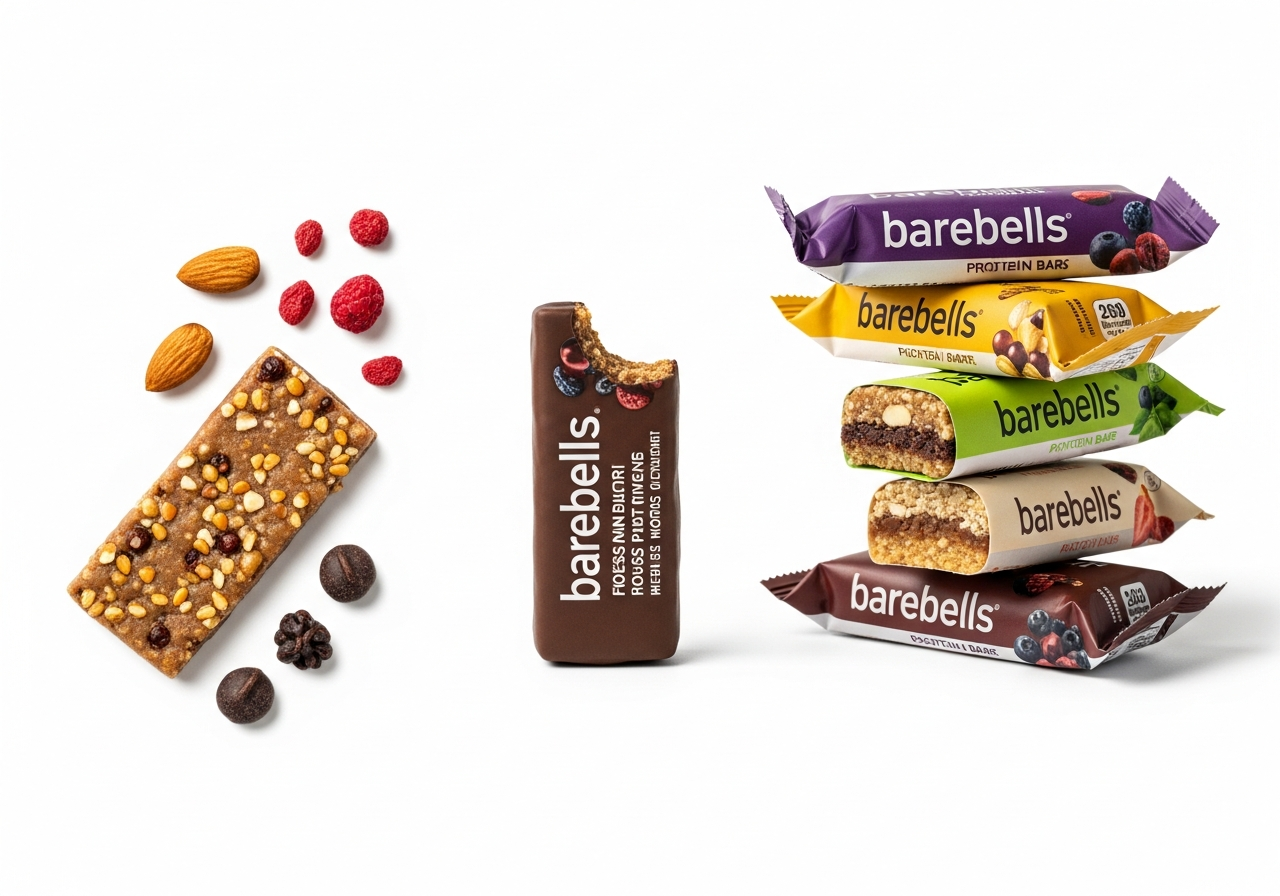
Barebells Protein Bars offer a robust macronutrient profile, typically delivering around 364 calories, 36.4 grams of protein, 12.7 grams of fat, and 36.4 grams of total carbohydrates per 100 grams. Their key nutritional highlight is their impressive protein content coupled with a very low sugar count, making them an excellent choice for convenient protein intake without excessive added sugars.
Detailed Nutrition Facts
When we delve into the full nutritional landscape of Barebells Protein Bars, we find a carefully crafted balance designed to support an active lifestyle. A standard Barebells Protein Bar, weighing approximately 55 grams, typically provides around 200-210 calories. This makes them a substantial snack or a convenient mini-meal replacement when you're on the go.
The macronutrient breakdown per 55-gram bar is as follows:
* Protein: Each bar is packed with a significant 20 grams of protein. This high-quality protein blend typically includes milk protein (calcium caseinate, whey protein concentrate, whey protein isolate) and often bovine collagen hydrolysate, providing a comprehensive amino acid profile for muscle repair and growth.
* Fats: Total fat content usually ranges from 7 to 8 grams per bar, with saturated fat typically between 3 to 3.5 grams. These fats contribute to satiety and overall energy, often coming from ingredients like cocoa butter and sunflower oil.
* Carbohydrates: Barebells bars contain approximately 19-21 grams of total carbohydrates. A notable feature is their low sugar content, typically only 1-2 grams per bar, with 0 grams of added sugars. The bars utilize sugar alcohols, such as maltitol and glycerin, to achieve their sweet flavor without spiking blood sugar levels significantly. They also contain about 3 grams of dietary fiber, which aids digestion and contributes to feelings of fullness.
Beyond the main macros, Barebells bars also offer some micronutrients, although they are not primarily designed as a multivitamin source. A typical bar may provide small amounts of calcium (around 10-15% Daily Value) and iron (2-4% Daily Value), depending on the flavor. Sodium content can vary, but generally falls in the range of 50-190 mg per bar.
Hero Nutrients Highlight: A single Barebells Protein Bar (55g) provides 20 grams of protein and a mere 1-2 grams of sugar, making it an outstanding option for macro tracking and managing sugar intake.
When comparing Barebells to similar convenience foods, we find they stand out for their superior protein-to-sugar ratio. Many traditional snack bars or even some other protein bars can contain significantly higher amounts of added sugars, which can undermine health and fitness goals. Barebells' formulation prioritizes protein and manages sweetness through sugar alcohols, a common strategy in low-sugar food products.
Health Benefits
The specific macro profile of Barebells Protein Bars offers several compelling health benefits, making them a popular choice for individuals focused on nutrition and an active lifestyle.
The primary benefit stems from their substantial protein content. Protein is crucial for muscle protein synthesis, which means it helps in the repair and growth of muscle tissue after exercise. For athletes, gym-goers, and anyone looking to maintain or increase muscle mass, a quick and effective protein source like a Barebells bar can be incredibly valuable. Furthermore, protein is highly satiating, meaning it helps us feel fuller for longer, which can be a significant advantage for weight management by reducing overall calorie intake throughout the day.
Key Benefit: The high protein content (20g per bar) supports muscle repair, growth, and prolonged satiety.
Barebells Protein Bars are particularly beneficial for:
* Active individuals and athletes: To support post-workout recovery and muscle building.
* Those on a weight management journey: The high protein and fiber help control appetite and prevent overeating.
* Busy professionals or students: As a quick, convenient, and nutritious snack when whole food options are not readily available.
* Individuals looking to reduce sugar intake: With only 1-2 grams of sugar and no added sugars, they satisfy sweet cravings without the usual sugar rush.
When to incorporate a Barebells Protein Bar into your diet largely depends on your individual needs and schedule. They are ideal:
* Post-workout: To kickstart muscle recovery and replenish protein stores.
* As a mid-morning or afternoon snack: To bridge the gap between meals and prevent excessive hunger, helping to maintain stable energy levels.
* As a convenient meal replacement: In situations where a balanced whole food meal is simply not an option, a Barebells bar can provide essential macros.
* To curb sweet cravings: Their delicious, dessert-inspired flavors offer a healthier alternative to traditional candy bars.
How to Track Macros
Accurately tracking your macros is fundamental to achieving specific health and fitness goals, whether it's weight loss, muscle gain, or overall nutritional balance. Barebells Protein Bars simplify this process due to their consistent serving sizes and clear nutrition labels.
Portion Measurement Tips
For Barebells Protein Bars, portion measurement is straightforward. Each bar is designed as a single serving, typically weighing 55 grams. This eliminates the need for scales or measuring cups, as you simply consume one bar. We always recommend checking the specific nutrition label on your chosen flavor, as minor variations can occur.
Using Macro Tracking Apps
Integrating Barebells Protein Bars into your macro tracking routine is seamless with apps like JustMacrosFit. We recommend the following steps:
1. Scan the Barcode: Most macro tracking apps have a barcode scanner feature. Simply scan the barcode on your Barebells bar, and the nutritional data (calories, protein, fats, carbs, fiber, sugars) for one serving will typically auto-populate.
2. Manual Entry (if needed): If the barcode isn't recognized, you can manually enter the nutrition facts directly from the packaging into the app. Focus on the main macros: total calories, protein, total fat, and total carbohydrates. Don't forget to include fiber and sugar alcohol details if your app allows for more granular tracking, as these impact net carbs.
3. Adjust Serving Size: Confirm the serving size is one bar. If you were only consuming a portion of a bar (though less common with these pre-portioned snacks), you would adjust the serving size accordingly in your app.
Common Serving Sizes
As mentioned, the common and intended serving size for Barebells Protein Bars is one bar (55g). This consistent sizing makes them incredibly convenient for precise macro tracking, removing guesswork from your daily intake calculations.
Meal Ideas & Preparation
While Barebells Protein Bars are primarily grab-and-go snacks, they can be strategically incorporated into various meal plans to boost protein intake or serve as a convenient component. Our team of veteran nutrition coaches and chefs understands that flexibility is key to sustainable healthy eating.
Breakfast, Lunch, Dinner Ideas
- Breakfast Boost: Pair a Barebells Protein Bar with a piece of fruit (like an apple or banana) and a cup of black coffee for a quick, protein-rich breakfast on busy mornings. This provides sustained energy and helps you hit your protein goals early.
- Lunch Companion: If your lunch is lighter on protein, such as a large salad with limited lean meat, adding a Barebells bar can round out your macros and ensure satiety.
- Dinner Dessert Alternative: For those with a sweet tooth post-dinner, a Barebells bar can be a much healthier alternative to traditional high-sugar desserts, satisfying cravings while contributing valuable protein.
Meal Prep Tips
Barebells Protein Bars require virtually no preparation, which is one of their biggest advantages.
1. Strategic Placement: Keep a few bars in your gym bag, desk drawer, car, or pantry for easy access when hunger strikes or when you need a quick protein top-up.
2. Travel-Friendly: Their individually wrapped format makes them perfect for travel, ensuring you always have a nutritious option at hand, even when healthy food choices are scarce.
3. Emergency Snack: Consider them an "emergency snack" for those times when you're unexpectedly delayed or stuck without access to a planned meal.
Cooking Methods That Preserve Nutrients
Since Barebells Protein Bars are ready-to-eat, there are no cooking methods involved in their preparation. Their nutrients are preserved as packaged. The beauty of these bars lies in their convenience and stability. Just open and enjoy!
For Weight Loss
For individuals focusing on weight loss, Barebells Protein Bars can be a valuable tool when integrated thoughtfully into a calorie-controlled diet. We view them as a strategic asset for managing hunger and maintaining muscle mass.
Why It's Good for Weight Loss
Barebells Protein Bars are beneficial for weight loss primarily due to their high protein content (20g per bar) and low sugar profile (1-2g per bar).
* Satiety: Protein is known to be the most satiating macronutrient. Consuming protein-rich foods helps reduce appetite and makes you feel fuller for longer, which can naturally lead to consuming fewer calories overall.
* Muscle Preservation: During a calorie deficit, there's a risk of losing not just fat, but also valuable muscle mass. Adequate protein intake helps preserve lean muscle tissue, which is metabolically active and important for maintaining a healthy metabolism.
* Controlled Calories: With approximately 200-210 calories per bar, they offer a pre-portioned, controlled snack option that prevents overeating common with less structured snacks.
* Reduced Cravings: The delicious, dessert-like flavors, combined with low sugar, can effectively curb cravings for unhealthy sweets, helping you stick to your diet plan.
Portion Recommendations
For weight loss, we typically recommend one Barebells Protein Bar as a snack between meals or as a post-workout recovery aid. It is crucial to fit this into your overall daily calorie and macro targets. Over-consumption, even of healthy items, can hinder weight loss.
Pairing Suggestions
To enhance the satiety and nutritional benefits for weight loss, consider pairing your Barebells bar with:
* Water or Herbal Tea: Helps to increase fullness and hydration.
* A Handful of Berries: Adds natural sweetness, fiber, and antioxidants for minimal additional calories.
* A Small Green Salad: Provides extra fiber and volume, further contributing to satiety.
For Muscle Gain
For those dedicated to muscle gain, Barebells Protein Bars are an excellent supplement to a well-structured diet and training program. As veteran nutrition coaches, we emphasize the critical role of consistent protein intake for hypertrophy.
Protein Content Benefits
The standout feature for muscle gain is the impressive 20 grams of protein per bar. This protein blend, typically featuring calcium caseinate, whey protein concentrate, and whey protein isolate, provides a sustained release of amino acids, which are the building blocks of muscle.
* Muscle Protein Synthesis (MPS): Sufficient protein intake stimulates MPS, which is essential for repairing muscle damage incurred during training and building new muscle tissue.
* Recovery: Protein aids in faster recovery, allowing for more consistent and effective training sessions.
* Convenience: Hitting high protein targets throughout the day can be challenging. Barebells bars offer an incredibly convenient way to add 20 grams of high-quality protein without needing to prepare a meal.
Pre/Post Workout Timing
Strategic timing of your Barebells Protein Bar can maximize its benefits for muscle gain:
* Pre-workout (1-2 hours before): If you haven't had a meal recently, consuming a bar can provide amino acids to fuel your workout and prevent muscle breakdown during exercise.
* Post-workout (within 30-60 minutes): This is often referred to as the "anabolic window" where muscles are particularly receptive to nutrients. A Barebells bar can quickly deliver the necessary protein to kickstart muscle repair and recovery.
Bulking Meal Ideas
While Barebells bars are a great supplement, they should be integrated into a larger, calorie-dense bulking meal plan.
* Enhanced Smoothie: Crumble a Barebells bar into a high-calorie smoothie made with oats, nut butter, milk, and fruit for an extra protein and calorie punch.
* With a Full Meal: Have a Barebells bar alongside a main meal (e.g., chicken and rice, steak and potatoes) to easily increase the protein content of that meal, especially if your meal is lacking.
* High-Calorie Snack: Combine a Barebells bar with a handful of nuts, a serving of Greek yogurt, or a piece of whole-grain toast with avocado to create a more substantial, calorie-dense snack.
Comparisons
Understanding how Barebells Protein Bars stack up against other options is key to making informed dietary choices. As dieticians, we know that context and individual needs dictate the "best" choice.
vs. Similar Foods
- Barebells vs. Other Protein Bars: Barebells bars are highly regarded for their taste and texture, often described as resembling a candy bar, but with a significantly healthier macro profile. Many competitor bars might have similar protein content but often contain higher amounts of sugar or use different types of protein blends that may not be as palatable. Some might also have a more "chalky" texture. Barebells typically lead in the "no added sugar" category while maintaining deliciousness.
- Barebells vs. Traditional Candy Bars: There's simply no comparison. A traditional candy bar is high in sugar, unhealthy fats, and very low in protein and fiber, offering minimal nutritional value and a quick blood sugar spike. Barebells provide a satisfying taste experience with high protein and low sugar, supporting health goals rather than hindering them.
- Barebells vs. Whole Food Snacks (e.g., Greek yogurt, nuts, hard-boiled eggs): While whole foods are always preferred, Barebells offer unmatched convenience. A Greek yogurt or hard-boiled egg offers similar protein but requires refrigeration. Nuts are calorie-dense and provide healthy fats, but often less protein per serving than a Barebells bar.
Best Alternatives
When a Barebells bar isn't available or you're seeking variety, here are some excellent alternatives:
* Greek Yogurt: High in protein, probiotics, and calcium. Choose plain, unsweetened varieties.
* Cottage Cheese: Another dairy powerhouse, rich in casein protein for a sustained amino acid release.
* Hard-Boiled Eggs: A complete protein source, portable, and versatile.
* A Handful of Almonds or Walnuts: Provides healthy fats, fiber, and some protein.
* Protein Smoothie: Blend protein powder with fruit, spinach, and a liquid base for a customizable, nutrient-dense option.
When to Choose Each
- Choose Barebells Protein Bars when: Convenience, taste, and a precise macro hit (high protein, low sugar) are your top priorities. Perfect for busy schedules, travel, or when you need a delicious way to satisfy sweet cravings healthily.
- Choose Whole Food Alternatives when: You have time for preparation, prefer unprocessed ingredients, need a wider spectrum of micronutrients, or are sensitive to ingredients like sugar alcohols.
FAQs
As expert nutrition writers, we often encounter common questions about protein bars. Here, we address some of the most frequent inquiries regarding Barebells Protein Bars.
Are Barebells bars low carb?
Barebells Protein Bars are not strictly "low carb" in the ketogenic sense, as they typically contain 19-21 grams of total carbohydrates per bar. However, they are low in net carbs, particularly when considering the fiber and sugar alcohols. Net carbs usually range from 11-13 grams per bar, making them a moderate-carb option. They are not ideal for strict keto diets.
How much protein is in a Barebells Protein Bar?
Each standard Barebells Protein Bar contains a substantial 20 grams of protein. This makes them an excellent source of protein for muscle support and satiety.
Are Barebells Protein Bars healthy?
Yes, for active individuals or as an occasional snack, Barebells Protein Bars can be considered a healthy option. They are high in protein and very low in sugar, which are favorable attributes. However, like all processed foods, they should be consumed as part of a balanced diet that emphasizes whole, unprocessed foods.
Can I eat a Barebells Protein Bar every day?
Eating a Barebells Protein Bar every day is generally fine, especially if it helps you meet your protein goals and fits within your overall macro and calorie targets. We recommend varying your protein sources with whole foods like lean meats, dairy, and legumes to ensure a broad spectrum of nutrients.
Do Barebells Protein Bars contain artificial sweeteners?
Yes, Barebells Protein Bars do contain artificial sweeteners and sugar alcohols, such as maltitol and sucralose, to provide sweetness without added sugar. Some individuals may experience gastrointestinal discomfort from excessive consumption of sugar alcohols.
How should I store Barebells Protein Bars?
Barebells Protein Bars should be stored in a cool, dry place, away from direct heat or sunlight, to maintain their freshness and texture. They do not require refrigeration.
Are there vegan Barebells Protein Bars?
Yes, Barebells offers a range of vegan protein bars designed for plant-based diets. These typically feature protein blends from sources like soy, pea, and rice protein. Their nutritional profile will vary slightly from the dairy-based bars.
Track Barebells Protein Bars easily with JustMacrosFit - your free macro tracking app.