Potatoes Au Gratin: Complete Macros & Nutrition Guide
Complete macro and nutrition guide for Potatoes Au Gratin. Learn calories, protein, carbs, fat per serving plus meal ideas and tracking tips.
Table of Contents
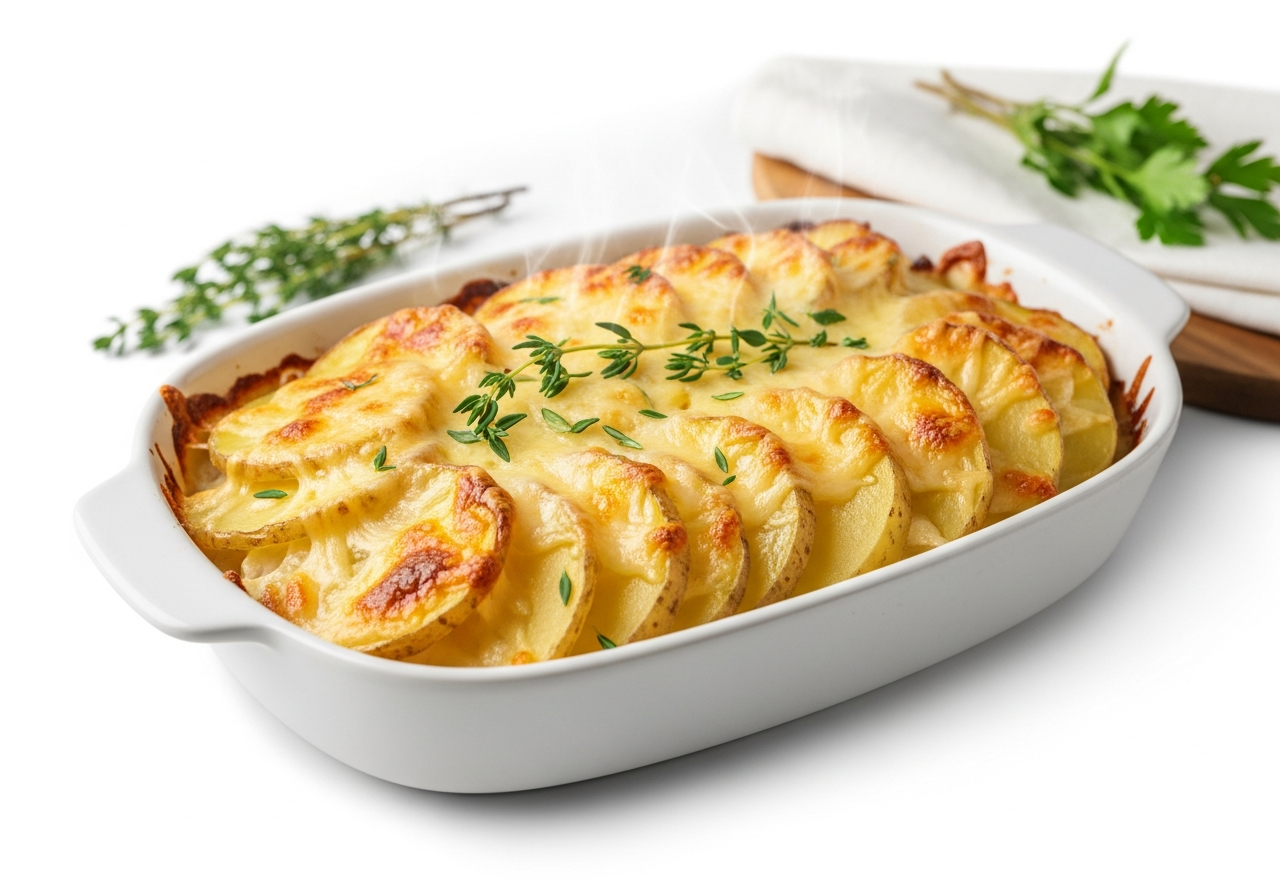
Potatoes Au Gratin Macros: Complete Nutrition Guide
As veteran nutrition coaches and chefs at JustMacrosFit, we understand that "Potatoes Au Gratin" often conjures images of indulgent comfort food, and rightly so. This classic dish, with its creamy sauce and cheesy topping, is a staple in many cuisines. But beyond its deliciousness, what exactly does a serving of Potatoes Au Gratin contribute to your daily macros and overall nutrition? We're here to break down the complete nutritional profile, offering expert insights for every dietary goal.
Quick Answer
A typical 100g serving of Potatoes Au Gratin generally provides approximately 160-180 calories, with a macro breakdown that leans heavily into carbohydrates and fats. We can expect around 15-20g of carbohydrates, 8-12g of fat, and 5-7g of protein. It's also a notable source of essential minerals like potassium and calcium, along with some vitamin C.
Detailed Nutrition Facts
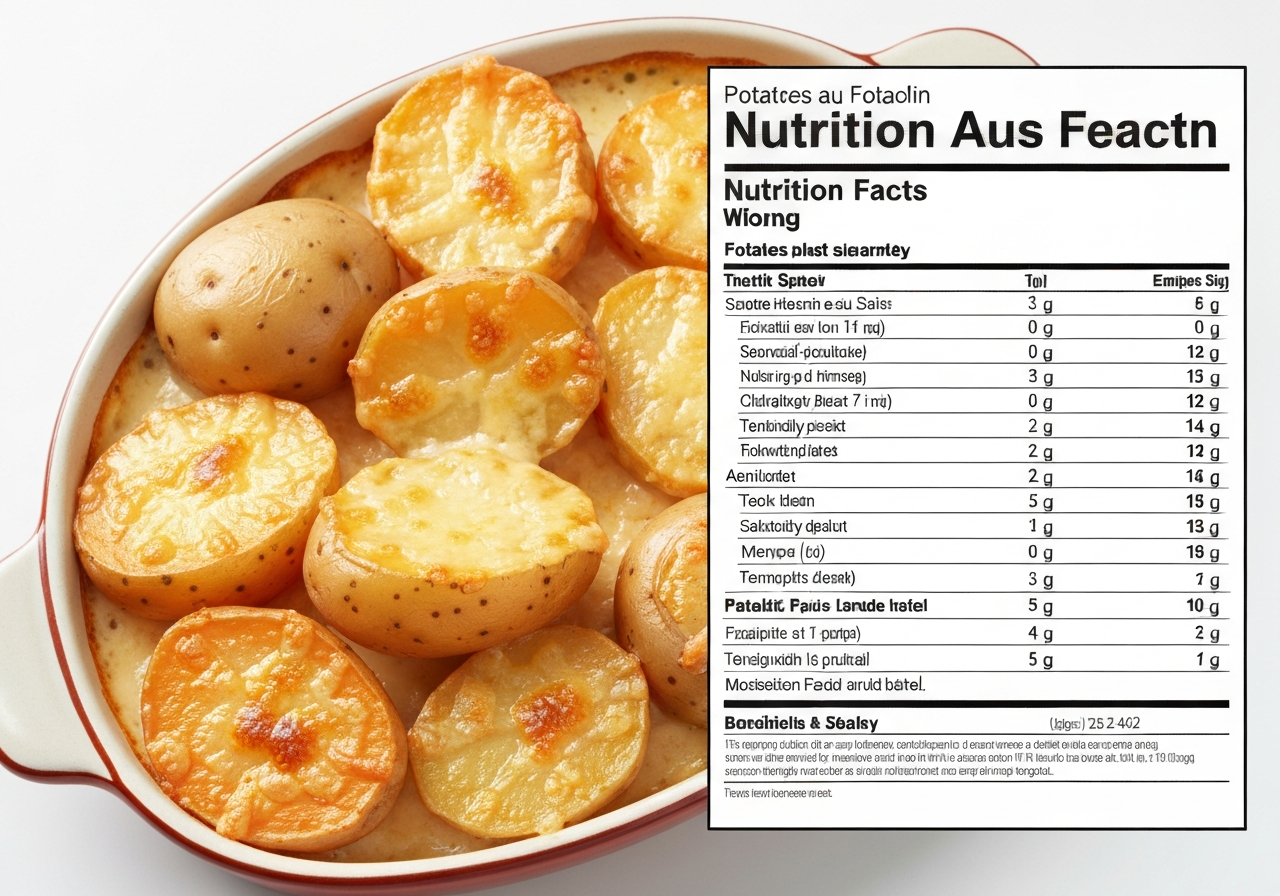
When we delve deeper into the nutritional facts of Potatoes Au Gratin, it's crucial to acknowledge that the exact values can vary significantly based on the specific recipe and ingredients used. A traditional preparation typically includes thinly sliced potatoes, heavy cream or milk, butter, and cheese, all of which contribute to its rich caloric and macronutrient profile.
-
Calories and Macronutrients: On average, a 100g portion of homemade Potatoes Au Gratin delivers between 132 to 180 calories. The calorie breakdown often shows fat contributing significantly, sometimes over 50% of the total calories, followed by carbohydrates and then protein.
- Carbohydrates: Expect around 15-20g of carbohydrates per 100g, primarily from the potatoes themselves. This makes it a good source of energy.
- Fats: This is where Potatoes Au Gratin shines in its richness, typically containing 8-12g of fat per 100g. A substantial portion of this is saturated fat, due to the dairy products like heavy cream, butter, and cheese.
- Protein: While not a primary protein source, a 100g serving still offers a modest 5-7g of protein, mainly from the cheese and milk.
-
Micronutrients: Beyond the macros, Potatoes Au Gratin offers several valuable micronutrients:
- Potassium: Potatoes are an excellent source of potassium, which is vital for muscle function, nerve transmission, and maintaining healthy blood pressure.
- Calcium: The cheese and cream contribute a good amount of calcium, essential for strong bones and teeth.
- Vitamin C: Potatoes provide vitamin C, an antioxidant important for immune function and collagen production.
- Phosphorus: Found in significant amounts, phosphorus works with calcium for bone health.
- B Vitamins: Potatoes also contribute B vitamins like Vitamin B6, which play a role in energy metabolism and brain function.
- Sodium: Due to the cheese and added salt, Potatoes Au Gratin can be relatively high in sodium, which is a consideration for those monitoring their intake.
Hero Nutrients per 100g (Approximate Averages):
* Potassium: ~300-450mg
* Calcium: ~100-290mg
* Vitamin C: ~3-24mg -
Serving Size Considerations: A typical serving size can range from 1/2 cup (approximately 100-150g) to 1 cup (around 200-250g). Understanding this variability is key for accurate macro tracking. For instance, a 1-cup serving could easily double the calorie and macro intake compared to a 1/2-cup portion.
-
Comparison to Similar Foods: Potatoes Au Gratin is generally more calorie and fat-dense than plain baked potatoes or even many mashed potato preparations, due to the liberal use of butter, cream, and cheese. We will delve into a more detailed comparison later in the article.
Health Benefits
Despite its reputation as an indulgent dish, Potatoes Au Gratin, when consumed mindfully, can offer several health benefits as part of a balanced diet. The key lies in understanding its composition and how it fits into your overall nutritional strategy.
-
Primary Benefits:
- Energy Source: The potatoes themselves are a rich source of complex carbohydrates, providing sustained energy for daily activities and fueling workouts. This makes it an excellent choice for athletes or individuals with high energy demands.
- Satiety: The combination of carbohydrates, fats, and a moderate amount of protein contributes to a feeling of fullness and satisfaction, which can help manage overall food intake if portions are controlled.
- Bone Health Support: The significant calcium content from the dairy products is crucial for maintaining strong bones and preventing conditions like osteoporosis.
- Electrolyte Balance: Potassium from potatoes plays a vital role in maintaining fluid and electrolyte balance, which is important for nerve impulses and muscle contractions.
-
Who Should Eat This Food:
- Active Individuals and Athletes: Those with higher energy needs, such as athletes or people with very active lifestyles, can benefit from the dense caloric and carbohydrate content to fuel performance and aid recovery.
- Individuals Seeking Weight Gain (Bulking): For those looking to gain muscle mass, Potatoes Au Gratin can be an effective way to increase calorie intake without feeling overly stuffed.
- Anyone in Moderation: As with all foods, the occasional enjoyment of Potatoes Au Gratin as part of a varied diet is perfectly healthy for most individuals.
-
When to Eat It:
- Post-Workout: As a carb-rich dish, it can help replenish glycogen stores after intense exercise, especially when paired with a lean protein source.
- As a Satisfying Side: It makes a hearty and comforting side dish for lunch or dinner, especially when balanced with lighter main courses and plenty of non-starchy vegetables.
- Special Occasions: Given its rich nature, it's often a celebratory dish, and enjoying it on such occasions allows for mindful indulgence.
How to Track Macros
Accurately tracking the macros in Potatoes Au Gratin is crucial for anyone serious about their nutrition goals. Due to the variability in recipes, simply picking a generic entry in a tracking app might not give you the precise data you need.
-
Portion Measurement Tips:
- Use a Food Scale: This is our golden rule at JustMacrosFit. Visually estimating portions can be highly inaccurate, especially with dense, creamy dishes. Measure your serving in grams for the most precise macro tracking. For example, aim for 100g, 150g, or 200g based on your dietary needs.
- Standard Measuring Cups: While less accurate than a scale, if a scale isn't available, use standard measuring cups (e.g., 1/2 cup or 1 cup). Be aware that the density of your Potatoes Au Gratin can affect the actual weight in a measuring cup. A 1/2 cup serving is often around 100-125g, and a 1-cup serving about 200-250g.
-
Using Macro Tracking Apps:
- Search for Specific Entries: Many apps have entries for "homemade potatoes au gratin." However, compare the macro breakdown to your specific recipe if you made it yourself.
- Create Custom Recipes: The most accurate method is to input your own recipe into your macro tracking app. This allows you to account for the exact amounts of potatoes, cream, butter, cheese, and any other ingredients, giving you a precise macro breakdown per serving.
- Adjust Generic Entries: If creating a custom recipe isn't feasible, find a generic entry that most closely matches your dish and manually adjust the fat content if you know, for example, you used less butter or a lower-fat cheese.
-
Common Serving Sizes and Their Approximate Macros (for a typical rich recipe):
- 1/2 Cup (approx. 100-125g):
- Calories: 160-225 kcal
- Carbs: 15-25g
- Fat: 8-15g
- Protein: 5-9g
- 1 Cup (approx. 200-250g):
- Calories: 320-450 kcal
- Carbs: 30-50g
- Fat: 16-30g
- Protein: 10-18g
- 1/2 Cup (approx. 100-125g):
Meal Ideas & Preparation
Integrating Potatoes Au Gratin into your meals doesn't have to be an all-or-nothing affair. As chefs, we believe in creative culinary integration that supports your nutrition goals.
- Breakfast Ideas: While not a traditional breakfast item, a small portion could be reimagined. Consider a "breakfast gratin" with added lean breakfast sausage or diced ham, and perhaps a baked egg on top. This offers a hearty start to an active day.
- Lunch Ideas: Pair a moderate serving with a large, fresh green salad topped with grilled chicken or fish for a balanced meal. The salad provides fiber and micronutrients, while the lean protein balances the richness of the gratin.
- Dinner Ideas: Potatoes Au Gratin traditionally shines as a side dish for dinner. We recommend serving it alongside:
- Meal Prep Tips:
- Make Ahead: Potatoes Au Gratin is an excellent dish for meal prepping as it reheats well. Prepare a larger batch at the beginning of the week.
- Portion and Store: Once cooled, divide the gratin into individual portions in airtight containers. Refrigerate for up to 3-4 days.
- Reheating: Reheat in the microwave for a quick meal, or in the oven for a crisper topping. If reheating in the oven, cover loosely with foil to prevent drying out, then uncover for the last few minutes to re-crisp.
- Cooking Methods That Preserve Nutrients:
- Baking vs. Frying: Potatoes Au Gratin is traditionally baked, which is a healthier cooking method than deep-frying. Baking helps retain many of the potato's inherent nutrients.
- Mindful Ingredient Swaps: To reduce fat and calories while maintaining flavor, consider:
- Using lower-fat milk (like 1% or skim milk) instead of heavy cream or whole milk.
- Opting for reduced-fat cheese or using a smaller quantity of full-fat cheese.
- Incorporating vegetables like thinly sliced cauliflower or zucchini alongside the potatoes to add volume and nutrients while reducing the potato content.
- Using vegetable broth in place of some of the cream for the sauce.
For Weight Loss
We understand that weight loss often means being mindful of calorie and fat intake. While Potatoes Au Gratin is typically a calorie-dense dish, it absolutely can be enjoyed as part of a weight loss strategy with careful planning.
-
Why It's Good for Weight Loss (with modifications):
- Satiety: The combination of complex carbohydrates and fats, even in a lighter version, can provide a sense of fullness that helps prevent overeating later.
- Energy for Activity: Potatoes are a solid source of energy to fuel workouts, which are critical for calorie expenditure during weight loss.
- Fiber (from potatoes with skin): If you opt to leave the potato skins on (which can be tricky with thin slices but possible with some recipes), you'll boost the fiber content, further enhancing satiety.
-
Portion Recommendations: The golden rule for weight loss is portion control. We recommend limiting your serving size to 1/2 cup (approximately 100-125g) to keep calories in check. This allows you to enjoy the flavor without derailing your daily calorie deficit.
-
Pairing Suggestions for Weight Loss:
- Lean Protein Powerhouse: Always pair your gratin with a generous serving of lean protein such as baked cod, grilled chicken breast, or turkey tenderloin. Protein promotes satiety and helps preserve muscle mass during weight loss.
- Vegetable Volume: Fill half your plate with non-starchy vegetables like steamed broccoli, a large leafy green salad, or roasted bell peppers. These add significant volume and nutrients for minimal calories, helping you feel full and satisfied.
- Sauce Control: If making your own, reduce the amount of butter and high-fat dairy in the sauce. Experiment with skim milk, Greek yogurt, or even vegetable broth to create a lighter, yet still creamy, consistency.
For Muscle Gain
For those dedicated to building muscle, often referred to as "bulking," Potatoes Au Gratin can be a strategic and delicious addition to your diet. Its caloric density and carbohydrate content are particularly beneficial.
-
Carbohydrate Content Benefits:
- Energy for Training: The complex carbohydrates from potatoes provide sustained energy for intense lifting sessions, ensuring you have the fuel to perform at your best.
- Glycogen Replenishment: Post-workout, these carbohydrates are crucial for replenishing muscle glycogen stores, which aids in recovery and sets the stage for muscle growth.
- Calorie Surplus: To build muscle, you need to consume more calories than you burn. Potatoes Au Gratin offers a palatable way to increase your calorie intake without feeling overly full or constantly eating.
-
Protein Content Benefits (Supporting Role): While not the primary protein source, the protein from the dairy in Potatoes Au Gratin contributes to your overall daily protein intake, which is essential for muscle repair and synthesis.
-
Pre/Post Workout Timing:
- Pre-Workout: A moderate serving 2-3 hours before a workout can provide slow-releasing energy.
- Post-Workout: A larger serving (1-2 cups) within 1-2 hours after training, paired with a fast-digesting protein source (like whey protein or lean chicken), is ideal for maximizing glycogen replenishment and muscle recovery.
-
Bulking Meal Ideas:
- Hearty Main Course: Combine a generous portion of Potatoes Au Gratin (1.5-2 cups) with a larger serving of high-quality protein, such as a grilled steak, roasted chicken thighs, or a large portion of ground turkey.
- Add Healthy Fats: Don't shy away from the richer versions of Potatoes Au Gratin during a bulk. The added fats contribute to your calorie surplus and can support hormone production.
- Nutrient-Dense Additions: Consider adding a side of nutrient-dense vegetables, or even stirring in some chopped spinach or kale into the gratin itself, to boost micronutrient intake.
Comparisons
Understanding how Potatoes Au Gratin stacks up against similar foods helps us make informed dietary choices based on our individual needs and goals.
-
Vs. Similar Foods:
- Plain Baked Potato: A plain baked potato (without butter, sour cream, or cheese) is significantly lower in calories, fat, and sodium. It's a pure carbohydrate source with good fiber if the skin is eaten. Potatoes Au Gratin is a much richer, more calorie-dense option.
- Mashed Potatoes: The nutritional profile of mashed potatoes varies widely depending on additions. Basic mashed potatoes made with milk can be lighter than au gratin. However, if loaded with butter, heavy cream, and cheese, they can be comparable in fat and calories to Potatoes Au Gratin.
- French Fries: While both are potato-based, french fries are typically deep-fried, which often results in a higher fat content and different macro balance compared to baked Potatoes Au Gratin. The cooking method makes a significant difference.
-
Best Alternatives: If you love the concept of a creamy potato dish but need a lighter option, consider these alternatives:
- Lighter Au Gratin: As discussed, using skim milk or Greek yogurt instead of heavy cream, reducing butter, and opting for lower-fat cheese can drastically cut down on calories and saturated fat.
- Cauliflower Gratin: This is a fantastic low-carb alternative for those looking to reduce carbohydrate intake. Cauliflower is baked in a creamy, cheesy sauce, mimicking the texture and flavor of traditional au gratin with fewer calories and carbs.
- Sweet Potato Gratin: For a different flavor profile and an added boost of Vitamin A, sweet potatoes can be used in place of white potatoes, often with lighter dairy ingredients.
- Scalloped Potatoes: Often similar to au gratin but typically made with a simpler cream sauce and sometimes without cheese or a browned crust, making them potentially less dense.
-
When to Choose Each:
- Potatoes Au Gratin: Choose this when you desire an indulgent, flavorful side dish and your macros allow for higher fat and calorie intake, especially for energy replenishment or during a muscle-building phase.
- Lighter Au Gratin/Cauliflower Gratin: Ideal when you're managing calorie intake for weight loss, or simply prefer a less rich, yet still satisfying, creamy side dish.
- Plain Baked Potato: Opt for this when you need a clean, complex carbohydrate source with minimal fat and sodium, such as for a very clean meal prep or right before a cardio session.
- Mashed Potatoes (Light): A good option for a comforting carb source that can be easily customized to be low in fat, perfect for everyday meals.
FAQs
We often receive questions about Potatoes Au Gratin and its place in a healthy diet. Here are some of the most common ones, answered by our team of nutrition experts.
Q1: Is Potatoes Au Gratin healthy?
A: Potatoes Au Gratin can be part of a healthy diet when consumed in moderation and as part of a balanced meal. Its healthiness depends heavily on the recipe, portion size, and individual dietary needs. Traditional versions are calorie and fat-dense, while lighter versions can be quite nutritious.
Q2: How can I make Potatoes Au Gratin lighter or more macro-friendly?
A: To lighten it up, we recommend using lower-fat milk or Greek yogurt instead of heavy cream, reducing the amount of butter, opting for reduced-fat cheese, and incorporating additional vegetables like cauliflower or mushrooms.
Q3: Is Potatoes Au Gratin good for weight loss?
A: It can be, with strict portion control and modifications. A small serving (1/2 cup) paired with lean protein and plenty of non-starchy vegetables can fit into a calorie-controlled diet. However, it's generally not a low-calorie food, so mindfulness is key.
Q4: Can I meal prep Potatoes Au Gratin?
A: Absolutely! Potatoes Au Gratin is an excellent dish for meal prepping. You can prepare it ahead of time, store individual portions in airtight containers in the refrigerator for 3-4 days, and reheat them as needed.
Q5: What are some good pairings for Potatoes Au Gratin?
A: For a balanced meal, pair it with lean protein sources like roasted chicken, baked fish, or grilled turkey. Complement it with a large serving of steamed or roasted green vegetables to add fiber and micronutrients.
Q6: Does Potatoes Au Gratin provide fiber?
A: While potatoes themselves contain fiber, particularly in their skins, the thin slicing and creamy preparation of Potatoes Au Gratin often means a lower overall fiber content compared to a whole baked potato. Some recipes, however, might retain more fiber, and adding vegetables can boost this.
Q7: Is Potatoes Au Gratin suitable for a low-carb diet?
A: No, traditional Potatoes Au Gratin is high in carbohydrates due to the potatoes. For a low-carb alternative, we highly recommend a cauliflower gratin, which offers a similar creamy and cheesy experience with significantly fewer carbs.
Track Potatoes Au Gratin easily with JustMacrosFit - your free macro tracking app.