Peanut Butter Fudge: Complete Macros & Nutrition Guide
Complete macro and nutrition guide for Peanut Butter Fudge. Learn calories, protein, carbs, fat per serving plus meal ideas and tracking tips.
Table of Contents
- Quick Answer
- Detailed Nutrition Facts
- Health Benefits
- How to Track Macros
- Meal Ideas & Preparation
- For Weight Loss
- For Muscle Gain
- Comparisons
- FAQs
- 1. What are the main macros in peanut butter fudge?
- 2. Is peanut butter fudge high in sugar?
- 3. Can I eat peanut butter fudge if I'm trying to lose weight?
- 4. How can I make peanut butter fudge healthier?
- 5. What's a typical serving size for peanut butter fudge?
- 6. How should I store peanut butter fudge?
- 7. Does homemade peanut butter fudge have different macros than store-bought?
Peanut Butter Fudge Macros: Complete Nutrition Guide
Quick Answer
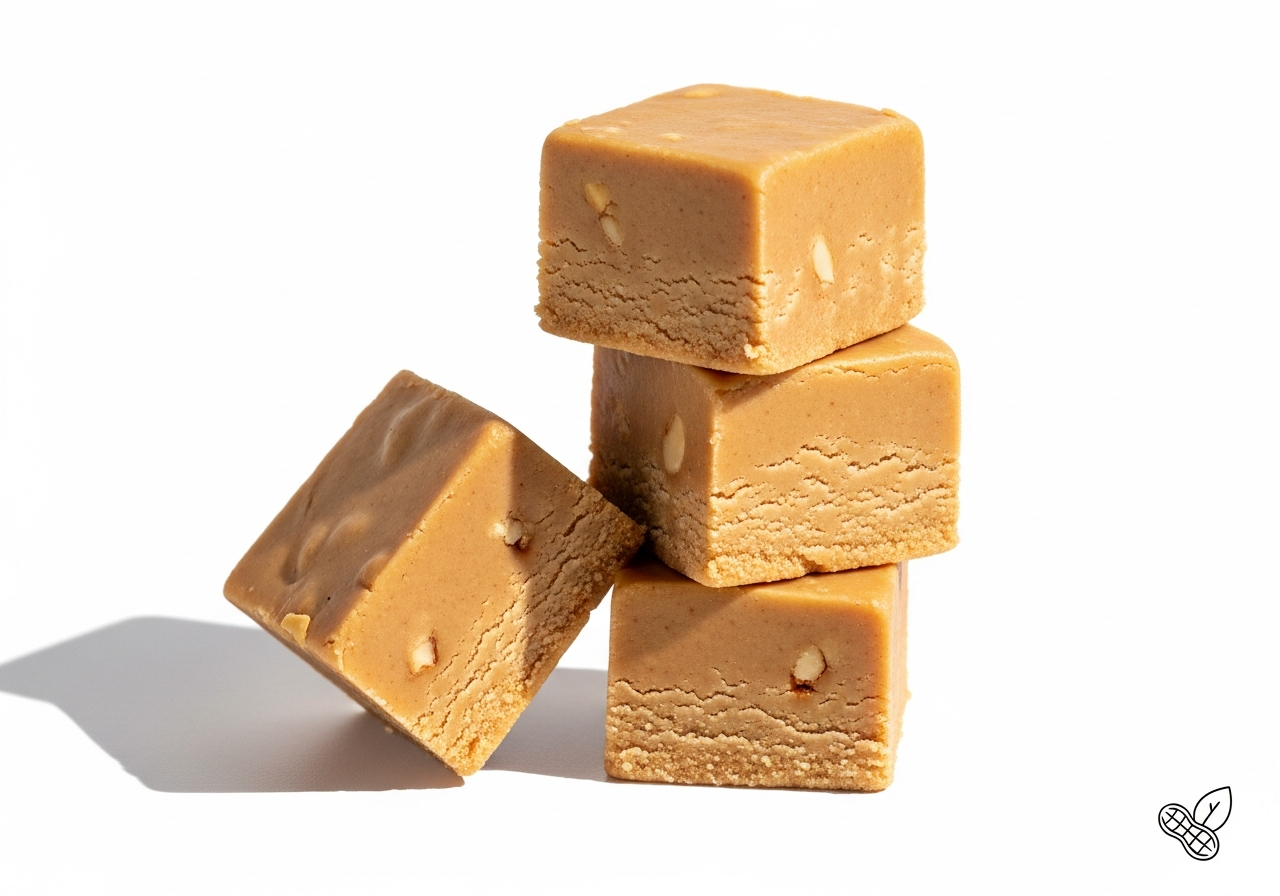
Peanut butter fudge is a decadent treat, primarily characterized by its high carbohydrate content, largely from sugars, and significant fat. Per 100g, it typically provides around 380-390 calories, with approximately 70-80g of carbohydrates, 7-17g of fat, and 4-5g of protein. While delicious, it is often dense in calories and sugar, making mindful consumption key for macro tracking.
Detailed Nutrition Facts
When we delve into the full nutritional profile of peanut butter fudge, we find a food that delivers a substantial energy boost, albeit one primarily driven by sugar. A standard 100g serving of peanut butter fudge typically contains about 384-387 calories.
Let's break down the macronutrients:
- Carbohydrates: This is the most dominant macronutrient, often ranging from 77g to 78g per 100g. The vast majority of these carbohydrates come from sugars, which can be as high as 73g per 100g. Dietary fiber content is generally very low, often around 1g or less per 100g.
> Hero Nutrient: Carbohydrates (primarily sugars) – Providing quick energy, carbohydrates are the main fuel source in peanut butter fudge, making it a fast-acting energy provider. - Fats: Peanut butter fudge contains a notable amount of fat, typically between 7g and 17g per 100g. This fat profile includes saturated, monounsaturated, and polyunsaturated fats, largely owing to the peanut butter content. While specific proportions vary by recipe, healthy monounsaturated and polyunsaturated fats from peanuts do contribute to this total.
- Protein: While peanut butter is known for its protein, in fudge form, its concentration is diluted by other ingredients like sugar and butter. A 100g serving usually offers approximately 3.8g to 4g of protein.
Beyond the macros, peanut butter fudge also contains a small spectrum of micronutrients. We find trace amounts of minerals such as iron, potassium, calcium, magnesium, phosphorus, and zinc. Vitamins, though present in minimal quantities, can include niacin, riboflavin, thiamin, and small amounts of Vitamin E and B vitamins. It is important to note that these micronutrient contributions are not significant enough to rely on peanut butter fudge as a primary source.
For serving size considerations, a single small piece (around 16g-22g) can contain approximately 60-95 calories, 12-15g of carbohydrates, 1-4g of fat, and 0.6-1.4g of protein. Comparing it to similar treats, like traditional chocolate fudge, the macro profile can be quite similar, often high in sugar and calories, but with slight variations depending on the specific ingredients and preparation.
Health Benefits
While often considered an indulgence, peanut butter fudge, consumed in moderation and as part of a balanced diet, can offer some surprisingly practical benefits. The primary ingredient, peanut butter, brings a range of nutritional advantages.
Firstly, peanut butter is a good source of healthy fats, including monounsaturated and polyunsaturated fats, which are known to support heart health when replacing saturated and trans fats in the diet. The energy density of fudge, derived from these fats and carbohydrates, can be beneficial for individuals needing a quick caloric boost or those with higher energy requirements.
Secondly, the small but present protein content from peanut butter contributes to muscle maintenance and growth. While not a primary protein source, it can be a tasty complement in a meal or snack designed for muscle building.
Hero Nutrient: Healthy Fats & Quick Energy – The fats from peanut butter provide sustained energy, while the sugars offer an immediate boost, useful for active individuals.
Who should consider incorporating this food into their diet? Active individuals, athletes, or those with higher caloric needs might find a small serving useful for pre- or post-workout energy. It can also serve as a satisfying treat for anyone managing cravings within their macro goals. For those aiming for weight gain in a structured manner, it can be a palatable way to increase calorie intake.
When is the best time to eat peanut butter fudge? As a quick energy source, a small piece can be effective about 30-60 minutes before a moderate workout. Post-workout, it can help replenish glycogen stores alongside a more complete protein source. For general enjoyment, we recommend consuming it as an occasional treat, perhaps after a balanced meal, to help with satiety and prevent overconsumption.
How to Track Macros
Accurate macro tracking for foods like peanut butter fudge, which can vary greatly in density and ingredients, is crucial for staying on top of your nutritional goals. We've seen how a small piece can pack a significant caloric punch, so precision matters.
The most effective way to track peanut butter fudge macros is by weighing your portion. Using a digital food scale allows for precise measurement in grams, which is far more accurate than volumetric measurements like cups or spoons. Since 100g of fudge can be quite calorically dense, even a slight overestimation can impact your daily totals.
Common serving sizes vary, but a typical "piece" might range from 16g to 22g. Some store-bought varieties might suggest a serving of 43g or 57g. We always advise checking the nutrition label if it's a pre-packaged product. For homemade fudge, calculate the total macros of all ingredients used in the recipe, then divide by the total number of servings or the weight of the entire batch to get per-serving macros.
Once you have your accurate serving size, using macro tracking apps like JustMacrosFit makes logging simple. You can either search for "peanut butter fudge" in our extensive database, input your custom recipe if you made it yourself, or manually enter the macronutrient values you've calculated. This diligent approach ensures your delicious treat fits seamlessly into your overall nutrition plan, whether you are aiming for weight loss, muscle gain, or maintenance.
Meal Ideas & Preparation
Incorporating peanut butter fudge into your diet doesn't mean building entire meals around it, but rather strategically integrating it as a satisfying component or a well-deserved treat. As a nutrition team, we advocate for balance, and that means even indulgences have a place.
Breakfast Ideas: While not a traditional breakfast item, a tiny square of peanut butter fudge could be crumbled over a bowl of plain Greek yogurt or oatmeal with fresh berries for a sweet, protein-rich start to the day. This provides a balance of protein, fiber, and complex carbohydrates to offset the simple sugars in the fudge.
Lunch/Dinner Ideas: For lunch or dinner, peanut butter fudge is best enjoyed as a small dessert, ensuring your main meal consists of lean protein, plenty of vegetables, and complex carbohydrates. Think of it as a flavorful finale rather than a core component.
Snack Ideas: A small piece of peanut butter fudge can serve as a quick energy boost before a workout or as a sweet pick-me-up during a long afternoon. Pair it with a handful of unsalted nuts or a piece of fruit to add fiber and healthy fats, moderating the sugar impact.
Meal Prep Tips: When making peanut butter fudge at home, consider cutting it into smaller, pre-portioned squares immediately after it sets. This makes macro tracking and portion control significantly easier. Store these individual portions in airtight containers in the refrigerator or freezer. Freezing allows for longer storage (up to three months) and can help slow down consumption, as it takes a moment to thaw or enjoy directly from frozen.
Regarding cooking methods that preserve nutrients, for fudge, the focus shifts more to ingredient quality. Using natural peanut butter (without added sugars or hydrogenated oils) can improve the fat profile. Opting for recipes that use less refined sugar or exploring natural sweeteners can also enhance the overall nutritional value, though these might alter the traditional fudge texture and taste.
For Weight Loss
We understand that recommending peanut butter fudge for weight loss might seem counterintuitive given its calorie and sugar density. However, as veteran nutrition coaches, we know that no food is inherently "bad" for weight loss; it's about context, portion, and overall dietary pattern.
Peanut butter fudge can be integrated into a weight loss plan, but strict portion control is paramount. Its rich flavor and satisfying texture can make a small serving feel like a substantial treat, helping to curb cravings for larger, less controlled indulgences. The healthy fats and protein from the peanut butter can also contribute to satiety, helping you feel fuller for longer.
Hero Nutrients for Weight Loss: Satiating Fats & Controlled Indulgence – In small portions, the fat and protein from peanut butter can help manage hunger and satisfy sweet cravings without derailing calorie goals.
We recommend treating peanut butter fudge as a rare, pre-planned treat within your daily calorie budget. A single small square (around 16-20g) might range from 60-95 calories, which can easily fit into a well-managed deficit.
Pairing suggestions for weight loss include enjoying a small piece alongside a high-volume, low-calorie food like a large cup of green tea, a handful of fresh berries, or a bowl of vegetable soup. This strategy helps to fill you up without significantly increasing calorie intake, allowing the fudge to be a small, satisfying punctuation mark in your day, rather than a caloric bomb. Remember, consistency in your deficit is what drives weight loss, and strategic indulgence can prevent feelings of deprivation that often lead to larger binges.
For Muscle Gain
For those focused on muscle gain, often referred to as a "bulking" phase, calorie-dense foods become valuable allies. Peanut butter fudge, with its concentrated energy from carbohydrates and fats, can be an excellent tool in a muscle-building diet, helping to meet the elevated caloric demands required for hypertrophy.
The protein content, while not exceptionally high per 100g (around 4g), still contributes to the overall daily protein intake essential for muscle repair and synthesis. More significantly, the high carbohydrate content helps replenish muscle glycogen stores, which are crucial for fueling intense workouts and aiding recovery. The fats, particularly the healthy fats from the peanut butter, provide sustained energy and support hormone production, both vital for muscle growth.
Hero Nutrients for Muscle Gain: Caloric Density & Glycogen Replenishment – The high calorie count and rapid carbohydrates in peanut butter fudge are ideal for fueling intense training and quick recovery during a bulking phase.
We often advise athletes to consider timing their consumption of such dense foods. Pre-workout, a small piece can provide quick, easily digestible energy for a demanding training session. Post-workout, when your muscles are primed for nutrient uptake, the carbohydrates in fudge can help drive amino acids into muscle cells and quickly restore depleted glycogen stores, especially when consumed with a fast-acting protein shake.
For bulking meal ideas, think about integrating peanut butter fudge as a component in a larger, calorie-dense snack or dessert. For instance, combine a serving of fudge with a protein shake blended with a banana and milk, or pair it with a full-fat Greek yogurt and a sprinkle of nuts. This ensures you're hitting your caloric and macro targets without feeling overly stuffed from high-volume, low-calorie foods.
Comparisons
Understanding where peanut butter fudge stands in the landscape of treats helps us make informed nutritional choices. When we compare it to similar foods and consider alternatives, its unique macro profile becomes clearer.
Vs. Similar Foods:
* Chocolate Fudge: Traditional chocolate fudge shares a very similar macro profile, being high in sugar and calories, with comparable fat and low protein content. However, specific ingredients can shift the balance. Chocolate fudge might offer slightly different micronutrient traces, often with more antioxidants from cocoa.
* Energy Bars/Granola Bars: Many commercial energy or granola bars are often marketed as healthy but can rival peanut butter fudge in sugar and calorie content. While they might offer more fiber or protein depending on the brand, it's crucial to read labels carefully. Fudge might be a more satisfying, albeit less "nutritious," choice if you're looking purely for taste and a controlled calorie boost.
* Candy Bars: Most standard candy bars are also high in sugar and fat, with minimal protein. Peanut butter fudge, due to its peanut butter base, often has a slightly better fat profile (more monounsaturated/polyunsaturated fats) and a touch more protein compared to many purely sugar-based candies.
Best Alternatives:
* Homemade Protein Fudge: For a healthier, macro-friendlier alternative, we recommend recipes utilizing protein powder, natural peanut butter, a sugar substitute (like stevia or erythritol), and perhaps a touch of coconut oil or almond flour. This significantly boosts protein and fiber while drastically reducing sugar and net carbs.
* Fruit with Nut Butter: A simpler, whole-food alternative is sliced apples or bananas with a dollop of natural peanut butter. This provides fiber, vitamins, and minerals alongside healthy fats and protein, with natural sugars.
* Dark Chocolate with Nuts: A square of dark chocolate paired with a few almonds offers antioxidants, healthy fats, and some fiber, with less sugar than traditional fudge.
When to Choose Each:
Choose traditional peanut butter fudge when you are looking for an indulgent, satisfying treat, particularly when you need a quick energy source or are in a calorie surplus for muscle gain, and can accurately fit it into your macros. Opt for homemade protein fudge or fruit with nut butter when your primary goal is overall health, weight loss, or if you need a nutrient-dense snack with controlled sugar and higher protein.
FAQs
1. What are the main macros in peanut butter fudge?
The primary macronutrients in peanut butter fudge are carbohydrates (predominantly sugars) and fats. Protein is present but in smaller amounts compared to the other two.
2. Is peanut butter fudge high in sugar?
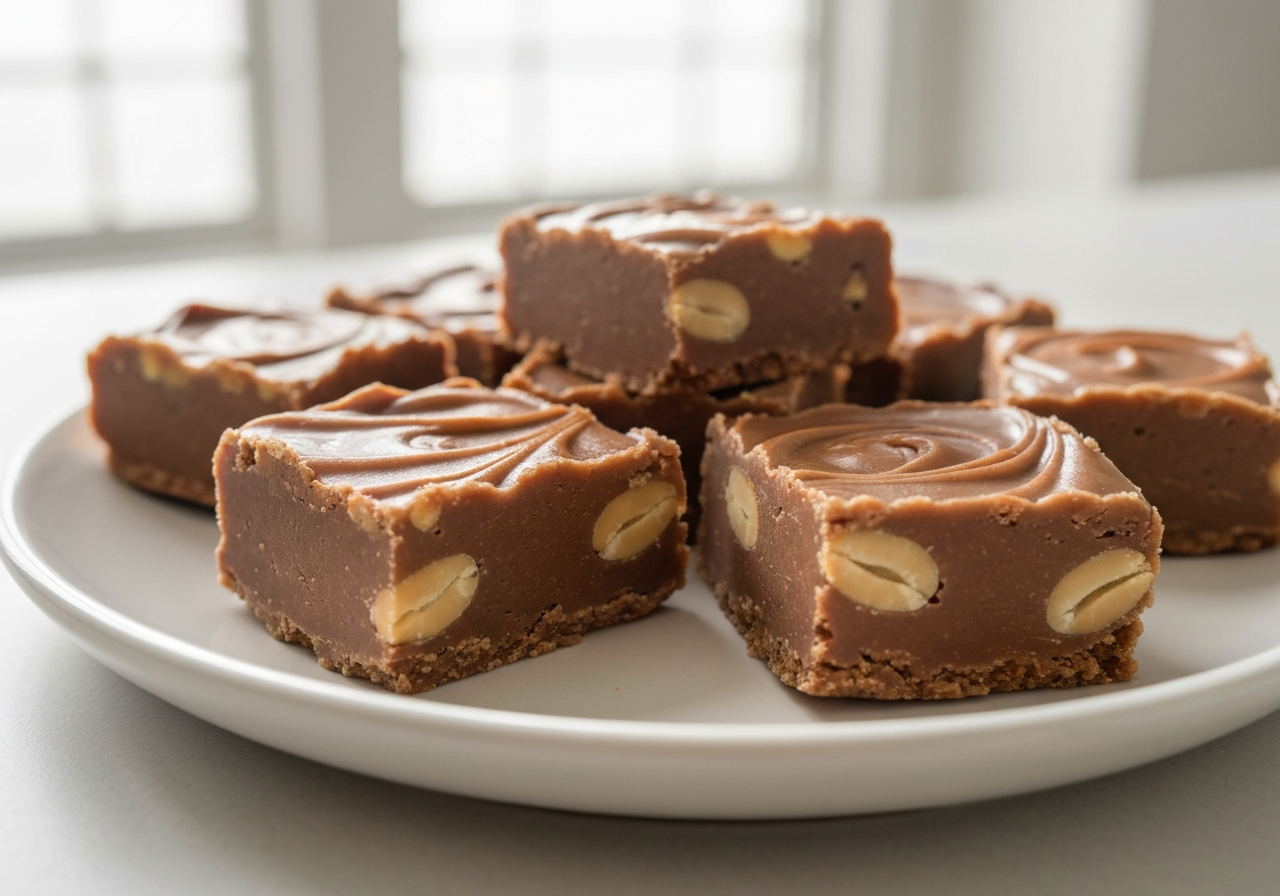
Yes, peanut butter fudge is typically very high in sugar, often containing around 73g of sugar per 100g serving.
3. Can I eat peanut butter fudge if I'm trying to lose weight?
You can, but strict portion control is essential. A small piece can fit into a calorie-controlled diet if planned correctly, and its richness can help satisfy cravings.
4. How can I make peanut butter fudge healthier?
To make it healthier, use natural peanut butter, reduce refined sugars by using alternatives like stevia or erythritol, and consider adding protein powder or fiber-rich ingredients.
5. What's a typical serving size for peanut butter fudge?
A typical serving size can range from a small piece (16-22g) up to a larger slice (43-57g), depending on the recipe or brand.
6. How should I store peanut butter fudge?
Peanut butter fudge can be stored in an airtight container in the refrigerator for up to a month, or in the freezer for up to three months.
7. Does homemade peanut butter fudge have different macros than store-bought?
Yes, homemade fudge can vary significantly in macros depending on the ingredients used (e.g., type of peanut butter, amount of sugar, butter vs. condensed milk). Store-bought fudge will have a nutrition label that reflects its specific ingredients.
Track Peanut Butter Fudge easily with JustMacrosFit - your free macro tracking app.