Flax Seeds Ground: Complete Macros & Nutrition Guide
Complete macro and nutrition guide for Flax Seeds Ground. Learn calories, protein, carbs, fat per serving plus meal ideas and tracking tips.
Table of Contents
- Quick Answer
- Detailed Nutrition Facts
- Health Benefits
- Primary Benefits
- Who Should Eat This Food
- When to Eat It
- How to Track Macros
- Portion Measurement Tips
- Using Macro Tracking Apps
- Meal Ideas & Preparation
- Breakfast, Lunch, Dinner Ideas
- Meal Prep Tips
- Cooking Methods That Preserve Nutrients
- For Weight Loss
- Why It's Good for Weight Loss
- Portion Recommendations
- Pairing Suggestions
- For Muscle Gain
- Protein Content Benefits
- Pre/Post Workout Timing
- Bulking Meal Ideas
- Comparisons
- vs. Similar Foods
- Best Alternatives
- When to Choose Each
- FAQs
- 1. Is ground flaxseed better than whole flaxseed?
- 2. How many calories are in a tablespoon of ground flaxseed?
- 3. Does ground flaxseed need to be refrigerated?
- 4. Can flaxseed help with hormonal balance, particularly for women?
- 5. How much ground flaxseed should I eat daily?
- 6. Can ground flaxseed be used as an egg substitute in baking?
- 7. Is flaxseed good for gut health?
Flax Seeds Ground Macros: Complete Nutrition Guide
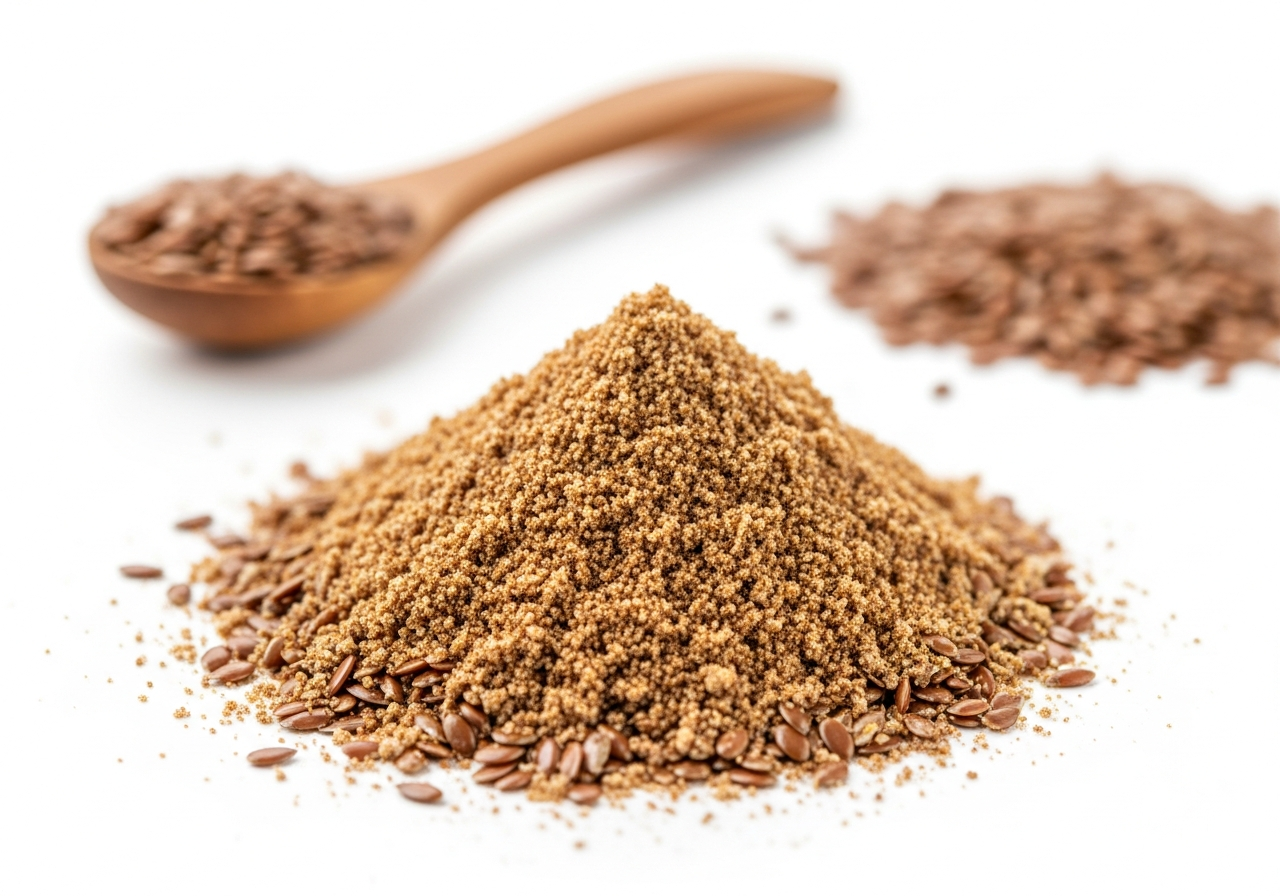
As nutrition experts and seasoned chefs at JustMacrosFit, we consistently advocate for nutrient-dense foods that empower our community to achieve their health and fitness goals. Among the myriad of potent plant-based options, ground flaxseed stands out as a true superfood. This tiny seed, when ground, unlocks a powerhouse of macronutrients and micronutrients that can significantly enhance overall well-being.
Quick Answer
Ground flaxseed is a remarkable source of balanced macros, delivering approximately 534 calories, 42 grams of fat, 29 grams of carbohydrates (predominantly fiber), and 18 grams of protein per 100 grams. Its primary nutritional highlight lies in its exceptional content of alpha-linolenic acid (ALA), an essential omega-3 fatty acid, coupled with abundant dietary fiber and potent lignans.
Detailed Nutrition Facts
Delving deeper into the macro and micronutrient profile of ground flaxseed reveals why we consider it a foundational element of a balanced diet.
Per 100 grams, ground flaxseed provides:
* Calories: Approximately 534 kcal.
* Total Fat: Around 42 grams.
* Polyunsaturated Fat: Roughly 29 grams, with a significant portion being the essential omega-3 fatty acid, alpha-linolenic acid (ALA).
* Monounsaturated Fat: Approximately 7.5 grams.
* Saturated Fat: Around 3.7 grams.
* Total Carbohydrates: About 29 grams.
* Dietary Fiber: A whopping 27 grams, making it incredibly rich in both soluble and insoluble fiber. This high fiber content means its "net digestible carbs" are very low.
* Sugars: Minimal, around 1.6 grams.
* Protein: Roughly 18 grams. Flaxseed offers a good range of amino acids, though it is considered an incomplete protein due to a lower lysine content when compared to a standard complete protein source. However, it is rich in arginine and glutamine, which are beneficial for heart and immune health.
Beyond the macros, ground flaxseed is a treasure trove of essential micronutrients:
* Vitamins: It is particularly rich in Thiamin (Vitamin B1), exceeding 100% of the Daily Value per 100g, and provides notable amounts of Vitamin B6, Folate, and smaller quantities of Vitamin E and K.
* Minerals: An excellent source of Magnesium, Phosphorus, Manganese, and Copper, all exceeding 90% of the Daily Value per 100g. It also contributes significantly to daily Iron, Zinc, and Selenium intake, along with Calcium and Potassium.
Hero Nutrients per 100g Ground Flaxseed:
- Omega-3 (ALA): Approximately 22.8 grams
- Dietary Fiber: Approximately 27 grams
- Thiamin (Vitamin B1): Approximately 1.6 mg (137% DV)
- Magnesium: Approximately 392 mg (93% DV)
- Manganese: Approximately 2.5 mg (108% DV)
- Copper: Approximately 1.2 mg (136% DV)
For practical daily intake, a common serving size of ground flaxseed is 1 to 2 tablespoons. One tablespoon (approximately 7 grams) contains about 37 calories, 2 grams of polyunsaturated fat (including omega-3s), 0.5 grams of monounsaturated fat, and 2 grams of dietary fiber. This makes it a calorie-dense but nutrient-rich addition to any meal, comparable to other seeds in its caloric contribution but exceptional in its specific nutrient profile.
Health Benefits
The consistent inclusion of ground flaxseed in our diets can unlock a multitude of health benefits, largely attributed to its unique composition of omega-3 fatty acids, fiber, and lignans.
Primary Benefits
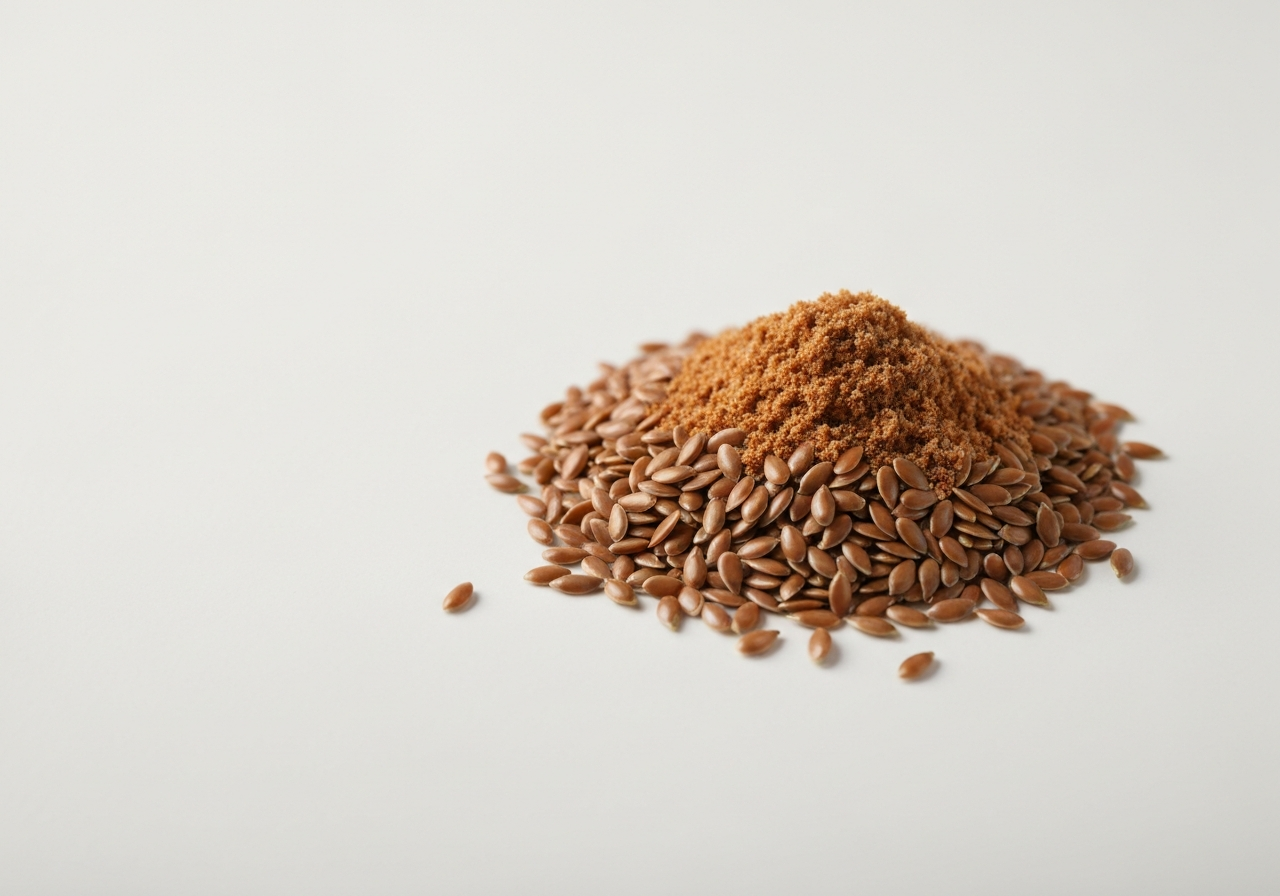
- Heart Health: Ground flaxseed is a powerful ally for cardiovascular health. Its high content of ALA, an omega-3 fatty acid, helps to lower total cholesterol and "bad" low-density lipoprotein (LDL) cholesterol, reduce inflammation, and support healthy blood pressure levels. We've seen how regular consumption can contribute to improved serum lipid profiles.
- Digestive Health: The rich blend of soluble and insoluble fiber in ground flaxseed is excellent for gut health. Insoluble fiber adds bulk to stool, promoting regularity and preventing constipation, while soluble fiber forms a gel-like substance that can improve stool consistency and feed beneficial gut bacteria. This dual action contributes to a healthy microbiome and efficient digestion.
- Blood Sugar Management: Fiber plays a critical role in stabilizing blood sugar levels. The soluble fiber in flaxseed helps slow down the absorption of sugar, preventing rapid spikes and crashes, which is beneficial for managing blood glucose and reducing insulin resistance.
- Antioxidant Properties: Ground flaxseed is an unparalleled source of lignans, a type of phytoestrogen with strong antioxidant capabilities. These antioxidants guard against cellular damage and inflammation, which may contribute to a reduced risk of certain chronic diseases, including some cancers.
- Hormonal Balance: The lignans in flaxseed, acting as phytoestrogens, can have a modulatory effect on hormone levels in the body. For women, this can be particularly beneficial in supporting hormonal balance, potentially easing symptoms related to menopause or conditions like PCOS, although individual responses can vary depending on specific hormonal needs.
Who Should Eat This Food
Ground flaxseed is a beneficial addition for almost anyone looking to enhance their nutritional intake. It is particularly recommended for individuals aiming to:
* Increase their intake of plant-based omega-3 fatty acids.
* Improve digestive regularity and gut health.
* Support heart health through cholesterol and blood pressure management.
* Manage blood sugar levels more effectively.
* Boost antioxidant intake.
* Those seeking plant-based protein and fiber sources.
When to Eat It
Due to its versatile nature, ground flaxseed can be incorporated into meals at any time of day. Adding it to breakfast cereals, smoothies, or yogurt can kickstart your day with fiber and healthy fats, promoting satiety. Incorporating it into lunch or dinner dishes, such as sprinkled over salads, mixed into soups, or used in baking, allows for consistent nutrient intake throughout the day. We often recommend consuming it with meals to aid digestion and enhance nutrient absorption.
How to Track Macros
Accurately tracking your ground flaxseed intake is crucial for precise macro tracking and achieving your dietary goals. As veteran nutrition coaches, we know that consistency and accuracy are key.
Portion Measurement Tips
While a tablespoon is a common measurement, we highly recommend using a digital kitchen scale for the most accurate macro tracking. Weight-based measurements eliminate the variability that comes with spoon sizes or how densely the flaxseed is packed.
Common Serving Equivalents:
- 1 tablespoon ground flaxseed: Approximately 7 grams, yielding around 37 calories.
- 2 tablespoons ground flaxseed: Approximately 14 grams, yielding around 75 calories.
If a scale isn't readily available, always level your measuring spoons to ensure a more consistent portion. Remember that for the most significant health impacts, particularly related to digestion and heart health, a daily intake of 1 to 2 tablespoons (ground) is often recommended.
Using Macro Tracking Apps
Leveraging a macro tracking app like JustMacrosFit simplifies the process immensely. Here's how to ensure accuracy:
1. Search Accurately: When logging, search specifically for "ground flaxseed" or "flaxseed meal" to ensure you select the correct entry, as the nutritional profile of whole seeds differs.
2. Verify Serving Size: Most apps will offer various serving sizes (e.g., 1 tablespoon, 100g). Select the one that matches your measurement method. If you've weighed your portion, input the gram amount directly for the highest accuracy.
3. Consistency: Make it a habit to log your flaxseed intake daily to maintain a complete and accurate overview of your macros.
Meal Ideas & Preparation
As chefs, we love how effortlessly ground flaxseed integrates into a diverse range of dishes, adding a subtle nutty flavor and a significant nutritional boost. Its versatility makes it a kitchen staple for healthy cooking.
Breakfast, Lunch, Dinner Ideas
- Breakfast:
- Smoothie Booster: Blend 1-2 tablespoons into your morning smoothie for an omega-3, fiber, and protein kick.
- Oatmeal & Cereal: Stir into hot oatmeal, cold cereal, or yogurt. It thickens slightly and adds a wonderful texture.
- Baked Goods: Incorporate into muffins, pancakes, waffles, or quick breads for added nutrition and a moist texture. It can even act as an egg substitute in baking (1 tablespoon ground flaxseed + 3 tablespoons water = 1 egg).
- Lunch & Dinner:
- Salad Topping: Sprinkle over salads for a textural contrast and nutrient boost.
- Soups, Stews & Chili: Stir into hearty dishes to add thickness and nutritional value.
- Sauces & Dressings: Whisk into homemade dressings or sauces for an extra layer of flavor and health benefits.
- Meatless "Meatballs" or Burgers: Use as a binder in plant-based recipes, contributing to structure and nutrients.
- Crusts: Create a nutritious, crunchy coating for fish or chicken by mixing ground flaxseed with herbs and spices.
Meal Prep Tips
Preparing ground flaxseed thoughtfully ensures you maximize its freshness and nutrient integrity.
1. Grind Fresh: For the most health benefits, flaxseed must be ground or crushed so the body can access the omega-3 rich oil. Whole seeds may pass through the digestive system undigested. If you buy whole flaxseeds, grind them in a coffee grinder or food processor as needed, ideally for 1-2 weeks' supply at a time.
2. Optimal Storage: Once ground, the delicate oils in flaxseed are exposed to air, light, and heat, which can lead to oxidation and rancidity.
* Refrigerator: Store freshly ground flaxseed in an airtight, opaque container in the refrigerator for up to 6 months.
* Freezer: For extended freshness, store ground flaxseed in an airtight container or vacuum-sealed bag in the freezer for up to one year. You can use it directly from the freezer; thawing is not required. Avoid repeated thawing and refreezing.
3. Labeling: Always label your containers with the date of grinding or opening to keep track of freshness.
Cooking Methods That Preserve Nutrients
While ground flaxseed is relatively stable, its omega-3 fatty acids (ALA) are sensitive to high heat.
* Baking: Incorporating ground flaxseed into baked goods at typical oven temperatures is generally acceptable, as the baking process is relatively short and the flaxseed is often mixed into a matrix of other ingredients, offering some protection.
* Raw Applications: For maximum omega-3 benefits, adding ground flaxseed to cold dishes like smoothies, yogurt, or salads is ideal, as it avoids any potential heat degradation.
* Flaxseed Oil: Flaxseed oil has a low smoke point and should not be used for cooking at high temperatures, as it can break down into harmful chemicals. It is best used in dressings or drizzled over finished dishes.
For Weight Loss
For those on a weight loss journey, ground flaxseed is an exceptional food to incorporate into your macro plan. We often recommend it due to its unique combination of nutrients that promote satiety and support a healthy metabolism.
Why It's Good for Weight Loss
- High Fiber Content for Satiety: The abundant dietary fiber in ground flaxseed, particularly the soluble fiber, forms a gel in the digestive tract. This slows down digestion and absorption, leading to increased feelings of fullness and satiety. When you feel fuller for longer, you're less likely to overeat or snack on unhealthy options, naturally reducing overall calorie intake.
- Blood Sugar Regulation: Stable blood sugar levels are crucial for weight management. Flaxseed helps regulate blood sugar, preventing the spikes and crashes that can trigger cravings and lead to fat storage, especially in the abdominal area.
- Healthy Fats and Protein: While moderate in protein per serving, the combination of healthy fats and fiber further contributes to satiety. The ALA omega-3s may also boost fat metabolism, assisting in burning more calories.
- Low Net Carbs: Most of the carbohydrates in flaxseed come from fiber, meaning its net digestible carbohydrate content is very low, making it a suitable food for low-carb or ketogenic approaches to weight loss.
Weight Loss Advantage:
- Ground flaxseed can significantly reduce hunger and appetite, contributing to decreased overall food consumption.
Portion Recommendations
When aiming for weight loss, we typically recommend a daily intake of 1 to 2 tablespoons (ground) of flaxseed. This amount provides a substantial fiber boost without adding excessive calories, helping you feel satisfied. Always integrate it as part of a balanced, calorie-controlled diet.
Pairing Suggestions
To maximize the weight loss benefits, pair ground flaxseed with other nutrient-dense, satiating foods:
* Protein-Rich Meals: Add to Greek yogurt, cottage cheese, lean protein shakes, or sprinkle over grilled chicken/fish to boost protein and fiber, enhancing fullness.
* Vegetable-Heavy Dishes: Mix into large salads, vegetable soups, or roasted vegetable bowls for an extra fiber punch.
* Whole Grains: Combine with steel-cut oats, quinoa, or brown rice for a sustained release of energy and improved digestion.
For Muscle Gain
For individuals focused on muscle gain, ground flaxseed might not be the first food that comes to mind, but its unique nutritional profile offers several advantages, especially for those seeking plant-based options and overall health support during a bulk.
Protein Content Benefits
While not as protein-dense as a chicken breast, ground flaxseed still contributes to your daily protein goals. Per 100 grams, it provides approximately 18 grams of plant-based protein. This protein includes beneficial amino acids like glutamine, arginine, and branched-chain amino acids (BCAAs), which are crucial for muscle recovery, immune function, and the development and maintenance of lean body mass. In a world increasingly seeking diverse protein sources, flaxseed holds a significant advantage.
Pre/Post Workout Timing
Ground flaxseed can be strategically incorporated into both pre and post-workout meals, though its role differs from that of fast-digesting proteins.
* Pre-Workout: While its fiber content might slow digestion, a small amount (1 tablespoon) in a smoothie or oatmeal a few hours before a workout can provide sustained energy from healthy fats and contribute to overall nutrient intake without causing digestive discomfort.
* Post-Workout: Adding ground flaxseed to post-workout shakes or meals can provide essential omega-3s to help manage inflammation often associated with intense exercise. The protein content supports muscle repair and growth, and the fiber aids in nutrient absorption and overall gut health, which is vital for recovery.
Muscle Support:
- Flaxseed oil, rich in ALA, may positively influence muscle protein loss and carbohydrate oxidation, supporting muscle health.
Bulking Meal Ideas
When aiming for a calorie surplus for muscle gain, ground flaxseed can be an excellent addition due to its calorie density from healthy fats and its rich fiber content.
* High-Calorie Smoothies: Blend 2-3 tablespoons into your bulking smoothies with protein powder, fruit, and nut butter for an easy boost of calories, healthy fats, and fiber.
* Oatmeal & Cereal Bowls: Stir generous amounts into your morning oatmeal, along with nuts, seeds, and fruit, to increase calorie and nutrient density.
* Baked Goods: Incorporate into homemade protein muffins, bars, or bread recipes to add healthy fats, fiber, and a protein contribution, making your snacks more satiating and nutritious.
* Mixed into Meals: Sprinkle over high-protein main courses, or mix into sauces and dressings for an imperceptible caloric and nutrient upgrade.
Comparisons
Understanding how ground flaxseed stacks up against similar foods helps us make informed dietary choices tailored to specific needs and goals.
vs. Similar Foods
The most common comparisons for ground flaxseed are with other popular "super seeds" like chia seeds and hemp seeds.
Flax Seeds vs. Chia Seeds:
* Omega-3s (ALA): Flax seeds have a higher concentration of ALA omega-3 fatty acids. An ounce of flax seeds contains over 6,000 mg of ALA, while an ounce of chia seeds has around 4,900 mg. This gives flax a slight edge for boosting ALA intake.
* Fiber: Both are excellent sources of fiber. Chia seeds tend to have slightly more fiber per serving (around 7g per 2 Tbsp vs. 3-5g for flax, depending on the form). Chia seeds are also known for their higher soluble fiber content, which contributes to their gel-forming ability.
* Lignans: Flax seeds are uniquely rich in lignans, a powerful antioxidant and phytoestrogen, containing significantly more than chia seeds.
* Minerals: Chia seeds are typically higher in calcium, iron, and phosphorus. Flax seeds offer more copper, thiamine, and magnesium.
* Protein: Both offer comparable amounts of plant-based protein per ounce, with flax seeds having a slight edge.
* Satiety: Flax seeds may be slightly more effective at reducing hunger and appetite due to their fiber profile.
* Calorie Density: Per 100g, flaxseed has slightly more calories than chia seed (534 vs 486 kcal).
Flax Seeds vs. Hemp Seeds:
* Omega-3s (ALA): Flax seeds are significantly higher in ALA omega-3s.
* Protein: Hemp seeds often boast a more complete amino acid profile, making them a more "complete" protein source.
* Minerals: Hemp seeds are also rich in minerals like magnesium, iron, and zinc.
* Texture & Taste: Hemp seeds have a softer texture and a milder, nuttier flavor, while flax seeds have a slightly earthier, more robust taste when ground.
Best Alternatives
If flax seeds are unavailable or not preferred, other excellent alternatives can provide similar nutritional benefits:
* Chia Seeds: As discussed, a fantastic alternative for fiber, omega-3s, and mineral content.
* Hemp Seeds: Good for protein, omega-3s (though less ALA than flax), and a milder flavor.
* Walnuts: While not a seed, walnuts are a great source of plant-based ALA omega-3 fatty acids.
* Almonds/Other Nuts & Seeds: Offer healthy fats, fiber, and various micronutrients, but typically without the high ALA content of flax.
When to Choose Each
- Choose Ground Flax Seeds when: You are specifically targeting high ALA omega-3 intake, maximizing lignan intake for antioxidant or hormonal support, and seeking significant fiber for satiety and digestive regularity. It's also often more economical than chia seeds.
- Choose Chia Seeds when: You prioritize slightly higher fiber content (especially soluble fiber for gelling), higher calcium intake, or if you prefer their unique thickening properties in puddings or as an egg substitute.
- Choose Hemp Seeds when: You are looking for a more complete plant-based protein source and a milder flavor that integrates easily into many dishes.
Ultimately, we believe that incorporating a variety of these nutrient-dense seeds can provide the broadest spectrum of benefits.
FAQs
We receive many questions about ground flaxseed, and as your veteran nutrition coaches, we're here to provide clear, actionable answers.
1. Is ground flaxseed better than whole flaxseed?
Yes, absolutely. For the most health benefits, flaxseed must be ground or crushed. Whole flaxseeds have a hard outer shell that the human digestive system often cannot break down, meaning they can pass through undigested and you won't absorb their valuable omega-3 oils, fiber, and lignans.
2. How many calories are in a tablespoon of ground flaxseed?
A single tablespoon (approximately 7 grams) of ground flaxseed contains around 37 calories. This makes it a calorie-dense but nutrient-rich addition to your meals.
3. Does ground flaxseed need to be refrigerated?
Yes, for most brands and especially if you grind your own at home, ground flaxseed should be stored in an airtight, opaque container in the refrigerator. The delicate omega-3 oils in ground flaxseed are prone to oxidation when exposed to air, light, and heat, which can cause them to go rancid quickly. Freezing is an even better option for long-term storage, extending its freshness for up to a year.
4. Can flaxseed help with hormonal balance, particularly for women?
Yes, flaxseed contains unique plant compounds called lignans, which are phytoestrogens. These lignans can interact with estrogen receptors in the body and may help modulate hormone levels. We often recommend flaxseed to women seeking to support hormonal balance, especially during menopause or for conditions like PCOS, due to its potential to offer hormonal support.
5. How much ground flaxseed should I eat daily?
A healthy and effective daily amount is typically 1 to 2 tablespoons of ground flaxseed. This provides a significant dose of omega-3s, fiber, and lignans without overdoing your caloric intake.
6. Can ground flaxseed be used as an egg substitute in baking?
Yes, it's a popular plant-based egg substitute! To replace one egg, mix 1 tablespoon of ground flaxseed with 3 tablespoons of water. Let it sit for about 5-10 minutes until it forms a gel-like consistency, and then add it to your recipe.
7. Is flaxseed good for gut health?
Absolutely. Ground flaxseed is an excellent source of dietary fiber, both soluble and insoluble, which are fundamental for a healthy gut. The fiber promotes regular bowel movements, aids in stool formation, and acts as a prebiotic, feeding the beneficial bacteria in your gut microbiome. This contributes to overall digestive wellness and can help alleviate issues like constipation.
Track Flax Seeds Ground easily with JustMacrosFit - your free macro tracking app.