Avocado Nutrition Facts: Health Benefits & Nutrition Facts
Complete nutrition guide for Avocado Nutrition Facts. Discover top health benefits, micronutrient breakdown (vitamins & minerals), and science-backed daily intake recommendations.
Table of Contents
- The Power of the Pear: A Lead Nutrition Researcher's Guide to Avocado Nutrition Facts
- Executive Summary
- Nutritional Profile: Beyond the Macros
- Top 5 Health Benefits of Avocados
- Best Ways to Eat for Maximum Absorption
- Potential Side Effects & Risks
- Avocado Nutrition Facts vs. The Competition
- FAQs
- Conclusion
The Power of the Pear: A Lead Nutrition Researcher's Guide to Avocado Nutrition Facts
As a Lead Nutrition Researcher at JustMacros, my focus extends beyond basic calorie counting to the profound impact of micronutrients and their role in optimizing health outcomes. When we delve into the "Avocado Nutrition Facts," we uncover a powerful, nutrient-dense fruit that offers a myriad of scientifically-backed benefits for overall well-being.
Executive Summary
Yes, avocado consumption significantly aids in promoting cardiovascular health, improving gut microbiota diversity, and enhancing nutrient absorption due to its unique blend of healthy fats, fiber, and an array of essential vitamins and minerals. The #1 "Hero Nutrient" in avocado responsible for many of these profound benefits is its monounsaturated fatty acid (MUFA) content, primarily oleic acid. This healthy fat not only supports heart health but also plays a crucial role in the absorption of fat-soluble vitamins and other beneficial compounds.
Hero Nutrient: Monounsaturated Fats (MUFAs) – Particularly oleic acid, these healthy fats are central to avocado's health-promoting properties, impacting everything from cardiovascular health to nutrient absorption.
Nutritional Profile: Beyond the Macros
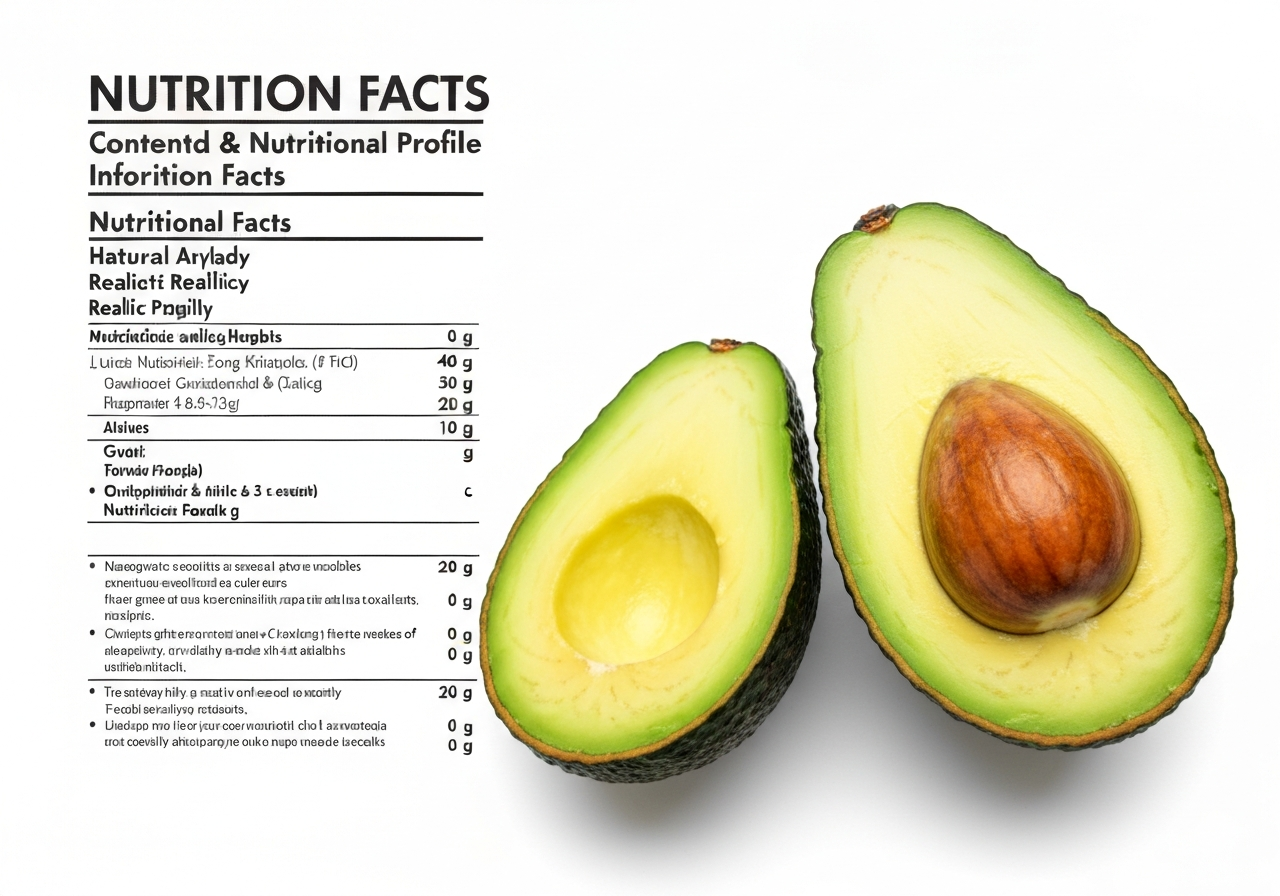
While avocados do contain healthy macronutrients (fats, carbohydrates, and protein), their true power lies in their rich micronutrient profile. A 100-gram serving (approximately half a large avocado) provides a substantial amount of vitamins, minerals, and other bioactive compounds.
Here’s a breakdown of key micronutrients per 100g (approximately half a large avocado) and their associated health benefits:
| Nutrient | Amount per 100g (approx. 1/2 large avocado) | Health Benefit |
|---|---|---|
| Potassium | 485 mg (approx. 10% DV) | Essential for maintaining normal blood pressure, supporting heart health, and ensuring proper muscle and nerve function. Helps regulate fluid and mineral balance in cells. |
| Folate | 81 µg (approx. 20% DV) | Crucial for cell division and blood formation. Particularly important during pregnancy for tissue development and reducing the risk of neural tube defects. May also lower the risk of certain cancers. |
| Vitamin K | 21 µg (approx. 18% DV) | Vital for blood clotting and plays a significant role in bone health by helping the body utilize calcium effectively. |
| Vitamin C | 10 mg (approx. 11% DV) | A powerful antioxidant that supports immune function, collagen synthesis, and skin health. |
| Vitamin E | 2.07 mg (approx. 14% DV) | A fat-soluble antioxidant that protects cells from oxidative stress and free radical damage. Also contributes to skin health. |
| Copper | 0.19 mg (approx. 21% DV) | Essential for iron metabolism, red blood cell formation, and maintaining healthy connective tissues. |
| Lutein | 136 µg (per serving) | A carotenoid and antioxidant concentrated in the eyes and brain. Filters harmful blue light, supports vision health, and may improve cognitive function, particularly memory and problem-solving skills. |
| Fiber | 6.7 g (approx. 24% DV) | Promotes satiety, aids digestion, supports regular bowel movements, and fuels beneficial gut bacteria (prebiotic effects). |
| Magnesium | 29 mg (approx. 7% DV) | Supports healthy nerve and muscle function, helps activate Vitamin D for calcium absorption, and is linked to overall metabolic health. |
Note: DV (Daily Value) percentages are approximate and can vary based on individual dietary needs and specific avocado varieties.
Top 5 Health Benefits of Avocados
The rich nutritional composition of avocados translates into a diverse array of health benefits, supported by extensive scientific research.
1. Cardiovascular Health Optimization
Avocados are renowned for their profound positive impact on heart health. The high concentration of monounsaturated fatty acids (MUFAs), primarily oleic acid, is a key driver of this benefit.
"Those heart-healthy monounsaturated fats in avocados can help lower your LDL, or 'bad' cholesterol. Low LDL levels reduce your risk of heart disease and stroke." - Julia Zumpano, Registered Dietitian, Cleveland Clinic
Biological Mechanism: MUFAs help reduce levels of low-density lipoprotein (LDL) cholesterol, often referred to as "bad" cholesterol, while potentially increasing high-density lipoprotein (HDL) cholesterol, the "good" cholesterol. This lipid-lowering effect is crucial for preventing atherosclerosis—the hardening and narrowing of arteries—which is a major risk factor for cardiovascular disease and stroke. Additionally, avocados are a significant source of potassium, which helps regulate blood pressure by counteracting the effects of sodium and easing tension in blood vessel walls. A study involving over 100,000 adults found that consuming two or more servings of avocado per week was associated with a 16% lower risk of cardiovascular disease and a 21% lower risk of coronary heart disease.
2. Enhanced Gut Microbiota Health and Digestive Function
The dietary fiber content in avocados plays a critical role in supporting a healthy digestive system and fostering a diverse gut microbiome.
Biological Mechanism: Avocados contain both soluble and insoluble fiber. Insoluble fiber adds bulk to stool, promoting regular bowel movements and preventing constipation, while soluble fiber acts as a prebiotic, feeding beneficial gut bacteria. These beneficial bacteria ferment the prebiotic fiber, producing short-chain fatty acids (SCFAs) like butyrate, acetate, and propionate. SCFAs are vital for maintaining the integrity of the gut lining, reducing inflammation, and supporting overall gut function. Research has shown that daily avocado consumption can increase the abundance and diversity of gut microbes that break down fiber, leading to improved gut health and the production of beneficial metabolites.
"Daily avocado consumption resulted in greater abundance of bacteria that break down fiber and produce metabolites that foster gut health. In addition, subjects in the avocado group had slightly more fat in their feces and a reduction in bile acids; substances released by the gallbladder that assist in fat digestion. This finding suggests that participants were absorbing less fat from their diet..."
3. Optimized Nutrient Absorption (The "Nutrient Booster" Effect)
Avocados act as a "nutrient booster," significantly enhancing the absorption of fat-soluble vitamins and other beneficial compounds from foods consumed alongside them.
Biological Mechanism: Many essential vitamins (A, D, E, and K) and carotenoids (like lutein and beta-carotene) are fat-soluble, meaning they require dietary fat for proper absorption in the digestive tract. Avocados, with their ample supply of healthy monounsaturated fats, provide the ideal medium for these nutrients to be absorbed into the bloodstream. Studies indicate that adding avocado to salads or salsa can increase the absorption of carotenoids by up to 15 times. This synergistic effect ensures that the body can fully utilize these vital compounds for immune support, vision, bone strength, and cellular health.
4. Cognitive Function and Eye Health Support
The unique combination of nutrients in avocados, particularly lutein and monounsaturated fats, supports brain function and protects eye health.
Biological Mechanism: Lutein, a carotenoid highly concentrated in avocados, accumulates in the macula of the eye and in brain tissue. In the eyes, lutein acts as a natural antioxidant, filtering harmful blue light and helping to maintain healthy eyesight as we age, potentially reducing the risk of age-related macular degeneration (AMD). In the brain, lutein may improve cognitive function, including working memory, processing speed, and problem-solving skills. The monounsaturated fats in avocados further contribute to brain health by promoting healthy blood flow and acting as antioxidants.
5. Satiety and Weight Management
Despite their calorie density, avocados can be a valuable tool for weight management due to their fiber and healthy fat content, which promotes feelings of fullness.
Biological Mechanism: The combination of dietary fiber and monounsaturated fats in avocados slows down digestion and contributes to increased satiety, meaning you feel fuller for longer. This can help curb cravings, reduce overall calorie intake throughout the day, and prevent overeating. Studies have shown that individuals who include avocado in their meals report greater satisfaction and reduced hunger compared to those consuming meals with less fat and fiber, even with similar calorie counts. This satiating effect, combined with avocados' low sugar content and rich micronutrient profile, makes them a beneficial addition to a balanced, weight-management-focused diet.
Best Ways to Eat for Maximum Absorption
To maximize the nutritional benefits and absorption of avocado's valuable compounds:
- Raw Consumption is Optimal: High heat can reduce the content of certain heat-sensitive vitamins (like Vitamin E) and antioxidants in avocados. It's best to eat avocados raw, lightly grilled, or added towards the end of cooking a dish.
- Food Pairings for Synergistic Effects:
- With Fat-Soluble Vitamins (A, D, E, K): Always pair avocados with other sources of fat-soluble vitamins found in foods like leafy greens, carrots, and sweet potatoes. The monounsaturated fats in avocado dramatically boost their absorption.
- With Vitamin C-rich Foods: While avocados contain some Vitamin C, pairing them with foods high in Vitamin C (e.g., citrus fruits, bell peppers, tomatoes) can enhance the absorption of iron and provide an additional antioxidant boost. Guacamole with lime juice and tomatoes is an excellent example.
- With Other Healthy Fats: Combining avocados with other healthy fats like olive oil, nuts, or seeds (e.g., in a salad with olive oil dressing) can further increase carotenoid absorption.
- Recommended Daily Dosage for Health Benefits: A recommended serving size is typically one-third to one-half of a medium avocado (50-100 grams) per day to reap significant health benefits without excessive calorie intake. Some studies demonstrating cognitive or gut health benefits have used one whole avocado per day.
Potential Side Effects & Risks
While avocados are overwhelmingly beneficial, it's important to be aware of potential considerations:
- Allergies: Avocado allergies are rare but can occur, sometimes associated with latex allergies (known as latex-fruit syndrome), due to similar proteins. Symptoms can range from skin rashes and itching to more severe reactions like difficulty breathing.
- Digestive Issues: The high fiber content, while beneficial, can cause gas, bloating, or diarrhea in some individuals, particularly those with sensitive stomachs or Irritable Bowel Syndrome (IBS), if consumed in large quantities. Avocados also contain sorbitol, a sugar alcohol that can act as a natural laxative.
- Drug Interactions: Avocados contain Vitamin K, which plays a role in blood clotting. Consuming large amounts of avocado may interfere with blood-thinning medications like warfarin, potentially decreasing their effectiveness. Individuals on such medications should consult their doctor regarding appropriate intake.
- Calorie Density and Weight Gain: Although the fats in avocado are healthy, they are calorie-dense. Overconsumption, especially beyond daily caloric needs, could lead to weight gain. Moderation is key.
Avocado Nutrition Facts vs. The Competition
When comparing avocados to other healthy fat sources, it's clear that each has its unique strengths.
Avocado vs. Olive Oil
Both avocados and olive oil are celebrated for their high content of monounsaturated fatty acids, primarily oleic acid, which benefits heart health by lowering "bad" LDL cholesterol.
- Avocado: Offers a unique package of fiber, potassium, folate, and carotenoids (like lutein) not found in oils. It provides a creamy texture and contributes to satiety. The whole fruit also contributes to gut health through its prebiotic fiber.
- Olive Oil: Extra virgin olive oil, especially, is rich in polyphenols and a higher concentration of certain antioxidants, which provide anti-inflammatory properties. It's excellent for dressings and cooking (with unrefined varieties having a lower smoke point).
While both are excellent sources of healthy fats, avocados provide a more comprehensive micronutrient and fiber profile as a whole food. Olive oil excels in its polyphenol content, particularly in extra virgin varieties.
Avocado vs. Walnuts
Walnuts are another nutrient-dense food, particularly recognized for their omega-3 fatty acid content (alpha-linolenic acid or ALA) and brain health benefits.
- Avocado: Higher in monounsaturated fats, potassium, and lutein, which are crucial for heart health, blood pressure regulation, eye health, and cognitive function (memory and processing speed). Avocados also have a significantly higher fiber content per serving compared to walnuts.
- Walnuts: Rich in polyunsaturated fats (including omega-3s), and provide more protein, iron, and calcium per 100g. Walnuts are particularly well-researched for preventing cognitive loss and reducing brain inflammation.
Both avocados and walnuts are excellent additions to a healthy diet, each offering distinct benefits. Avocado stands out for its high fiber and MUFA content, while walnuts are notable for their omega-3s and other minerals.
FAQs
Q1: Is avocado high in calories, and will it cause weight gain?
A1: Avocados are calorie-dense due to their high fat content, but these are primarily healthy monounsaturated fats. When consumed in moderation as part of a balanced diet, avocados can actually support weight management by increasing satiety and reducing overall calorie intake. However, overconsumption can lead to a caloric surplus and potential weight gain.
Q2: How much avocado should I eat daily?
A2: A common recommendation for beneficial health outcomes is one-third to one-half of a medium avocado (50-100 grams) per day. Some studies on gut health and cognitive function have shown positive results with one whole avocado daily.
Q3: Can avocados help lower cholesterol?
A3: Yes, avocados are scientifically proven to help lower "bad" LDL cholesterol and may increase "good" HDL cholesterol due to their high content of monounsaturated fats. This contributes to a reduced risk of heart disease and stroke.
Q4: Are there any specific groups who should be cautious with avocado consumption?
A4: Individuals with a latex allergy may experience allergic reactions to avocados. Those on blood-thinning medications like warfarin should consult their doctor due to avocado's Vitamin K content. People with sensitive digestive systems or IBS may experience discomfort from its high fiber if consumed in large amounts. Kidney patients should also monitor potassium intake carefully and consult a healthcare professional, as avocados are rich in potassium.
Q5: What is the best way to ripen an avocado?
A5: To accelerate ripening, place avocados in a brown paper bag with an apple or banana at room temperature for 2 to 3 days. Once ripe (when it yields to gentle pressure), store it in the refrigerator to extend its freshness.
Conclusion
Avocados are far more than just a trendy food; they are a nutritional powerhouse offering significant, science-backed health benefits. From bolstering cardiovascular health and optimizing gut function to enhancing nutrient absorption and supporting cognitive and eye health, the humble avocado is a versatile and valuable addition to any diet. Its rich profile of monounsaturated fats, fiber, potassium, folate, and a host of other micronutrients makes it an undeniable champion in the realm of functional foods. Embrace the "Avocado Nutrition Facts" and integrate this extraordinary fruit into your daily meals for a tangible impact on your long-term health.
Track your avocado nutrition facts intake and monitor your nutrient targets with the free JustMacros app.