Starbucks Matcha Latte: Complete Macros & Nutrition Guide
Complete macro and nutrition guide for Starbucks Matcha Latte. Learn calories, protein, carbs, fat per serving plus meal ideas and tracking tips.
Table of Contents
- Quick Answer
- Detailed Nutrition Facts
- Health Benefits
- How to Track Macros
- Meal Ideas & Preparation
- For Weight Loss
- For Muscle Gain
- Comparisons
- FAQs
- Is Starbucks Matcha Latte good for you?
- How much sugar is in a Starbucks Matcha Latte?
- Can Starbucks Matcha Latte help with weight loss?
- How much caffeine is in a Starbucks Matcha Latte?
- What milk choice is best for macros in a Matcha Latte?
- How can I make a Starbucks Matcha Latte healthier?
- Does Starbucks use real matcha?
Starbucks Matcha Latte Macros: Complete Nutrition Guide
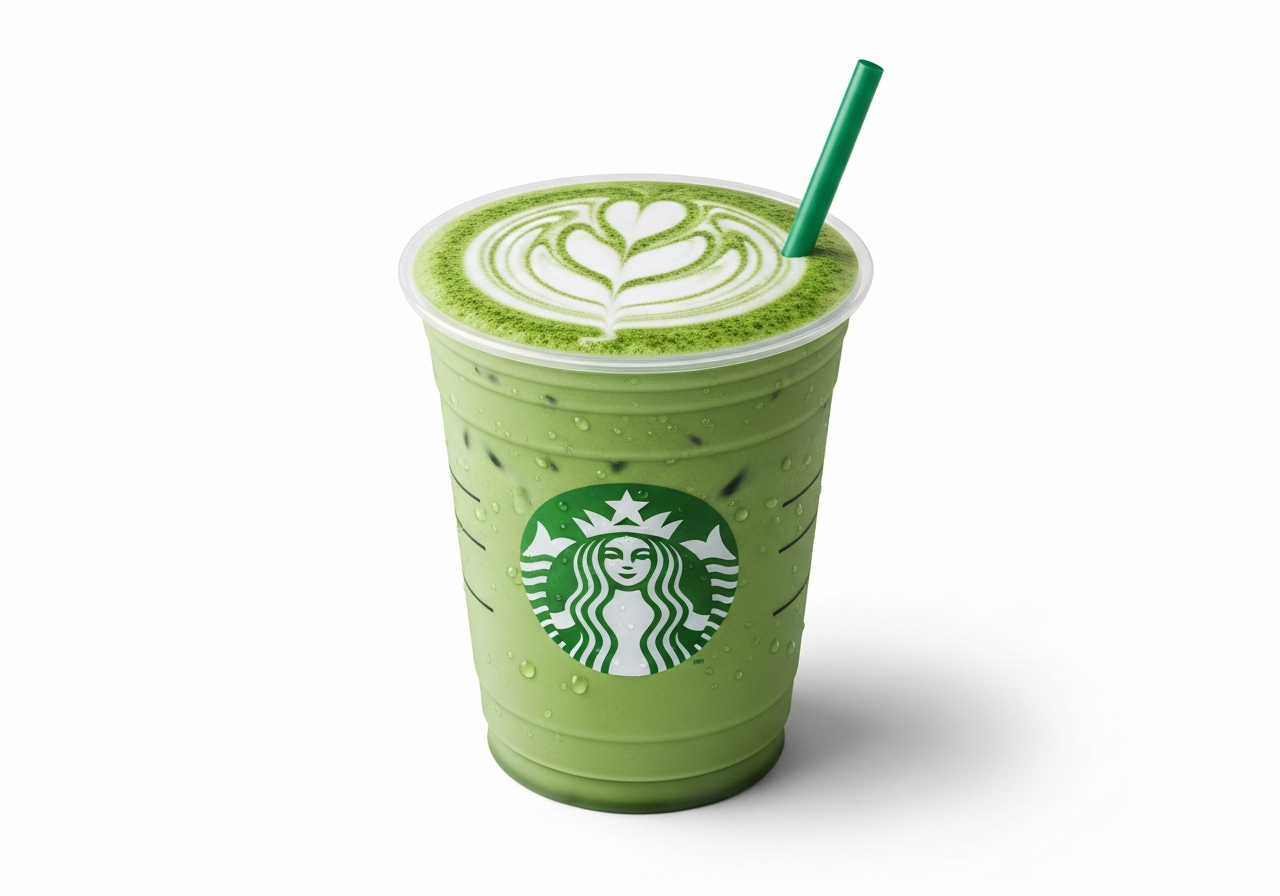
As nutrition experts and seasoned chefs at JustMacrosFit, we're dedicated to empowering you with the knowledge to make informed food choices. In the vast landscape of beverages, the Starbucks Matcha Latte has carved out a significant niche, captivating many with its vibrant green hue and unique flavor profile. But beyond its undeniable appeal, what exactly does this popular drink bring to your daily macros and overall nutrition? We've delved deep into its composition to provide you with a comprehensive, science-backed guide.
Quick Answer
A standard Starbucks Grande (16 fl oz) Matcha Latte made with 2% milk offers approximately 240 calories, 7 grams of fat, 34 grams of carbohydrates, and 12 grams of protein. Per 100g, this translates to roughly 51 calories, 1.5 grams of fat, 7.2 grams of carbohydrates, and 2.5 grams of protein. Its key nutritional highlight lies in the inherent antioxidants from matcha, though it’s important to note the presence of added sugars in Starbucks’ matcha blend.
Detailed Nutrition Facts
Understanding the complete macronutrient and micronutrient breakdown of your Starbucks Matcha Latte is crucial for effective macro tracking. The nutritional profile can vary significantly based on the size of your drink and your choice of milk.
Let's examine the standard offerings:
Starbucks Grande (16 fl oz) Matcha Latte with 2% Milk (Hot):
This is a popular choice, providing a balanced, albeit carb-heavy, macro profile.
* Calories: 240
* Total Fat: 7g
* Saturated Fat: 4.5g
* Trans Fat: 0g
* Cholesterol: 25mg
* Sodium: 160mg
* Total Carbohydrates: 34g
* Dietary Fiber: 1g
* Total Sugars: 32g
* Protein: 12g
* Caffeine: Approximately 65mg. An iced Grande with 2% milk contains around 80mg of caffeine.
It's important to recognize that Starbucks’ matcha blend contains sugar, which contributes significantly to the total sugar content, even before any additional syrups are added.
Starbucks Tall (12 fl oz) Matcha Latte with Almond Milk (Iced):
Opting for almond milk can alter the macros, often resulting in fewer calories and less saturated fat, though protein content may also be lower.
* Calories: 120
* Total Fat: Approximately 4.6g (calculated based on 35% of calories from fat)
* Total Carbohydrates: Approximately 17.4g (calculated based on 58% of calories from carbs)
* Total Sugars: 14g
* Protein: Approximately 2.1g (calculated based on 7% of calories from protein)
* Sodium: 147mg
* Dietary Fiber: 0-1g
* Caffeine: The caffeine content for a Tall is generally lower than a Grande, but will still provide a gentle lift.
Starbucks Venti (24 fl oz) Iced Matcha Latte with Oat Milk:
Oat milk is a popular dairy-free choice, often adding a creamy texture and unique flavor, along with its own distinct macro profile.
* Calories: 240
* Total Fat: 6g
* Saturated Fat: 4g
* Total Carbohydrates: 34g
* Total Sugars: 33g
* Protein: 11g
* Sodium: 150mg
* Dietary Fiber: 1g
Micronutrients:
While not a powerhouse of micronutrients, a Starbucks Matcha Latte, especially with dairy milk, contributes to your daily intake of certain vitamins and minerals. For instance, a Grande with 2% milk is a good source of calcium (around 40% Daily Value) and vitamin A (around 25% Daily Value). Almond milk versions can also be fortified, providing calcium and vitamin A.
Comparing it to a plain cup of brewed coffee, the Matcha Latte offers a more substantial caloric and macronutrient contribution due to the milk and added sugar in the matcha blend. It serves as more of a light meal replacement or a calorie-dense snack rather than a zero-calorie beverage.
Health Benefits
Beyond its appealing taste, the matcha itself in a Starbucks Matcha Latte brings several compelling health benefits, making it more than just a sweet treat. These benefits are largely attributed to matcha’s rich concentration of plant compounds.
Hero Nutrient: Antioxidants, particularly Catechins (EGCG)
Matcha is exceptionally rich in catechins, a class of plant compounds with powerful antioxidant properties. These antioxidants help combat free radicals in the body, which can contribute to cell damage and chronic diseases. Notably, matcha contains high levels of epigallocatechin-3-gallate (EGCG), a catechin studied for its potential health-protective effects.
Here's how these compounds translate into tangible health advantages:
- Boosts Brain Function and Alertness: The combination of caffeine and L-theanine in matcha provides a unique type of energy. While coffee can deliver a sudden jolt followed by a crash, matcha typically offers a calmer, more sustained alertness and improved focus, without the jitters. L-theanine is an amino acid known for promoting relaxation without drowsiness, balancing the stimulating effects of caffeine.
- May Support Weight Management: Research suggests that consuming green tea, including matcha, may help boost metabolism and increase thermogenesis, which is the body's rate of burning calories. This makes it a supportive beverage when strategically incorporated into a weight loss plan.
- Promotes Heart Health: Some studies indicate that green tea consumption, due to its antioxidant and anti-inflammatory properties, may contribute to a lower risk of cardiovascular disease and may positively influence cholesterol management.
- Supports Liver Protection: Preliminary research suggests that matcha may play a role in protecting the liver and decreasing the risk of liver disease.
- Enhances Detoxification: Matcha is particularly rich in chlorophyll due to its shade-grown cultivation. Chlorophyll is a powerful detoxifier, helping to eliminate chemicals and heavy metals from the body.
- Immune System Support: Matcha's anti-inflammatory properties and its potential to improve gut health can contribute to a stronger immune system.
Who Should Enjoy This Food and When to Eat It:
The Starbucks Matcha Latte can be a great option for individuals looking for an energy boost that feels more balanced than coffee. It's suitable for those who appreciate the unique earthy flavor of matcha and are mindful of its sugar content. We recommend enjoying it as a morning or early afternoon pick-me-up. For those sensitive to caffeine, its L-theanine content can provide a gentler experience compared to coffee. However, due to its sugar and calorie count, individuals with specific dietary restrictions or those managing blood sugar levels should exercise caution and opt for customized, lower-sugar versions.
How to Track Macros
Accurately tracking the macros of a Starbucks Matcha Latte is essential for anyone serious about their nutrition goals. Given the variability in preparation and customization, a nuanced approach is key.
Portion Measurement Tips:
Unlike a pre-packaged snack with a clear nutrition label, a handcrafted beverage like the Matcha Latte requires a bit more attention.
1. Know Your Size: Always note the size you order (Tall, Grande, Venti). Each size has a distinct nutritional profile.
2. Specify Your Milk: The type of milk significantly impacts calories, fat, and protein. Dairy milks (whole, 2%) are generally higher in fat and protein than plant-based alternatives like almond or oat milk. Be precise with your order.
3. Account for Added Sweeteners: The Starbucks matcha blend itself contains sugar. If you add extra classic syrup or other flavored syrups, these contribute additional carbohydrates and calories. We recommend ordering "unsweetened" matcha if available, and then adding a minimal amount of your own sweetener, or simply being aware of the inherent sugar.
4. Consider Add-ins: Whipped cream or extra matcha scoops will alter the macro breakdown.
Using Macro Tracking Apps:
Our JustMacrosFit app, along with other reputable macro tracking apps, can be invaluable here. Most apps have extensive databases that include popular Starbucks drinks.
* Search Precisely: When searching, be as specific as possible: "Starbucks Grande Matcha Latte 2% milk" or "Starbucks Tall Iced Matcha Latte almond milk, no syrup."
* Verify Data: Always do a quick cross-reference if possible. Starbucks' official website or in-store nutritional information can confirm the data entered in your app. Because recipes can change, periodic verification ensures accuracy.
* Customization Functionality: If you heavily customize your drink (e.g., "extra matcha," "half pumps of syrup"), use the app’s customization features to manually adjust the macros. This level of detail ensures your macro tracking reflects your actual intake.
Common Serving Sizes:
The most common serving sizes are Tall (12 fl oz), Grande (16 fl oz), and Venti (24 fl oz). We recommend familiarizing yourself with the general macronutrient ranges for your preferred size and milk combination. This foundational knowledge allows for quick estimation, even when you're on the go.
Meal Ideas & Preparation
While the Starbucks Matcha Latte is primarily a beverage, we can strategically incorporate it into a balanced nutritional plan. The "preparation" aspect here leans more towards smart ordering and pairing to optimize your macros.
Integrating into Meals:
Given its calorie and macronutrient content, especially the carbohydrates and sugars, consider the Matcha Latte as more than just a drink.
* Breakfast Companion: Pair a Tall or Grande Matcha Latte with a high-protein, fiber-rich breakfast. Think scrambled eggs with vegetables, Greek yogurt with berries, or a protein smoothie. The latte provides a carb and caffeine boost, while your food supplies satiety and sustained energy.
* Mid-Morning Fuel: If your breakfast was light, a Matcha Latte can serve as a substantial mid-morning snack, helping to bridge the gap until lunch.
* Pre-Workout Boost: The combination of natural sugars (from milk and the matcha blend) and caffeine makes it a decent option for a pre-workout energy source, particularly for moderate-intensity activities.
Smart Order and Meal Prep Tips (Starbucks Specific):
The beauty of Starbucks is customization. We, as your nutrition coaches, strongly encourage using this to your advantage.
1. Reduce Added Sugars: Request your Matcha Latte "unsweetened" or with "fewer pumps of classic syrup." Remember, the matcha blend itself contains sugar. This is our top tip for making it macro-friendlier.
2. Choose Your Milk Wisely:
* For Lower Calories/Fat: Opt for skim milk or unsweetened almond milk. Be aware that unsweetened almond milk will significantly reduce protein content compared to dairy milk.
* For Higher Protein: Stick with 2% or whole milk, or consider adding a scoop of protein powder if the barista allows (though this is not a standard offering). Soy milk also offers a good protein alternative to dairy.
* For Creaminess/Different Flavor Profile: Oat milk provides a creamy texture but can be higher in carbs and calories than almond milk.
3. Mind the Size: A Venti can easily become a significant caloric load. If you're managing macros closely, a Tall or Grande is often a more appropriate serving.
4. DIY for Ultimate Control: For those who want absolute macro precision, making your own matcha latte at home is the ultimate solution. Combine unsweetened matcha powder with your preferred milk and sweetener. This allows you to control the quality of ingredients, sugar content, and portion sizes precisely.
Cooking Methods that Preserve Nutrients (for DIY Matcha):
When preparing matcha at home, a few tips ensure you get the most out of your green tea powder:
* Whisk Properly: Use a bamboo whisk (chasen) or an electric frother to fully dissolve the matcha powder into a smooth paste with a small amount of hot (not boiling) water before adding milk. This prevents lumps and ensures even distribution of nutrients.
* Avoid Boiling Water: Extremely hot water can degrade some of matcha's delicate compounds and create a bitter taste. Use water heated to around 175°F (80°C).
For Weight Loss
Integrating a Starbucks Matcha Latte into a weight loss plan requires mindful choices and an understanding of its nutritional profile. While matcha itself boasts metabolism-boosting properties, the latte format can often carry hidden calories and sugars.
Why It's Good for Weight Loss (with caveats):
The fundamental component, matcha green tea, has properties that can support weight management.
* Metabolism Boost: Matcha contains catechins, particularly EGCG, which have been shown to increase thermogenesis (calorie burning) and fat oxidation. Some studies suggest it can increase daily energy expenditure.
* Sustained Energy: The L-theanine and caffeine synergy provides sustained energy without the crash, which can help maintain activity levels and reduce the likelihood of reaching for sugary pick-me-ups later in the day.
However, the "latte" aspect, particularly at Starbucks, introduces significant sugars and calories that can counteract these benefits if not managed.
Portion Recommendations and Customization for Weight Loss:
1. Size Matters: Opt for a Tall (12 fl oz) over a Grande or Venti to control calories and sugars.
2. Unsweetened Matcha, Please: The most impactful change you can make is requesting "no classic syrup" or "unsweetened matcha" if available. Remember, the matcha powder blend used by Starbucks already contains sugar. Reducing or eliminating additional syrups drastically cuts down on empty calories.
3. Choose Low-Calorie Milk: Skim milk or unsweetened almond milk are your best choices for minimizing calories and fat.
4. Avoid Whipped Cream: Whipped cream adds unnecessary fat and calories.
5. Think of it as a Meal Component: Given its calorie count (even customized), consider your Matcha Latte as part of your meal, not just a drink. If you have it for breakfast, pair it with a lean protein source to balance your macros and promote satiety.
Key Weight Loss Tip:
Customizing your Starbucks Matcha Latte by choosing a smaller size, unsweetened or fewer syrup pumps, and a lower-calorie milk option can transform it from a sugary indulgence into a more supportive beverage for your weight loss journey.
Pairing Suggestions:
For a balanced approach to weight loss, pair your customized Matcha Latte with:
* Lean Protein: A hard-boiled egg, a small protein bar (sugar-free), or a handful of unsalted nuts.
* Fiber-Rich Foods: A piece of fruit or a small bowl of oatmeal to enhance satiety and provide complex carbohydrates.
For Muscle Gain
For individuals focused on muscle gain, the Starbucks Matcha Latte can play a role, primarily as a source of quick energy and some protein, depending on your customization. It's not a primary protein source, but it can fit into a bulking or active lifestyle.
Protein Content Benefits:
While not as protein-rich as a dedicated protein shake, a Grande Matcha Latte with 2% milk provides a decent 12g of protein, and with oat milk, it offers around 11g of protein. This contributes to your daily protein targets essential for muscle repair and growth. Plant-based milk options like almond milk tend to be lower in protein, so if muscle gain is a priority, 2% or whole milk might be more beneficial for the protein and calorie boost.
Pre/Post-Workout Timing:
* Pre-Workout: The combination of carbohydrates (from milk and the matcha blend's sugar) and caffeine can make a Matcha Latte an effective pre-workout drink. The quick sugars provide readily available energy, while caffeine can enhance focus and performance during your training session. We recommend consuming it 30-60 minutes before your workout.
* Post-Workout: After an intense workout, your body needs carbohydrates to replenish glycogen stores and protein for muscle repair. A Matcha Latte can contribute to this, especially if combined with another, more substantial protein source (e.g., a protein bar or a full meal). The sugars help initiate the recovery process.
Bulking Meal Ideas:
When aiming for a caloric surplus to build muscle, the added calories from a regular Starbucks Matcha Latte can be beneficial.
* Boosted Breakfast: Combine a Venti Matcha Latte with whole milk and extra syrup (if desired) alongside a hearty breakfast of oatmeal with nuts and protein powder, or a breakfast burrito packed with eggs, cheese, and lean meat.
* High-Calorie Snack: Use it as a substantial snack between meals, particularly if you struggle to hit your calorie targets.
* Post-Workout Recovery: Pair your Matcha Latte with a protein-rich meal like chicken and rice, or a protein shake, to optimize post-exercise recovery.
For muscle gain, the flexibility of customizing your Starbucks Matcha Latte is an advantage. Opting for whole milk, a larger size, and even an extra pump of syrup can help increase your calorie and carbohydrate intake to support your bulking goals.
Comparisons
Understanding how the Starbucks Matcha Latte stacks up against similar beverages and other options is key to making choices that align with your macro and health goals.
Vs. Similar Foods (Other Starbucks Drinks):
* Starbucks Latte (Espresso-based): A Grande Latte with 2% milk contains similar calories (around 190 calories) and protein (around 12g) but typically less sugar if ordered plain. However, adding flavored syrups to a standard latte can quickly elevate its sugar content far beyond that of a Matcha Latte. The caffeine content in a standard latte is also generally higher (around 150mg for a Grande) than a Matcha Latte's 65-80mg.
* Starbucks Green Tea (Plain): A plain brewed green tea is virtually calorie-free and sugar-free, offering all the antioxidant benefits of green tea without the added macros. This is the purest form of green tea enjoyment.
* Starbucks Frappuccinos: These blended beverages are often significantly higher in calories, sugar, and fat compared to a Matcha Latte, typically ranging from 300-500+ calories for a Grande, making them more of a dessert than a beverage for macro-conscious individuals.
Best Alternatives:
If you love the flavor of matcha but want to optimize your macros, especially for lower sugar or calories, we recommend these alternatives:
1. Homemade Matcha Latte: This is by far the best option for macro control. Use unsweetened matcha powder, your choice of milk (unsweetened almond or skim milk for lower calories), and a natural, zero-calorie sweetener if desired.
2. Plain Brewed Matcha: If you can acquire high-quality matcha powder, simply whisking it with hot water (without milk or sweeteners) delivers all the health benefits with virtually no calories, fat, or sugar.
3. Unsweetened Green Tea: While not matcha, a standard unsweetened green tea offers similar antioxidant benefits and a caffeine boost with negligible macros.
When to Choose Each:
* Starbucks Matcha Latte: Choose this when you're looking for a convenient, creamy, and slightly sweet treat that offers a moderate caffeine boost and some protein, and you've factored its calories and sugars into your daily macros. It's a great option for a balanced energy lift without the immediate jolt of coffee.
* Plain Brewed Matcha/Unsweetened Green Tea: Ideal for daily consumption to maximize antioxidant intake and gentle energy without any added calories or sugars. Perfect for strict macro trackers.
* Other Starbucks Lattes (Customized): If you prefer the taste of coffee and want a similar milky experience, a regular latte with specific milk and minimal or no syrup can be a good alternative, often providing more caffeine.
Our expert opinion is that while the Starbucks Matcha Latte can be a delightful and somewhat beneficial beverage, awareness of its inherent sugar content is paramount. Customization is your best friend for aligning this drink with your specific health and fitness goals.
FAQs
We receive many questions about the Starbucks Matcha Latte and its place in a balanced diet. Here are some of the most common inquiries from our JustMacrosFit community:
Is Starbucks Matcha Latte good for you?
The matcha itself is packed with antioxidants and offers several health benefits, including enhanced brain function and potential metabolic boost. However, the Starbucks Matcha Latte blend contains added sugar, and the choice of milk and added syrups can significantly increase its calorie and sugar content. It can be part of a healthy diet when consumed in moderation and customized to reduce sugar.
How much sugar is in a Starbucks Matcha Latte?
A Grande (16 fl oz) Matcha Latte with 2% milk contains around 32 grams of sugar. This largely comes from the sweetened matcha powder blend and the lactose in the milk. Opting for unsweetened plant-based milks and requesting no classic syrup can help reduce this amount.
Can Starbucks Matcha Latte help with weight loss?
Matcha tea can support weight loss by boosting metabolism and fat burning. However, the high sugar and calorie content of a standard Starbucks Matcha Latte can hinder weight loss efforts. For weight loss, we recommend customizing it with a smaller size (Tall), unsweetened almond milk, and absolutely no added syrups.
How much caffeine is in a Starbucks Matcha Latte?
A Grande (16 fl oz) Starbucks Matcha Latte typically contains around 65mg to 80mg of caffeine, depending on whether it's hot or iced. This is generally less than a standard cup of brewed coffee, offering a more sustained and less "jittery" energy boost due to L-theanine.
What milk choice is best for macros in a Matcha Latte?
For the lowest calories and fat, unsweetened almond milk is often the best choice. For a balance of protein and moderate calories, 2% milk or soy milk can be good options. Oat milk provides creaminess but can be higher in carbohydrates and calories.
How can I make a Starbucks Matcha Latte healthier?
To make it healthier, we recommend:
1. Order a Tall size.
2. Request "no classic syrup" or "unsweetened" if available.
3. Choose unsweetened almond milk or skim milk.
4. Skip the whipped cream.
Does Starbucks use real matcha?
Starbucks uses a "matcha powder blend" that contains ground green tea (actual matcha) mixed with sugar. It is not 100% pure matcha powder, which contributes to its sweetness even without added syrups.
Track Starbucks Matcha Latte easily with JustMacrosFit - your free macro tracking app.