Cottage Cheese Pancakes: Health Benefits & Nutrition Facts
Complete nutrition guide for Cottage Cheese Pancakes. Discover top health benefits, micronutrient breakdown (vitamins & minerals), and science-backed daily intake recommendations.
Table of Contents
- The Science-Backed Health Guide to Cottage Cheese Pancakes: Beyond the Macros
- 1. Executive Summary: A Protein Powerhouse for Holistic Health
- 2. Nutritional Profile: A Micronutrient Deep Dive
- 3. Top 5 Health Benefits of Cottage Cheese Pancakes
- 4. Best Ways to Eat for Maximum Absorption
- 5. Potential Side Effects & Risks
- 6. Cottage Cheese Pancakes vs. The Competition
- 7. FAQs
- 8. Conclusion
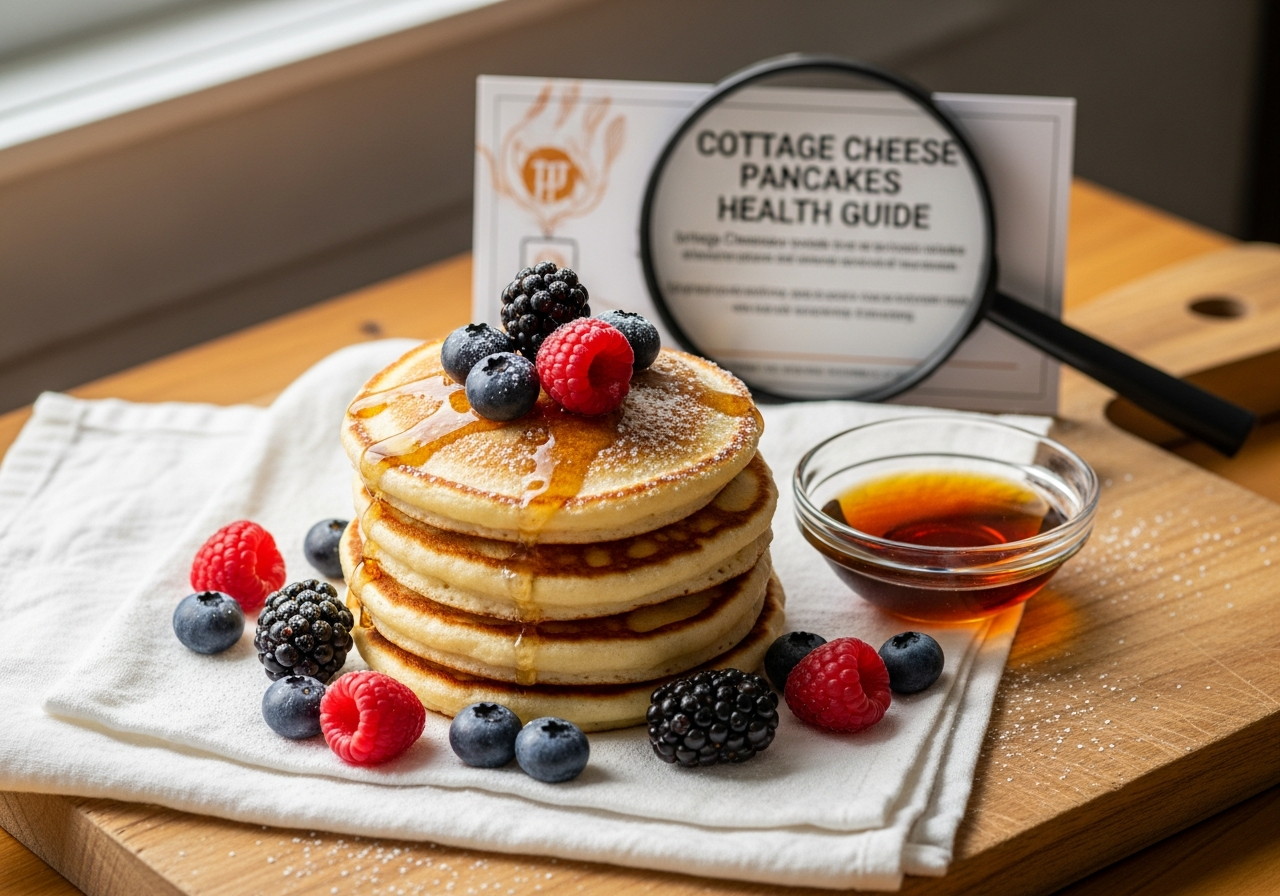
The Science-Backed Health Guide to Cottage Cheese Pancakes: Beyond the Macros
As a Lead Nutrition Researcher for JustMacros, our mission is to empower you with science-backed insights that transcend basic macro tracking. When we analyze "Cottage Cheese Pancakes," we see more than just a trending recipe; we see a vehicle for profound health outcomes driven by a rich profile of micronutrients and highly bioavailable protein. This guide delves into the specific benefits, optimal consumption strategies, and important considerations for incorporating this versatile food into a health-conscious lifestyle.
1. Executive Summary: A Protein Powerhouse for Holistic Health
Yes, Cottage Cheese Pancakes are a remarkably healthy addition to your diet, primarily aiding in satiety, muscle preservation, and blood sugar regulation. Their efficacy stems from their exceptionally high content of bioavailable protein, predominantly casein. This slow-digesting protein contributes to sustained fullness, supports muscle repair and growth, and helps stabilize blood glucose levels, making these pancakes an excellent choice for general health and various dietary goals.
Hero Nutrient: Casein Protein. This unique protein, abundant in cottage cheese, is digested slowly, providing a steady release of amino acids. This mechanism is crucial for sustained satiety, preventing muscle breakdown, and promoting stable blood sugar, offering significant advantages over rapidly digested proteins for long-term health and weight management.
2. Nutritional Profile: A Micronutrient Deep Dive
Beyond the well-known protein content, cottage cheese (the foundation of these pancakes) offers a wealth of essential vitamins and minerals that contribute to its health benefits. The nutritional profile can vary slightly depending on the fat content (e.g., 2% milkfat vs. nonfat), but the core micronutrient contributions remain significant. The table below outlines key micronutrients found in approximately 100g of low-fat (2%) cottage cheese, the primary ingredient in cottage cheese pancakes, and their associated health benefits.
| Nutrient | Amount per 100g (approx. 2% low-fat cottage cheese) | Health Benefit |
|---|---|---|
| Protein | 11-12g | Essential for muscle repair and growth, satiety, hormone production, and overall cellular function. |
| Calcium | 83 mg (approx. 8% DV) | Critical for bone density and strength, nerve function, muscle contraction, and blood clotting. |
| Phosphorus | 159 mg (approx. 23% DV) | Important for bone and teeth formation, energy metabolism, and DNA synthesis. |
| Potassium | 104 mg (approx. 3% DV) | Helps maintain fluid balance, blood pressure regulation, and proper nerve and muscle function. |
| Selenium | 9.7 µg (approx. 18% DV) | Acts as an antioxidant, supports thyroid function, and plays a role in immune health. |
| Vitamin B12 | 0.43-1.3 µg (approx. 18-54% DV) | Vital for red blood cell formation, neurological function, and DNA synthesis; helps prevent anemia. |
| Riboflavin (B2) | 0.16-0.49 mg (approx. 13-38% DV) | Essential for energy production, cellular growth, and the metabolism of other B vitamins. |
| Pantothenic Acid (B5) | 0.56-1.7 mg (approx. 11-33% DV) | Crucial for energy production, hormone synthesis, and healthy skin. |
Note: Amounts are approximate and can vary by brand and specific product. DV = Daily Value.
3. Top 5 Health Benefits of Cottage Cheese Pancakes
The intelligent inclusion of cottage cheese in pancakes elevates a traditional breakfast item into a functional food with significant health advantages.
### Sustained Satiety and Weight Management
Cottage Cheese Pancakes excel in promoting sustained satiety, a critical factor for effective weight management. The high protein content, particularly the casein protein, is slowly digested, leading to a prolonged feeling of fullness. This extended satiety can significantly reduce overall caloric intake by curbing appetite and minimizing cravings between meals.
Research indicates that consuming a high-protein diet helps manage hormones associated with appetite, digestion, and insulin release, thereby reducing appetite and contributing to feelings of fullness for longer periods.
The low-calorie density of plain cottage cheese, combined with its high protein, allows for a substantial and satisfying meal without excessive caloric intake. Studies also suggest that dietary calcium, present in cottage cheese, may be linked to reduced fat accumulation and accelerated fat loss when combined with a calorie-restricted diet.
### Muscle Preservation and Growth
For individuals focused on fitness, athletes, or those aiming to maintain muscle mass as they age, Cottage Cheese Pancakes offer an ideal protein source. The protein in cottage cheese is considered a complete protein, containing all nine essential amino acids necessary for muscle protein synthesis. The casein protein, which constitutes approximately 80% of cottage cheese's protein, is digested gradually, ensuring a steady supply of amino acids to muscle cells over an extended period.
"Casein protein provides your cells with amino acids consistently over a longer period, which helps muscles recover instead of breaking down," explains registered dietitian Julia Zumpano. This makes cottage cheese an excellent choice for post-workout recovery or as a protein-rich snack before bed to support overnight muscle repair.
Regular consumption of high-quality protein, such as that found in cottage cheese, combined with resistance training, is crucial for increasing and preserving lean muscle mass.
### Blood Sugar Control
The unique macronutrient profile of Cottage Cheese Pancakes, characterized by high protein and relatively low carbohydrates (especially when made with minimal flour or alternative flours), makes them beneficial for blood sugar regulation. The ample protein content slows down digestion, which in turn helps prevent rapid spikes in blood glucose levels after eating. This steady release of glucose leads to more balanced energy levels and can be particularly advantageous for individuals managing insulin sensitivity or type 2 diabetes.
Plain cottage cheese is an excellent choice for managing blood sugar levels due to its modest carbohydrate content and absence of added sugar. The high protein content further aids in preventing blood sugar spikes.
By maintaining stable blood sugar, these pancakes can contribute to overall metabolic health and reduce the risk of energy crashes typically associated with high-carbohydrate, low-protein breakfasts.
### Enhanced Bone Health
Cottage cheese is a rich source of several key nutrients essential for robust bone health. It provides significant amounts of calcium, phosphorus, and protein, all of which play interconnected roles in maintaining bone mineral density and strength. Calcium is the primary mineral component of bones, while phosphorus is critical for proper bone development and strength. Protein also contributes to bone density, helping to reduce the risk of fractures and conditions like osteoporosis as one ages.
Dairy foods and protein are linked to a lower risk of fractures as you age. Protein helps maintain bone mineral density — the mineral content in bones that keeps them strong. Keeping your bones dense reduces your risk of osteoporosis.
By regularly incorporating cottage cheese pancakes into your diet, you provide your body with a beneficial combination of nutrients that support lifelong bone integrity.
### Support for Gut Health (with specific varieties)
While not all cottage cheese varieties contain probiotics, many manufacturers now produce cottage cheese with added live and active cultures. These beneficial bacteria, similar to those found in yogurt, can contribute to a balanced gut microbiome. A healthy gut microbiome is fundamental for efficient digestion, nutrient absorption, and a robust immune system.
"If you want cottage cheese that provides probiotics," advises registered dietitian Julia Zumpano, "check the label to see if it says it contains 'live and active cultures.'"
These probiotics can aid in regulating gut motility and strengthening the gut barrier, potentially reducing digestive discomfort. When selecting cottage cheese for its probiotic benefits, it is crucial to look for labels explicitly stating the presence of "live and active cultures," as traditional pasteurization processes eliminate beneficial bacteria.
4. Best Ways to Eat for Maximum Absorption
To optimize the health benefits and nutrient absorption from Cottage Cheese Pancakes, consider these strategies:
- Cooking Method: Pancakes are inherently cooked. The cooking process for cottage cheese pancakes (typically on a griddle or in a pan) does not significantly degrade the protein or mineral content. Some heat-sensitive vitamins, like certain B vitamins, might see a minor reduction, but the overall nutritional value remains high.
- Food Pairings:
- Vitamin C Boost: Pair your cottage cheese pancakes with fruits rich in Vitamin C, such as berries (strawberries, blueberries, raspberries) or citrus segments. While cottage cheese isn't a primary source of iron, Vitamin C can enhance the absorption of non-heme iron from other ingredients like whole grains (if used in the pancake mix) or toppings.
- Healthy Fats: Drizzle with a small amount of healthy fat, such as a nut butter or a few sliced almonds, to enhance the absorption of any fat-soluble vitamins (like Vitamin D, if fortified in the milk used for the cottage cheese) and further increase satiety.
- Fiber-Rich Companions: Cottage cheese itself contains no fiber. To support gut health and further extend satiety, top your pancakes with high-fiber ingredients like fresh fruits, chia seeds, or a sprinkle of whole oats (if not already in the batter).
- Recommended Daily Dosage for Health Benefits: The benefits of cottage cheese are largely tied to its protein and micronutrient density. A typical serving of 1/2 to 1 cup (approx. 113g to 226g) of cottage cheese can provide 14-25 grams of protein, contributing significantly to daily protein needs. Incorporating this amount into your cottage cheese pancakes, as part of a balanced meal, is a practical way to harness its benefits. For specific dietary goals (e.g., muscle building), higher protein intake spread throughout the day, including at breakfast, may be advised.
5. Potential Side Effects & Risks
While Cottage Cheese Pancakes are generally very healthy, there are a few considerations:
- Lactose Intolerance: Cottage cheese contains lactose, the natural sugar found in milk. While it typically contains less lactose than milk due to the cheesemaking process, individuals with severe lactose intolerance may experience digestive discomfort. However, many people with lactose intolerance can tolerate small amounts of lactose, and lactose-free cottage cheese varieties are widely available, made with lactase enzymes to break down lactose.
- Sodium Content: Cottage cheese can be notably high in sodium, with some brands containing 300-400 milligrams per half-cup serving, or even higher. Excessive sodium intake is linked to high blood pressure and an increased risk of heart disease. It is crucial to check nutrition labels and opt for low-sodium or "no salt added" varieties if you are monitoring your sodium intake.
- Allergies: As a dairy product, cottage cheese is not suitable for individuals with a milk allergy. Symptoms can range from mild (hives, digestive upset) to severe (anaphylaxis).
- Overconsumption of Saturated Fat: While plain cottage cheese can be relatively low in fat, particularly the low-fat and non-fat varieties, full-fat versions will contribute more saturated fat. While dietary fat is essential, excessive intake of saturated fat should be moderated as part of a heart-healthy diet.
6. Cottage Cheese Pancakes vs. The Competition
Comparing Cottage Cheese Pancakes to other popular breakfast options highlights their distinct advantages:
- Vs. Traditional Pancakes: Traditional pancakes, typically made with refined flour and sugar, are often high in simple carbohydrates and low in protein and fiber. This can lead to rapid blood sugar spikes followed by energy crashes. Cottage Cheese Pancakes, by contrast, offer a significantly higher protein content, leading to much greater satiety and more stable blood sugar levels. They also tend to be lower in refined carbohydrates, especially when flourless or using alternative flours.
- Vs. Greek Yogurt: Both Greek yogurt and cottage cheese are excellent sources of protein and can support gut health (if containing live cultures). Greek yogurt often contains slightly more protein per serving and is a more consistent source of probiotics. However, cottage cheese's casein protein offers a slower digestion rate, which can provide prolonged satiety benefits. The choice between the two often comes down to texture preference and specific recipe applications.
- Vs. Protein Powder Pancakes: Protein powder pancakes offer high protein, but the source and type of protein can vary. Cottage cheese provides a whole-food source of protein, along with naturally occurring vitamins and minerals (calcium, phosphorus, B vitamins) that might be less abundant or bioavailable in some protein powders. Additionally, cottage cheese contains the slow-digesting casein protein, which may offer advantages for sustained amino acid release compared to faster-digesting whey protein powders.
7. FAQs
### Are Cottage Cheese Pancakes good for weight loss?
Yes, Cottage Cheese Pancakes are beneficial for weight loss due to their high protein content, which promotes satiety and reduces overall calorie intake by keeping you feeling full longer. The casein protein in cottage cheese digests slowly, contributing to sustained fullness.
### Can I eat Cottage Cheese Pancakes every day?
Yes, you can generally eat Cottage Cheese Pancakes every day as part of a balanced diet, provided you are mindful of your overall calorie and sodium intake, especially if using high-sodium cottage cheese varieties. Varying your breakfast options to ensure a wide range of nutrients is also recommended.
### Do Cottage Cheese Pancakes contain probiotics?
Cottage Cheese Pancakes will contain probiotics if the cottage cheese used explicitly states "live and active cultures" on its label. Standard cottage cheese typically does not contain probiotics due to pasteurization.
### Are Cottage Cheese Pancakes gluten-free?
Cottage Cheese Pancakes can be gluten-free if made without gluten-containing flours (like wheat flour). Many recipes use almond flour, oat flour, or are entirely flourless, relying on eggs and cottage cheese for structure, making them suitable for those avoiding gluten.
### How do Cottage Cheese Pancakes affect blood sugar?
Due to their high protein content and typically lower carbohydrate load compared to traditional pancakes, Cottage Cheese Pancakes help stabilize blood sugar levels by slowing digestion and preventing rapid glucose spikes.
8. Conclusion
Cottage Cheese Pancakes represent a superior breakfast choice, transcending conventional notions of "healthy" with their robust nutritional profile and significant health outcomes. Driven by the potent effects of casein protein and a spectrum of essential micronutrients, they are instrumental in promoting satiety, supporting muscle health, regulating blood sugar, and strengthening bones. While attention to sodium content and lactose tolerance is warranted, the benefits firmly establish Cottage Cheese Pancakes as a high-authority, science-backed food for holistic well-being.
Track your cottage cheese pancakes intake and monitor your nutrient targets with the free JustMacros app.