Broccoli Sprouts: Complete Macros & Nutrition Guide
Complete macro and nutrition guide for Broccoli Sprouts. Learn calories, protein, carbs, fat per serving plus meal ideas and tracking tips.
Table of Contents
Broccoli Sprouts Macros: Complete Nutrition Guide
Quick Answer
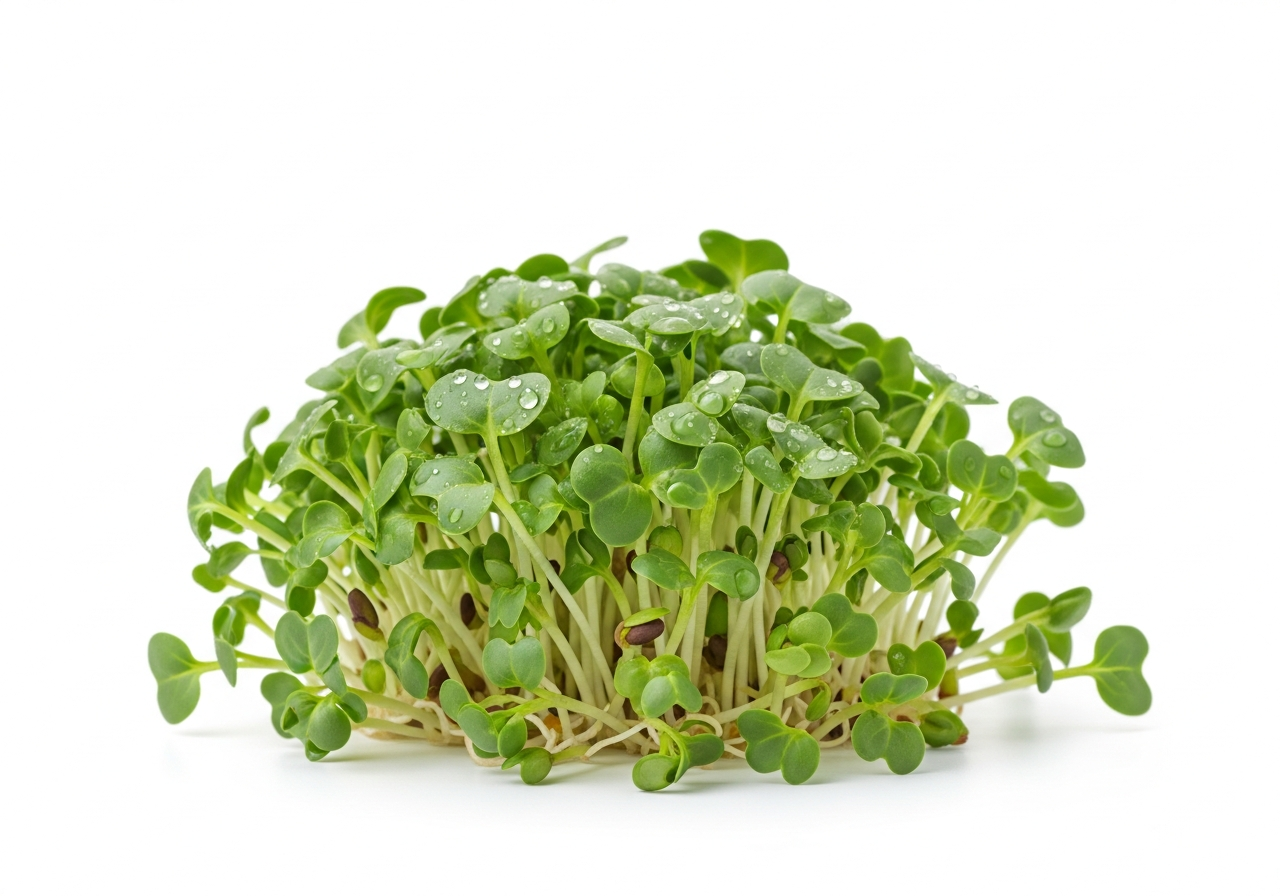
Broccoli sprouts are incredibly nutrient-dense, offering a powerful punch in a small package. Per 100 grams, they contain approximately 2.6 grams of protein, 6.5 grams of carbohydrates (with about 2.4 grams of fiber), and less than 1 gram of fat. Their standout feature is their exceptionally high concentration of sulforaphane, a potent antioxidant and anti-inflammatory compound.
Detailed Nutrition Facts
When we delve into the specific nutrition facts for broccoli sprouts, their value becomes even clearer. A 100-gram serving, which is a substantial amount, provides a modest amount of calories, typically around 35-40 calories. This low caloric density makes them an excellent choice for those managing their energy intake.
Let's break down the macronutrients further:
- Protein: Approximately 2.6 grams per 100g. While not a primary protein source compared to meat or legumes, it contributes to your daily intake and is beneficial for overall health.
- Carbohydrates: Around 6.5 grams per 100g. The majority of these are complex carbohydrates and dietary fiber.
- Fiber: About 2.4 grams per 100g. This is a significant amount relative to the calorie content and is crucial for digestive health, blood sugar regulation, and promoting satiety.
- Fat: Less than 1 gram per 100g. Broccoli sprouts are virtually fat-free, making them ideal for low-fat diets.
Beyond the macros, broccoli sprouts are a treasure trove of micronutrients. They are rich in:
- Vitamin C: A potent antioxidant essential for immune function and skin health.
- Vitamin K: Crucial for blood clotting and bone health.
- Vitamin A (as beta-carotene): Important for vision, immune function, and cell growth.
- Folate: Vital for cell division and DNA formation, particularly important for women of reproductive age.
- Minerals: Including potassium, calcium, and iron, though in smaller quantities per serving.
Hero Nutrient Highlight: The star of the show in broccoli sprouts is sulforaphane. This is a sulfur-rich compound formed when the plant is damaged, which is why sprouts, with their delicate structure, are particularly high in it. Sulforaphane is extensively studied for its powerful antioxidant and detoxification properties.
Serving Size Considerations: It's important to note that a typical serving size for broccoli sprouts is often smaller than 100 grams, usually around 1-2 tablespoons (about 10-20 grams). This means the macro and micronutrient values per standard serving are proportionally lower, but the concentration of beneficial compounds like sulforaphane remains high.
Comparison to Similar Foods: Compared to mature broccoli florets, broccoli sprouts offer a much more concentrated dose of sulforaphane. While mature broccoli is a healthy food, the conversion process in the sprout stage yields significantly higher levels of this key compound. In terms of macros, mature broccoli has slightly more fiber and a comparable protein content but is less calorically dense per gram than some other vegetables.
Health Benefits
Broccoli sprouts pack a nutritional wallop that translates into numerous health benefits, extending beyond basic macronutrient contributions. Their primary advantages lie in their powerful antioxidant and anti-inflammatory properties, largely attributed to sulforaphane.
Primary Benefits:
- Antioxidant Powerhouse: Sulforaphane is a potent activator of the Nrf2 pathway, which is the body's master regulator of antioxidant defenses. This helps protect cells from damage caused by free radicals, which are linked to aging and chronic diseases.
- Anti-inflammatory Effects: Chronic inflammation is a root cause of many modern diseases. Sulforaphane has demonstrated significant anti-inflammatory activity, potentially helping to mitigate conditions like arthritis and cardiovascular disease.
- Detoxification Support: Sulforaphane can upregulate the body's natural detoxification enzymes, assisting in the elimination of harmful toxins and carcinogens. This makes them a valuable addition for supporting liver health.
- Gut Health: The fiber content in broccoli sprouts aids in promoting a healthy gut microbiome and supports regular digestion.
- May Support Cancer Prevention: While not a cure, research suggests that compounds like sulforaphane may play a role in reducing the risk of certain cancers by protecting DNA and inhibiting cancer cell growth.
- Skin Health: The antioxidant and anti-inflammatory benefits can extend to skin health, potentially aiding in combating skin damage and promoting a clearer complexion.
Who Should Eat This Food:
Broccoli sprouts are beneficial for nearly everyone looking to enhance their overall health and increase their intake of potent phytonutrients. They are particularly recommended for:
- Individuals focused on disease prevention and longevity.
- Those looking to support their body's natural detoxification processes.
- People interested in improving gut health.
- Athletes and active individuals seeking to reduce inflammation and support recovery.
- Anyone wanting to boost their intake of vitamins and antioxidants.
When to Eat It:
Broccoli sprouts can be incorporated into your diet at any meal. Their mild flavor and versatility make them easy to add to various dishes.
- Breakfast: Sprinkle on avocado toast, blend into smoothies, or add to omelets.
- Lunch: Top salads, sandwiches, or wraps. They add a fresh crunch and nutrient boost.
- Dinner: Use as a garnish for stir-fries, soups, or pasta dishes. They can also be added raw to grain bowls.
Consuming them raw is generally recommended to maximize the sulforaphane content, as high heat can degrade some of these beneficial compounds. However, lightly steaming them is also acceptable and still provides significant benefits.
How to Track Macros
Accurately tracking the macros and nutrition of broccoli sprouts, especially given their small serving sizes and potent nutrient profile, is straightforward with the right approach.
Portion Measurement Tips:
- Use a Kitchen Scale: For precise macro tracking, a digital kitchen scale is your best friend. Weighing your sprouts in grams will give you the most accurate macro counts.
- Measuring Cups/Spoons: If a scale isn't available, use standard measuring cups and spoons. A tablespoon of broccoli sprouts typically weighs around 10-12 grams.
- Understand "Serving Size": Be mindful of what constitutes a "serving" in your tracking app versus what you're actually consuming. Many apps will have generic entries, so adjusting the quantity to match your weighed or measured portion is crucial.
Using Macro Tracking Apps:
- Search for "Broccoli Sprouts": Most reputable macro tracking apps will have broccoli sprouts in their food database. Look for entries that specify "raw" if possible.
- Enter Quantities Accurately: Once you find broccoli sprouts, enter the exact weight (in grams) or volume (tablespoons/cups) you consumed. If the app's entry doesn't perfectly match your measurement, you may need to manually adjust the nutritional values.
- Create Custom Foods: If you consistently use a specific brand of sprouts or find that the database entry is consistently off, consider creating a custom food entry in your app. You can input the nutrition facts directly from the sprout packaging or from a reliable source like the USDA FoodData Central.
Common Serving Sizes:
- 1 Tablespoon (approx. 10-12g): This is a very common portion used as a garnish or a small addition to a meal.
- Approximate Macros per Tablespoon: 0.3g protein, 0.7g carbs (0.2g fiber), <0.1g fat.
- 2 Tablespoons (approx. 20-24g): A slightly larger portion, often used to add more substance to a dish.
- Approximate Macros per 2 Tablespoons: 0.5g protein, 1.3g carbs (0.5g fiber), <0.1g fat.
- 100 grams: While a large amount for sprouts, this is the standard unit for many nutrition databases.
- Approximate Macros per 100g: 2.6g protein, 6.5g carbs (2.4g fiber), <0.5g fat.
Tip: For precise macro tracking, aim to measure your broccoli sprouts by weight using a kitchen scale. This eliminates the variability in density that can occur with volume measurements.
By consistently and accurately logging your broccoli sprout consumption, you can ensure they are properly accounted for within your daily macro targets and benefit from their impressive nutrition.
Meal Ideas & Preparation
Broccoli sprouts are incredibly versatile and can elevate a wide range of dishes. Their peppery crunch adds a fresh dimension, and their minimal cooking requirements make them easy to incorporate.
Breakfast Ideas:
- Avocado Toast Upgrade: Top your whole-grain avocado toast with a generous sprinkle of broccoli sprouts for added nutrients and texture. A squeeze of lemon juice and a pinch of red pepper flakes complete this power breakfast.
- Scrambled Egg/Omelet Topper: Stir a handful of sprouts into your scrambled eggs just before serving, or use them as a fresh topping for an omelet filled with vegetables and lean protein.
- Smoothie Booster: While less common, a small amount of sprouts can be blended into green smoothies for an extra sulforaphane kick. Pair with fruits like berries and a source of healthy fat for balance.
Lunch Ideas:
- Salad Sensation: Broccoli sprouts are a natural fit for any salad. Add them to mixed greens, grain bowls, or even tuna salad for a vibrant, nutrient-dense addition.
- Sandwich and Wrap Enhancement: Layer sprouts generously onto your favorite sandwiches and wraps. They provide a satisfying crunch and a fresh, slightly spicy flavor that complements most fillings.
- Soup Garnish: Sprinkle a small mound of sprouts on top of hearty lentil soups, vegetable broths, or creamy chowders just before serving.
Dinner Ideas:
- Stir-Fry Finish: Add sprouts at the very end of cooking your favorite stir-fry. Their delicate structure means they should be tossed in quickly to retain their crispness and maximize nutrient benefits.
- Grain Bowl Power-Up: Top your quinoa, brown rice, or farro bowls with sprouts, alongside your chosen protein and vegetables, for a complete and balanced meal.
- Sushi or Poke Bowl Accent: Use them as a colorful and nutrient-rich garnish for homemade sushi rolls or poke bowls.
Meal Prep Tips:
- Store Properly: Keep sprouts in their original packaging or an airtight container in the refrigerator. Avoid washing them until just before use, as moisture can accelerate spoilage.
- Batch Sprouting: If you have the equipment, sprouting your own broccoli seeds can be a cost-effective and rewarding way to ensure a fresh supply.
- Portion for Convenience: Pre-portion sprouts into small containers or bags for easy grab-and-go additions to meals throughout the week.
Cooking Methods that Preserve Nutrients:
- Raw: This is the ideal method for maximizing sulforaphane content. The delicate, peppery flavor is at its most vibrant when raw.
- Light Steaming: If you prefer a slightly softer texture or a milder flavor, a quick steam for 1-2 minutes is acceptable. Avoid overcooking, as this can significantly reduce the beneficial compounds.
- Quick Sauté: Similar to steaming, a very brief sauté (less than a minute) can be done at the end of cooking a dish.
Chef's Note: The key to enjoying broccoli sprouts is to appreciate their raw, crisp texture and peppery bite. Overcooking them diminishes their unique appeal and nutritional potency.
For Weight Loss
Broccoli sprouts are a fantastic ally for anyone focused on weight loss, offering a unique combination of low calories, high nutrient density, and beneficial compounds that support a healthy metabolism.
Why It's Good for Weight Loss:
- Extremely Low in Calories: With around 35-40 calories per 100 grams, sprouts add volume and nutrients to meals without significantly increasing your caloric intake. This allows for larger, more satisfying portions of food.
- High in Fiber: The fiber content (approximately 2.4g per 100g) is crucial for weight loss. Fiber promotes satiety, meaning you feel fuller for longer, which can reduce overall calorie consumption and prevent overeating. It also helps regulate blood sugar levels, preventing energy crashes that can lead to cravings.
- Supports Detoxification: By aiding the body's natural detoxification processes, sulforaphane can contribute to a more efficient metabolism. A well-functioning metabolism is essential for effective weight loss.
- Nutrient Density: When restricting calories, it's vital to ensure you're still getting adequate micronutrients. Broccoli sprouts provide a wealth of vitamins and antioxidants, helping to prevent nutrient deficiencies often associated with calorie-restricted diets.
- Hydration: Like most vegetables, sprouts have a high water content, which also contributes to feelings of fullness.
Portion Recommendations:
For weight loss, aim to incorporate 1-3 tablespoons (10-30g) of broccoli sprouts into at least one meal per day. This amount provides a good dose of sulforaphane and fiber without adding significant calories. You can easily scale this up if you enjoy their taste and texture.
Pairing Suggestions:
- Lean Proteins: Pair sprouts with chicken breast, fish, tofu, or legumes. The protein will further enhance satiety and support muscle maintenance during weight loss.
- Complex Carbohydrates: Add them to meals containing whole grains like quinoa, brown rice, or whole-wheat pasta. The fiber from both sources will be highly effective for fullness.
- Healthy Fats: Include a small amount of healthy fats like avocado, nuts, or seeds. These help with the absorption of fat-soluble vitamins in the sprouts and contribute to satiety.
- Leafy Greens: Combine them with other low-calorie, high-fiber leafy greens in salads for an ultra-filling and nutrient-packed meal.
Weight Loss Strategy: Think of broccoli sprouts as a "nutritional garnish" that significantly boosts the health profile and satiety of your weight loss meals. They are a low-risk, high-reward addition to any calorie-conscious eating plan.
For Muscle Gain
While not a primary protein source, broccoli sprouts offer several indirect benefits that can support muscle gain and recovery when incorporated into a well-structured diet.
Protein Content Benefits:
With approximately 2.6 grams of protein per 100 grams, broccoli sprouts contribute a small but valuable amount to your daily protein intake. Adequate protein is essential for muscle protein synthesis, the process by which muscles repair and grow. While you'll need to rely on more substantial protein sources like chicken, fish, eggs, or legumes for the bulk of your muscle-building protein, every gram counts, especially for those with very high protein requirements.
Pre/Post Workout Timing:
While not a typical pre or post-workout "fuel," the compounds in broccoli sprouts can be beneficial for recovery.
- Post-Workout: The anti-inflammatory properties of sulforaphane may help to reduce exercise-induced inflammation and muscle soreness. This can lead to faster recovery and a quicker return to training. Consuming sprouts as part of your post-workout meal or snack can contribute to this recovery process.
- Pre-Workout: Including sprouts in a pre-workout meal can provide antioxidants that may help mitigate oxidative stress caused by intense exercise. However, their primary benefit is not as an immediate energy source.
Bulking Meal Ideas:
For individuals in a bulking phase aiming to increase muscle mass, broccoli sprouts can be added to enhance the nutrient density of calorie-rich meals.
- High-Calorie Smoothies: Blend sprouts into your bulking smoothie alongside protein powder, oats, fruit, and nut butter. This adds micronutrients and fiber to your calorie surplus without adding excessive volume.
- Enhanced Grain Bowls: Add sprouts to large grain bowls topped with your chosen protein (e.g., chicken thighs, steak, salmon), rice or quinoa, and healthy fats.
- Stir-Fry Boost: Incorporate sprouts into generous portions of stir-fries made with lean meats or plant-based proteins and plenty of rice or noodles. They add freshness and important phytonutrients to otherwise heavy meals.
- Omelets and Scrambles: For breakfast bulking, add sprouts to large omelets or scrambles made with multiple eggs and cheese.
Muscle Gain Synergy: Broccoli sprouts work synergistically with a high-protein, calorie-sufficient diet. Their contribution to reducing inflammation and providing antioxidants can optimize your body's ability to recover and build muscle tissue effectively.
Comparisons
When considering broccoli sprouts within your diet, it's helpful to compare them to other foods to understand their unique advantages and when to choose them.
vs. Mature Broccoli:
- Sulforaphane Content: Broccoli sprouts contain significantly higher concentrations of sulforaphane than mature broccoli florets. This is due to the developmental stage of the sprout, where the precursor compounds are more readily converted to sulforaphane upon damage.
- Macros: Mature broccoli has slightly more fiber and a comparable protein content per 100 grams, but is less calorically dense.
- Texture and Flavor: Broccoli sprouts have a delicate, peppery crunch, while mature broccoli is more robust and has a milder flavor.
- Culinary Use: Sprouts are best eaten raw or lightly heated, while mature broccoli is more versatile and can be roasted, steamed, or stir-fried extensively.
vs. Other Sprout Types (e.g., Alfalfa, Mung Bean):
- Nutrient Profile: While most sprouts offer some vitamins and minerals, broccoli sprouts stand out due to their exceptionally high sulforaphane content. Alfalfa sprouts are known for Vitamin K, and mung bean sprouts for Vitamin C, but neither rival broccoli sprouts for antioxidant potency.
- Flavor: Alfalfa sprouts are very mild, and mung bean sprouts have a slightly crisp, watery texture. Broccoli sprouts offer a more distinctive peppery bite.
- Sulforaphane: If sulforaphane is your primary goal, broccoli sprouts are the clear winner among common sprout varieties.
vs. Cruciferous Vegetables in General (e.g., Kale, Brussels Sprouts):
- Sulforaphane: Broccoli sprouts are still likely to be the most concentrated source of sulforaphane compared to most other raw or lightly cooked cruciferous vegetables.
- Fiber: Kale and Brussels sprouts generally offer more fiber per serving than broccoli sprouts.
- Micronutrients: Other cruciferous vegetables are also rich in vitamins and minerals, but broccoli sprouts often lead in antioxidant capacity per gram.
- Preparation: Kale and Brussels sprouts are more robust and can withstand more extensive cooking methods, while broccoli sprouts are best kept raw or minimally heated.
Best Alternatives (if broccoli sprouts are unavailable):
If you cannot find broccoli sprouts, consider:
- Mature Broccoli: While lower in sulforaphane, it still provides beneficial compounds and fiber.
- Other Cruciferous Vegetables: Kale, Brussels sprouts, cauliflower, and cabbage offer a good range of vitamins, minerals, and phytonutrients.
- Other Nutrient-Dense Greens: Spinach and arugula can offer a peppery flavor and a good dose of vitamins and minerals.
When to Choose Broccoli Sprouts: Choose broccoli sprouts specifically when you want to maximize your intake of sulforaphane for its powerful antioxidant and anti-inflammatory benefits. They are unparalleled for this specific nutrient. They are also an excellent choice when you need a low-calorie, high-volume addition to a meal that also provides a nutrient boost.
FAQs
Q1: Are broccoli sprouts safe to eat raw?
Yes, broccoli sprouts are generally safe to eat raw. They are commonly consumed in salads, sandwiches, and as garnishes. However, as with any raw produce, it's important to ensure they are sourced from reputable suppliers and handled hygienically to minimize the risk of foodborne illness. Washing them gently before consumption is also recommended.
Q2: How much sulforaphane is in broccoli sprouts compared to mature broccoli?
Broccoli sprouts can contain significantly higher concentrations of sulforaphane, potentially 10 to 100 times more per gram than mature broccoli. This is because the sprouting process maximizes the conversion of glucoraphanin (a precursor) to sulforaphane when the plant is damaged.
Q3: Can I freeze broccoli sprouts to preserve nutrients?
Freezing is generally not recommended for broccoli sprouts if you want to maintain their optimal texture and nutrient profile. Freezing can damage the cell structure, leading to a mushy texture upon thawing. They are best consumed fresh.
Q4: How should I store broccoli sprouts?
Store broccoli sprouts in their original packaging or in an airtight container in the refrigerator. Keep them dry and cool. They typically last for about a week to ten days when stored properly.
Q5: What are the main macros in broccoli sprouts per typical serving?
A typical serving of broccoli sprouts is about 1-2 tablespoons (10-20 grams). In this quantity, you'll find approximately 0.3-0.5 grams of protein, 0.7-1.3 grams of carbohydrates (with about 0.2-0.5 grams of fiber), and less than 0.1 grams of fat.
Q6: Do I need to wash broccoli sprouts?
It is advisable to wash broccoli sprouts gently under cool running water before eating them, even if they appear clean. This helps to remove any residual soil, debris, or potential contaminants. Pat them dry gently with a paper towel.
Q7: Are broccoli sprouts good for women's health issues like PCOS or thyroid problems?
While broccoli sprouts are incredibly healthy, there is no direct scientific evidence to suggest they specifically treat PCOS or thyroid conditions. However, their anti-inflammatory and antioxidant properties can support overall health, which is beneficial for managing chronic conditions. Sulforaphane's impact on detoxification pathways may indirectly support hormonal balance. For specific health concerns, it's always best to consult with a healthcare professional or a registered dietitian.
Track Broccoli Sprouts easily with JustMacrosFit - your free macro tracking app.