Sweet Potatoes In Oven: Health Benefits & Nutrition Facts
Complete nutrition guide for Sweet Potatoes In Oven. Discover top health benefits, micronutrient breakdown (vitamins & minerals), and science-backed daily intake recommendations.
Table of Contents
- The Science-Backed Guide to Sweet Potatoes In Oven: Fueling Optimal Health from the Inside Out
- 1. Executive Summary: Your Oven-Baked Sweet [Potato](/macros/potato) for Peak Health
- 2. Nutritional Profile: A Micronutrient Powerhouse
- 3. Top 5 Health Benefits of Oven-Baked Sweet Potatoes
- 4. Best Ways to Eat for Maximum Absorption
- 5. Potential Side Effects & Risks
- 6. Sweet Potatoes In Oven vs. The Competition: White Potatoes
- 7. FAQs
- 8. Conclusion

The Science-Backed Guide to Sweet Potatoes In Oven: Fueling Optimal Health from the Inside Out
As a Lead Nutrition Researcher for JustMacros, our mission is to empower you with science-backed insights that transcend basic macro counting and drive real health outcomes. The humble sweet potato, especially when prepared in the oven, is a nutritional powerhouse frequently celebrated for its versatility and flavor. Beyond its appealing taste, "Sweet Potatoes In Oven" unlocks a spectrum of health benefits driven by its rich micronutrient profile and bioactive compounds.
1. Executive Summary: Your Oven-Baked Sweet Potato for Peak Health
Yes, enjoying sweet potatoes prepared in the oven significantly contributes to optimal health due to their dense concentration of vitamins, minerals, and antioxidants. This preparation method makes their nutrients highly accessible and palatable. The #1 "Hero Nutrient" in sweet potatoes, particularly orange-fleshed varieties, is Beta-carotene, a potent antioxidant and precursor to Vitamin A, which is crucial for vision, immune function, and skin health.
Hero Nutrient: Beta-carotene
This vibrant pigment is converted into active Vitamin A in the body, playing a pivotal role in maintaining healthy vision, supporting robust immune responses, and promoting cellular integrity.
2. Nutritional Profile: A Micronutrient Powerhouse
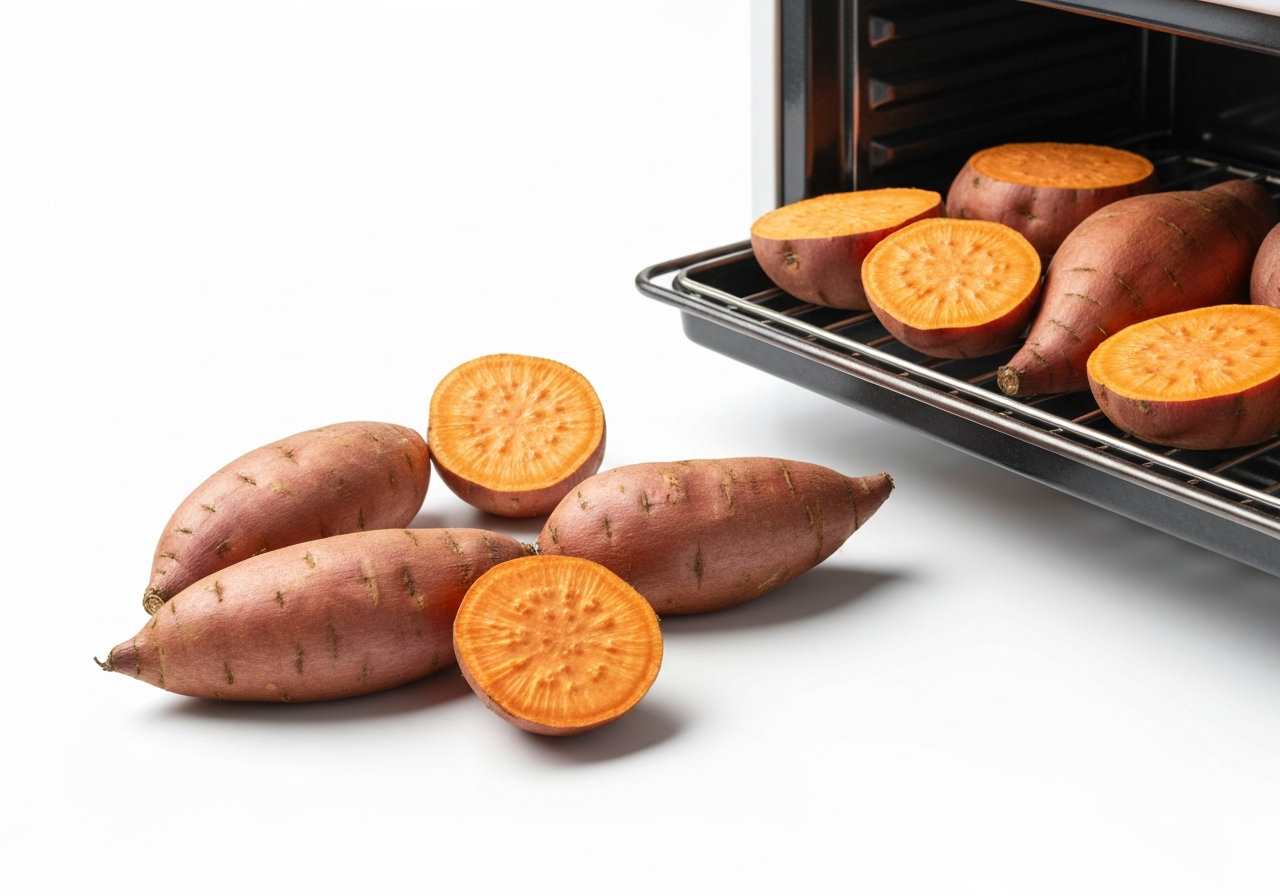
Sweet potatoes are far more than just carbohydrates; they are a treasure trove of micronutrients that synergistically promote health. When baked in the oven with the skin, a 100-gram serving offers an impressive array of essential vitamins and minerals.
| Nutrient | Amount per 100g (Baked with skin) | Health Benefit |
|---|---|---|
| Vitamin A | 107% of Daily Value (as Beta-carotene) | Essential for vision, immune function, cell growth, and reproduction. |
| Vitamin C | 44% of Daily Value | Potent antioxidant, crucial for immune defense, collagen synthesis, and skin health. |
| Manganese | 43% of Daily Value | Supports bone health, metabolism, and acts as an antioxidant. |
| Copper | 36% of Daily Value | Vital for energy production, iron metabolism, and nervous system function. |
| Pantothenic Acid | 35% of Daily Value | (Vitamin B5) Important for energy metabolism and hormone synthesis. |
| Vitamin B6 | 34% of Daily Value | Supports brain development, nervous system function, and red blood cell formation. |
| Potassium | 20% of Daily Value | Essential for maintaining fluid balance, nerve signals, and muscle contractions, including heart function. |
| Niacin | 19% of Daily Value | (Vitamin B3) Plays a role in energy metabolism, DNA repair, and antioxidant activity. |
| Fiber | 3g per 100g | Promotes digestive health, satiety, and helps regulate blood sugar and cholesterol. |
| Antioxidants | Carotenoids, Anthocyanins, Phenolic Acids | Protect cells from damage caused by free radicals, reducing oxidative stress and inflammation, contributing to chronic disease prevention. |
3. Top 5 Health Benefits of Oven-Baked Sweet Potatoes
Oven-baking sweet potatoes brings out their natural sweetness and makes them a highly bioavailable source of key nutrients, contributing to several profound health benefits.
3.1. Enhanced Vision and Eye Health
Sweet potatoes are an exceptional source of beta-carotene, particularly the orange-fleshed varieties.
- Biological Mechanism: Upon consumption, beta-carotene is converted into Vitamin A (retinol) in the body. Vitamin A is a critical component of rhodopsin, a light-absorbing molecule found in the retina of the eye. Rhodopsin plays a fundamental role in low-light vision and color perception. Adequate Vitamin A intake is essential for maintaining the integrity of the cornea and conjunctival membranes. Severe Vitamin A deficiency can lead to xerophthalmia, a condition that can result in blindness. By providing a rich supply of beta-carotene, sweet potatoes actively support the formation of these light-detecting receptors, safeguarding overall eye health.
> One cup (200g) of baked orange sweet potato with skin delivers more than double the amount of beta-carotene an average adult needs per day.
3.2. Robust Immune System Support
The immune-boosting properties of sweet potatoes are largely attributed to their high content of Vitamin A (from beta-carotene) and Vitamin C, along with other antioxidants.
- Biological Mechanism: Vitamin A is vital for the development and differentiation of white blood cells, including lymphocytes, which are key players in the adaptive immune response. It also maintains the integrity of mucous membranes, particularly in the gut lining, which serves as a primary barrier against pathogens. A healthy gut microbiome, supported by sweet potato's fiber, further enhances immune function. Vitamin C, a powerful antioxidant, protects immune cells from oxidative damage and enhances their function, including phagocytosis and antibody production. This synergistic action of vitamins A and C strengthens the body's natural defenses against infections and illnesses.
> Low blood levels of Vitamin A have been directly linked to reduced immunity.
3.3. Optimized Gut Microbiome and Digestive Health
Sweet potatoes are an excellent source of dietary fiber, offering both soluble and insoluble types, which are fundamental for a healthy digestive system and a balanced gut microbiome.
- Biological Mechanism: Insoluble fiber adds bulk to stool, promoting regular bowel movements and preventing constipation. Soluble fiber absorbs water, forming a gel-like substance that softens stool and can help regulate cholesterol and glucose levels. More importantly, certain soluble and insoluble fibers act as prebiotics, fermenting in the colon by beneficial gut bacteria such as Bifidobacterium and Lactobacillus species. This fermentation produces Short-Chain Fatty Acids (SCFAs) like butyrate, which nourish the cells lining the intestinal tract, maintain gut barrier integrity, and reduce inflammation within the gut. A thriving gut microbiome is crucial for nutrient absorption, immune modulation, and overall well-being.
> Fiber-rich diets (20-33g per day) have been associated with a lower risk of colon cancer and more regular bowel movements.
3.4. Potent Anti-inflammatory and Antioxidant Power
The vibrant colors of sweet potatoes signal a high concentration of antioxidants and anti-inflammatory compounds.
- Biological Mechanism: Orange-fleshed sweet potatoes are rich in carotenoids, including beta-carotene, which act as potent antioxidants by neutralizing unstable molecules called free radicals. This process reduces oxidative stress, a key contributor to chronic inflammation and cellular damage. Purple sweet potato varieties are particularly rich in anthocyanins, powerful pigments that exhibit strong anti-inflammatory properties, surpassing even some common antioxidants like Vitamin C and E in scavenging free radicals. Anthocyanins have been shown to inhibit fat accumulation, reduce triglyceride levels, and modulate inflammatory mediators like NF-κB and cytokines. Additionally, sweet potatoes contain phytosterols like beta-sitosterol and campesterol, which have been identified to suppress the production of pro-inflammatory markers such as interleukin-6 (IL-6). This comprehensive antioxidant and anti-inflammatory action helps protect the body against various chronic illnesses, including heart disease and certain cancers.
> Anthocyanins, predominantly found in purple-fleshed sweet potatoes, have been shown to reduce inflammatory markers in the body and protect against stress.
3.5. Stable Blood Sugar Management
Despite their sweet taste, sweet potatoes can play a beneficial role in blood sugar regulation, primarily due to their fiber content and certain bioactive compounds.
- Biological Mechanism: The dietary fiber (soluble and insoluble) present in sweet potatoes slows down gastric emptying and the absorption of glucose into the bloodstream, leading to a more gradual and sustained rise in blood sugar levels compared to refined carbohydrates. Sweet potatoes also contain resistant starch, which is not fully digested in the small intestine but instead ferments in the colon, producing short-chain fatty acids that may improve insulin sensitivity over time. Certain polyphenols found in sweet potato leaves have even been shown to enhance the secretion of glucagon-like peptide-1 (GLP-1), a hormone that stimulates insulin release and helps regulate glucose metabolism. While baking can increase their glycemic index compared to boiling, pairing oven-baked sweet potatoes with protein and healthy fats can further mitigate sharp blood sugar spikes.
> Animal studies have shown that white sweet potato extracts can reduce fasting glucose and improve insulin sensitivity.
4. Best Ways to Eat for Maximum Absorption
Optimizing the preparation and pairing of sweet potatoes can enhance the bioavailability of their beneficial nutrients.
- Raw vs. Cooked: Sweet potatoes are typically consumed cooked. While boiling or steaming may better preserve beta-carotene content and lead to a lower glycemic index compared to baking, oven-baking remains an excellent method that enhances palatability and nutrient accessibility. Some older studies suggest cooking sweet potatoes slightly reduces beta-carotene, but they still retain at least 70% of this nutrient.
- Food Pairings for Absorption: Beta-carotene is a fat-soluble nutrient, meaning it requires dietary fat for optimal absorption.
- Recommendation: Pair your oven-baked sweet potatoes with healthy fats such as olive oil, avocado, nuts, seeds, or grass-fed ghee to significantly boost beta-carotene absorption.
- Tip: To boost iron absorption from plant-based foods, pair them with Vitamin C-rich foods. While sweet potatoes contain Vitamin C, adding another source like bell peppers or citrus in your meal can further help.
- Recommended Daily Intake for Health Benefits: There isn't a strict "recommended daily dosage" for sweet potatoes. However, regularly incorporating a medium-sized sweet potato (approximately 100-150g cooked) into your diet can significantly contribute to your daily needs for Vitamin A, Vitamin C, fiber, and other essential minerals. One medium sweet potato can provide over 100% of your daily Vitamin A needs.
5. Potential Side Effects & Risks
While sweet potatoes are generally safe and highly nutritious for most individuals, there are a few considerations:
- Allergies: Sweet potato allergy is possible, though rare. Symptoms can range from mild (itching or swelling of the mouth, throat, and lips, hives, stomach pain) to severe (difficulty breathing, anaphylaxis). Cross-reactivity with pollen allergens (Oral Allergy Syndrome) or latex proteins (latex-fruit syndrome) has been noted. Sweet potatoes are from a different plant family (Convolvulaceae) than regular potatoes (Solanaceae), and thus typically do not contain patatin, a common allergen in regular potatoes.
- Antinutrients: Like many plant-based foods, sweet potatoes contain naturally occurring antinutrients such as phytates, tannins, oxalates, and sporamin (a protease inhibitor). These compounds can potentially interfere with nutrient absorption. However, cooking significantly reduces the levels of these antinutrients, making them less of a concern in a typical diet. The benefits of sweet potatoes far outweigh the minimal risk from these compounds, especially when cooked.
- Overconsumption Risks: Sweet potatoes are a healthy carbohydrate source, but overconsumption, especially for individuals managing blood sugar, should be mindful of portion sizes. Baking can increase their glycemic index compared to boiling.
6. Sweet Potatoes In Oven vs. The Competition: White Potatoes
When comparing sweet potatoes to their common counterpart, white potatoes, it's clear both offer nutritional value, but with distinct differences.
- Nutritional Comparison:
- Calories & Carbs: Both are similar in calorie and carbohydrate content per 100g.
- Vitamin A: Sweet potatoes are overwhelmingly superior in Vitamin A (beta-carotene) content, providing over 100% of the daily value in a single serving, which white potatoes lack significantly.
- Fiber: Sweet potatoes generally have a slightly higher fiber content.
- Vitamin C: Both are good sources of Vitamin C, though some sources indicate white potatoes can be higher.
- Potassium: White potatoes often contain more potassium than sweet potatoes.
- Antioxidants: Both contain beneficial plant compounds. Sweet potatoes, especially purple varieties, are richer in a broader spectrum of antioxidants like anthocyanins and carotenoids.
- Glycemic Impact: The glycemic index (GI) of both depends heavily on the cooking method. While boiled sweet potatoes typically have a moderate GI, baking or roasting can increase it, bringing it closer to that of white potatoes, especially when prepared without skin. However, the fiber and resistant starch in sweet potatoes often contribute to a more gradual blood sugar response compared to many refined starches.
In summary, while white potatoes offer valuable nutrients, sweet potatoes distinguish themselves with their exceptional Vitamin A content and broader antioxidant profile, making them a unique and highly beneficial addition to a balanced diet.
7. FAQs
- Q1: Are oven-baked sweet potatoes good for weight loss?
A: Yes, oven-baked sweet potatoes can support weight loss due to their high fiber content, which promotes satiety and helps you feel full for longer, reducing overall calorie intake. - Q2: Do sweet potatoes raise blood sugar significantly?
A: Sweet potatoes contain carbohydrates and will raise blood sugar, but their fiber and resistant starch content typically lead to a more gradual rise compared to refined grains. Preparation method matters: boiling generally results in a lower glycemic impact than baking. Pairing with protein and fat can also mitigate blood sugar spikes. - Q3: Is the skin of a sweet potato edible and beneficial?
A: Absolutely. The skin of sweet potatoes is edible and packed with additional fiber, antioxidants, and nutrients. It's recommended to wash them thoroughly and cook them with the skin on for maximum benefit. - Q4: Can sweet potatoes be eaten raw?
A: While technically edible raw, sweet potatoes are best consumed cooked. Cooking improves digestibility, enhances the absorption of certain nutrients like beta-carotene, and reduces the levels of some antinutrients. Raw sweet potatoes may also cause digestive discomfort for some. - Q5: What's the difference between orange and purple sweet potatoes?
A: Both are nutritious, but orange sweet potatoes are exceptionally rich in beta-carotene (Vitamin A precursor). Purple sweet potatoes, while also containing some beta-carotene, are notably higher in anthocyanins, powerful antioxidants responsible for their vibrant color and strong anti-inflammatory properties.
8. Conclusion
Oven-baked sweet potatoes are more than just a delicious side dish; they are a health-promoting superfood, brimming with essential micronutrients and bioactive compounds. From bolstering vision and immune function to supporting gut health and managing inflammation, their science-backed benefits are undeniable. Integrating sweet potatoes into your diet, prepared mindfully, is a strategic choice for enhancing overall well-being.
Track your sweet potatoes in oven intake and monitor your nutrient targets with the free JustMacros app.