Sweet Potato Nutrition: Health Benefits & Nutrition Facts
Complete nutrition guide for Sweet Potato Nutrition. Discover top health benefits, micronutrient breakdown (vitamins & minerals), and science-backed daily intake recommendations.
Table of Contents
- The Sweet Potato: A Nutritional Powerhouse for Optimal Health
- Executive Summary: Your Health Ally for Vision and Immunity
- Nutritional Profile: Micronutrients Driving Health Benefits
- Top 5 Health Benefits of Sweet Potato Nutrition
- Best Ways to Eat for Maximum Absorption
- Potential Side Effects & Risks
- Sweet Potato Nutrition vs. The Competition
- FAQs
- Conclusion
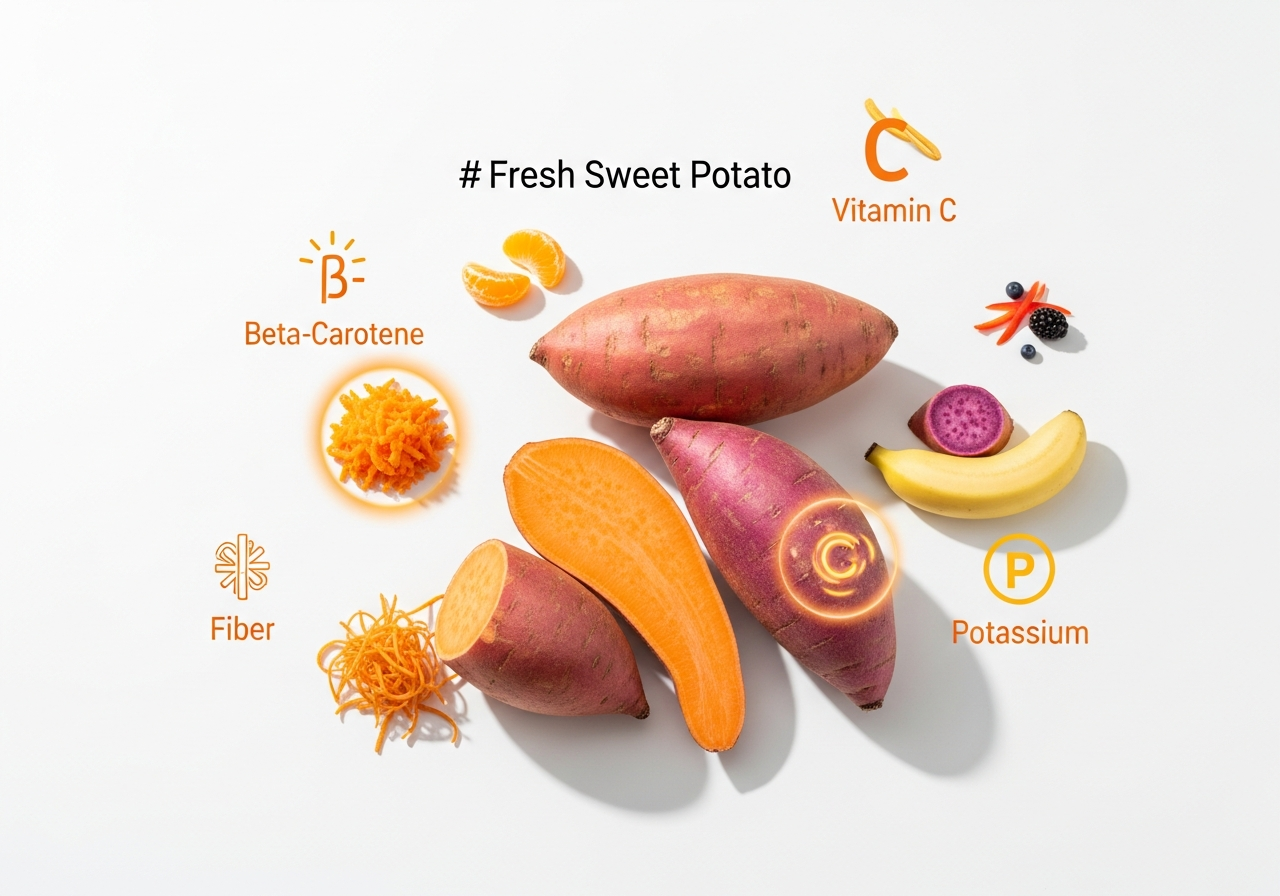
The Sweet Potato: A Nutritional Powerhouse for Optimal Health
As Lead Nutrition Researcher at JustMacros, we are dedicated to providing you with cutting-edge, science-backed insights into the foods that fuel your well-being. Today, we delve into the profound health benefits of the humble sweet potato, a root vegetable far exceeding its reputation as a mere carbohydrate source. Beyond simple macro-tracking, understanding the intricate micronutrient profile and biological mechanisms of sweet potato nutrition reveals its significant role in supporting critical health outcomes.
Executive Summary: Your Health Ally for Vision and Immunity
Yes, sweet potato nutrition significantly aids in enhancing vision and bolstering the immune system due to its exceptionally rich content of beta-carotene. This potent antioxidant is the #1 "Hero Nutrient" in sweet potatoes, serving as a powerful precursor to Vitamin A, which is indispensable for maintaining healthy eyesight and robust immune function.
Hero Nutrient Highlight: A single medium sweet potato can provide well over 100% of your daily recommended intake of Vitamin A, primarily from beta-carotene.
Nutritional Profile: Micronutrients Driving Health Benefits

Sweet potatoes are dense with essential vitamins, minerals, and potent antioxidants, offering a superior nutritional package that goes beyond basic caloric intake. The vibrant colors, particularly orange and purple varieties, signify the presence of health-promoting phytochemicals like beta-carotene and anthocyanins.
Here's a breakdown of key micronutrients in a 100g serving of baked sweet potato with skin, and their associated health benefits:
| Nutrient | Amount per 100g (Approx.) | Health Benefit |
|---|---|---|
| Calories | 90 kcal | Energy source for bodily functions. |
| Carbohydrates | 20.5 g | Complex carbohydrates for sustained energy. |
| Fiber | 3.3 g | Supports digestive health, promotes satiety, helps regulate blood sugar. |
| Protein | 2 g | Essential for tissue repair, enzyme function, and muscle maintenance. |
| Fat | 0.15 g | Minimal fat content, aids in absorption of fat-soluble vitamins (when paired with healthy fats). |
| Vitamin A | 961 mcg RAE (107% DV) | Crucial for vision, immune function, cell growth, and skin health. |
| Vitamin C | 19.6 mg (22% DV) | Potent antioxidant, supports immune system, collagen production, and iron absorption. |
| Manganese | (Approx. 21.5% DV) | Involved in bone formation, metabolism, and antioxidant defense. |
| Potassium | 475 mg (10% DV) | Essential for blood pressure regulation, fluid balance, and nerve function. |
| Vitamin B6 | 0.286 mg (17% DV) | Important for brain development, nerve function, and red blood cell formation. |
| Copper | (Approx. 18% DV) | Aids in iron absorption, red blood cell formation, and immune function. |
| Pantothenic Acid | (Approx. 17.5% DV) | Essential for energy metabolism and hormone production. |
| Niacin | (Approx. 9.5% DV) | Supports energy production and DNA repair. |
Note: Daily Value (DV) percentages are based on a 2000-calorie diet. Amounts are approximate for 100g baked sweet potato with skin, calculated by halving a 200g serving where direct 100g data was not consistently available.
Top 5 Health Benefits of Sweet Potato Nutrition
Sweet potatoes offer a spectrum of scientifically proven health benefits that underscore their value in a balanced diet.
1. Enhanced Vision and Eye Health through Beta-Carotene
Sweet potatoes, particularly the orange-fleshed varieties, are an exceptional source of beta-carotene, the pigment responsible for their vibrant color. This compound is a provitamin, meaning the body converts it into active Vitamin A (retinol).
Biological Mechanism: Vitamin A is a critical component of rhodopsin, a protein found in the retina that is essential for light detection and adaptation to changes in light and dark conditions. Adequate Vitamin A intake is crucial for maintaining a clear cornea and preventing various eye conditions. Severe Vitamin A deficiency can lead to xerophthalmia, a type of blindness. Beyond night vision, beta-carotene, alongside other antioxidants like Vitamin C, E, and zinc, may help reduce the risk of age-related eye diseases such as cataracts and macular degeneration.
"All you need to eat is one sweet potato per day — which has 1,403 mcg of vitamin A — amounting to 156% of the daily recommended amount."
2. Robust Immune System Support
The rich array of vitamins and antioxidants in sweet potatoes plays a pivotal role in strengthening the body's immune defenses.
Biological Mechanism: Beta-carotene, once converted to Vitamin A, is vital for the development and maturation of immune cells, including T-cells and B-cells, which are frontline defenders against pathogens. Low blood levels of Vitamin A are directly linked to reduced immunity. Furthermore, Vitamin A helps maintain the integrity of mucous membranes, particularly in the gut lining, which serves as a crucial barrier against disease-causing pathogens. Sweet potatoes are also a good source of Vitamin C, another powerful antioxidant that enhances the activity of immune cells and supports wound healing. This dual action of Vitamin A and C, along with other antioxidants, helps protect immune cells from damage caused by free radicals, ensuring they can effectively fight off infections.
3. Optimized Gut Health and Digestive Function
Sweet potatoes are an excellent source of dietary fiber, a critical component for maintaining a healthy digestive system.
Biological Mechanism: They contain both soluble and insoluble fiber. Soluble fiber absorbs water, forming a gel-like substance that softens stool and helps regulate blood sugar and cholesterol levels. Insoluble fiber adds bulk to stool, promoting regular bowel movements and preventing constipation. Both types of fiber remain undigested in the digestive tract. Certain soluble and insoluble fibers act as prebiotics, meaning they are fermented by beneficial bacteria in the colon, producing short-chain fatty acids. These fatty acids nourish the cells lining the intestines, promoting a healthy gut microbiome and reducing the risk of conditions like irritable bowel syndrome (IBS) and infectious diarrhea. A single medium sweet potato can provide a significant portion of your daily recommended fiber intake.
4. Potent Antioxidant and Anti-inflammatory Properties
Sweet potatoes are rich in various antioxidants, which are crucial for protecting the body from cellular damage and chronic disease.
Biological Mechanism: Beyond beta-carotene, purple sweet potatoes are particularly high in anthocyanins, potent polyphenol antioxidants that give them their distinctive color. These compounds, along with Vitamin C and other phenolic acids, act as free radical scavengers, neutralizing unstable molecules that can damage DNA and trigger inflammation. Chronic inflammation is a risk factor for numerous health issues, including heart disease, cancer, and age-related diseases. The anti-inflammatory effects of anthocyanins, in particular, have been observed in animal studies to protect the brain and reduce markers of inflammation. By mitigating oxidative stress and inflammation, sweet potatoes contribute to overall cellular health and disease prevention.
5. Contribution to Blood Sugar Management
Despite their sweet taste, sweet potatoes can play a role in managing blood sugar levels, particularly when prepared appropriately.
Biological Mechanism: The significant fiber content in sweet potatoes helps to slow down the digestion and absorption of sugars into the bloodstream. This prevents rapid spikes in blood glucose, leading to a more stable blood sugar response. Sweet potatoes have a moderate glycemic index (GI), which can vary depending on the cooking method. Boiled sweet potatoes tend to have a lower glycemic index compared to baked or roasted varieties. Their complex carbohydrates, coupled with fiber, provide sustained energy release, making them a healthier carbohydrate choice, even for individuals managing diabetes, when consumed in moderation as part of a balanced diet.
Best Ways to Eat for Maximum Absorption
To fully harness the nutritional power of sweet potatoes, consider these preparation and pairing strategies:
- Cooked vs. Raw: While some nutrients are sensitive to heat, the beta-carotene in sweet potatoes is actually better absorbed when cooked. Cooking helps break down cell walls, making the beta-carotene more bioavailable. Raw sweet potatoes are generally not recommended due to their texture and potential digestive discomfort.
- Food Pairings: Since beta-carotene and Vitamin A are fat-soluble vitamins, pairing sweet potatoes with a source of healthy fats significantly boosts their absorption.
- Examples: Drizzle with olive oil after baking or roasting, add to salads with avocado, or enjoy alongside nuts and seeds.
- Recommended Daily Dosage for Health Benefits: Incorporating one medium sweet potato into your diet a few times per week can provide ample health benefits, especially for Vitamin A and fiber. While daily consumption is generally safe for most, moderation is key, especially given their natural sugar content.
Potential Side Effects & Risks
While sweet potatoes are largely beneficial, awareness of potential side effects is prudent:
- Allergies: Although less common than regular potato allergies, allergic reactions to sweet potatoes can occur. Symptoms may include itching or swelling of the mouth, throat, and lips, hives, stomach pain, nausea, vomiting, or diarrhea. In rare, severe cases, anaphylaxis is possible, requiring immediate medical attention. The allergenic potential stems from specific proteins, such as patatin. Contact dermatitis from sweet potato skin has also been reported.
- Overconsumption Risks:
- Vitamin A: While highly unlikely to reach toxic levels from food sources, consuming extremely large quantities of beta-carotene-rich foods might lead to carotenemia, a harmless condition where the skin takes on a yellowish-orange tint. This is distinct from Vitamin A toxicity from supplements, which can be dangerous.
- Potassium: Sweet potatoes are a good source of potassium. Individuals with kidney problems should be mindful of their potassium intake and may need to limit sweet potato consumption under medical guidance.
- Natural Sugars: While natural, sweet potatoes contain sugars. Excessive consumption, particularly of candied or heavily processed sweet potato dishes, could impact blood sugar levels. Moderation is advised, especially for those managing blood glucose.
Sweet Potato Nutrition vs. The Competition
Comparing sweet potatoes to other starchy root vegetables highlights their unique nutritional advantages:
Sweet Potato vs. White Potato:
Both sweet and white potatoes are nutritious, offering fiber, carbohydrates, and B vitamins. However, key differences exist:
- Vitamin A: Sweet potatoes are the clear winner, containing vastly more Vitamin A (beta-carotene) – often over 100% of the daily value in a single medium serving, whereas white potatoes contain very little.
- Fiber: Sweet potatoes generally contain more dietary fiber than white potatoes.
- Antioxidants: Sweet potatoes are richer in a wider array of antioxidants, particularly beta-carotene and anthocyanins (in purple varieties), which contribute to their vibrant colors and health benefits.
- Other Micronutrients: While both contain Vitamin C and B6, sweet potatoes tend to have more magnesium, copper, and manganese. White potatoes are often higher in potassium, Vitamin B1, and folate.
- Glycemic Index (GI): The GI of both can vary significantly by cooking method. Boiled sweet potatoes generally have a moderate GI, which can be lower than baked sweet potatoes or even some preparations of white potatoes.
In summary, while both can be part of a healthy diet, sweet potatoes stand out for their superior Vitamin A and antioxidant content.
FAQs
Q1: Are sweet potatoes good for weight loss?
Yes, sweet potatoes can be beneficial for weight loss. They are relatively low in calories and high in fiber, which promotes satiety and helps you feel full longer, potentially reducing overall calorie intake. Their high water content also contributes to suppressing appetite. However, preparation method matters; baked or boiled is preferable to deep-fried or heavily sugared versions.
Q2: Can I eat the skin of a sweet potato?
Absolutely! Eating the skin of a sweet potato significantly increases its nutritional value, adding extra fiber, antioxidants, and various vitamins and minerals. Just ensure it's thoroughly washed before cooking.
Q3: How does the glycemic index of sweet potatoes compare to regular potatoes?
Sweet potatoes generally have a moderate glycemic index, but this can vary depending on the cooking method. Boiled sweet potatoes tend to have a lower GI than baked or roasted ones. While regular white potatoes can have a similar or even lower GI depending on preparation, sweet potatoes' fiber content aids in a more gradual sugar release.
Q4: What are the benefits of purple sweet potatoes?
Purple sweet potatoes are particularly rich in anthocyanins, powerful antioxidants that give them their distinctive color. These compounds are associated with strong anti-inflammatory, anti-cancer, and neuroprotective properties, potentially supporting brain function and cardiovascular health.
Q5: What is the healthiest way to cook sweet potatoes?
Steaming, boiling, baking, and roasting are among the healthiest ways to prepare sweet potatoes. These methods preserve most of their nutrients and avoid the unhealthy fats associated with deep frying. Boiling can also help maintain a lower glycemic index.
Conclusion
The sweet potato is unequivocally a nutritional giant, offering a remarkable blend of vitamins, minerals, and antioxidants that confer substantial health benefits. From supporting acute vision and bolstering immune defenses through its abundant beta-carotene, to optimizing gut health with its rich fiber content, and combating cellular damage with potent antioxidants like anthocyanins, sweet potato nutrition is a cornerstone of a health-conscious diet. Incorporating this versatile and delicious root vegetable into your regular meals is a simple yet powerful step toward achieving optimal well-being.
Track your sweet potato nutrition intake and monitor your nutrient targets with the free JustMacros app.