Chicken Breast Protein: Health Benefits & Nutrition Facts
Complete nutrition guide for Chicken Breast Protein. Discover top health benefits, micronutrient breakdown (vitamins & minerals), and science-backed daily intake recommendations.
Table of Contents
- Executive Summary
- Nutritional Profile: A Micronutrient Deep Dive
- Top 5 Health Benefits of Chicken Breast Protein
- 1. Optimized Muscle Protein Synthesis and Repair
- 2. Enhanced Satiety and Weight Management
- 3. Robust Immune System Support
- 4. Enhanced Metabolic Function and Energy Production
- 5. Bone Health and Structural Integrity
- Best Ways to Eat for Maximum Absorption
- Potential Side Effects & Risks
- Chicken Breast Protein vs. The Competition
- Chicken Breast vs. Lean Beef
- Chicken Breast vs. [Tofu](/macros/tofu)
- FAQs
- 1. Is chicken breast protein a complete protein?
- 2. How much chicken breast protein should I eat daily?
- 3. Does cooking affect the protein content of chicken breast?
- 4. Is white meat (chicken breast) healthier than dark meat (thighs/drumsticks)?
- 5. Can chicken breast protein help with weight loss?
- Conclusion
The Definitive Guide to Chicken Breast Protein: Beyond Macros for Optimal Health
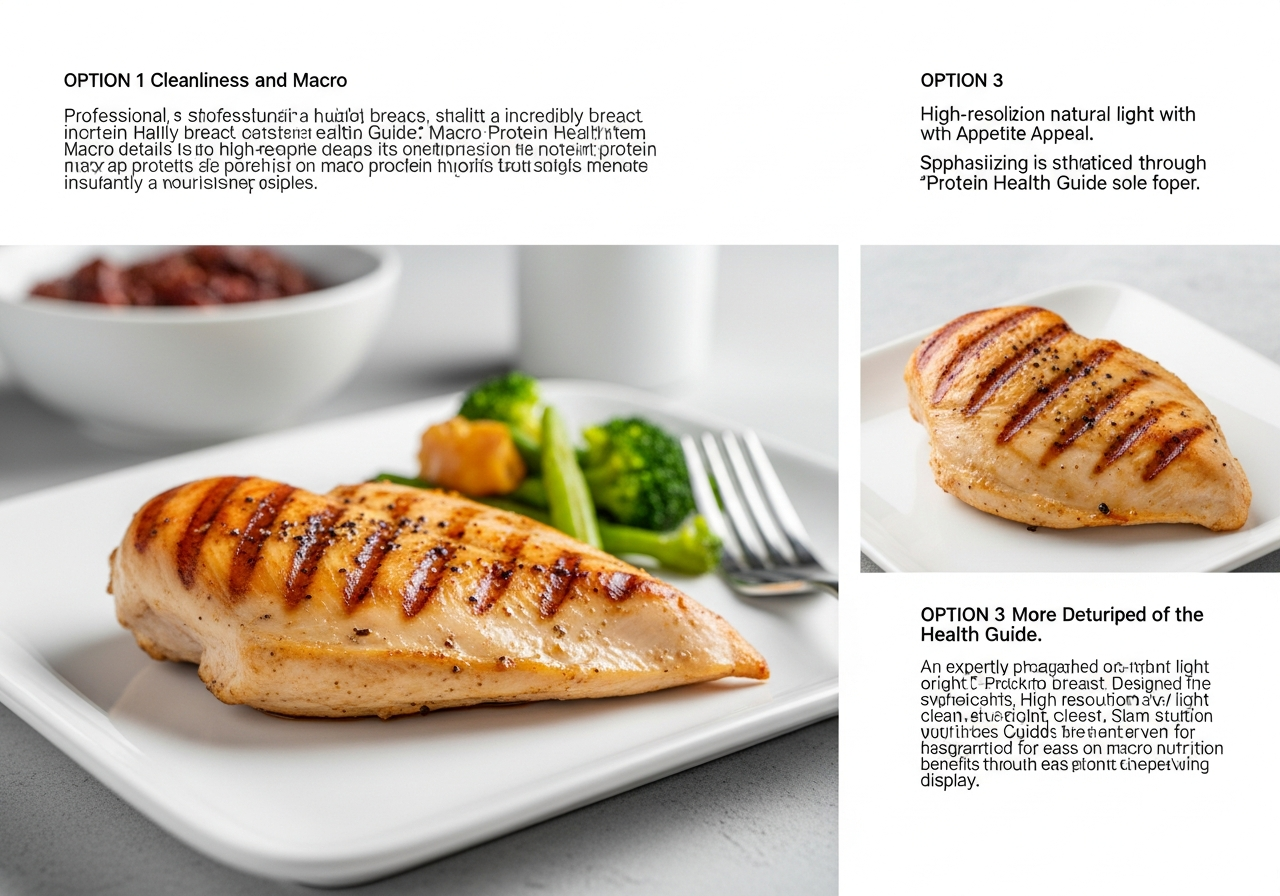
Executive Summary
Chicken breast protein is a highly efficient and bioavailable source of complete protein, indispensable for myriad physiological functions that extend far beyond simple macronutrient targets. It plays a pivotal role in muscle protein synthesis, effective weight management through enhanced satiety, robust immune function, and the structural integrity of bones. Its impressive nutrient density, particularly its rich amino acid profile and supporting micronutrients, positions it as a cornerstone in a health-optimized diet.
The #1 "Hero Nutrient" in chicken breast protein driving its profound benefits for muscle health and overall anabolism is Leucine. This branched-chain amino acid (BCAA) acts as a critical signaling molecule, directly initiating and maximizing muscle protein synthesis.
Nutritional Profile: A Micronutrient Deep Dive
Beyond its celebrated protein content, skinless, cooked chicken breast offers a dense array of essential vitamins and minerals crucial for cellular health and metabolic processes. A 100-gram serving provides significant contributions to daily micronutrient needs without excessive calories or saturated fat.
| Nutrient | Amount per 100g (cooked, skinless) | Health Benefit |
|---|---|---|
| Protein | ~31-32g | Essential for muscle repair, growth, enzyme production, hormone regulation, and immune function. Provides all nine essential amino acids. |
| Calories | ~165-166 kcal | A lean source of energy, supporting calorie control for weight management. |
| Niacin (B3) | ~13.7 mg | Vital for energy metabolism, converting food into usable energy, and DNA repair. Contributes to skin and nerve health. |
| Vitamin B6 | ~0.5-0.6 mg | Critical for amino acid metabolism, red blood cell formation, and neurotransmitter synthesis, supporting brain function and mood regulation. |
| Vitamin B12 | ~0.3 µg | Essential for nerve function, red blood cell production, and DNA synthesis. Important for energy and overall neurological health. |
| Phosphorus | ~19% DV per 100g | A key mineral for strong bones and teeth, energy storage (ATP), and various cellular processes. |
| Selenium | ~58% DV per 100g | A powerful antioxidant that protects cells from damage, supports thyroid hormone metabolism, and plays a crucial role in immune function. |
| Zinc | ~9% DV per 100g | Important for immune system function, wound healing, protein synthesis, and cell division. |
| Iron | ~0.7 mg | Essential for oxygen transport in the blood (as part of hemoglobin) and cellular energy production. |
| Potassium | ~256 mg | An electrolyte crucial for fluid balance, nerve signals, and muscle contractions, including those of the heart. |
Top 5 Health Benefits of Chicken Breast Protein
Chicken breast protein offers a spectrum of health advantages, underpinned by its comprehensive nutritional composition.
1. Optimized Muscle Protein Synthesis and Repair
Chicken breast is a superior source of high-quality, complete protein, providing all nine essential amino acids required for muscle growth and repair. Its particularly rich content of branched-chain amino acids (BCAAs), especially leucine, is paramount for stimulating muscle protein synthesis (MPS).
"Leucine is one of the three BCAAs, and it's the amino acid responsible for triggering muscle protein synthesis. Think of it as the 'on' switch for muscle growth. Research shows that you need about 2.5-3 grams of leucine per meal to optimize muscle protein synthesis."
The biological mechanism involves leucine directly activating the mTOR (mammalian target of rapamycin) pathway, a key regulator of cell growth and protein synthesis. After intense physical activity, muscle fibers experience micro-tears. The amino acids from ingested chicken breast protein provide the necessary building blocks to repair these tears and synthesize new muscle tissue, leading to increased muscle mass and strength over time.
2. Enhanced Satiety and Weight Management

The high protein content of chicken breast significantly contributes to feelings of fullness and can aid in weight loss and maintenance.
"Protein has a higher thermic effect of food (TEF) compared to fats and carbohydrates, meaning your body expends more energy digesting it. More importantly, protein significantly boosts feelings of fullness, known as satiety. This reduces the likelihood of overeating and snacking on unhealthy options throughout the day."
Protein's satiating effect is multifaceted. It influences the release of gut hormones like cholecystokinin (CCK) and glucagon-like peptide-1 (GLP-1), which signal satiety to the brain, effectively reducing appetite. Additionally, protein has a higher thermic effect of food (TEF) compared to carbohydrates and fats, meaning the body expends more energy in its digestion, absorption, and metabolism. This contributes to a higher overall energy expenditure and can support a calorie deficit without feeling deprived. Consuming protein-rich meals, such as chicken breast, can help stabilize blood sugar levels, preventing rapid spikes and crashes that often lead to cravings.
3. Robust Immune System Support
Chicken breast provides crucial micronutrients that are integral to a well-functioning immune system, particularly zinc and selenium.
Chicken is "a great source of vitamin B12, zinc, iron and selenium — nutrients necessary for red blood cell formation, immunity and antioxidant defence."
Zinc is a vital mineral involved in over 300 enzymatic reactions in the body and is critical for the development and function of immune cells, including T-lymphocytes and natural killer cells. Selenium acts as a powerful antioxidant, protecting cells from oxidative damage caused by free radicals, which can impair immune responses. It also plays a role in the production of selenoproteins, which are important for combating infections and inflammation. Adequate intake of these minerals, readily available in chicken breast, helps the body mount an effective defense against pathogens and reduces the severity and duration of illnesses.
4. Enhanced Metabolic Function and Energy Production
The B vitamins abundantly found in chicken breast, particularly niacin (B3) and vitamin B6, are indispensable coenzymes in various metabolic pathways that convert food into energy.
"Chicken breasts are packed with essential nutrients like B vitamins, which support energy metabolism, and minerals such as phosphorus and selenium, which are important for overall health."
Niacin (Vitamin B3) is a component of NAD and NADP, coenzymes involved in energy-releasing reactions from carbohydrates, fats, and proteins. Vitamin B6 plays a critical role in amino acid metabolism, glucose metabolism (gluconeogenesis), and the synthesis of neurotransmitters, ensuring efficient energy utilization and nervous system function. These B vitamins ensure that the body can efficiently extract and utilize energy from macronutrients, supporting overall metabolic health and sustained energy levels throughout the day.
5. Bone Health and Structural Integrity
Protein is not only crucial for muscles but also forms a significant component of bone structure. Chicken breast protein, along with its phosphorus content, contributes to maintaining strong and healthy bones.
"In bone, protein makes up a major part of the mass and volume, creating a meshwork of fibers that lay the foundation for growth. 'Protein is like scaffolding. Calcium and phosphorous form on it and stiffen up,' Dr. Rosen explains."
Protein provides the organic matrix of bone, often likened to a "scaffolding" upon which calcium and phosphorus crystals (hydroxyapatite) are deposited. Adequate protein intake is associated with greater bone mineral density and a lower risk of fractures, especially in older adults. Phosphorus, another abundant mineral in chicken breast, directly combines with calcium to form these essential crystals, providing bones with their rigidity and strength. This synergistic action of protein and phosphorus supports the ongoing remodeling and maintenance of bone tissue throughout life.
Best Ways to Eat for Maximum Absorption
To maximize the health benefits and absorption of nutrients from chicken breast, consider the following:
- Cooked, Not Raw: Cooking chicken breast makes its proteins more digestible and eliminates the risk of foodborne illnesses. Grilling, baking, poaching, or stir-frying are excellent methods that preserve nutrient integrity.
- Optimal Food Pairings:
- Vitamin C for Iron Absorption: While chicken breast contains non-heme iron, pairing it with Vitamin C-rich foods (e.g., bell peppers, broccoli, citrus fruits) can significantly enhance iron absorption.
- Variety with Vegetables and Whole Grains: A balanced meal with a variety of vegetables and whole grains provides a broad spectrum of micronutrients and fiber, which can aid overall digestion and nutrient utilization.
- Recommended Daily Dosage for Health Benefits:
- For general health in healthy adults, the Recommended Dietary Allowance (RDA) for protein is 0.8 grams per kilogram of body weight per day.
- For active individuals, athletes, or those aiming for muscle building or weight loss, protein needs can increase to 1.2-1.7 grams per kilogram of body weight per day.
- It is generally recommended to spread protein intake evenly throughout the day, aiming for 15-30 grams per meal, rather than consuming a large amount in a single sitting, for optimal absorption and muscle protein synthesis.
Potential Side Effects & Risks
While chicken breast is largely beneficial, certain considerations are important:
- Foodborne Illness: Undercooked chicken can harbor bacteria like Salmonella or Campylobacter, leading to severe foodborne illnesses. Always ensure chicken is cooked to a safe internal temperature (74°C / 165°F).
- Allergies: Although less common than other food allergies, some individuals can develop an allergy to chicken protein. Symptoms can range from mild digestive issues to severe anaphylaxis.
- Overconsumption: While protein is essential, extremely high protein intake (e.g., >2 grams per kg body weight daily for prolonged periods) could potentially lead to digestive discomfort or, in rare cases, strain on the kidneys, especially in individuals with pre-existing kidney conditions. It can also displace other nutrient-dense foods if not managed carefully.
- Source Quality: The nutritional profile and safety of chicken can vary based on farming practices. Opting for organic, free-range, or conventionally raised chicken without added hormones (which are not permitted in poultry in the US) or excessive antibiotics can be a preference for some consumers.
Chicken Breast Protein vs. The Competition
Comparing chicken breast protein to other common protein sources highlights its unique advantages and specific applications.
Chicken Breast vs. Lean Beef
Both chicken breast and lean beef are excellent sources of complete protein, but they differ in their micronutrient profiles and fat content.
| Feature | Chicken Breast (100g cooked, skinless) | Lean Beef (e.g., sirloin, 100g cooked) | Notes |
|---|---|---|---|
| Protein | ~31-32g | ~22-26g | Chicken breast generally offers slightly more protein per 100g serving. |
| Fat Content | Low (~3.6g total, ~1g saturated) | Higher (~7-10g total, higher saturated fat) | Chicken breast is notably leaner, making it a preferred choice for fat-controlled diets. |
| Micronutrients | Rich in Niacin (B3), B6, Phosphorus, Selenium, Potassium | Rich in Iron (heme), Zinc, Vitamin B12, Creatine | Lean beef excels in heme iron and zinc, which are highly bioavailable. Chicken is strong in B vitamins and selenium. |
| Leucine Content | High (~2.5g per 100g) | High (~2.6g per 100g for some cuts) | Both are excellent sources of leucine, vital for muscle protein synthesis. |
For those prioritizing leanness and lower saturated fat, chicken breast often takes precedence. However, lean beef offers superior iron (heme iron) and zinc bioavailability, making it valuable for preventing deficiencies in these minerals.
Chicken Breast vs. Tofu
Comparing chicken breast to plant-based proteins like tofu highlights differences crucial for diverse dietary needs.
| Feature | Chicken Breast (100g cooked, skinless) | Tofu (Firm, 100g) | Notes |
|---|---|---|---|
| Protein | ~31-32g | ~12-17g | Chicken breast provides significantly more protein per serving. |
| Fat Content | Low (~3.6g total) | Moderate (~7-9g total, mostly unsaturated) | Tofu contains beneficial unsaturated fats and no cholesterol, while chicken breast is very lean. |
| Carbohydrates/Fiber | 0g carbs, 0g fiber | ~3g carbs, ~2g fiber | Tofu offers dietary fiber, which chicken breast does not, beneficial for digestion and blood sugar regulation. |
| Micronutrients | Rich in B vitamins, Selenium, Phosphorus | Rich in Calcium, Magnesium, Iron, Zinc | Tofu is a stronger source of calcium, magnesium, and some minerals, while chicken excels in B vitamins and selenium. |
For individuals seeking the highest protein density per calorie and complete amino acid profile from an animal source, chicken breast is superior. However, tofu offers unique benefits such as fiber, a different array of minerals, and beneficial unsaturated fats, making it an excellent plant-based alternative or complement for a diverse diet.
FAQs
1. Is chicken breast protein a complete protein?
Yes, chicken breast protein is a complete protein, meaning it contains all nine essential amino acids that the human body cannot synthesize on its own and must obtain from the diet.
2. How much chicken breast protein should I eat daily?
The recommended daily protein intake varies based on age, activity level, and health goals. For a sedentary adult, the RDA is 0.8 grams per kilogram of body weight. Active individuals or those aiming for muscle gain or weight loss may benefit from 1.2 to 1.7 grams per kilogram of body weight daily, distributed across meals.
3. Does cooking affect the protein content of chicken breast?
While cooking methods can affect the moisture content and thus the protein concentration per gram of cooked weight (as water is lost), the total protein amount in a piece of chicken breast remains largely the same. Cooking, especially methods like grilling or baking, makes the protein more digestible.
4. Is white meat (chicken breast) healthier than dark meat (thighs/drumsticks)?
Chicken breast is generally leaner, with lower fat and calorie content compared to dark meat cuts like thighs and drumsticks. While dark meat contains slightly more iron and zinc, chicken breast offers a higher protein-to-fat ratio, making it a preferred choice for those focused on lean protein and calorie control.
5. Can chicken breast protein help with weight loss?
Absolutely. Chicken breast's high protein content promotes satiety, keeping you feeling full longer and reducing overall calorie intake. It also helps preserve lean muscle mass during a calorie deficit and has a higher thermic effect, all of which contribute to effective weight management.
Conclusion
Chicken breast protein stands as a nutritional powerhouse, offering a comprehensive profile that extends beyond its impressive protein content. From optimizing muscle protein synthesis and facilitating effective weight management to bolstering immune function, enhancing metabolic processes, and supporting bone health, its benefits are scientifically robust. By focusing on its rich array of micronutrients and understanding the biological mechanisms behind its advantages, individuals can strategically incorporate chicken breast into their diet for superior health outcomes.
Track your chicken breast protein intake and monitor your nutrient targets with the free JustMacros app.