Chicken Breast In Oven: Health Benefits & Nutrition Facts
Complete nutrition guide for Chicken Breast In Oven. Discover top health benefits, micronutrient breakdown (vitamins & minerals), and science-backed daily intake recommendations.
Table of Contents
- The Definitive Guide to Oven-Baked Chicken Breast: Beyond Macros for Optimal Health
- Executive Summary
- Nutritional Profile: A Micronutrient Deep Dive
- Executive Summary
- Nutritional Profile: A Micronutrient Deep Dive
- Executive Summary
- Nutritional Profile: A Micronutrient Deep Dive
- Top 5 Health Benefits
- 1. Superior Muscle Growth and Repair
- 2. Enhanced Energy Metabolism
- 3. Robust Immune System Support
- 4. Optimized Thyroid Function
- 5. Strong Bone Health
- Best Ways to Eat for Maximum Absorption
- Potential Side Effects & Risks
- Chicken Breast In Oven vs. The Competition
- FAQs
- Q1: Is oven baking the healthiest way to cook chicken breast?
- Q2: Does cooking chicken breast in the oven reduce its protein content?
- Q3: How can I prevent chicken breast from drying out in the oven?
- Q4: Are there any specific risks associated with consuming chicken breast regularly?
- Q5: Can oven-baked chicken breast help with weight loss?
- Conclusion
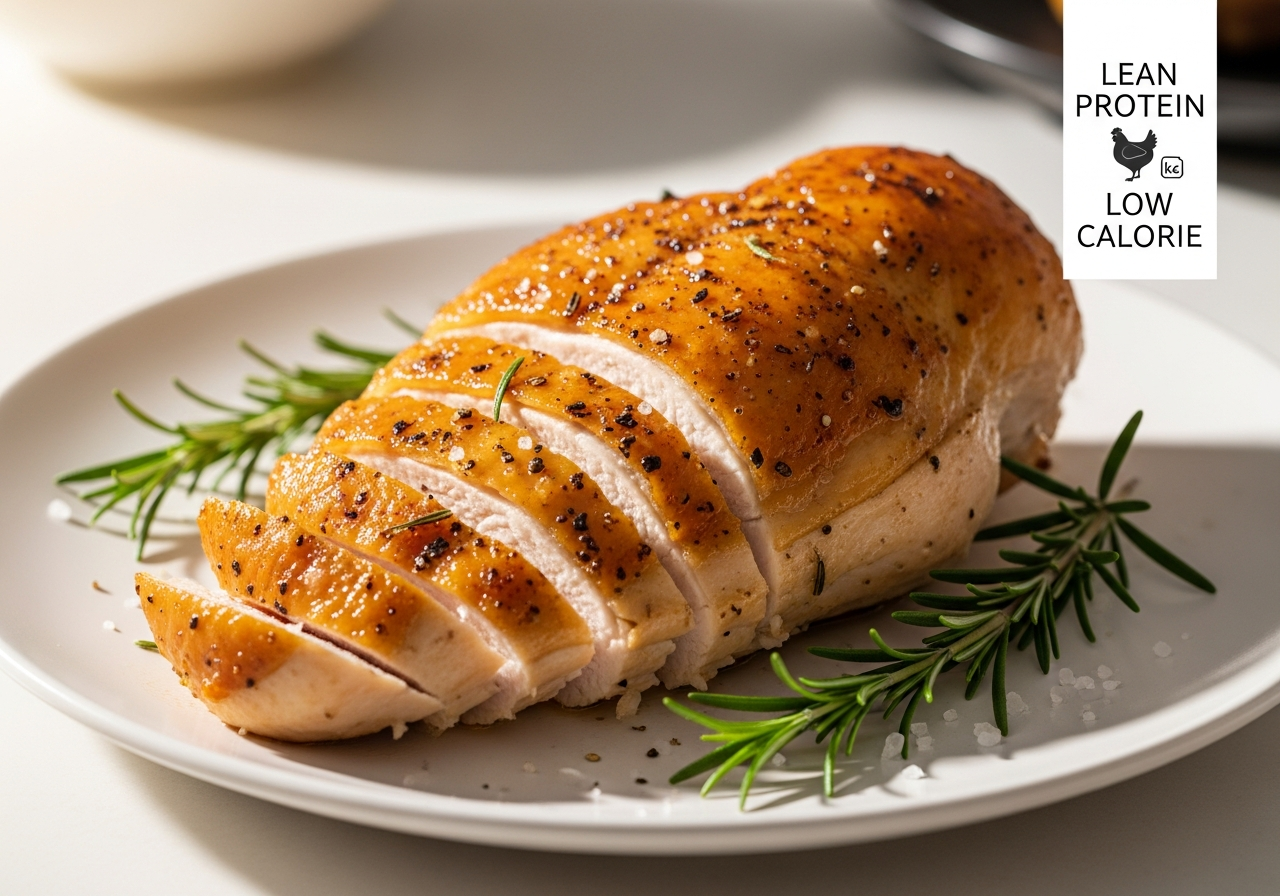
The Definitive Guide to Oven-Baked Chicken Breast: Beyond Macros for Optimal Health
Oven-baked chicken breast is a cornerstone of health-conscious diets, revered for its lean protein content and versatility. But its true value extends far beyond basic macronutrient tracking. As lead nutrition researchers for JustMacros, we delve into the science-backed health outcomes, crucial micronutrients, and profound benefits that make "Chicken Breast In Oven" a powerhouse for overall well-being.
Executive Summary
Yes, oven-baked chicken breast is an exceptional dietary component for enhancing overall health, primarily due to its rich supply of high-quality protein and essential micronutrients. This preparation method locks in vital compounds, supporting muscle synthesis, metabolic function, and immune defense. The #1 "Hero Nutrient" in chicken breast, Niacin (Vitamin B3), is critical for energy production and cellular health, making it a key driver of the health benefits associated with this lean protein.
Niacin (Vitamin B3) in a 3.5-ounce (100-gram) serving of cooked, skinless chicken breast provides approximately 60% of the daily value, playing a pivotal role in over 400 enzymes involved in metabolism and DNA repair.
Nutritional Profile: A Micronutrient Deep Dive
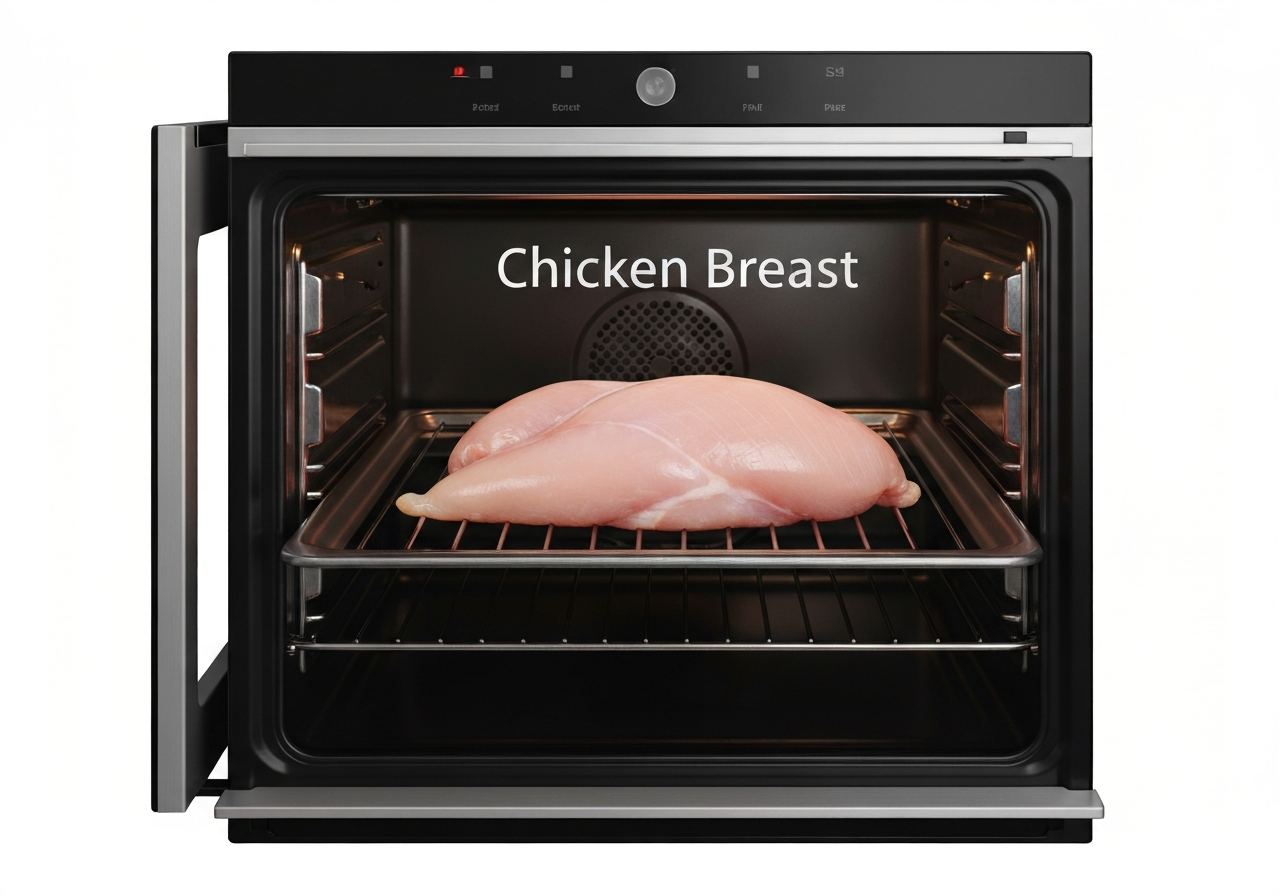
Beyond its well-known protein content, chicken breast, particularly when oven-baked, is a rich source of an array of micronutrients vital for numerous bodily functions. A 100-gram (3.5-ounce) serving of cooked, skinless chicken breast offers a dense nutritional package.
| Nutrient | Amount per 100g (cooked, skinless) | Health Benefit The Definitive Guide to Oven-Baked Chicken Breast: Beyond Macros for Optimal Health
Oven-baked chicken breast is a cornerstone of health-conscious diets, revered for its lean protein content and versatility. But its true value extends far beyond basic macronutrient tracking. As lead nutrition researchers for JustMacros, we delve into the science-backed health outcomes, crucial micronutrients, and profound benefits that make "Chicken Breast In Oven" a powerhouse for overall well-being.
Executive Summary
Yes, oven-baked chicken breast is an exceptional dietary component for enhancing overall health, primarily due to its rich supply of high-quality protein and essential micronutrients. This preparation method locks in vital compounds, supporting muscle synthesis, metabolic function, and immune defense. The #1 "Hero Nutrient" in chicken breast, Niacin (Vitamin B3), is critical for energy production and cellular health, making it a key driver of the health benefits associated with this lean protein.
Niacin (Vitamin B3) in a 3.5-ounce (100-gram) serving of cooked, skinless chicken breast provides approximately 60% of the daily value, playing a pivotal role in over 400 enzymes involved in metabolism and DNA repair.
Nutritional Profile: A Micronutrient Deep Dive
Beyond its well-known protein content, chicken breast, particularly when oven-baked, is a rich source of an array of micronutrients vital for numerous bodily functions. A 100-gram (3.5-ounce) serving of cooked, skinless chicken breast offers a dense nutritional package.
| Nutrient | Amount per 100g (cooked, skinless) | Health Benefit ## Chicken Breast In Oven: A Science-Backed Guide to Micronutrient-Rich Eating
The simple act of cooking chicken breast in the oven can unlock a profound spectrum of health benefits that extend far beyond its reputation as a protein source. At JustMacros, we emphasize that true nutritional impact lies in understanding the synergy of micronutrients and their physiological roles. This guide delves into how strategically incorporating oven-baked chicken breast can significantly enhance overall health outcomes.
Executive Summary
Oven-baked chicken breast is an exceptional dietary component for enhancing overall health, primarily due to its rich supply of high-quality protein and essential micronutrients. This preparation method, when done correctly, helps to retain vital compounds, supporting muscle synthesis, metabolic function, and immune defense. The #1 "Hero Nutrient" in chicken breast, Niacin (Vitamin B3), is critical for energy production, nervous system function, and cellular health, making it a key driver of the health benefits associated with this lean protein.
A 3.5-ounce (100-gram) serving of cooked, skinless chicken breast provides approximately 60% of the daily value for Niacin (Vitamin B3). Niacin plays a pivotal role in over 400 enzymes involved in the breakdown of fats, carbohydrates, proteins, and alcohol, as well as DNA repair and antioxidant systems.
Nutritional Profile: A Micronutrient Deep Dive
Beyond its well-known protein content, chicken breast, particularly when oven-baked, is a rich source of an array of micronutrients vital for numerous bodily functions. A 100-gram (3.5-ounce) serving of cooked, skinless chicken breast offers a dense nutritional package.
| Nutrient | Amount per 100g (cooked, skinless) | Health Benefit |
|---|---|---|
| Protein | ~31-32g | Essential for muscle growth, repair, satiety, and hormone production. |
| Niacin (Vitamin B3) | ~11.4-13.7mg (60-81% DV) | Crucial for energy metabolism, nervous system function, and DNA repair. May protect against cardiovascular disease. |
| Vitamin B6 | ~0.5-1.31mg (29-89% DV) | Involved in over 100 enzyme reactions, including protein metabolism, neurotransmitter production, and immune function. |
| Selenium | ~28.4-58mcg (41-82% DV) | A powerful antioxidant, vital for thyroid hormone metabolism, immune defense, and DNA synthesis. |
| Phosphorus | ~228-342mg (19-27% DV) | Essential for bone and teeth health, energy storage and utilization, and cell membrane integrity. |
| Choline | ~21-166mg (15-21% DV) | Important for brain health, liver function, and neurotransmitter synthesis. |
| Zinc | ~0.9-1.4mg (6-12% DV) | Supports immune function, protein synthesis, and wound healing. |
| Riboflavin (B2) | ~0.2-0.27mg (14-16% DV) | Plays a key role in energy production and cellular growth. |
| Pantothenic Acid (B5) | ~1.7-2.2mg (30-34% DV) | Involved in fatty acid synthesis and metabolism of carbohydrates and proteins. |
| Potassium | ~256-486mg (7-10% DV) | Crucial for fluid balance, nerve signals, and muscle contractions. |
DV = Daily Value. Values can vary based on preparation and specific source.
Top 5 Health Benefits
1. Superior Muscle Growth and Repair
Oven-baked chicken breast is an exceptional source of high-quality complete protein, providing all nine essential amino acids necessary for muscle protein synthesis. These amino acids are the building blocks your body needs to repair muscle tissue after exercise and stimulate new growth.
A 100-gram serving of cooked, skinless chicken breast provides approximately 31-32 grams of protein. This makes it an ideal food for athletes, active individuals, and anyone seeking to maintain or increase muscle mass. The bioavailability of chicken protein is high, ensuring efficient utilization by the body.
The biological mechanism involves the absorption of amino acids in the digestive tract, which are then transported to muscle cells. Here, they are reassembled into new muscle proteins, a process directly influenced by resistance training and adequate protein intake.
2. Enhanced Energy Metabolism
Chicken breast is particularly rich in B vitamins, especially Niacin (B3) and Vitamin B6, which are fundamental to the body's energy production pathways.
- Niacin (Vitamin B3): This vital nutrient acts as a precursor to coenzymes NAD (nicotinamide adenine dinucleotide) and NADP (nicotinamide adenine dinucleotide phosphate). These coenzymes are essential for over 400 enzymatic reactions, including those that convert carbohydrates, fats, and proteins into adenosine triphosphate (ATP), the primary energy currency of the cell. A sufficient intake of niacin supports efficient energy utilization and helps combat fatigue.
- Vitamin B6: Pyridoxine, or Vitamin B6, is involved in carbohydrate and protein metabolism, facilitating the release of glucose from glycogen and supporting ATP production in the Krebs cycle. It also aids in the formation of hemoglobin, which carries oxygen to muscles, further supporting energy production.
3. Robust Immune System Support
The immune system relies on a steady supply of specific micronutrients to function optimally, and oven-baked chicken breast delivers key players like Selenium and Zinc.
- Selenium: This trace mineral is integral to the production of selenoproteins, which act as powerful antioxidants (e.g., glutathione peroxidase) and play crucial roles in immune response, reducing oxidative stress, and supporting inflammatory control. Adequate selenium intake helps protect immune cells from damage and enhances their ability to fight off infections.
- Zinc: Essential for the development and function of immune cells, including T-lymphocytes and natural killer cells. Zinc deficiency can impair immune function, making individuals more susceptible to infections. Chicken breast contributes meaningfully to daily zinc requirements, supporting a resilient immune system.
4. Optimized Thyroid Function
Selenium, found abundantly in chicken breast, is a critical component for healthy thyroid gland function. The thyroid produces hormones that regulate metabolism, growth, and development.
The thyroid gland has the highest concentration of selenium per gram of tissue compared to any other organ in the body.
Selenium is necessary for the conversion of inactive thyroid hormone (T4) to its active form (T3), a process vital for metabolic regulation. Insufficient selenium can impair thyroid hormone synthesis and metabolism, potentially leading to suboptimal thyroid function. By providing a consistent source of this trace mineral, oven-baked chicken breast contributes to the maintenance of a well-functioning thyroid, impacting energy levels, body temperature, and overall metabolic rate.
5. Strong Bone Health
While often associated with dairy, protein plays a crucial role in bone health, and chicken breast provides both protein and phosphorus, which are essential for maintaining strong bones.
- Protein: Adequate protein intake is vital for bone density and strength. It forms the organic matrix of bone, providing a scaffold upon which minerals are deposited. Studies indicate that diets sufficient in protein are associated with better bone mineral density and reduced fracture risk.
- Phosphorus: This mineral is the second most abundant in the body, with about 85% found in bones and teeth. Phosphorus, along with calcium, forms calcium phosphate, the primary structural component of bones and teeth. A 100-gram serving of cooked chicken breast is a good source of phosphorus, contributing to the structural integrity and repair of the musculoskeletal system.
Best Ways to Eat for Maximum Absorption
To maximize the health benefits and nutrient absorption from chicken breast, cooking methods and food pairings are crucial.
- Raw vs. Cooked: Chicken breast should always be cooked to an internal temperature of at least 165°F (74°C) to eliminate harmful bacteria and ensure food safety. Cooking also makes the protein more digestible.
- Oven Baking for Nutrient Retention: Oven baking is a healthy cooking method that, when managed correctly, helps preserve nutrients. Using lower temperatures (around 325-350°F or 160-170°C) for a slightly longer duration can minimize nutrient loss compared to very high-heat methods. Wrapping the chicken in parchment paper or foil (en papillote) during baking can trap steam and moisture, helping to retain water-soluble vitamins and minerals. Aim for a juicy product, as overcooking can dry out the meat and potentially reduce nutrient quality.
- Food Pairings for Enhanced Absorption:
- Vitamin C: Pair chicken breast with vitamin C-rich foods like bell peppers, broccoli, or citrus fruits. While chicken provides some iron, non-heme iron absorption (found in plant sources) can be significantly boosted by Vitamin C.
- Healthy Fats: Incorporate healthy fats like avocado or olive oil. While chicken breast is lean, a small amount of healthy fat can aid in the absorption of fat-soluble vitamins (though chicken breast itself is not a primary source of these).
- Variety of Vegetables: A diverse array of vegetables provides additional vitamins, minerals, and antioxidants that synergistically support overall health.
- Recommended Daily Dosage for Health Benefits: The ideal intake varies based on individual activity levels, body weight, and health goals. For most adults aiming for general health and muscle maintenance, a serving of 3-6 ounces (approximately 85-170 grams) of cooked chicken breast per day can significantly contribute to protein and micronutrient needs. For specific fitness goals like muscle building, protein intake may be higher, often guided by body weight (e.g., 0.8 to 1.2 grams of protein per pound of body weight daily).
Potential Side Effects & Risks
While oven-baked chicken breast is generally a safe and healthy food, certain considerations are important:
- Foodborne Illness: Raw chicken can harbor bacteria like Salmonella and Campylobacter. Proper cooking to an internal temperature of 165°F (74°C) is crucial to prevent foodborne illness. Cross-contamination should also be avoided by using separate cutting boards and utensils for raw poultry.
- Overconsumption of Protein: While rare, excessive protein intake from any source can potentially lead to digestive issues like constipation if fiber intake is insufficient. Very high protein diets (over 20% of calories) have been linked to potential weight gain if total caloric intake is also high. Balanced eating with sufficient fiber from fruits, vegetables, and whole grains is recommended.
- Cooking Byproducts: High-temperature cooking, especially charring or direct flame exposure, can lead to the formation of harmful compounds like heterocyclic amines (HCAs) and polycyclic aromatic hydrocarbons (PAHs), which have been linked to increased cancer risk. Oven baking at moderate temperatures and avoiding burning can mitigate this risk. Marinating chicken before cooking can also help reduce the formation of these compounds.
- Cholesterol and Saturated Fat: While skinless chicken breast is low in saturated fat and a lean protein, consuming chicken with the skin on or using unhealthy cooking fats can increase fat and cholesterol intake. While dietary cholesterol's impact on blood cholesterol is complex, opting for skinless and lean preparation is generally advisable for cardiovascular health.
- Purine Content: Chicken breast has a moderate purine content (170-230mg per 100g cooked). Individuals with gout who need to manage uric acid levels might need to monitor their intake as part of an overall diet strategy.
Chicken Breast In Oven vs. The Competition
When comparing oven-baked chicken breast to other lean protein sources, its nutritional profile and benefits often stand out. Let's compare it to oven-baked turkey breast, a popular alternative.
| Feature | Oven-Baked Chicken Breast (100g cooked, skinless) | Oven-Baked Turkey Breast (100g cooked, skinless) |
|---|---|---|
| Calories | ~165-166 | ~135-165 |
| Protein | ~31-32g | ~27-30g |
| Fat (Total) | ~3.2-3.6g | ~1.0-3.6g |
| Niacin (B3) | Higher (60-81% DV) | Slightly Lower (e.g., 60% DV for 3oz) |
| Vitamin B6 | Higher (29-89% DV) | Similar, but chicken may contain slightly more |
| Selenium | Excellent Source (41-82% DV) | Excellent Source (e.g., 50% DV for 3oz) |
| Phosphorus | Excellent Source (19-27% DV) | Excellent Source (e.g., 18% DV) |
| Taste/Texture | Generally blander, versatile | Slightly more distinct flavor, firmer texture |
Both chicken and turkey breast are excellent choices for lean protein, offering similar benefits for muscle growth and satiety.
- Chicken breast often has a slight edge in protein per 100g and may contain marginally higher amounts of niacin and vitamin B6.
- Turkey breast is typically slightly lower in calories and fat, making it an excellent choice for those with stricter caloric goals. Darker cuts of turkey may offer more Vitamin B12 and zinc.
Ultimately, the choice between chicken and turkey breast comes down to personal preference, specific dietary goals, and flavor profile. Both are highly nutritious and can be integral parts of a healthy diet.
FAQs
Q1: Is oven baking the healthiest way to cook chicken breast?
A1: Oven baking is considered a healthy cooking method, especially when done at moderate temperatures and without excessive oil or charring. Other healthy methods include steaming, poaching, and stir-frying, which can also help retain nutrients.
Q2: Does cooking chicken breast in the oven reduce its protein content?
A2: While cooking can lead to a slight reduction in overall moisture content, making the protein more concentrated by weight, the protein content itself is generally resilient to cooking. Studies show that protein levels are largely maintained during common cooking methods like baking.
Q3: How can I prevent chicken breast from drying out in the oven?
A3: To ensure juicy oven-baked chicken breast, consider pounding it to an even thickness, marinating it, and using a meat thermometer to cook it to an internal temperature of 165°F (74°C). Avoid overcooking, and allow the chicken to rest for a few minutes after baking to redistribute juices. Wrapping it in foil or parchment paper can also help retain moisture.
Q4: Are there any specific risks associated with consuming chicken breast regularly?
A4: Consuming chicken breast regularly as part of a balanced diet is generally healthy. However, some studies suggest that very high poultry intake (over 300 grams per week) might be associated with a slightly increased risk of gastrointestinal cancers and all-cause mortality, though these findings often warrant further investigation and context regarding cooking methods and overall dietary patterns. High-temperature cooking that results in charring can create carcinogens.
Q5: Can oven-baked chicken breast help with weight loss?
A5: Yes, oven-baked chicken breast is highly beneficial for weight loss. Its high protein content promotes satiety, helping you feel full for longer and reducing overall calorie intake. As a lean protein, it provides essential nutrients with minimal fat and calories, making it an excellent choice for managing weight effectively.
Conclusion
Oven-baked chicken breast transcends its reputation as a mere dietary staple, emerging as a multifaceted superfood rich in essential micronutrients that underpin critical physiological functions. Its robust profile of high-quality protein, niacin, vitamin B6, selenium, and phosphorus makes it an invaluable asset for muscle growth, energy metabolism, immune resilience, thyroid health, and bone strength. By understanding and optimizing its preparation and integration into a balanced diet, individuals can harness its profound health benefits.
Track your chicken breast in oven intake and monitor your nutrient targets with the free JustMacros app.