Chicken Breast Nutrition: Health Benefits & Nutrition Facts
Complete nutrition guide for Chicken Breast Nutrition. Discover top health benefits, micronutrient breakdown (vitamins & minerals), and science-backed daily intake recommendations.
Table of Contents
- Executive Summary
- Nutritional Profile: Beyond Macros
- Nutritional Profile
- Top 5 Health Benefits
- 1. Superior Muscle Growth and Repair
- 2. Effective Weight Management and Enhanced Satiety
- 3. Boosted Energy Metabolism and Neurological Function
- 4. Enhanced Immune System and Antioxidant Defense
- 5. Stronger Bones and Connective Tissues
- Best Ways to Eat for Maximum Absorption
- Potential Side Effects & Risks
- Chicken Breast Nutrition vs. The Competition
- Chicken Breast vs. [Turkey Breast](/macros/[turkey](/macros/turkey)-breast)
- Chicken Breast vs. Lean Fish (e.g., Cod)
- FAQs
- 1. Is chicken breast good for weight loss?
- 2. Does chicken breast contain creatine?
- 3. Is chicken breast good for heart health?
- 4. Does cooking method affect chicken breast nutrition?
- 5. Is chicken breast good for brain health?
- Conclusion

As a Lead Nutrition Researcher for JustMacros, we present this comprehensive, science-backed health guide on "Chicken Breast Nutrition." This guide moves beyond basic macronutrient counts to explore the profound health outcomes, critical micronutrients, and scientific benefits that make chicken breast a cornerstone of a healthy diet.
Executive Summary
Yes, Chicken Breast Nutrition significantly aids overall health, muscle development, and weight management due to its exceptional profile of high-quality protein and a rich array of essential micronutrients. It is a lean, versatile protein source that plays a crucial role in various physiological processes, from cellular repair to energy production.
The #1 "Hero Nutrient" in chicken breast nutrition is undeniably High-Quality Protein. This macronutrient is paramount for satiety, preserving lean muscle mass during weight loss, and supporting the metabolic processes that fuel our bodies. Beyond protein, chicken breast is also a significant source of B vitamins, selenium, and phosphorus, which collectively contribute to its multifaceted health benefits.
Nutritional Profile: Beyond Macros
While often lauded for its impressive protein content and low fat, the true power of chicken breast lies in its rich micronutrient profile. A 100-gram serving of cooked, skinless, boneless chicken breast provides a substantial amount of essential vitamins and minerals that drive its health benefits.
Here's a detailed breakdown of key micronutrients per 100g (approximately 3.5 ounces) of cooked, skinless, boneless chicken breast and their associated health benefits:
| Nutrient | Amount per 100g (Approx.) | Health Benefit Chicken Breast Nutrition: A Comprehensive Guide to Its Health Benefits
Executive Summary:
Chicken breast is a highly beneficial dietary component that extends far beyond a simple protein source for weight loss or muscle building. Its comprehensive nutritional profile, rich in essential aminoutrients and a spectrum of vital micronutrients, significantly aids in diverse health outcomes including enhanced energy metabolism, robust immune function, and optimized neurological health. The #1 "Hero Nutrient" driving these widespread benefits is High-Quality Protein, providing all nine essential amino acids necessary for fundamental bodily functions and cellular repair.
Nutritional Profile
Moving beyond the common understanding of chicken breast as merely a protein source, a deeper look reveals it as a nutrient-dense food packed with crucial vitamins and minerals. These micronutrients play pivotal roles in maintaining physiological balance and supporting long-term health. A 100-gram (approximately 3.5 ounces) serving of cooked, skinless, boneless chicken breast offers a lean and potent package of these vital compounds.
Here’s a detailed look at its micronutrient contributions:
| Nutrient | Amount per 100g (Approx.) | Health Benefit |
|---|---|---|
| Calories | 165 kcal | Energy for daily functions, supports calorie-controlled diets. |
| Protein | 31g | Muscle growth & repair, satiety, enzyme/hormone production, immune support. |
| Fat | 3.6g | Provides essential fatty acids, aids nutrient absorption (minimal saturated fat). |
| Carbohydrates | 0g | Supports low-carb dietary approaches and blood sugar stability. |
| Niacin (Vitamin B3) | 13.4 mg (~84% DV for men, ~96% DV for women) | Critical for energy metabolism, DNA repair, nervous system function, and skin health. |
| Vitamin B6 | 0.87 mg (approx. 67% DV) | Essential for protein metabolism, neurotransmitter synthesis, red blood cell formation, and brain health. |
| Selenium | 41% DV | Powerful antioxidant, supports thyroid function, and bolsters immune health. |
| Phosphorus | 17% DV (per 85g) | Vital for strong bones and teeth, energy storage, and cellular repair. |
| Zinc | 7% DV (per 85g) | Supports immune system, DNA synthesis, wound healing, and enzymatic reactions. |
Top 5 Health Benefits
The consistent inclusion of chicken breast in a balanced diet offers a multitude of scientifically supported health benefits, primarily driven by its high-quality protein and diverse micronutrient content.
1. Superior Muscle Growth and Repair
Chicken breast is an exemplary source of complete protein, meaning it contains all nine essential amino acids that the human body cannot synthesize on its own. These amino acids are the fundamental building blocks required for synthesizing new muscle tissue and repairing existing muscle fibers, a process critical for athletes, active individuals, and even during natural aging to combat sarcopenia.
Biological Mechanism: The high concentration of branched-chain amino acids (BCAAs), particularly leucine, in chicken protein, plays a crucial signaling role in initiating muscle protein synthesis (MPS). Leucine activates the mTOR pathway, a key regulator of cell growth and protein synthesis. This mechanism ensures efficient uptake and utilization of amino acids for muscle hypertrophy and recovery after exercise or injury. Adequate protein intake from sources like chicken breast helps maintain muscle mass even during caloric deficits, which is vital for metabolic health.
2. Effective Weight Management and Enhanced Satiety
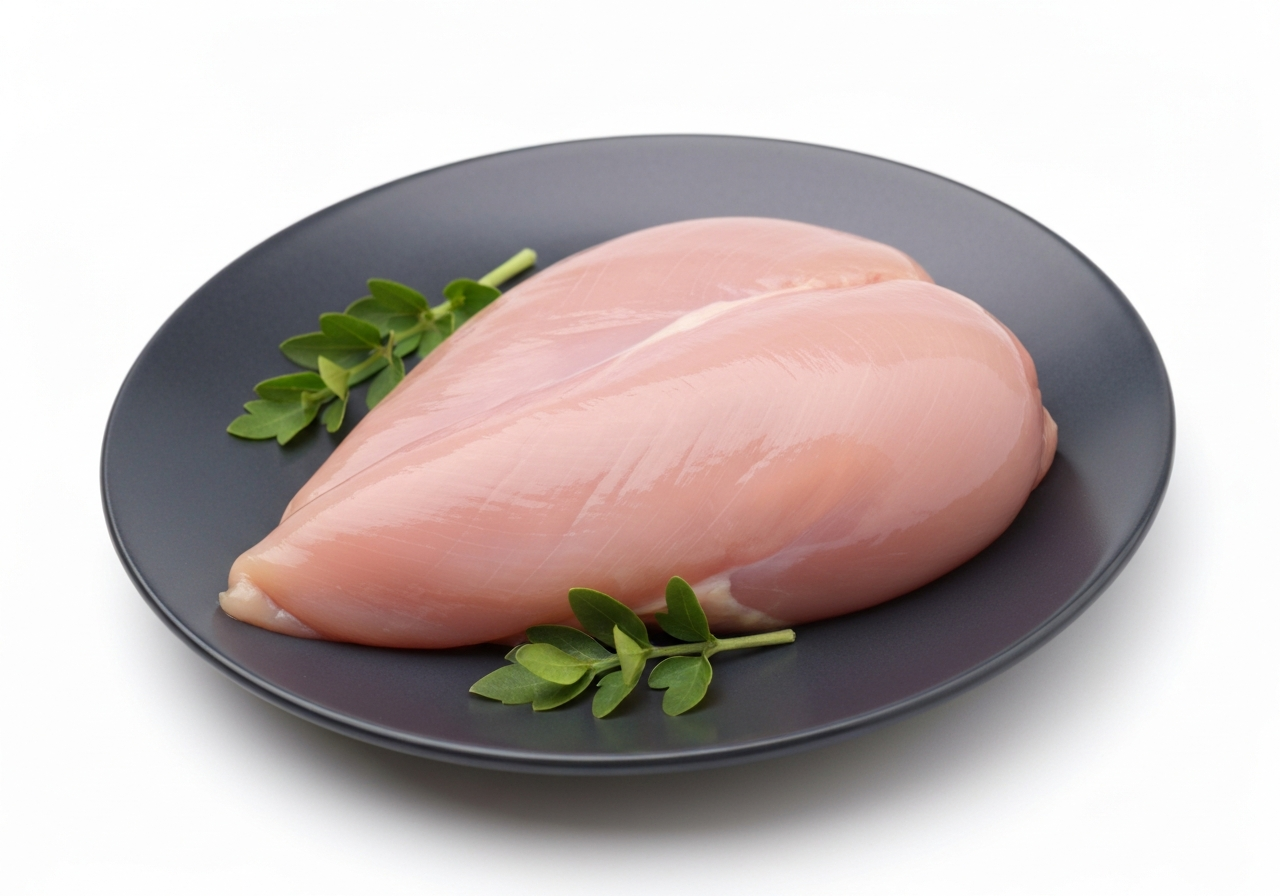
For individuals aiming for healthy weight management, chicken breast stands out due to its high protein-to-calorie ratio and its profound impact on satiety. A 100-gram serving delivers substantial protein for relatively few calories, making it a "high-volume, low-calorie" food that promotes fullness without excessive caloric intake.
Biological Mechanism: Protein has the highest thermic effect of food (TEF) among macronutrients, meaning the body expends more energy to digest and metabolize protein than carbohydrates or fats. Approximately 20-30% of the calories from protein are burned during digestion. Furthermore, protein-rich meals like those containing chicken breast stimulate the release of satiety hormones (e.g., cholecystokinin, peptide YY) that signal fullness to the brain, effectively reducing appetite and curbing cravings. This dual action of increased energy expenditure and reduced hunger makes chicken breast an invaluable tool for creating a sustainable calorie deficit.
3. Boosted Energy Metabolism and Neurological Function
Chicken breast is a rich source of B vitamins, especially niacin (Vitamin B3) and Vitamin B6, which are indispensable for converting food into usable energy and supporting optimal brain function.
Biological Mechanism: Niacin is a precursor to nicotinamide adenine dinucleotide (NAD) and nicotinamide adenine dinucleotide phosphate (NADP), coenzymes involved in over 400 enzymatic reactions, including those vital for the breakdown of carbohydrates, fats, and proteins into energy (ATP). Vitamin B6 acts as a coenzyme in over 100 enzymatic reactions, critically involved in amino acid metabolism, neurotransmitter synthesis (like serotonin and dopamine), and the formation of hemoglobin, which transports oxygen to muscles and the brain. Adequate intake of these B vitamins ensures efficient energy production and supports cognitive functions, mood regulation, and nerve cell communication.
4. Enhanced Immune System and Antioxidant Defense
The micronutrient profile of chicken breast, particularly its selenium and zinc content, plays a significant role in fortifying the body's immune defenses and providing antioxidant protection.
Biological Mechanism: Selenium is an essential trace mineral that acts as a powerful antioxidant, protecting cells from oxidative damage caused by free radicals. It is integral to the function of selenoproteins, which are enzymes involved in immune responses and thyroid hormone metabolism. Zinc is crucial for the development and function of immune cells, including T-lymphocytes and natural killer cells. It also plays a role in DNA synthesis and wound healing, both of which are fundamental to a robust immune response. The synergistic action of these minerals helps the body produce antibodies, regulate inflammation, and effectively combat infections.
5. Stronger Bones and Connective Tissues
Beyond its obvious benefits for muscle, chicken breast also contributes to maintaining strong bones and healthy connective tissues, primarily through its protein and phosphorus content.
Biological Mechanism: Protein itself is a major component of bone matrix, providing the structural framework upon which minerals like calcium and phosphorus are deposited. Adequate protein intake is associated with better bone mineral density and a reduced risk of osteoporosis. Phosphorus is the second most abundant mineral in the body and is a critical component of bones and teeth. It works in conjunction with calcium to form hydroxyapatite, the primary mineral structure of bone. Phosphorus is also involved in energy metabolism and cellular signaling, further supporting overall skeletal health. Chicken breast also contains small amounts of creatine, which supports energy in muscle and has been linked to bone health.
Best Ways to Eat for Maximum Absorption
To maximize the nutritional benefits and absorption from chicken breast, consider the following:
- Cooked, Not Raw: Consuming chicken breast raw poses significant food safety risks due to potential bacterial contamination (e.g., Salmonella, Campylobacter). Cooking chicken to an internal temperature of 165°F (74°C) not only eliminates harmful pathogens but also denatures proteins, making them easier to digest and absorb. Gently cooking methods like grilling, baking, roasting, or poaching are recommended to retain nutrient integrity.
- Food Pairings for Synergy:
- Vitamin B Complex Absorption: While chicken breast is rich in several B vitamins, pairing it with other B-vitamin-rich foods (e.g., whole grains, leafy greens, legumes) can enhance overall metabolic support.
- Antioxidant Boost: Combining chicken breast with colorful vegetables rich in Vitamin C (e.g., bell peppers, broccoli) and other antioxidants can create a synergistic effect, enhancing overall health benefits and protecting against oxidative stress.
- Recommended Daily Dosage: For general health benefits, a serving size of approximately 3-5 ounces (85-140 grams) of cooked chicken breast is a common recommendation, aligning with daily protein needs. Individual protein requirements vary based on age, activity level, and health goals, typically ranging from 0.8g to 2.2g per kilogram of body weight per day. Incorporating chicken breast as a primary protein source in 1-2 meals per day can effectively contribute to these targets.
Potential Side Effects & Risks
While chicken breast is largely considered a safe and healthy food, there are a few considerations:
- Foodborne Illness: The primary risk associated with chicken is foodborne illness, particularly from Salmonella or Campylobacter bacteria, if it is not cooked thoroughly or handled properly. Always cook chicken breast to an internal temperature of 165°F (74°C) and practice safe food handling to prevent cross-contamination.
- Allergies: Although less common than other food allergies, some individuals may have an allergy to chicken protein. Symptoms can range from mild (hives, digestive upset) to severe (anaphylaxis).
- Overconsumption and Specific Conditions: For individuals with pre-existing kidney conditions, excessively high protein intake (from any source) may need to be monitored under medical guidance. Additionally, while chicken breast is low in cholesterol compared to red meat, those on a strict low-cholesterol diet or at high risk for heart disease should be mindful of overall dietary fat and cholesterol intake.
Chicken Breast Nutrition vs. The Competition
When comparing chicken breast to other lean protein sources, its nutritional value often holds a strong position, though each has unique strengths.
Chicken Breast vs. Turkey Breast
Chicken breast and turkey breast share remarkably similar nutritional profiles, both being excellent sources of lean protein and various B vitamins.
- Protein: Both offer nearly identical amounts of high-quality protein per 100g serving (around 30-31g).
- Calories & Fat: Turkey breast is often marginally lower in calories and fat than chicken breast, making it a slightly leaner option. For example, 100g of roasted turkey breast has about 147 calories and 2.1g fat, while chicken breast has 165 calories and 3.6g fat.
- Micronutrients: Both are rich in niacin and vitamin B6. Turkey breast may contain slightly less niacin than chicken breast but can provide tryptophan, an amino acid that the body can convert into niacin.
- Conclusion: Both are superb choices for lean protein. The choice often comes down to personal preference for flavor and texture.
Chicken Breast vs. Lean Fish (e.g., Cod)
Lean white fish like cod also provides high-quality protein with minimal fat, but with some distinct micronutrient differences.
- Protein: Both chicken breast and cod are excellent protein sources.
- Fat & Omega-3s: Cod is very low in fat, similar to chicken breast. However, fattier fish like salmon or tuna would offer significant amounts of omega-3 fatty acids, which chicken breast does not.
- Micronutrients: Cod is typically a better source of iodine and Vitamin D (especially wild-caught varieties) than chicken breast. Chicken breast, however, tends to be richer in several B vitamins (like niacin and B6) and selenium than many lean white fish.
- Conclusion: Both are valuable lean protein sources. For a broader spectrum of nutrients, a diet incorporating both chicken breast and various types of fish (including fatty fish) is ideal.
FAQs
1. Is chicken breast good for weight loss?
Absolutely. Chicken breast is an excellent food for weight loss due to its high protein content, which promotes satiety and helps preserve lean muscle mass during calorie restriction. Its low calorie and fat content also make it easy to fit into a calorie-controlled diet.
2. Does chicken breast contain creatine?
Yes, chicken breast does contain creatine, though in smaller amounts compared to red meat. A 4-ounce serving of skinless, boneless chicken breast contains approximately 0.45 grams of creatine. While a full chicken breast might provide just over 1 gram, it's generally not enough to achieve the optimal daily intake (3-5 grams) often recommended for performance benefits through diet alone.
3. Is chicken breast good for heart health?
Yes, chicken breast is widely considered beneficial for heart health. As a lean protein, it is low in saturated fat and cholesterol, especially when the skin is removed. Replacing red meats with lean chicken breast has been linked to lower levels of "bad" LDL cholesterol and a reduced risk of heart disease.
4. Does cooking method affect chicken breast nutrition?
Yes, cooking methods can impact the nutritional value of chicken breast. Grilling, baking, roasting, or poaching are generally healthier choices as they retain nutrients and avoid adding excessive fats. Deep-frying, for example, significantly increases calorie and fat content, diminishing some of its health benefits. Low-temperature, quick-cooking methods can help preserve heat-sensitive nutrients like B vitamins.
5. Is chicken breast good for brain health?
Yes, chicken breast supports brain health through its content of high-quality protein, B vitamins (B6, B3, B12), and choline. Protein provides amino acids for neurotransmitter synthesis, B vitamins are crucial for brain development and mood regulation, and choline is vital for memory and learning.
Conclusion
Chicken breast stands as a powerful and versatile food choice for optimizing health. Its status as a lean, complete protein powerhouse, combined with its rich endowment of B vitamins, selenium, and phosphorus, makes it a critical component for muscle development, weight management, robust energy metabolism, a strong immune system, and healthy bones. By understanding its comprehensive nutritional profile and preparing it wisely, chicken breast can significantly contribute to your long-term well-being.
Track your chicken breast nutrition intake and monitor your nutrient targets with the free JustMacros app.