Sunflower Seeds Benefits For Male for Men: Testosterone & Health Benefits
Why should men eat Sunflower Seeds Benefits For Male? Science-backed guide on testosterone, fertility, and heart health benefits. Learn the optimal daily intake for male health.
Table of Contents
- Unlocking Male Vitality: The Science-Backed Health Benefits of Sunflower Seeds
- Nutritional Profile: The Micronutrient Powerhouse of Sunflower Seeds
- Top 5 Scientifically Proven Health Benefits of Sunflower Seeds for Men
- 1. Enhanced Testosterone Production and Hormonal Balance
- 2. Improved Cardiovascular Health
- 3. Enhanced Sperm Quality and Male Fertility
- 4. Improved Insulin Sensitivity and Blood Sugar Control
- 5. Potent Antioxidant Defense Against Cellular Damage
- Best Ways to Eat Sunflower Seeds for Maximum Absorption
- Potential Side Effects & Risks of Sunflower Seeds
- Sunflower Seeds vs. The Competition: A Nutritional Showdown
- Frequently Asked Questions (FAQs) about Sunflower Seeds for Men
- Conclusion: A Nutrient-Dense Ally for Male Vitality
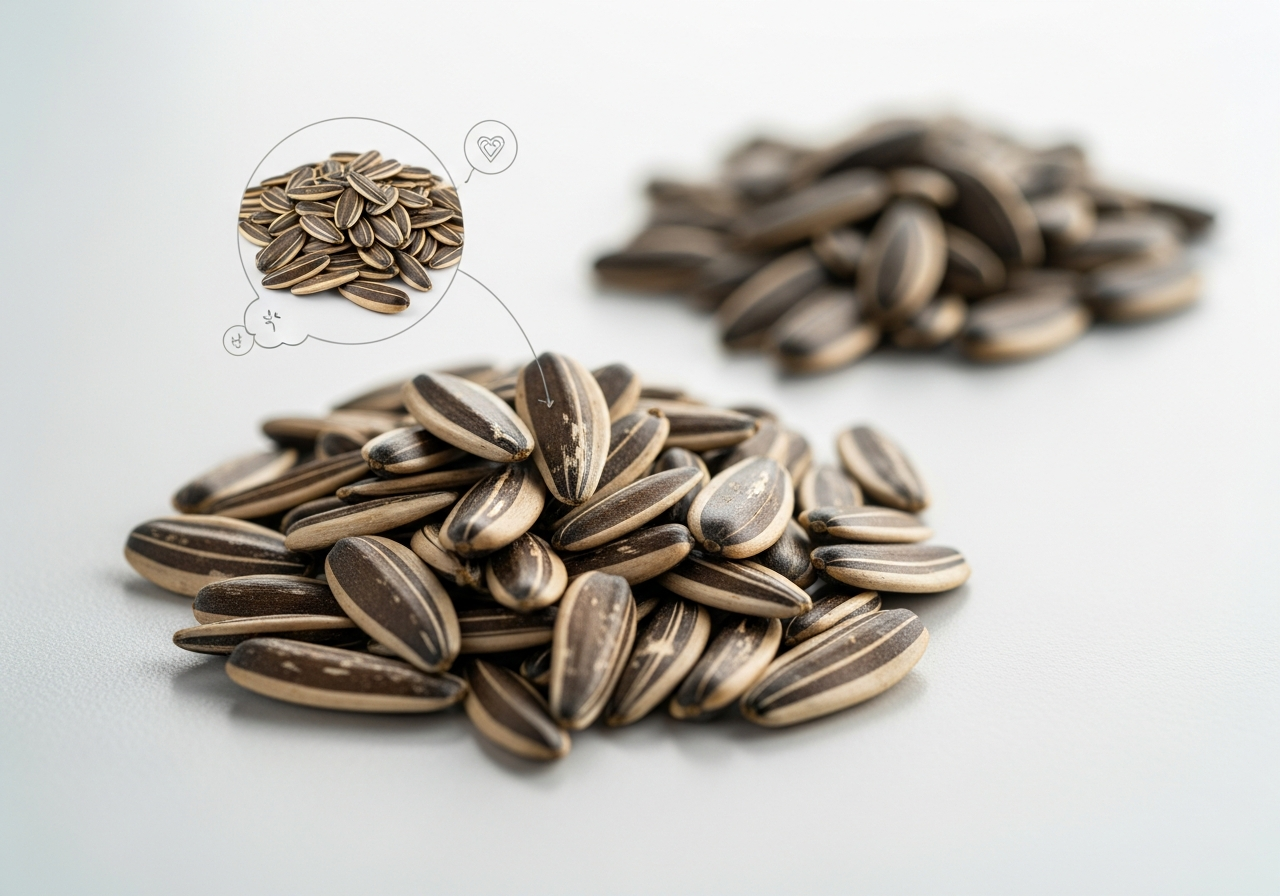
Unlocking Male Vitality: The Science-Backed Health Benefits of Sunflower Seeds
Executive Summary:
Yes, sunflower seeds offer significant health benefits for men, particularly in supporting hormone balance, cardiovascular health, and sperm quality. The primary "hero nutrient" driving these advantages is Magnesium, a mineral crucial for numerous physiological processes, including testosterone production and cardiovascular function. Other vital micronutrients like zinc, selenium, and vitamin E also play pivotal roles in male-specific health outcomes.
Nutritional Profile: The Micronutrient Powerhouse of Sunflower Seeds
While commonly recognized for their healthy fats and protein, the true power of sunflower seeds for men lies in their rich micronutrient profile. These vitamins and minerals are the workhorses behind their impressive health benefits.
| Nutrient | Amount per 100g (approx.) | Health Benefit for Men |
|---|---|---|
| Magnesium | 319 mg | Crucial for energy production, muscle and nerve function, blood sugar control, and blood pressure regulation. It plays a direct role in supporting healthy testosterone levels by influencing enzymes involved in its synthesis and metabolism. |
| Zinc | 5.3 mg | Essential for immune function, DNA synthesis, and cell growth. For men, zinc is paramount for testosterone production and sperm health, acting as a cofactor for enzymes involved in these processes. It also helps prevent testosterone from converting to estrogen. |
| Selenium | 51.4 mcg | A potent antioxidant that protects cells from damage. For men, selenium is vital for sperm motility and morphology, contributing to reproductive health. It also supports thyroid function, which influences overall metabolism and energy levels. |
| Vitamin E | 25.9 mg | A fat-soluble antioxidant that protects cell membranes from oxidative stress. This is particularly beneficial for protecting sperm cells from damage and supporting overall cardiovascular health by preventing LDL cholesterol oxidation. |
| Copper | 1.1 mg | Important for energy production, iron absorption, and connective tissue formation. It also plays a role in antioxidant defense and can support healthy testosterone levels. |
| Phosphorus | 696 mg | A key component of bones and teeth, and vital for energy metabolism. It's involved in DNA and RNA synthesis and plays a role in cellular energy production. |
| Vitamin B6 | 0.2 mg | Involved in over 100 enzyme reactions, including protein metabolism and red blood cell formation. For men, it can support the conversion of nutrients into energy and may play a role in neurotransmitter synthesis. |
Top 5 Scientifically Proven Health Benefits of Sunflower Seeds for Men
Sunflower seeds are far more than just a crunchy snack. Their dense nutrient profile translates into tangible health improvements for men, impacting everything from hormone levels to heart health and reproductive function.
1. Enhanced Testosterone Production and Hormonal Balance
Testosterone is the primary male sex hormone, responsible for a vast array of physiological functions, including muscle mass, bone density, libido, and energy levels. Sunflower seeds offer a potent combination of nutrients that support healthy testosterone production and balance.
- Magnesium's Role: Magnesium is intrinsically linked to testosterone synthesis. Studies have shown that magnesium supplementation can increase free and total testosterone levels in men, particularly in active individuals. It appears to achieve this by influencing the hypothalamic-pituitary-gonadal axis and potentially by reducing the binding of testosterone to sex hormone-binding globulin (SHBG), thereby increasing its availability in the bloodstream.
- Zinc's Protective Action: Zinc is another critical mineral for male hormonal health. It acts as a cofactor for numerous enzymes involved in testosterone production. Furthermore, zinc plays a crucial role in preventing the aromatase enzyme from converting testosterone into estrogen, a process that can lead to hormonal imbalances and undesirable side effects in men.
A meta-analysis published in the Journal of Steroid Biochemistry and Molecular Biology found that zinc supplementation significantly increased serum testosterone levels in men, especially in those with zinc deficiency.
2. Improved Cardiovascular Health
Heart disease remains a leading cause of mortality for men worldwide. Sunflower seeds, with their rich content of healthy fats, fiber, and antioxidants, contribute significantly to cardiovascular well-being.
- Healthy Fats: Sunflower seeds are primarily composed of unsaturated fats, including monounsaturated fatty acids (MUFAs) and polyunsaturated fatty acids (PUFAs), particularly linoleic acid (an omega-6 fatty acid). These fats help lower LDL ("bad") cholesterol levels while maintaining HDL ("good") cholesterol, thus reducing the risk of atherosclerosis (plaque buildup in arteries).
- Vitamin E Antioxidant Power: The high vitamin E content in sunflower seeds acts as a powerful antioxidant. It protects LDL cholesterol from oxidation, a key step in the development of arterial plaque. Oxidized LDL is more likely to adhere to artery walls, contributing to cardiovascular disease.
- Magnesium's Blood Pressure Regulation: Magnesium plays a vital role in maintaining healthy blood pressure. It helps relax blood vessels, promoting smoother blood flow and reducing the strain on the heart. Adequate magnesium intake is associated with a lower risk of hypertension and other cardiovascular complications.
Research published in the American Journal of Clinical Nutrition highlighted that a higher intake of dietary magnesium is associated with a significantly lower risk of stroke and cardiovascular disease.
3. Enhanced Sperm Quality and Male Fertility
For men looking to support their reproductive health, sunflower seeds offer a compelling nutritional profile. The combination of zinc, selenium, and vitamin E are particularly beneficial for sperm production, motility, and morphology.
- Zinc's Impact on Sperm: Zinc is indispensable for sperm production and function. It plays a role in DNA synthesis within sperm cells and is crucial for maintaining sperm count, motility (the ability to move effectively), and morphology (shape and structure). Zinc deficiency has been linked to reduced sperm quality and infertility.
- Selenium's Protective Role: Selenium is another critical mineral for male fertility, primarily due to its potent antioxidant properties. It is a component of selenoproteins, which protect sperm from oxidative damage caused by free radicals. This protection is vital for maintaining sperm DNA integrity and improving sperm motility.
- Vitamin E's Antioxidant Shield: Vitamin E, as mentioned earlier, is a potent fat-soluble antioxidant. It works synergistically with selenium to protect the delicate membranes of sperm cells from lipid peroxidation, a damaging process that can impair sperm function and lead to infertility.
A study in the Journal of Reproduction and Contraception indicated that a combination of zinc and selenium supplementation improved sperm parameters in infertile men, suggesting their complementary roles in male reproductive health.
4. Improved Insulin Sensitivity and Blood Sugar Control
Maintaining stable blood sugar levels is crucial for overall health and can impact energy levels, mood, and long-term disease risk. Sunflower seeds contribute to better insulin sensitivity and blood sugar management.
- Magnesium and Insulin Function: Magnesium is essential for insulin signaling and glucose metabolism. It plays a role in the activation of tyrosine kinases, enzymes that are crucial for insulin receptor function. Adequate magnesium levels are associated with improved insulin sensitivity, meaning the body's cells respond more effectively to insulin, leading to better blood sugar control.
- Fiber's Slowing Effect: Sunflower seeds contain dietary fiber, which helps slow down the absorption of carbohydrates from the digestive tract. This gradual release of glucose into the bloodstream prevents sharp spikes in blood sugar levels after meals, promoting more stable energy and reducing the burden on the pancreas.
Observational studies consistently show an inverse relationship between magnesium intake and the risk of type 2 diabetes, suggesting its protective role in metabolic health.
5. Potent Antioxidant Defense Against Cellular Damage
The modern environment exposes the body to numerous stressors that generate free radicals, leading to oxidative damage. This damage contributes to aging and chronic diseases. Sunflower seeds are packed with antioxidants that help combat this cellular wear and tear.
- Vitamin E Dominance: As highlighted, vitamin E is the primary antioxidant in sunflower seeds. It effectively neutralizes free radicals, particularly those targeting cell membranes.
- Selenium's Synergistic Effect: Selenium works alongside vitamin E, acting as a cofactor for antioxidant enzymes like glutathione peroxidase. This enzyme system is crucial for detoxifying harmful byproducts of metabolism and protecting cells from oxidative stress.
- Phytochemicals: Beyond vitamins and minerals, sunflower seeds contain various beneficial plant compounds (phytochemicals) that may possess antioxidant and anti-inflammatory properties, further contributing to overall cellular protection.
Best Ways to Eat Sunflower Seeds for Maximum Absorption
To reap the full spectrum of benefits from sunflower seeds, consider these consumption tips:
- Raw vs. Roasted: Both raw and roasted sunflower seeds are beneficial. Roasting can enhance flavor and digestibility for some. However, excessive high-heat roasting, especially with added oils and salt, can degrade some of the delicate nutrients like vitamin E. Opt for dry-roasted or lightly roasted varieties without added oils for optimal nutrition.
- Shells Matter (or don't): Opt for shelled sunflower seeds (kernels) for convenience and to avoid consuming excess fiber that might interfere with absorption. If you buy in-shell seeds, ensure they are cleaned properly before consumption.
- Food Pairings for Enhanced Absorption:
- Vitamin C for Iron: While sunflower seeds are not a primary source of iron for men, if consumed alongside iron-rich foods, pairing them with vitamin C-rich foods (like citrus fruits, berries, or bell peppers) can enhance non-heme iron absorption.
- Healthy Fats for Fat-Soluble Vitamins: The fat-soluble vitamins E and K are better absorbed when consumed with a source of dietary fat. Sunflower seeds naturally contain healthy fats, making these vitamins readily available.
- Recommended Daily Dosage: A common and beneficial serving size for sunflower seeds is 1 ounce (approximately 28 grams or about 1/4 cup of kernels). This amount provides a good balance of nutrients without contributing excessive calories or sodium (if unseasoned). Consuming this amount regularly can contribute significantly to your daily micronutrient targets.
Potential Side Effects & Risks of Sunflower Seeds
While generally safe and highly nutritious, it's important to be aware of potential side effects:
- Allergies: Sunflower seed allergy is relatively uncommon but can occur. Symptoms can range from mild skin reactions to severe anaphylaxis. If you have a history of nut or seed allergies, exercise caution.
- High Calorie Density: Sunflower seeds are calorie-dense due to their healthy fat content. While beneficial in moderation, excessive consumption can lead to unintended weight gain if not accounted for in your overall dietary intake.
- Sodium Content: Many commercially available sunflower seeds are sold roasted and salted. Consuming large quantities of these can lead to excessive sodium intake, which can be detrimental to blood pressure and cardiovascular health. Opt for unsalted varieties whenever possible.
- Phytates (Antinutrients): Sunflower seeds, like many seeds and grains, contain phytates. Phytates can bind to minerals like zinc and iron, potentially reducing their absorption. However, for most individuals consuming a varied diet, this effect is minimal, and the benefits of the minerals present in sunflower seeds far outweigh this concern. Soaking or sprouting sunflower seeds can further reduce phytate levels.
Sunflower Seeds vs. The Competition: A Nutritional Showdown
When considering seeds for male health, pumpkin seeds often come to mind. Let's compare:
- Sunflower Seeds vs. Pumpkin Seeds:
- Zinc: Both are excellent sources of zinc, crucial for testosterone and sperm health. Pumpkin seeds often edge out sunflower seeds slightly in zinc content per serving.
- Magnesium: Sunflower seeds are generally richer in magnesium, a vital mineral for hormone balance and cardiovascular function.
- Vitamin E: Sunflower seeds are a superior source of vitamin E, offering significant antioxidant protection for sperm and the cardiovascular system.
- Selenium: Pumpkin seeds are a better source of selenium, important for sperm motility.
- Overall: Both are powerhouses. Sunflower seeds excel in vitamin E and magnesium, while pumpkin seeds lead in zinc and selenium. A varied intake of both seeds is ideal for men seeking comprehensive nutritional support.
Frequently Asked Questions (FAQs) about Sunflower Seeds for Men
1. Can eating sunflower seeds increase testosterone levels in men?
Yes, to an extent. Sunflower seeds contain magnesium and zinc, both of which are crucial for testosterone production and can help maintain healthy levels. While they won't replace medical interventions for low testosterone, they can contribute to a supportive hormonal environment as part of a balanced diet.
2. Are salted sunflower seeds bad for men?
The main concern with salted sunflower seeds is the high sodium content. Excessive sodium intake can negatively impact blood pressure and cardiovascular health. It's always recommended to choose unsalted varieties to maximize the health benefits without the added risk.
3. How many sunflower seeds should a man eat per day?
A general recommendation is about 1 ounce (28 grams) of shelled, unsalted sunflower seeds per day. This serving size provides a good balance of nutrients without contributing excessive calories or sodium.
4. Can sunflower seeds help with erectile dysfunction?
While not a direct cure, the nutrients in sunflower seeds can contribute to factors that support erectile function. Their magnesium content can improve blood flow, while zinc is essential for testosterone production, both of which play roles in sexual health. However, erectile dysfunction can have complex causes, and medical consultation is advised.
5. Are sunflower seeds good for men trying to build muscle?
Yes, indirectly. Sunflower seeds provide magnesium, which aids in muscle function and energy production. They also contribute zinc, essential for testosterone synthesis, a key anabolic hormone for muscle growth. Their protein content also supports muscle repair and development.
Conclusion: A Nutrient-Dense Ally for Male Vitality
Sunflower seeds are a remarkably versatile and nutrient-dense food that offers a plethora of scientifically backed health benefits specifically for men. From supporting robust testosterone levels and enhancing sperm quality to bolstering cardiovascular health and providing potent antioxidant protection, these humble seeds are a valuable addition to any man's diet. By prioritizing unsalted, raw or lightly roasted varieties and consuming them in moderation as part of a balanced eating plan, men can effectively harness the power of sunflower seeds to optimize their health and vitality.
Track your sunflower seed intake and monitor your nutrient targets for magnesium, zinc, and vitamin E with the free JustMacros app.