Pumpkin Seeds Benefits: Health Benefits & Nutrition Facts
Complete nutrition guide for Pumpkin Seeds Benefits. Discover top health benefits, micronutrient breakdown (vitamins & minerals), and science-backed daily intake recommendations.
Table of Contents
- Executive Summary
- Nutritional Profile
- Top 5 Health Benefits
- 1. Cardiovascular Health Support
- 2. Prostate and Bladder Health
- 3. Blood Sugar Regulation
- 4. Enhanced Sleep Quality
- 5. Potent Antioxidant and Anti-inflammatory Effects
- Best Ways to Eat for Maximum Absorption
- Potential Side Effects & Risks
- Pumpkin Seeds vs. The Competition
- FAQs
- Q1: Can pumpkin seeds help with weight loss?
- Q2: Are roasted or raw pumpkin seeds better?
- Q3: Do pumpkin seeds help with inflammation?
- Q4: Can children eat pumpkin seeds?
- Q5: How many pumpkin seeds are too many?
- Conclusion
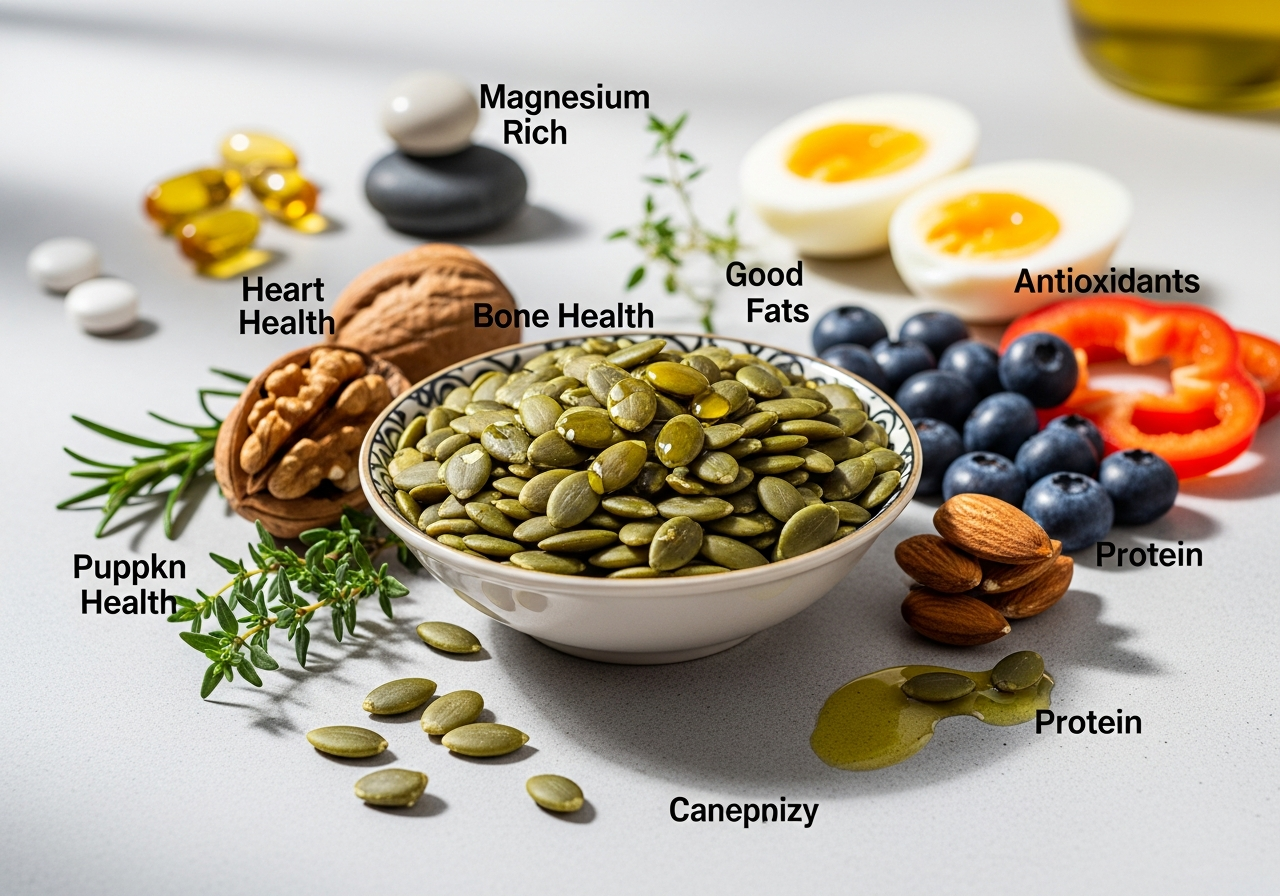
As Lead Nutrition Researcher for JustMacros, I've compiled a comprehensive, science-backed health guide on the profound advantages of incorporating pumpkin seeds into your diet. Moving beyond basic macronutrient tracking, this guide focuses on the specific health outcomes, critical micronutrients, and scientific mechanisms that underscore the benefits of these remarkable seeds.
Executive Summary
Pumpkin seeds, often overlooked, are a nutritional powerhouse that can significantly enhance various aspects of human health. They aid in cardiovascular health, support prostate and bladder function, contribute to blood sugar regulation, improve sleep quality, and offer potent antioxidant and anti-inflammatory effects. The primary "hero nutrient" driving many of these benefits is Magnesium.
Hero Nutrient: Magnesium
Magnesium is a vital mineral involved in over 300 enzymatic reactions in the body, crucial for energy production, muscle and nerve function, blood pressure regulation, heart rhythm, and bone health. Adequate magnesium intake is linked to a lower risk of stroke and death from heart disease.
Nutritional Profile
Pumpkin seeds are far more than just a snack; they are a concentrated source of essential micronutrients (vitamins and minerals) that underpin their health-promoting properties. The values below represent a typical 100g serving of shelled pumpkin seeds.
| Nutrient | Amount per 100g (shelled, roasted, unsalted) | Health Benefit |
|---|---|---|
| Magnesium | 650 mg (155% DV) | Essential for heart health, blood pressure regulation, bone density, muscle and nerve function, and sleep quality. |
| Zinc | 9 mg (82% DV) | Crucial for immune function, prostate health, fertility, wound healing, and brain signaling. |
| Iron | 9.5 mg (53% DV) | Vital for oxygen transport, energy production, and combating fatigue. |
| Phosphorus | 1390 mg (111% DV) | Supports bone and tooth formation, energy metabolism, and cellular repair. |
| Potassium | 930 mg (20% DV) | Important for maintaining fluid balance, nerve signals, and muscle contractions, contributing to healthy blood pressure. |
| Copper | 1.5 mg (167% DV) | Involved in energy production, iron metabolism, and nervous system function. |
| Manganese | 5.3 mg (230% DV) | Acts as an antioxidant, supports bone health, and aids in metabolism. |
| Fiber | 8 g (27% DV) | Promotes digestive health, satiety, blood sugar regulation, and helps lower cholesterol. |
| Tryptophan | Present (not quantified per 100g) | Precursor to serotonin and melatonin, aiding in mood regulation and improved sleep quality. |
| Antioxidants | Flavonoids, phenolic acids, carotenoids, Vitamin E | Protect cells from disease-causing damage, reduce inflammation, and may offer anti-cancer properties. |
| Healthy Fats | Polyunsaturated and monounsaturated fats (Omega-3s, Omega-6s) | Crucial for heart health, reducing bad cholesterol (LDL), and providing essential fatty acids the body cannot produce. |
Top 5 Health Benefits
1. Cardiovascular Health Support
Pumpkin seeds are exceptional for heart health, largely due to their rich content of magnesium, healthy fats, and antioxidants.
The high magnesium content in pumpkin seeds helps lower and stabilize blood pressure. Diets rich in magnesium are linked to a lower risk of stroke and death from heart disease.
The polyunsaturated and monounsaturated fats, including omega-3 and omega-6 fatty acids, help reduce levels of "bad" LDL cholesterol, a significant risk factor for heart disease and stroke. Additionally, the antioxidants in pumpkin seeds contribute to increased nitric oxide levels in the body, which helps keep blood vessels smooth, flexible, and healthy, thereby improving blood flow and reducing the risk of cardiovascular problems. Studies have shown that pumpkin seed oil supplementation can lead to meaningful reductions in blood pressure.
2. Prostate and Bladder Health
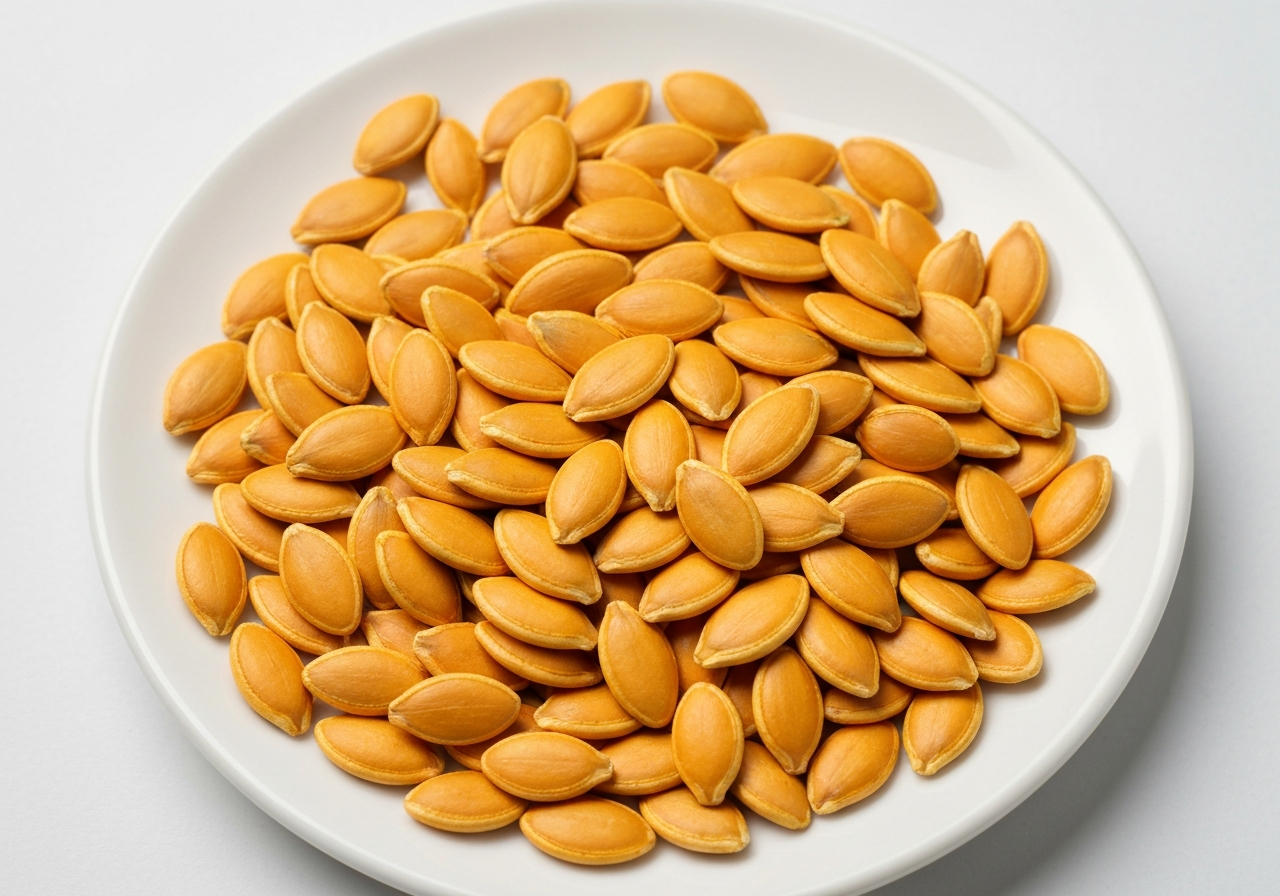
Pumpkin seeds have been extensively studied for their beneficial effects on prostate and bladder health, particularly in men.
Several studies indicate that pumpkin seeds may help alleviate the symptoms of benign prostatic hyperplasia (BPH), a condition characterized by an enlarged prostate gland.
BPH can lead to urinary tract symptoms such as frequent urination or incomplete bladder emptying. Research suggests that compounds within pumpkin seeds, including zinc and specific plant compounds, play a role in this improvement. One study involving 130 men showed that 500 milligrams of pumpkin seed extract twice daily reduced lower urinary tract symptoms from BPH and improved overall quality of life. Furthermore, pumpkin seed oil has been shown to improve symptoms of an overactive bladder, reducing the frequency of urination both day and night.
3. Blood Sugar Regulation
For individuals focused on metabolic health, pumpkin seeds offer significant benefits in blood sugar management.
Pumpkin seeds are rich in magnesium, fiber, and healthy fats, which together contribute to improved insulin sensitivity and stable blood sugar levels.
Magnesium plays a key role in regulating blood sugar. Large observational studies have linked higher magnesium intake to a reduced risk of developing type 2 diabetes. The high fiber content in pumpkin seeds helps slow down digestion and the release of glucose into the bloodstream, preventing sharp blood sugar spikes after meals. A clinical trial demonstrated that consuming meals containing pumpkin seeds significantly reduced postprandial glycemia (blood sugar levels after a meal) by up to 35%. Their low glycemic index further means they release glucose slowly, supporting steady blood sugar control.
4. Enhanced Sleep Quality
Struggling with sleep? Pumpkin seeds may offer a natural solution, primarily due to their tryptophan, magnesium, and zinc content.
Pumpkin seeds are a natural source of tryptophan, an amino acid that acts as a precursor to serotonin, a neurotransmitter that regulates mood, and melatonin, the hormone that controls the sleep-wake cycle.
Consuming tryptophan-rich foods like pumpkin seeds can boost serotonin and melatonin levels, making it easier to fall asleep and stay asleep. Magnesium further contributes to sleep quality by promoting relaxation of nerves and muscles, reducing stress and anxiety, which are common contributors to insomnia. Zinc, also present in pumpkin seeds, has been shown to affect sleep duration and quality by influencing melatonin production and regulating sleep patterns.
5. Potent Antioxidant and Anti-inflammatory Effects
Pumpkin seeds are packed with a variety of antioxidants that combat oxidative stress and reduce inflammation throughout the body.
These seeds contain antioxidants such as flavonoids, phenolic acids, carotenoids, and vitamin E. These compounds protect cells from harmful free radicals and reduce inflammation, which is a underlying factor in many chronic diseases, including type 2 diabetes, heart disease, and arthritis.
The anti-inflammatory properties of pumpkin seeds, supported by their rich antioxidant profile and omega-3 fatty acids, can help alleviate symptoms of inflammatory conditions like arthritis. Laboratory studies also suggest that the high antioxidant levels in pumpkin seeds may contribute to anti-cancer properties, potentially inhibiting the growth of certain cancer cells, such as breast and prostate cancer cells.
Best Ways to Eat for Maximum Absorption
To maximize the nutritional benefits of pumpkin seeds, consider these recommendations:
- Raw vs. Cooked: You can eat pumpkin seeds raw, but roasting them can enhance their flavor and make them easier to digest by reducing phytic acid, which can inhibit nutrient absorption. Soaking or sprouting raw seeds can also reduce phytate levels.
- Food Pairings:
- Pair with Vitamin C: To boost iron absorption from pumpkin seeds, combine them with vitamin C-rich foods like citrus fruits, bell peppers, or berries.
- Healthy Fats: While pumpkin seeds contain healthy fats, consuming them with other healthy fats (like avocado or olive oil in a salad) can aid in the absorption of fat-soluble vitamins they contain, albeit in smaller amounts (like Vitamin E).
- Carbohydrates for Sleep: When consuming pumpkin seeds for sleep benefits, pairing them with a small amount of healthy carbohydrates can facilitate the transport of tryptophan to the brain.
- Recommended Daily Dosage:
- The American Heart Association recommends a quarter cup (approximately 30g or 1 ounce) of pumpkin seeds daily as part of an overall healthy diet. This provides a substantial amount of protein, healthy fats, fiber, zinc, and magnesium.
- For specific conditions like benign prostatic hyperplasia (BPH), 5g of pumpkin seeds twice daily or one to two capsules of pumpkin seed oil/extract products daily may be recommended.
- For improved sleep, consuming around 1g of pumpkin seeds before bed may be beneficial.
- It's important to stick to recommended serving sizes to avoid overconsumption of calories.
Potential Side Effects & Risks
While generally safe and highly beneficial, there are a few considerations when consuming pumpkin seeds:
- Allergies: Although rare, some individuals may experience allergic reactions to pumpkin seeds.
- Antinutrients (Phytates): Pumpkin seeds contain phytic acid (phytate), an antinutrient that can bind to minerals like zinc, iron, and magnesium, potentially reducing their absorption. Soaking, sprouting, or roasting the seeds can help reduce phytate levels and improve nutrient bioavailability.
- Overconsumption Risks:
- Digestive Issues: Due to their high fiber content, consuming too many pumpkin seeds, especially if your body isn't accustomed to high fiber intake, can lead to digestive discomfort such as gas, bloating, or constipation.
- Calorie Density: Pumpkin seeds are calorie-dense. While their fats are healthy, excessive consumption can contribute to a caloric surplus and potential weight gain if not balanced with overall dietary intake.
- Sodium Content: Flavored or salted pumpkin seeds can be high in sodium, which could be a concern for individuals with high blood pressure or kidney issues. Opt for unsalted varieties when possible.
Pumpkin Seeds vs. The Competition
Comparing pumpkin seeds to other popular "superfoods" like sunflower seeds and flax seeds reveals unique strengths.
| Feature | Pumpkin Seeds | Sunflower Seeds | Flax Seeds |
|---|---|---|---|
| Magnesium | Higher levels (e.g., 650mg/100g) | Good source, but less than pumpkin seeds (e.g., 129mg/100g) | Good source, but less than pumpkin seeds (e.g., 165mg/100g) |
| Zinc | Significantly higher levels (e.g., 9mg/100g) | Lower than pumpkin seeds (e.g., 5.3mg/100g) | Lower than pumpkin seeds (e.g., 1.8mg/1/4 cup) |
| Protein | Higher protein per ounce compared to flax seeds (e.g., 35g/100g); comparable to sunflower seeds (19g/100g vs 21g/100g for sunflower seeds) | Slightly more protein than pumpkin seeds per 100g (21g/100g) | Lower than pumpkin seeds (e.g., 4g/serving) |
| Fiber | Good source (e.g., 8g/100g); less than flax seeds | Higher than pumpkin seeds in some comparisons (e.g., 12g/100g) | Excellent source, significantly higher than pumpkin seeds (e.g., 6g/serving or 27.3g/100g) |
| Omega-3s | Good source, with a better omega-3 to omega-6 balance than sunflower seeds. | Higher in Omega-6, lower in Omega-3. | Richest source of ALA (Omega-3) among the three, often recommended for meeting daily omega-3 needs. |
| Antioxidants | Rich in carotenoids, Vitamin E, flavonoids, and phenolic acids | Particularly rich in Vitamin E, a powerful antioxidant | Rich in lignans, which have antioxidant and anti-inflammatory properties |
| Special Note | Excellent for prostate and bladder health, sleep due to tryptophan, and overall mineral density, especially zinc and magnesium. | Good source of B-complex vitamins, Vitamin E, and selenium. | Known for lignans (phytoestrogens linked to hormone balance), and soluble fiber for digestive and cholesterol benefits. |
In summary, while all three seeds offer distinct nutritional advantages, pumpkin seeds stand out for their exceptional levels of magnesium and zinc, making them particularly beneficial for heart health, prostate function, and sleep. Flax seeds are unparalleled for fiber and ALA omega-3s, while sunflower seeds are notable for vitamin E. A diversified intake of seeds is often the best approach to gain a broad spectrum of nutrients.
FAQs
Q1: Can pumpkin seeds help with weight loss?
A1: Yes, pumpkin seeds can support weight loss efforts. They are rich in protein and fiber, both of which promote satiety and can help reduce overall calorie intake by keeping you feeling fuller for longer. Their healthy fats also contribute to sustained energy. However, due to their calorie density, portion control is crucial.
Q2: Are roasted or raw pumpkin seeds better?
A2: Both raw and roasted pumpkin seeds offer significant health benefits. Roasting can enhance flavor and may reduce antinutrients like phytic acid, potentially improving mineral absorption. However, excessive roasting at high temperatures might slightly reduce some heat-sensitive nutrients. Soaking or sprouting raw seeds can also reduce phytates.
Q3: Do pumpkin seeds help with inflammation?
A3: Absolutely. Pumpkin seeds are rich in antioxidants, including flavonoids, phenolic acids, carotenoids, and Vitamin E, which effectively reduce inflammation and protect cells from damage caused by free radicals. Their omega-3 fatty acids also contribute to their anti-inflammatory effects.
Q4: Can children eat pumpkin seeds?
A4: Yes, children can generally eat pumpkin seeds as a nutritious snack. However, ensure they are shelled and consider chopping them for very young children to prevent choking hazards. Moderation is key due to their calorie density.
Q5: How many pumpkin seeds are too many?
A5: While highly nutritious, consuming more than the recommended daily serving of 1/4 cup (28-30g) can lead to potential drawbacks. Overconsumption may cause digestive issues like bloating or constipation due to high fiber, and contribute to unintended weight gain due to their calorie density.
Conclusion
Pumpkin seeds are a true superfood, offering a concentrated source of essential micronutrients and powerful bioactive compounds that contribute to robust health. From bolstering cardiovascular function and supporting prostate health to enhancing sleep and fighting inflammation, their benefits are scientifically compelling. Integrating a modest daily serving of these versatile seeds into your diet is a simple yet effective strategy for optimizing your nutritional intake and promoting overall well-being.
Track your pumpkin seeds intake and monitor your nutrient targets with the free JustMacros app.