Blueberries In Spanish: Health Benefits & Nutrition Facts
Complete nutrition guide for Blueberries In Spanish. Discover top health benefits, micronutrient breakdown (vitamins & minerals), and science-backed daily intake recommendations.
Table of Contents
- Arándanos: The Blue Powerhouse – A JustMacros Lead Nutrition Researcher's Guide to Optimal Health
- Executive Summary
- Nutritional Profile
- Top 5 Health Benefits of Arándanos (Blueberries)
- Best Ways to Eat for Maximum Absorption
- Potential Side Effects & Risks
- Arándanos vs. The Competition
- FAQs
- Conclusion
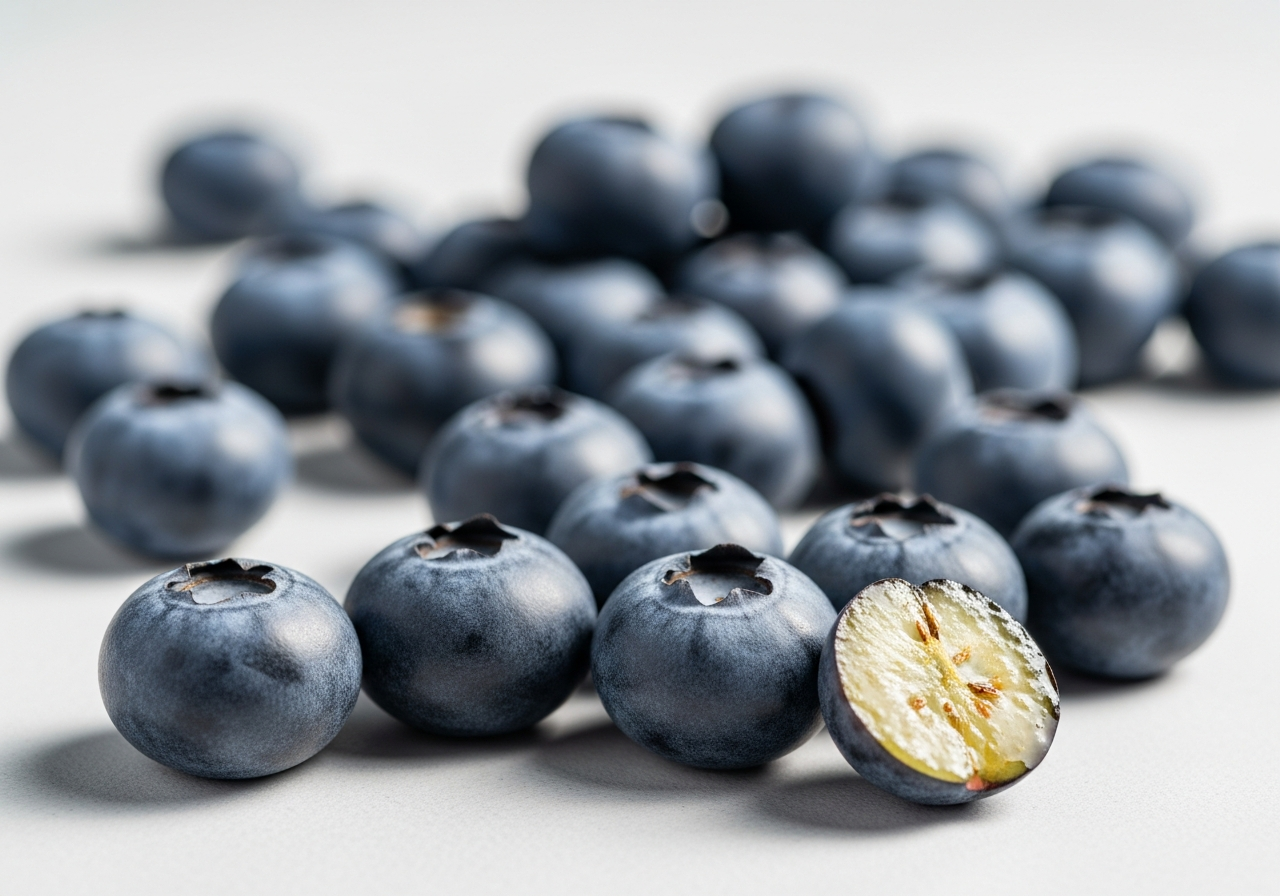
Arándanos: The Blue Powerhouse – A JustMacros Lead Nutrition Researcher's Guide to Optimal Health
Executive Summary
The Spanish term for blueberries is arándanos. These vibrant blue berries are far more than a delicious snack; they are a nutritional powerhouse, offering a spectrum of health benefits backed by scientific research. Regular consumption of arándanos can significantly contribute to improved cardiovascular health, enhanced cognitive function, and better blood sugar regulation. The #1 "Hero Nutrient" responsible for many of these profound benefits is anthocyanin.
Anthocyanins are the potent plant pigments that give blueberries their distinctive deep blue hue. These flavonoids act as powerful antioxidants and anti-inflammatory agents, protecting cells from damage and supporting numerous biological pathways crucial for overall health.
Nutritional Profile
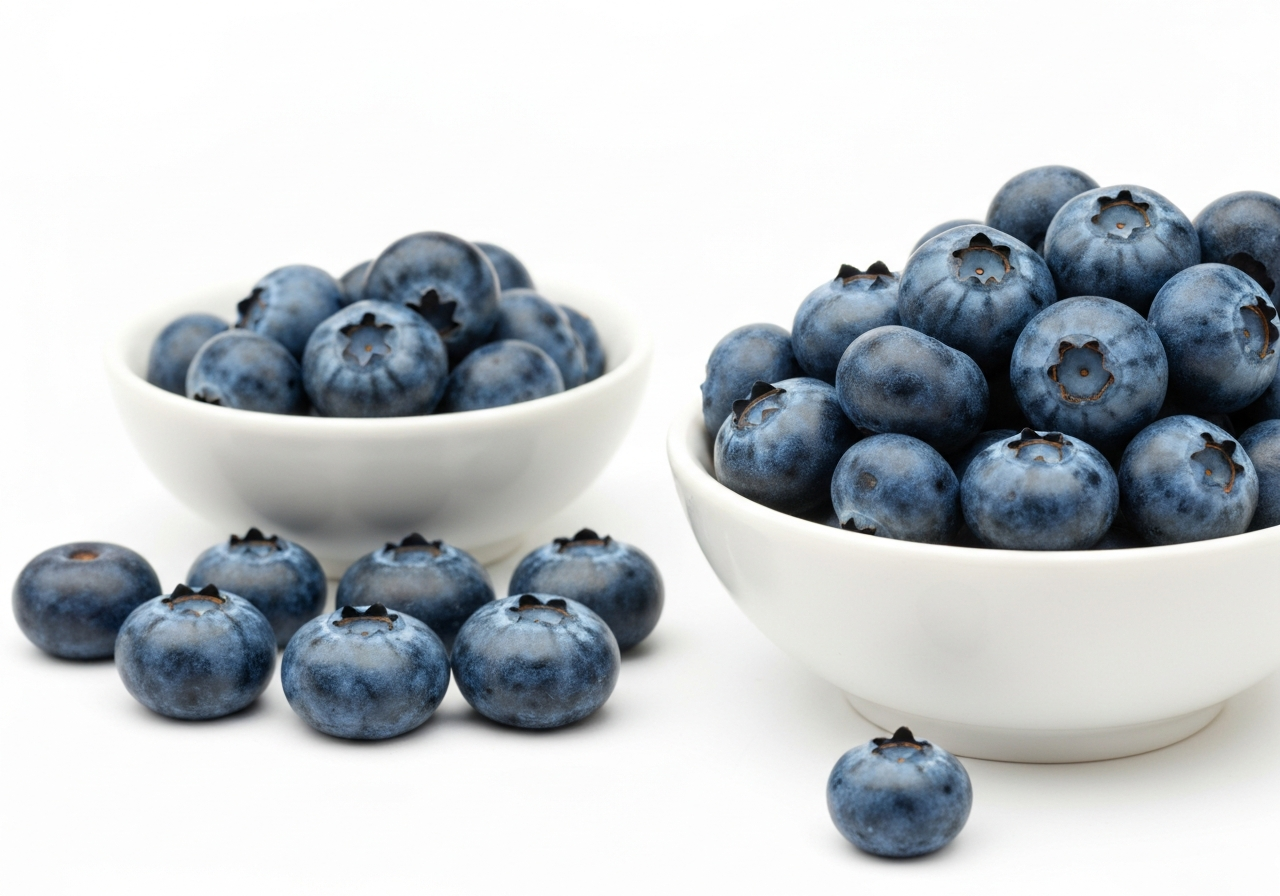
Arándanos are low in calories and rich in essential micronutrients, making them an excellent addition to any diet. A 100-gram serving of raw blueberries provides approximately 57 calories, primarily from carbohydrates, along with dietary fiber, and a notable array of vitamins and minerals.
Here's a detailed look at the key micronutrients in 100g of blueberries and their associated health benefits:
| Nutrient | Amount per 100g (Approximate) | Health Benefit Blueberries have demonstrated significant benefits for heart health, including supporting blood vessel relaxation and improving various cardiovascular and metabolic markers, such as reduced levels of total cholesterol, lipoproteins, and inflammatory biomarkers, along with enhanced vasodilation, blood flow, and vascular elasticity. These effects are notable even within weeks of regular intake.
Top 5 Health Benefits of Arándanos (Blueberries)
1. Potent Antioxidant Protection: The Power of Anthocyanins
Arándanos are widely recognized as one of the richest sources of antioxidants among common fruits and vegetables. The primary contributors to this remarkable antioxidant capacity are anthocyanins, a type of flavonoid responsible for their blue color.
Biological Mechanism: Antioxidants protect the body from damage caused by free radicals, unstable molecules generated through normal metabolic processes and environmental stressors. Free radical damage, also known as oxidative stress, contributes to aging and various chronic diseases, including cancer and heart disease. Anthocyanins neutralize these free radicals, preventing cellular damage and supporting overall cellular health.
Research from the USDA found that wild blueberries, a close relative, have more total antioxidant capacity (TAC) than 20 other fruits and vegetables, including cranberries, strawberries, and raspberries.
2. Enhanced Cardiovascular Health
Regular consumption of arándanos has been strongly linked to significant improvements in cardiovascular health, reducing the risk of heart disease and related conditions.
Biological Mechanism: The anthocyanins and other polyphenols in blueberries exert their cardioprotective effects through several mechanisms. They improve vascular function by promoting the relaxation and dilation of blood vessels, leading to better blood flow and reduced arterial stiffness. This can lead to a reduction in blood pressure, a major risk factor for heart disease. Furthermore, blueberries help modulate lipid levels by lowering LDL ("bad") cholesterol and triglycerides, while increasing HDL ("good") cholesterol, thereby improving overall plasma lipid profiles. Their anti-inflammatory properties also play a crucial role in preventing the oxidative stress and inflammation that often initiate and progress cardiovascular disease.
A clinical trial involving participants with metabolic syndrome who consumed one cup of blueberries daily for six months showed significant improvements in blood vascular health, including better blood flow and reduced arterial stiffness. Their "good" HDL-cholesterol levels also increased.
3. Improved Brain Function and Cognitive Health
Arándanos are often referred to as "brain berries" due to their impressive benefits for cognitive function and memory, particularly in relation to age-related decline.
Biological Mechanism: The antioxidants, especially anthocyanins, in blueberries help protect brain cells from oxidative stress and inflammation, which are implicated in neurodegenerative diseases. These compounds can cross the blood-brain barrier and accumulate in areas of the brain involved in learning and memory. They are thought to enhance communication between brain cells, stimulate the growth of new neurons, and improve blood flow to the brain. This leads to better memory, executive function, and overall cognitive performance.
A 2023 study indicated that daily consumption of blueberry powder (equivalent to about 1 cup of fresh blueberries) could help maintain brain function and improve memory in older adults. Additionally, research at Harvard Medical School suggests that eating one or more servings of blueberries each week may help slow cognitive degeneration by several years in women.
4. Regulation of Blood Sugar Levels
Despite their natural sweetness, arándanos can be beneficial for blood sugar management, especially when consumed in moderation as part of a balanced diet.
Biological Mechanism: Blueberries have a relatively low glycemic index (GI) of 53, meaning they cause a slower, more gradual rise in blood sugar compared to some other fruits. This effect is partly due to their fiber content, which slows down the digestion and absorption of sugars into the bloodstream. More importantly, anthocyanins in blueberries have been shown to improve insulin sensitivity and glucose metabolism. Improved insulin sensitivity helps cells absorb glucose more efficiently, thereby lowering the risk of metabolic syndrome and type 2 diabetes.
Studies suggest that anthocyanins in blueberries have beneficial effects on insulin sensitivity and glucose metabolism, observed with both fresh and freeze-dried berries.
5. Anti-inflammatory Properties
Chronic inflammation is a root cause of many diseases. Arándanos possess significant anti-inflammatory properties that can help mitigate this risk.
Biological Mechanism: The rich array of phytochemicals in blueberries, particularly anthocyanins, contributes to their anti-inflammatory effects. These compounds can modulate inflammatory pathways in the body, reducing the production of pro-inflammatory cytokines and other mediators. By dampening chronic inflammation, blueberries can help protect against conditions linked to systemic inflammation, such as cardiovascular disease, certain cancers, and age-related decline.
Anthocyanins, present at high levels in blueberries, have been found to reduce inflammation by decreasing the upregulation of inflammatory mediators, which is beneficial for cardiovascular health when this occurs in vascular endothelial cells.
Best Ways to Eat for Maximum Absorption
To maximize the absorption and benefits of the nutrients in arándanos, consider these recommendations:
- Raw vs. Cooked: Eating blueberries raw is generally recommended to preserve their delicate anthocyanins and other heat-sensitive vitamins like Vitamin C. While cooking can slightly reduce some nutrient content, baked goods with blueberries still offer nutritional value. Frozen blueberries retain most of their nutritional content and are an excellent year-round option.
- Food Pairings:
- With Healthy Fats: Pairing blueberries with healthy fats (e.g., in a smoothie with avocado or nuts, or on yogurt) can aid in the absorption of fat-soluble vitamins, although blueberries are not particularly high in these.
- With Protein: Combining blueberries with protein (e.g., yogurt, cottage cheese, or a protein smoothie) can help slow the rise in blood glucose and improve overall blood sugar control, while promoting satiety.
- Plain: The rich nutritional profile of blueberries means they are highly beneficial on their own as a snack.
- Recommended Daily Dosage for Health Benefits: Research suggests that a daily intake of about ½ to 2 cups (approximately 75-300 grams) of blueberries can provide significant health benefits. Even a moderate intake, such as one-third of a cup daily, has been associated with a reduced risk of certain chronic conditions.
Potential Side Effects & Risks
While arándanos are overwhelmingly beneficial, there are a few considerations:
- Digestive Issues: Due to their fiber content, consuming very large quantities of blueberries, especially if you're not used to a high-fiber diet, can lead to temporary digestive discomfort such as bloating, gas, stomach cramps, or diarrhea. Gradually increasing intake and ensuring adequate water consumption can help mitigate these effects.
- Allergies: Blueberry allergies are uncommon but can occur. Some individuals may be sensitive to salicylates, a compound found naturally in blueberries, which can cause symptoms ranging from digestive upset to hives or breathing difficulties in severe cases.
- Medication Interactions:
- Blood Thinners (Anticoagulants): Blueberries contain Vitamin K, which plays a role in blood clotting. Individuals taking blood-thinning medications like warfarin should maintain a consistent intake of Vitamin K-rich foods, and significant, sudden increases in blueberry consumption could potentially interfere with medication effectiveness. While blueberries generally have less Vitamin K than leafy greens, it's always prudent to consult a healthcare provider regarding dietary changes when on such medications.
- Antidiabetic Treatments: Blueberries can lower blood sugar levels, so individuals on antidiabetic medications or with abnormal glucose levels should monitor their blood sugar if significantly increasing blueberry intake.
- Kidney Stones: Blueberries contain oxalates, though they are considered relatively low in oxalates compared to some other foods. For individuals with a history of kidney stones who are advised to limit oxalate intake, consulting a doctor about large consumption is advisable.
Arándanos vs. The Competition
When comparing arándanos (blueberries) to other popular berries like raspberries and blackberries, it's clear that all are excellent choices, but each offers a slightly different nutritional edge.
-
Blueberries vs. Raspberries:
- Antioxidants: Blueberries are often cited for their exceptionally high antioxidant activity, largely due to anthocyanins. Raspberries also provide strong antioxidant benefits, including vitamin C, ellagic acid, and quercetin.
- Fiber: Raspberries generally contain significantly more fiber per serving (around 8g per cup) than blueberries (around 3.6g per cup). This makes raspberries particularly beneficial for satiety and digestive health.
- Sugar & Carbs: Blueberries tend to have more natural sugars and carbohydrates, making them a good option for a quick energy boost. Raspberries are lower in sugar and carbs.
- Vitamins/Minerals: Blueberries are richer in Vitamin K. Raspberries are notably higher in Vitamin C and contain more magnesium, manganese, and iron.
- Conclusion: Both are excellent. Raspberries might have an edge for those prioritizing higher fiber and lower sugar, while blueberries excel in their unique antioxidant profile and Vitamin K content.
-
Blueberries vs. Blackberries:
- Antioxidants: Both are rich in antioxidants. Blackberries contain ellagic acid, which may have unique benefits, while blueberries are particularly renowned for their anthocyanin content. Blueberries are considered to have a slightly higher overall antioxidant capacity.
- Fiber: Blackberries typically offer more fiber than blueberries (e.g., 8g vs 3.6g per cup).
- Sugar & Carbs: Blackberries generally have fewer calories, carbohydrates, and sugars compared to blueberries.
- Vitamins/Minerals: Blackberries tend to have higher amounts of Vitamin A, Vitamin C, calcium, magnesium, potassium, and iron. Blueberries provide more Vitamin K, thiamine, riboflavin, and Vitamin B6.
- Conclusion: Blackberries often present a slightly more mineral-dense and lower-sugar option. However, blueberries hold their own with their unique antioxidant composition and benefits for heart and brain health. Ultimately, incorporating a variety of berries offers the broadest range of nutrients and benefits.
FAQs
-
Are frozen arándanos as healthy as fresh ones?
Yes, frozen arándanos are largely as healthy as fresh ones, retaining most of their nutrients. Freezing is an excellent way to preserve their nutritional value, and in some cases, the freezing process can even make certain antioxidants more bioavailable. -
Can arándanos help with weight loss?
Yes, arándanos can support weight management. They are low in calories and a good source of fiber, which promotes satiety and can help you feel full, thus reducing overall calorie intake. Animal studies also suggest blueberries may help prevent obesity and manage obesity-related conditions. -
Are arándanos good for skin and hair?
The antioxidants and vitamins (like Vitamin C) in arándanos are beneficial for skin and hair health. Antioxidants protect skin cells from environmental damage, which can contribute to premature aging. Vitamin C is crucial for collagen production, maintaining skin elasticity and strength, and supporting hair follicle health. -
How many arándanos should I eat daily?
A healthy daily intake ranges from ½ to 2 cups (approximately 75-300 grams). This amount provides substantial health benefits without typically causing adverse effects. It's always best to incorporate them as part of a varied and balanced diet. -
Do arándanos interact with medications?
While generally safe, arándanos contain Vitamin K, which can affect blood clotting. Individuals on blood-thinning medications (anticoagulants) should consult their doctor about consistent intake. They may also subtly influence blood sugar levels, so those on antidiabetic treatments should be mindful.
Conclusion
Arándanos, or blueberries, are a truly remarkable "superfood" with a robust scientific backing for their health-promoting properties. Their rich concentration of anthocyanins and other essential micronutrients provides powerful antioxidant, anti-inflammatory, cardiovascular, cognitive, and metabolic benefits. Incorporating these delicious berries into your daily routine is a simple yet effective strategy for enhancing overall health and well-being.
Track your arándanos intake and monitor your nutrient targets with the free JustMacros app.