Is Grilling Food Healthy ? Risks, Benefits & Nutrition Facts
Grilling can be a healthy, low-fat cooking method, but high heat creates carcinogenic compounds like HCAs and PAHs. This guide explains how to grill safely by using marinades, lower temperatures, and indirect heat to reduce toxin formation by up to 99%.
Table of Contents
- The Science of Sizzle: Is Grilling Food Healthy? A JustMacros Health Guide
- Executive Summary: A Direct Answer
- Nutritional Profile: Beyond the Macros
- Top 5 Health Benefits of Grilling
- Best Ways to Eat for Maximum Absorption and Health
- Potential Side Effects & Risks
- Is Grilling Food Healthy vs. The Competition
- FAQs
- Conclusion
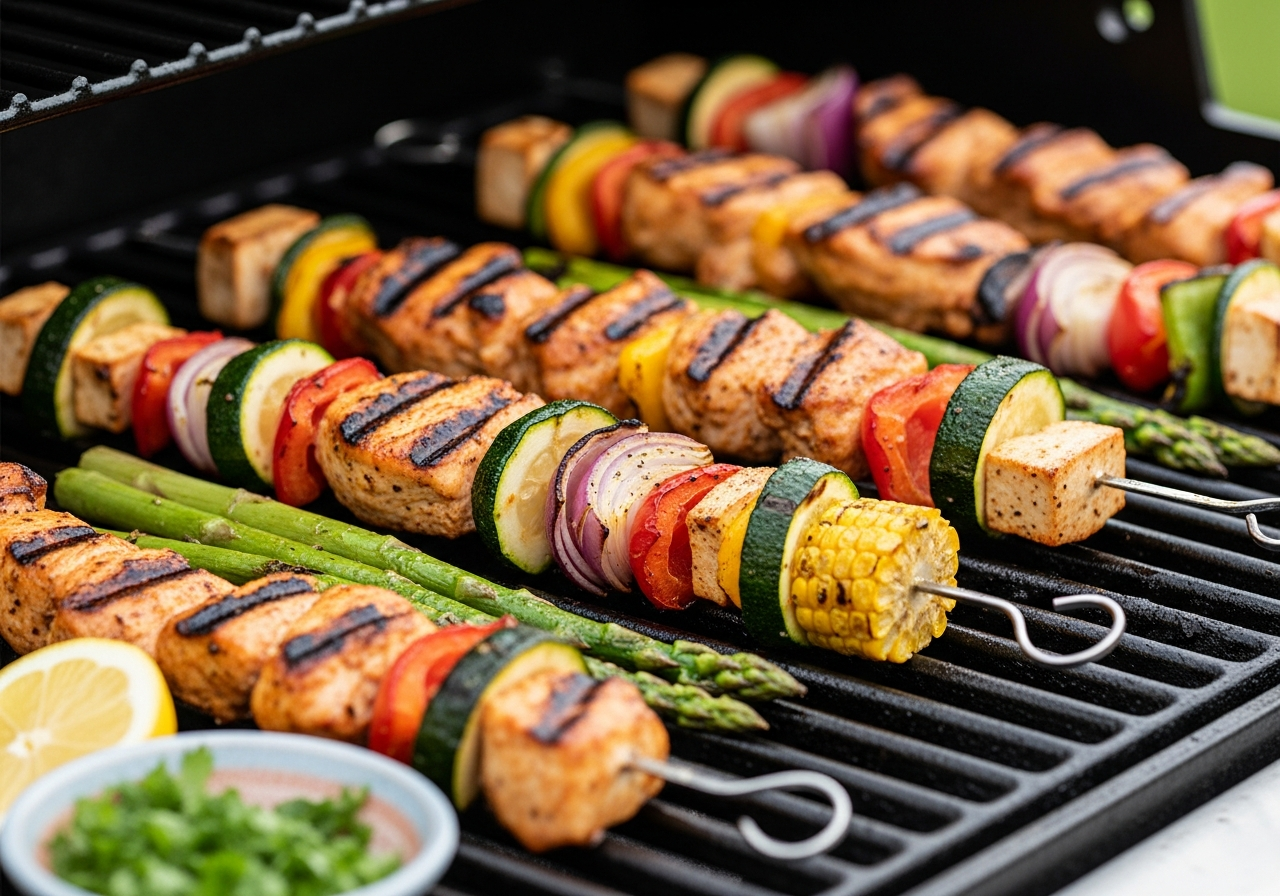
The Science of Sizzle: Is Grilling Food Healthy? A JustMacros Health Guide
Grilling, a beloved cooking method worldwide, is often associated with delicious flavors and outdoor gatherings. But beyond the smoky taste and social appeal, a crucial question arises for the health-conscious: "Is grilling food healthy?" As Lead Nutrition Researchers at JustMacros, we delve into the science to provide a high-authority, evidence-based answer.
Executive Summary: A Direct Answer
Grilling food can indeed be a healthy cooking method, particularly when proper techniques are employed and food choices are optimized. It offers distinct advantages such as reduced fat intake and enhanced flavor, which can encourage healthier eating habits. However, the high temperatures involved in grilling, especially with muscle meats, can lead to the formation of potentially harmful compounds. The key lies in understanding these nuances and adopting smart grilling practices.
The #1 "Hero Aspect" contributing to the health benefits of grilling, when done correctly, is its efficient delivery of lean protein and enhanced bioavailability of key plant-based nutrients. Grilling allows excess fat to drip away from meats, offering a leaner protein source. Simultaneously, for many vegetables, grilling can break down cell walls, making valuable antioxidants more accessible to the body.
Nutritional Profile: Beyond the Macros
While grilling inherently changes the nutritional profile of food, its impact varies significantly depending on the food type and grilling method. Unlike boiling, which can leach water-soluble vitamins into cooking water, grilling aims for dry heat, sometimes preserving more nutrients.
Impact on Micronutrients in Grilled Foods:
- Vitamins (B and C): Grilling can lead to some loss of water-soluble vitamins such as Vitamin C and certain B vitamins (Thiamine/B1, Riboflavin/B2, Niacin/B3), particularly with prolonged cooking times and high heat. Studies on meat samples have shown average cooking losses by grilling of B1 (45%), B2 (38%), and B3 (46%). However, some research suggests that grilled meats can retain more riboflavin and thiamine compared to other methods like baking, and grilling generally results in less loss of water-soluble vitamins compared to baking.
- Fat-Soluble Vitamins (A, D, E, K): These are generally more stable to heat. However, if significant fat drips away from the meat, up to 40% of fat-soluble vitamins associated with that fat can also be lost.
- Minerals: Minerals such as iron, zinc, potassium, and magnesium are generally well-retained during grilling. Notably, in some vegetables, grilling can actually increase the levels of certain minerals like potassium, magnesium, phosphorus, and manganese.
- Antioxidants: Grilling vegetables can enhance the natural sweetness through caramelization and, importantly, can increase the bioavailability of antioxidants like beta-carotene and lycopene by breaking down cell walls.
To illustrate the micronutrient contribution from a commonly grilled protein, here's an example for 100g of grilled chicken breast (skinless, boneless):
| Nutrient | Amount per 100g (Grilled Chicken Breast, approx.) | Health Benefit |
|---|---|---|
| Protein | ~31g | Essential for muscle growth and repair, enzyme production, hormone synthesis, and satiety. |
| Niacin (B3) | ~11.5 mg | Crucial for energy metabolism, DNA repair, and maintaining healthy skin and nerve function. |
| Vitamin B6 | ~0.6 mg | Supports amino acid metabolism, red blood cell production, and neurotransmitter synthesis. |
| Phosphorus | ~250 mg | Vital for bone health, energy production (ATP), and cell membrane integrity. |
| Selenium | ~27 mcg | A powerful antioxidant, crucial for thyroid function, and immune health. |
| Zinc | ~1.1 mg | Supports immune function, wound healing, DNA synthesis, and is important for cell division and growth. |
| Potassium | ~330 mg | Essential for fluid balance, nerve signals, and muscle contractions; plays a role in maintaining healthy blood pressure. (Values can vary significantly based on marinade or added salts). |
| Riboflavin (B2) | ~0.2 mg | Involved in energy production and cellular growth and function. |
| Thiamine (B1) | ~0.1 mg | Plays a critical role in energy metabolism, converting carbohydrates into energy. |
Note: Nutritional values are approximate and can vary based on specific cut, cooking time, temperature, and any marinades or seasonings used.
Top 5 Health Benefits of Grilling
Grilling, when approached with health in mind, offers several significant advantages:
1. Reduced Fat Intake and Calorie Control
One of the most widely recognized benefits of grilling, especially for meats, is its ability to reduce fat content. Unlike pan-frying or deep-frying, where food cooks in its own fat or added oils, grilling allows excess fats to drip away from the food as it cooks over an open flame or heated grates.
"Grilling is fantastic for cutting down fat intake. See, the excess fat cooks off and drips away from the food. This means the meat isn't sitting in its own grease and absorbing it back. Instead, the fats have no choice but to say goodbye, resulting in leaner, healthier meals."
This biological mechanism leads to a lower caloric density in grilled meats compared to many other cooking methods, making it an excellent choice for individuals aiming for weight management or seeking to reduce saturated fat intake for cardiovascular health. Reduced fat consumption also contributes to lowering "bad" cholesterol levels, thereby supporting heart health.
2. Enhanced Flavor and Satiety
The high heat and direct contact with the grill trigger the Maillard reaction, a chemical process between amino acids and reducing sugars that creates hundreds of different flavor compounds. This reaction gives grilled foods their characteristic savory, caramelized crust and complex, smoky flavor.
"When you grill food, it tastes amazing. That's because grilling makes it easier for our taste buds to detect and savor compounds known as flavor precursors that occur naturally in meat and vegetables."
This intense flavor can lead to greater satisfaction from meals, potentially reducing the desire for excessive portion sizes or less healthy, flavor-poor alternatives. The added flavor can also make leaner protein sources and vegetables more appealing, encouraging their consumption. Moreover, research suggests that the extra attention our taste buds pay to these complex flavor molecules can be linked to slower digestion, contributing to a feeling of fullness for longer periods. This enhanced satiety is a crucial factor in effective weight management and overall dietary adherence.
3. Improved Nutrient Retention in Vegetables
While grilling can cause some loss of water-soluble vitamins in meats, it often has a beneficial effect on the nutrient profile of vegetables. Compared to boiling or steaming, which can leach nutrients into the water, grilling retains more of the inherent vitamins and minerals in vegetables.
"In certain vegetables, grilling can break down cell walls so that nutrients such as lycopene, beta-carotene, and other antioxidants become more easily absorbed by the body. In fact, some minerals such as potassium, magnesium, phosphorus, and manganese are reported to increase in grilled eggplant. Meanwhile, sodium levels increase in zucchini processed using a similar method."
The heat from grilling can break down tough cell walls in vegetables, making certain fat-soluble vitamins and antioxidants, such as lycopene in tomatoes and beta-carotene in carrots, more bioavailable or easier for the body to absorb. Furthermore, grilled vegetables are rich in fiber, vitamins like A, C, K, and essential minerals, contributing to overall health, immune function, and reduced inflammation due to their high phytonutrient content.
4. Efficient Protein Delivery
Grilling is an excellent method for cooking protein-rich foods such as lean meats, poultry, and fish. Protein is a fundamental macronutrient essential for a multitude of bodily functions, including muscle growth and repair, the production of enzymes and hormones, and maintaining tissue integrity.
"BBQ meats are packed full of protein, which your body needs in order to perform the above processes and more."
By allowing fats to drip away, grilling provides a concentrated source of protein without excessive added calories or unhealthy fats. This makes grilled protein a highly effective component of a balanced diet for those looking to support muscle mass, enhance satiety, and contribute to overall physiological well-being. The direct heat of grilling quickly cooks the exterior of the protein, sealing in juices and flavors, which can make it a more palatable and enjoyable way to consume adequate protein.
5. Social and Mental Well-being Benefits
Beyond the direct nutritional impacts, grilling often fosters positive social interactions and mental health benefits. It is frequently an outdoor activity, encouraging fresh air exposure and sometimes sunlight, which boosts Vitamin D levels and mood.
"Grilling is an event that brings friends and family together – great for socializing and boosting mental well-being."
The act of grilling can be a mindful activity, reducing stress levels and increasing focus and creativity. These psychological and social components are integral to overall health. Sharing meals prepared on the grill can strengthen bonds, create a sense of community, and provide a pleasurable eating experience that contributes significantly to one's quality of life. This holistic benefit, while not directly micronutrient-based, plays a crucial role in preventative health.
Best Ways to Eat for Maximum Absorption and Health
To maximize the health benefits and minimize potential risks associated with grilling, strategic food preparation and consumption are key.
Raw vs. Cooked & Nutrient Bioavailability:
For certain vegetables, grilling can actually improve the bioavailability of key nutrients. For example, the heat can break down cell walls, making antioxidants like lycopene (found in tomatoes) and beta-carotene (found in carrots and bell peppers) more accessible for absorption by the body. However, some water-soluble vitamins are heat-sensitive, and while grilling is often better than boiling, some loss can occur.
Food Pairings for Enhanced Benefits and Risk Reduction:
* Antioxidant-Rich Marinades: Marinating meats, poultry, and fish before grilling is one of the most effective ways to reduce the formation of harmful compounds like HCAs and PAHs. Marinades containing acids (vinegar, lemon juice), oils (olive oil), herbs (rosemary, thyme, oregano, basil), and spices are rich in antioxidants that can inhibit these chemical reactions. A study out of Kansas State University found that marinating steaks reduced harmful chemicals by up to 87%. Marinate meats for at least 30 minutes, or longer for tougher cuts (up to 24 hours), and fish/vegetables for about an hour.
* Pair with Vegetables and Fruits: Always serve grilled meats alongside a generous portion of grilled fruits and vegetables. Plant foods do not produce HCAs or PAHs when grilled and are packed with antioxidants that can help counteract any potential harmful compounds from meats.
* Vitamin C Boost: While grilling can reduce some Vitamin C in food, pairing grilled dishes with fresh, raw, Vitamin C-rich sides (like a citrus salad) can help replenish this nutrient and potentially enhance iron absorption from meats.
Recommended Practices for Healthier Grilling:
* Choose Leaner Cuts: Opt for leaner meats like chicken breast, fish, or pork tenderloin, and trim visible fat to reduce flare-ups and PAH formation.
* Pre-cook Meats: Partially cook meats in a microwave or oven before grilling to reduce their time on the direct heat, significantly reducing HCA formation.
* Lower Heat, Shorter Time: Cook at lower temperatures and for shorter durations to minimize HCA and PAH formation. If using charcoal, wait until coals are glowing red, not flaming. Use indirect heat when possible.
* Flip Frequently: Continuously turning meat over on the grill can substantially reduce HCA formation compared to leaving it on one side for too long.
* Avoid Charring: Do not char or burn your food. Remove any charred portions before eating.
* Clean Grill Grates: Clean your grill before and after each use to remove leftover burnt pieces and drippings, which can be sources of PAHs and HCAs.
* Use a Meat Thermometer: Ensure meats reach safe internal temperatures to prevent foodborne illness.
* Beef, Lamb, Veal (steaks, chops, roasts): 145°F (63°C) with a 3-minute rest.
* Ground Meats (beef, pork, lamb): 160°F (71°C).
* Pork (chops, roasts): 145°F (63°C) with a 3-minute rest.
* Poultry (chicken, turkey): 165°F (74°C).
* Fish: 145°F (63°C).
Potential Side Effects & Risks
While grilling offers numerous benefits, it's crucial to be aware of potential health risks, primarily linked to the high-temperature cooking of muscle meats.
- Formation of Heterocyclic Amines (HCAs) and Polycyclic Aromatic Hydrocarbons (PAHs): These are the most significant concern. HCAs form when amino acids, sugars, and creatine in muscle meats (beef, pork, poultry, fish) react at high temperatures (above 300°F/150°C). PAHs are created when fat and juices drip onto the heat source (coals or heated surfaces), causing flames and smoke. The smoke then carries PAHs, which adhere to the surface of the meat. Both HCAs and PAHs are classified as probable carcinogens by the U.S. Environmental Protection Agency and have been shown to cause DNA changes that may increase the risk of certain cancers (e.g., colon, breast, pancreatic, prostate, lung) in animal studies. HCAs have also been associated with an increased risk of type 2 diabetes and obesity.
- Charring: The blackened, charred portions of grilled meat contain higher concentrations of HCAs and PAHs and should be removed before consumption.
- Nutrient Loss: As discussed, high heat and prolonged grilling can lead to a significant loss of certain water-soluble B vitamins (Thiamine, Riboflavin, Niacin) and Vitamin C in some foods.
- Fuel Source Emissions: Burning charcoal, in particular, can release particulate matter, hydrocarbons, carbon monoxide, and other volatile organic compounds that can affect air quality and potentially contribute to respiratory and cardiovascular illnesses with prolonged exposure. Propane and electric grills generally pose lower risks regarding airborne pollutants.
Is Grilling Food Healthy vs. The Competition
Comparing grilling to other common cooking methods highlights its unique health profile:
- Grilling vs. Frying (Deep or Pan-Frying): Grilling is generally considered healthier than frying. Frying, especially deep-frying, involves submerging food in hot oil, leading to significant absorption of added fat and calories. While frying can retain some heat-sensitive vitamins, the increased fat intake often outweighs this benefit. Grilling, by allowing fat to drip away, results in reduced fat content and fewer calories, which supports weight management and cardiovascular health.
- Grilling vs. Baking/Roasting: Both grilling and baking/roasting use dry heat and are generally healthier than deep-frying.
- Fat Reduction: Baking with a rack also allows fat to drain, similar to grilling.
- Nutrient Retention: Baking can destroy some heat-sensitive vitamins (C and some B vitamins). While grilling also leads to some B vitamin loss, some studies suggest it might retain more riboflavin and thiamine than baking. For vegetables, both methods can be beneficial.
- Carcinogen Formation: This is where the primary difference lies. Baking, particularly at lower temperatures, tends to produce fewer HCAs and PAHs compared to grilling directly over an open flame, as there's less direct exposure to smoke and charred surfaces. However, baking at high temperatures for long durations can still lead to the formation of acrylamide (a carcinogen) when browning foods, and some B vitamins can be lost as juices are released.
In summary, while grilling offers advantages like fat reduction and flavor enhancement, baking or roasting may present a slightly lower risk for carcinogen formation when cooking muscle meats, assuming proper techniques are used for all methods.
FAQs
Q1: Is charred meat safe to eat?
No, it is advisable to cut off and avoid eating charred or blackened portions of meat. Charring significantly increases the concentration of harmful compounds like HCAs and PAHs, which are potential carcinogens.
Q2: Are grilled vegetables healthy?
Yes, grilled vegetables are generally very healthy. They do not form HCAs or PAHs, and grilling can actually enhance their natural sweetness and improve the bioavailability of certain antioxidants and minerals. They are a fantastic source of fiber, vitamins, and phytonutrients.
Q3: Do marinades really help reduce health risks from grilling?
Absolutely. Marinating meats, poultry, and fish, especially with antioxidant-rich ingredients like herbs, spices, citrus juices, and vinegar, can significantly reduce the formation of HCAs and PAHs by up to 90% in some studies. Marinades can act as a barrier against high heat and smoke, and their antioxidants can inhibit harmful chemical reactions.
Q4: What are the safe internal temperatures for grilled meats?
Using a meat thermometer is crucial for food safety. The USDA recommended safe internal temperatures are:
* Beef, Lamb, Veal (steaks, chops, roasts): 145°F (63°C) with a 3-minute rest.
* Ground Meats (beef, pork, lamb): 160°F (71°C).
* Pork (chops, roasts): 145°F (63°C) with a 3-minute rest.
* Poultry (chicken, turkey): 165°F (74°C).
* Fish: 145°F (63°C).
Conclusion
Grilling food offers a delicious and potentially healthy way to prepare meals, especially when focusing on lean proteins and a bounty of vegetables. Its ability to reduce fat, enhance natural flavors, and preserve certain plant-based nutrients are significant advantages. However, the science clearly indicates the importance of mitigating the risks associated with HCA and PAH formation when grilling muscle meats at high temperatures. By adopting smart grilling practices—such as using marinades, choosing leaner cuts, cooking at moderate temperatures, and prioritizing vegetables—you can enjoy the unique culinary delights of grilling while supporting your long-term health.
Track your nutrient intake and monitor your targets for a balanced diet with the free JustMacros app.